 Written and reviewed by Dr. Vaishnavi Karmawat, B.V.Sc. & A.H., Registered Veterinary Practitioner
Quick answer: Bright red blood on or in your dog’s stool (hematochezia) usually comes from the colon, rectum or anal area. Black, sticky, tar-like stool (melena) means blood has been digested and is coming from the stomach or small intestine, which is usually more serious. Any dog passing blood that is also vomiting, weak, has pale gums, or is a young unvaccinated puppy needs a vet the same day.
In this article
- Why checking your dog’s potty matters
- Red blood vs black stool: hematochezia vs melena
- Causes of a dog pooping blood
- Pooping blood and vomiting at the same time
- When is it an emergency? Triage at home
- What to do at home before the vet visit
- How vets diagnose the cause
- Treatment of bloody stool in dogs
- Recovery and what to expect
- Can a dog die from pooping blood?
- How to prevent bloody stool
- Frequently asked questions
- Related Articles
- References
- The colour of the blood tells your vet roughly where in the gut the bleeding starts.
- In India, the most common serious causes we see are parvovirus in puppies, hookworms, tick fever (which lowers platelets), rat poison and human painkillers such as Combiflam, diclofenac or nimesulide.
- A few drops of fresh blood at the end of a normal stool in a happy, eating dog is often mild colitis, but it still needs watching.
- Never give human anti-diarrhoea tablets, Pepto-Bismol or painkillers to a dog that is passing blood.
Why checking your dog’s potty matters
Stool is one of the few daily “reports” your dog gives you about their internal health. A change in colour, texture, smell or frequency is often the first visible sign of disease, sometimes days before your dog stops eating or becomes dull. Make it a habit to glance at every stool on your walk or in the yard. When you call your vet, being able to say “it started yesterday evening, it is bright red, there is mucus, and he has gone five times since” helps far more than “there was some blood”.
Red blood vs black stool: hematochezia vs melena
Blood changes colour as it travels through the gut. Blood that enters near the end of the digestive tract leaves the body almost unchanged and looks red. Blood that enters higher up is broken down by stomach acid and digestive enzymes, and the iron in haemoglobin turns it black. This is why vets ask about colour first.
| Feature | Hematochezia (red blood) | Melena (black, tarry stool) |
|---|---|---|
| Appearance | Bright red streaks, drops or clots; may coat the outside of the stool; often with jelly-like mucus | Shiny black, sticky, tar-like stool; may smell very foul |
| Where the bleeding usually starts | Large intestine (colon), rectum, anus, anal glands | Stomach, duodenum or upper small intestine; sometimes swallowed blood from the nose, mouth or lungs |
| Typical stool | Soft to watery, small amounts, many trips, straining (tenesmus) | Often formed or semi-formed |
| Common causes | Colitis, whipworms, hookworms, dietary indiscretion, stress, polyps, anal gland abscess, AHDS | Stomach ulcers from NSAIDs or steroids, tumours, severe gastritis, clotting disorders, liver disease, tick fever, kidney failure |
| Urgency | Mild to severe depending on volume and how the dog is acting | Usually urgent: it can mean significant internal blood loss |
Pooping pure blood: if the intestines are empty or the stool is very watery, your dog may pass only blood or a red, raspberry-jam-like liquid. This is always an emergency. See our detailed guide on bloody diarrhoea and AHDS in dogs.
Things that can look like blood but are not
- Red food and treats: beetroot, red-dyed biscuits or chews, tomato, watermelon, red food colour in leftovers.
- Black stool that is not melena: iron supplements or tonics, activated charcoal given for poisoning, bismuth products, and a diet rich in liver or blood.
- Red from outside the gut: blood from a female dog in heat, from the urine, or from a wound near the tail can mix with stool.
A simple home check: smear a little stool on white tissue paper. Melena leaves a dark red-brown stain at the edges; charcoal or iron usually stays grey-black. When in doubt, your vet can run a quick faecal occult blood test.
Causes of a dog pooping blood
Bloody stool is a symptom, not a diagnosis. The causes fall into three broad groups.
1. Something eaten or a sudden food change (dietary indiscretion)
Dogs that raid the dustbin, eat street food, cooked bones, sticks, plastic, or are switched suddenly to a new food often develop inflammation of the stomach and intestines (gastroenteritis). Sharp bone fragments can scrape the rectum and cause fresh blood with painful defecation. Rich festive leftovers such as mutton fat, biryani and sweets are a classic trigger in Indian homes around Diwali, Eid and weddings. When diarrhoea becomes bloody and profuse, vets call it acute haemorrhagic diarrhoea syndrome (AHDS).
2. Infections and parasites
- Canine parvovirus: the most important cause in puppies under 6 months, especially unvaccinated or partly vaccinated ones. Bloody, foul-smelling diarrhoea with vomiting and fever. It can kill within 48 to 72 hours.
- Hookworms (Ancylostoma): very common in India. These worms suck blood from the intestinal wall and can make puppies severely anaemic, with dark or bloody stool.
- Whipworms (Trichuris): live in the large intestine and cause chronic mucus-and-blood diarrhoea that comes and goes.
- Protozoa: Giardia and Coccidia, common in puppies from breeders and pet shops.
- Bacteria: Salmonella, Campylobacter and Clostridium perfringens, more likely in dogs fed raw meat or spoiled food. Some of these can spread to people.
3. Bleeding and clotting problems (outside the gut)
- Rat poison (anticoagulant rodenticides such as bromadiolone): these block vitamin K recycling, so blood stops clotting. Bleeding appears 2 to 5 days after eating the bait, often as melena, bloody vomit, nosebleeds, bruises or breathlessness.
- Tick fever (Ehrlichia, Babesia, Anaplasma): these destroy platelets, the cells that plug small leaks. Dogs may show black stool, nosebleeds or pinpoint red spots on the gums and belly.
- Immune-mediated thrombocytopenia (ITP): the immune system destroys the dog’s own platelets.
- Liver disease and kidney failure: both disturb clotting, and kidney failure causes stomach ulcers through uraemic toxins.
Other important causes
- Human painkillers and steroids: ibuprofen, diclofenac, nimesulide, aspirin, Combiflam and prednisolone can all cause stomach ulcers and melena in dogs. Even a “half tablet” can be enough in a small dog.
- Stress colitis: boarding, travel, a new pet, or firecracker noise can trigger mucus and fresh blood within a day.
- Addison’s disease (hypoadrenocorticism): a “great pretender” that can cause vomiting, weakness and bloody diarrhoea.
- Inflammatory bowel disease (IBD) and food allergy.
- Intussusception: one segment of intestine telescopes into the next, often after parvo or heavy worm burden in puppies. It causes scant, jelly-like bloody stool and needs surgery.
- Pancreatitis, often after a fatty meal.
- Anal gland abscess, rectal polyps and tumours, more likely in older dogs.
- Trauma such as a road accident or a kick.
Pooping blood and vomiting at the same time
Vomiting together with bloody stool is a red flag. The dog is losing fluid from both ends and can become severely dehydrated in hours, especially puppies and toy breeds such as Pomeranians, Shih Tzus, Chihuahuas and Pugs. This combination is typical of parvovirus, AHDS, poisoning, intestinal blockage, pancreatitis and Addison’s disease. Go to a vet immediately; do not wait for the next morning. Our dog vomit colour guide explains what different vomit colours mean.
When is it an emergency? Triage at home
Use this list. If your dog has any one of these along with blood in the stool, go now:
- Puppy under 6 months, or not fully vaccinated
- Vomiting, refusing food or water
- Dullness, weakness, collapse or not responding normally
- Pale, white or yellow gums instead of healthy salmon pink
- Black, tarry stool
- Large volume of blood, pure blood, or blood clots
- Repeated straining with little or nothing coming out
- Swollen or painful belly, crying when lifted
- Possible access to rat poison, medicines or garbage
- Recent tick infestation, nosebleed, or red spots on the skin
How to do a 30-second gum check
Lift your dog’s upper lip and look at the gum above the canine tooth. Healthy gums are moist and salmon pink. Press gently with your finger until the spot turns white, then let go and count. Colour should return in under 2 seconds (capillary refill time). Pale or white gums, a refill time longer than 2 seconds, or dry, sticky gums suggest blood loss, shock or dehydration. Learn more in our dehydration check guide.
What to do at home before the vet visit

- Photograph the stool in good light and, if you can, collect a fresh sample in a clean container (less than 6 hours old for parasite tests).
- Write down when it started, how many episodes, whether there is mucus, vomiting, and anything unusual your dog may have eaten in the past 3 to 5 days: bones, garbage, medicines, rat bait, new food or treats.
- Keep fresh water available. If your dog is drinking and not vomiting, small frequent amounts are fine.
- If your vet agrees and the dog is bright and eating, offer small portions of a bland diet: plain boiled boneless chicken (no skin, no masala) with soft-cooked white rice, roughly one part chicken to two parts rice.
- Do not give: loperamide (Imodium), Pepto-Bismol (it contains a salicylate related to aspirin and turns stool black, which hides melena), Metrogyl or any antibiotic without a prescription, Combiflam, paracetamol or any human painkiller.
How vets diagnose the cause
Your vet will start with a careful history and physical examination, including feeling the belly, checking lymph nodes, temperature, hydration and gum colour, and usually a rectal examination to feel for masses, foreign material, anal gland problems and the character of the stool. Depending on findings, tests may include:
| Test | What it looks for |
|---|---|
| Faecal flotation and direct smear | Hookworm, whipworm and roundworm eggs, Coccidia, Giardia; confirms blood |
| Parvo and Giardia SNAP tests | Rapid in-clinic antigen tests; results in about 10 minutes |
| PCV/TP (packed cell volume and total protein) | How much blood has been lost and whether the dog is dehydrated; a very high PCV with low protein points to AHDS |
| Complete blood count with platelet count | Anaemia, infection, low platelets from tick fever or ITP |
| Biochemistry and electrolytes | Kidney and liver function, sodium:potassium ratio (a low ratio raises suspicion of Addison’s) |
| Clotting tests (PT, aPTT) | Rat poison and other clotting disorders |
| Tick fever tests (4Dx SNAP, blood smear, PCR) | Ehrlichia, Anaplasma, Babesia |
| cPL (canine pancreatic lipase) | Pancreatitis |
| X-rays and abdominal ultrasound | Foreign bodies, intussusception, thickened intestinal walls, tumours |
| Resting cortisol or ACTH stimulation test | Addison’s disease |
| Endoscopy or colonoscopy with biopsy | Chronic cases: IBD, ulcers, polyps, cancer |
Treatment of bloody stool in dogs
Treatment always depends on the cause. Broadly, vets work on three things at once: replacing lost fluid and blood, protecting and healing the gut, and treating the specific cause.
Fluids and stabilisation
Mildly dehydrated dogs may get fluids under the skin and go home. Dogs that are vomiting, very dehydrated, in shock or anaemic need intravenous fluids and hospital monitoring. Severe blood loss may need a blood transfusion.
Gut-protecting medicines
- Antacids such as famotidine, or proton pump inhibitors such as omeprazole or pantoprazole, for ulcers and melena.
- Sucralfate, which forms a protective coating over ulcers.
- Anti-nausea medicines such as maropitant or ondansetron.
- Probiotics designed for dogs (for example strains of Enterococcus faecium) to help restore healthy gut bacteria.
- A bland or prescription gastrointestinal diet, highly digestible and low in fat.
Cause-specific treatment
- Dewormers such as fenbendazole for hookworms and whipworms (see our deworming schedule).
- Vitamin K1 for 3 to 6 weeks for anticoagulant rat poison.
- Doxycycline and supportive care for tick fever.
- Intensive hospital care for parvovirus.
- Antibiotics only when there is evidence of bacterial infection or sepsis; routine antibiotics do not help most cases of simple bloody diarrhoea and can upset gut bacteria further.
- Surgery for foreign bodies, intussusception or tumours.
- Stopping any NSAID or steroid that caused ulcers.
Recovery and what to expect
With the right treatment, each stool should look a little more normal with less blood. Many dogs with dietary or stress colitis improve within 24 to 72 hours. Parvo, rat poison, Addison’s and intussusception cases may need several days in hospital. Chronic conditions such as IBD need long-term diet and medicine. If blood returns, increases, or turns black, contact your vet straight away. Reintroduce the regular food slowly over 4 to 5 days, mixing it with the bland diet.
Can a dog die from pooping blood?
Yes. Heavy blood loss causes anaemia, and losing fluid through diarrhoea and vomiting causes dehydration. Together they lead to shock, organ damage and death if not treated. Parvo, rat poison and tick fever are the leading fatal causes in India. Early treatment saves most of these dogs.
How to prevent bloody stool
- Complete your puppy’s DHPPi vaccination course and keep boosters up to date.
- Deworm puppies every 2 weeks until 3 months, then monthly until 6 months, then every 3 months, or as your vet advises.
- Use reliable tick prevention year-round (see our tick and flea control guide).
- Never give cooked bones; keep dustbins covered; use a basket muzzle for dogs that scavenge on walks.
- Change food gradually over 7 days.
- Keep all human medicines and rat poison locked away. Use traps instead of poison bait in homes with pets.
- Prepare anxious dogs for Diwali and wedding firecrackers with a quiet room and, if needed, vet-prescribed calming medicine.
Frequently asked questions
My dog is pooping blood but acting completely normal. Should I worry?
A small streak of fresh blood at the end of an otherwise normal stool in a playful, eating dog is often due to mild colitis or straining. Watch the next 2 to 3 stools. If blood continues beyond 24 hours, increases, or your dog is a puppy, see a vet. Many serious illnesses look mild at the start.
Why is my dog pooping blood and mucus?
Red blood with jelly-like mucus almost always points to inflammation of the large intestine (colitis). Common causes are whipworms, Giardia, stress, sudden food changes and dietary indiscretion.
Can worms cause blood in dog poop?
Yes. Hookworms and whipworms both damage the intestinal lining and cause bleeding. Hookworms can make puppies dangerously anaemic. Routine deworming prevents most cases.
Is black poop always blood?
No. Iron supplements, charcoal and bismuth can blacken stool. But true melena is sticky, tarry and shiny, and should always be checked by a vet.
Can I give my dog curd (dahi) for bloody stool?
A spoon of plain, unsweetened curd is usually harmless for a dog that is otherwise well, but it does not treat the cause, and some dogs do not tolerate dairy. Use a dog-specific probiotic recommended by your vet instead.
This article is for education and does not replace an examination by a veterinarian. If your dog is passing blood and is unwell, contact your nearest vet or emergency clinic right away.
Related Articles
- Is My Dog or Cat Dehydrated? 1-Minute Gum and Skin Tent Check, ORS and When To See a Vet
- Dog Not Eating: Causes, What To Do, and When To See a Vet
- Bloody Diarrhoea in Dogs (Raspberry Jam Stool): Colitis vs Hookworms vs Parvo vs AHDS in Indian Dogs
- Dog Vomiting: Colour Guide, Causes, Vet Treatment and When To Worry
- Dog Scooting and Anal Glands: Impaction, Infection, Abscess, Treatment and Fibre Prevention
References
- Fernandez C. Dog Pooping Blood: Common Causes and What To Do. PetMD, updated 2024.
- Diener M. Bloody Diarrhea in Dogs. PetMD, 2024.
- Merck Veterinary Manual. Diseases of the stomach and intestines in small animals.
- Ettinger SJ, Feldman EC, Côté E. Textbook of Veterinary Internal Medicine. Elsevier.
More on Dog Symptoms and What They Mean
Nursing Mother Dog Trembling (Milk Fever / Eclampsia), Distemper Twitching and Swollen Glands in Dogs: Indian Vet Triage Guide
Nursing mother dog trembling? Eclampsia (milk fever) vs seizures, distemper twitching, poisoning, swollen lymph nodes and when to rush.
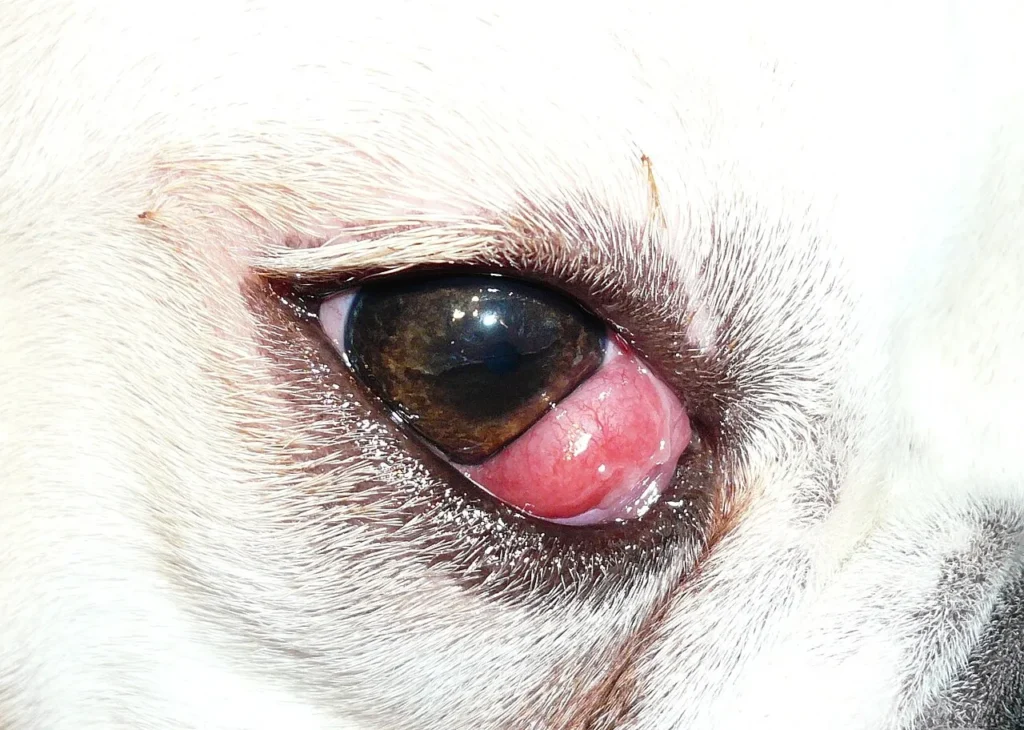
Dog Eye Infection, Red Eyes, Yellow Discharge (Kichad) and Cherry Eye: Causes, Safe Cleaning and Why Human Steroid Eye Drops Can Blind Dogs
Red eyes, yellow discharge or cherry eye in dogs? Types of eye discharge, ulcers, dry eye, safe cleaning, and why steroid drops…