 Written and reviewed by Dr. Vaishnavi Karmawat, B.V.Sc. & A.H., Registered Veterinary Practitioner
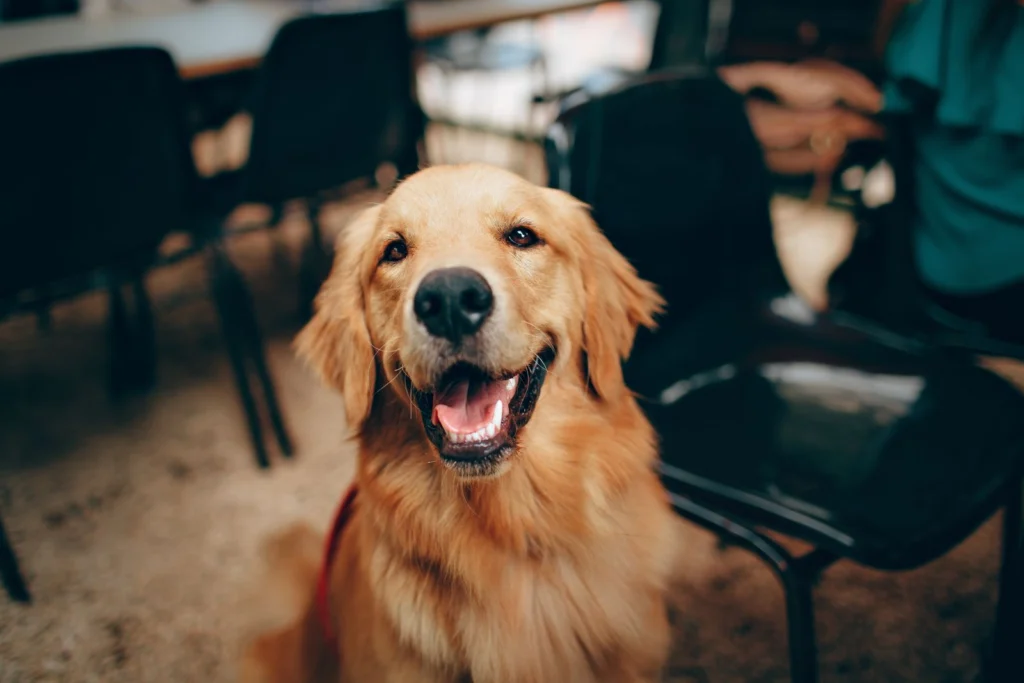
Short answer: the most common reason a dog drags its bottom along the floor (“scooting”) is full or impacted anal glands. Others include worms (especially flea tapeworm), allergies, and diarrhoea or soft stools. Anal gland problems range from simple fullness, emptied in seconds by a vet, to infection (sacculitis) and painful abscesses that burst beside the anus. Small breeds and overweight dogs are most affected. More fibre in the diet and a healthy weight help prevent repeat problems.
In this article
Key takeaways
- Dogs have two small sacs inside the anus, at about the 4 o’clock and 8 o’clock positions, filled with a strong-smelling, fishy liquid used for scent marking.
- They normally empty when firm stools press on them. Soft stools, small or narrow ducts, obesity and skin allergies stop them emptying properly.
- Signs include scooting, licking or biting under the tail, a fishy smell, discomfort sitting, and swelling, redness or a draining hole beside the anus (abscess).
- Do not squeeze glands at home unless your vet has shown you how. Incorrect pressure can rupture an inflamed sac.
What are anal glands?
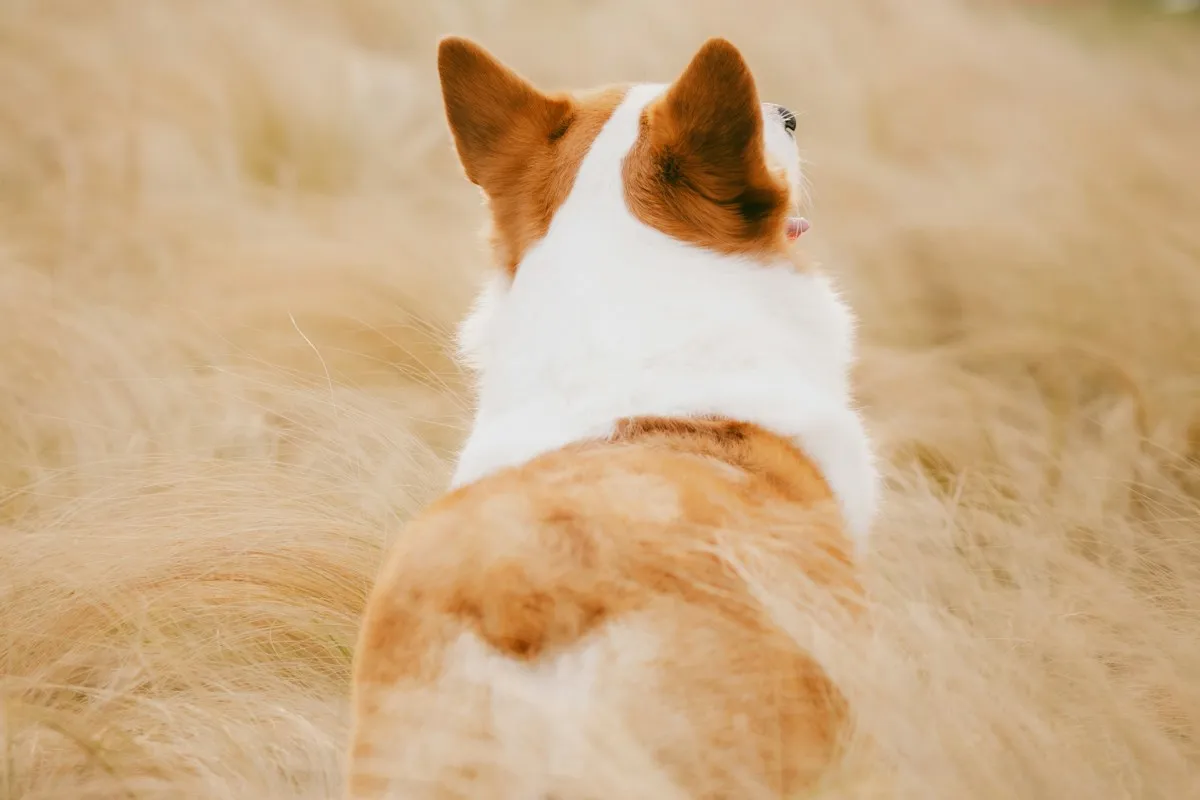
The anal sacs are two pea- to grape-sized pouches lying between the inner and outer anal sphincter muscles, each opening into the anus through a short duct. Glands in their walls secrete an oily, brown-grey, pungent fluid that coats the stool and carries each dog’s individual scent. That is why dogs sniff each other’s rear ends. Frightened dogs sometimes empty them suddenly, releasing the familiar fishy smell.
Stages of anal gland disease
| Stage | What happens | Signs |
|---|---|---|
| Impaction | Secretion thickens and the ducts do not empty | Scooting, licking, mild discomfort, fishy smell |
| Sacculitis (infection or inflammation) | Bacteria multiply in the stagnant fluid; secretion becomes thick, yellow-green or bloody | More pain, straining, reluctance to sit, licking constantly |
| Abscess | Pus builds up and the sac swells | Hot, red, very painful swelling beside the anus; fever; lethargy |
| Ruptured abscess | The abscess bursts through the skin | A draining wound or hole with blood and pus beside the anus |
Why do anal glands get blocked?
- Soft stools or diarrhoea: not enough pressure to empty the sacs.
- Low-fibre diets: many home diets of rice, roti and milk produce soft, small stools.
- Obesity: extra fat around the anus reduces pressure on the sacs.
- Small breeds: Chihuahua, Toy and Miniature Poodle, Shih Tzu, Lhasa Apso, Pomeranian, Cocker Spaniel, Beagle; narrow ducts and less muscle tone.
- Skin allergies (atopic dermatitis, food allergy) inflame the skin and ducts.
- Frequent manual expression by groomers can cause irritation and scarring.
- Rarely, a tumour (anal sac adenocarcinoma), especially in older dogs. See below.
Other causes of scooting
- Worms: flea tapeworm segments irritate the anus. See worms in dogs.
- Allergies: itchy bottom is common in food allergy and atopic dermatitis. See why is my dog itching.
- Diarrhoea irritating the skin. See vomiting and diarrhoea.
- Matted fur or stuck faeces in long-haired dogs.
- Perianal fistulas (German Shepherds), perineal hernia (older unneutered males), anal tumours.
How vets treat anal gland problems
- Manual expression: with a gloved, lubricated finger inside the rectum, the vet gently squeezes each sac. This is far more effective and safer than external squeezing.
- Infection: flushing the sacs under sedation, then instilling an antibiotic and steroid ointment; sometimes oral antibiotics and pain relief.
- Abscess: lancing, draining and flushing under sedation, warm compresses at home 2–3 times a day, an Elizabethan collar to stop licking, antibiotics and pain relief. Most heal in 1–2 weeks.
- Chronic or recurrent disease: treat the underlying allergy, add fibre, and lose weight. If problems keep returning, anal sacculectomy (surgical removal) is very effective. A small risk of faecal incontinence exists, so it should be done by an experienced surgeon.
- Anal sac adenocarcinoma: a malignant tumour of older dogs that may be felt as a firm mass during rectal examination. It can raise blood calcium, causing increased thirst. It needs surgery and staging, so routine rectal exams in senior dogs matter.
Preventing anal gland problems

- Add fibre to bulk up stools. Under vet guidance, common options are boiled pumpkin (kaddu), about 1 teaspoon per 5 kg body weight daily; isabgol (psyllium husk), about ½ teaspoon per 10 kg mixed with water into food, starting low; or a high-fibre veterinary diet.
- Keep your dog lean. See what to feed your dog in India.
- Control allergies and fleas.
- Daily walks and exercise promote regular bowel movements.
- Do not ask groomers to express the glands routinely if your dog has no problems.
- Ensure plenty of water when adding fibre, and increase fibre gradually over a week.
Frequently asked questions
Why does my dog smell like fish?
A sudden fishy smell is usually anal gland fluid, leaked when frightened or because the glands are full. A persistent smell, scooting or licking means a vet check is due.
How often should anal glands be emptied?
Many dogs never need it. Dogs with recurrent problems may need emptying every few weeks to months, but improving stool quality often reduces this.
Can I express my dog’s glands at home?
Only if your vet has shown you the correct technique and the glands are not inflamed. External squeezing often fails and can push infected material deeper.
Is scooting always anal glands?
No. Worms, allergies, diarrhoea, matted fur and, occasionally, tumours also cause scooting. Your vet will check the glands and the skin and may test a stool sample.
Do cats get anal gland problems?
Yes, though less often than dogs. Signs are similar: licking, scooting, and swelling beside the anus.
When to call a vet
Book a visit for scooting, licking under the tail, or a fishy smell that keeps returning. Go the same day for a red, hot, painful swelling or a draining wound beside the anus, straining to pass stool, or a dog that is lethargic or has a fever.
Related Articles
- Dog Pooping Blood in India: Red Blood (Hematochezia) vs Black Tarry Stool (Melena), Causes and When To See a Vet
- Bloody Diarrhoea in Dogs (Raspberry Jam Stool): Colitis vs Hookworms vs Parvo vs AHDS in Indian Dogs
- Why Is My Dog Coughing (Khansi)? Kennel Cough vs Heart Cough vs Tracheal Collapse vs Throat Blockage, and Safe Steam Care
- Dog Seizures (Mirgi / Fits) First Aid Guide in India: What To Do During a Fit, Distemper vs Epilepsy and Safe Anti-Seizure Care
References
- Lake AM, et al. Canine anal sac disease: a review. J Small Anim Pract 2004.
- Corbee RJ, et al. Characteristics of anal sac disease in dogs. Vet Q 2022.
- Polton GA, Brearley MJ. Clinical stage, therapy, and prognosis in canine anal sac gland carcinoma. J Vet Intern Med 2007.
- Merck Veterinary Manual: Anal sac disease in small animals.
More on Dog Symptoms and What They Mean
UTI in Dogs: Signs, Urine Tests, Right Antibiotics and Why Chemist Norflox or Cipro Can Backfire
Dog peeing often or with blood? Signs of urinary infection, urine culture, antibiotics, why UTIs recur, and when straining is an emergency.
Nursing Mother Dog Trembling (Milk Fever / Eclampsia), Distemper Twitching and Swollen Glands in Dogs: Indian Vet Triage Guide
Nursing mother dog trembling? Eclampsia (milk fever) vs seizures, distemper twitching, poisoning, swollen lymph nodes and when to rush.