 Written and reviewed by Dr. Vaishnavi Karmawat, B.V.Sc. & A.H., Registered Veterinary Practitioner

Quick answer: Brief twitches while dreaming, shivering from cold or fear, and tired leg muscles after a long run are usually harmless. But a nursing mother dog that trembles, pants, walks stiffly or collapses in the weeks after giving birth may have eclampsia (milk fever), which can kill within hours. Rhythmic twitching that continues even during sleep in a young dog is a classic sign of distemper. Swollen “glands” (lymph nodes) under the jaw, in front of the shoulders or behind the knees always deserve a vet check, because causes range from a tooth infection or tick fever to lymphoma.
In this article
- Muscle spasms and tremors: the dog stays conscious and aware. In a seizure, awareness is usually lost.
- Emergency causes of trembling: eclampsia, low blood sugar in toy puppies, poisoning (pesticides, snail bait, mouldy food, chocolate, xylitol) and heatstroke.
- Dogs have five pairs of lymph nodes you can feel at home. If several are enlarged at once, see your vet quickly.
- Do not start steroids for swollen lymph nodes before your vet has taken a needle sample; steroids can hide lymphoma and make it harder to treat.
Part 1: Muscle spasms, twitching and tremors in dogs
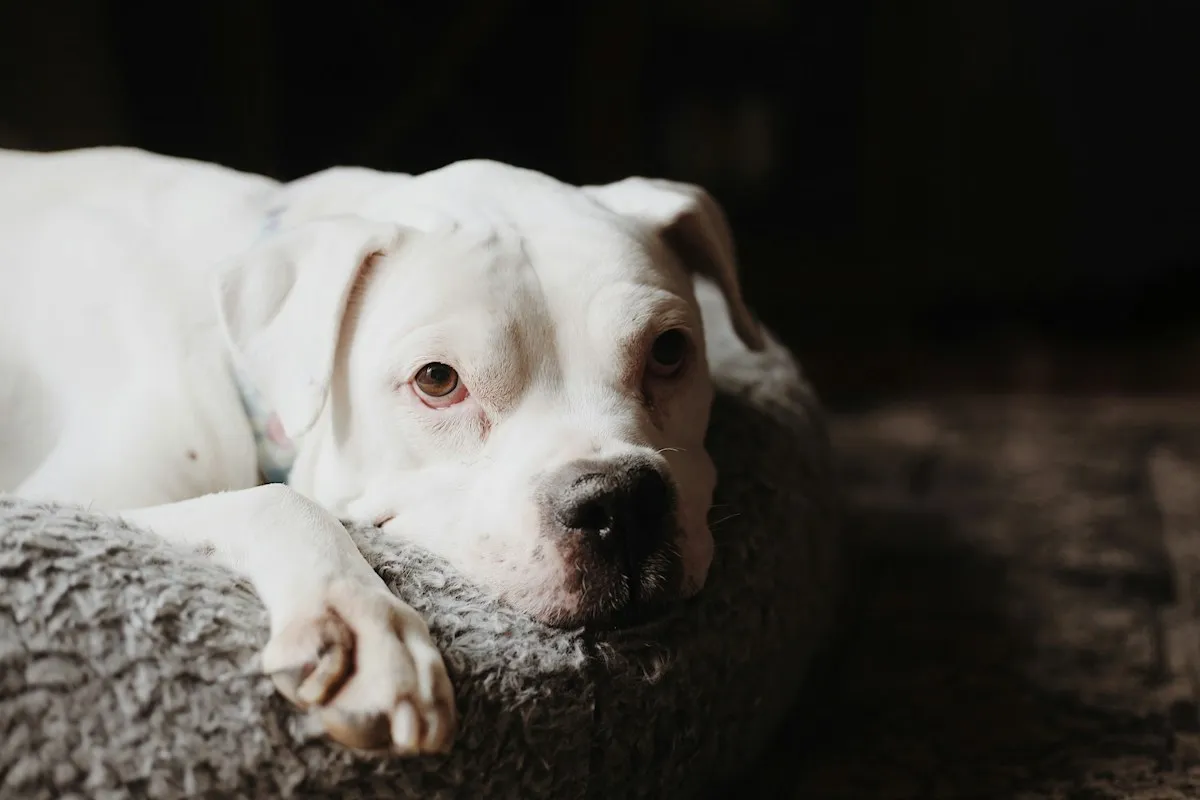
What is a muscle spasm or tremor?
A muscle spasm is an involuntary contraction of one muscle or a group of muscles. A tremor is a rhythmic, back-and-forth shaking of a body part. Fasciculations are fine, flickering twitches under the skin. All of these differ from seizures in one important way: the dog remains conscious, looks at you, and responds when you call. For more on whole-body shaking and panting, read our guide on why dogs shake, tremble and pant, and for fits, see our dog seizure first aid guide.
| Feature | Muscle spasm / tremor | Seizure |
|---|---|---|
| Awareness | Alert, looks at you, follows commands | Usually unaware, glassy-eyed, does not respond |
| Can you interrupt it? | Often lessens when the dog focuses on a treat or changes position | Cannot be interrupted |
| Urination, drooling, jaw chomping | Uncommon | Common |
| Afterwards | Normal quickly | Confusion, wobbling, temporary blindness (post-ictal phase) |
Normal, harmless reasons for twitching
- Dreaming: paw paddling, whisker twitches and soft barks during deep sleep. The dog wakes normally.
- Cold: small, short-coated breeds and puppies shiver easily in North Indian winters.
- Fear and excitement: vet visits, thunder, Diwali firecrackers, or the joy of seeing you come home.
- Developing nerves in puppies: mild jerks during sleep in young puppies.
- Muscle fatigue: trembling hind legs after a long run or a hike, especially in older or unfit dogs.
Medical causes of muscle spasms and tremors
1. Eclampsia (milk fever) in nursing mother dogs
Eclampsia, also called puerperal tetany, is a life-threatening drop in blood calcium in a mother dog, usually 1 to 4 weeks after giving birth, when milk production is highest. It can occasionally appear in late pregnancy. Calcium is essential for normal nerve and muscle function; when it falls, nerves fire uncontrollably.
Who is at risk: small breeds such as Pomeranians, Chihuahuas, Shih Tzus, Pugs and Spitz; mothers with large litters; mothers on home-cooked or poorly balanced diets; and, surprisingly, mothers given high-dose calcium supplements during pregnancy, which switches off the body’s own calcium-regulating hormone.
Signs, from early to severe:
- Restlessness, whining, pacing, ignoring or moving away from the puppies
- Heavy panting and drooling
- Stiff, stilted walking and muscle tremors
- Rubbing the face, facial twitching
- Very high body temperature, often above 40 to 41°C
- Collapse, rigid limbs, seizures
What to do: this is an emergency. Remove the puppies, keep the mother cool with a fan and damp towels (not ice), and go to a vet immediately. Vets give calcium gluconate slowly into a vein while monitoring the heart, because giving it too fast can cause dangerous heart rhythms. Most mothers improve dramatically within minutes. Afterwards, the puppies are usually supplemented with puppy milk replacer or weaned early (if old enough), and the mother receives oral calcium and a complete lactation diet. Do not give calcium tablets by mouth to a collapsing or seizing dog.
2. Canine distemper twitching (myoclonus)
Distemper virus can damage the nervous system weeks to months after the initial illness of fever, cough and eye and nose discharge. A classic sign is myoclonus: a rhythmic, repetitive jerk of a muscle group, such as a leg, the head or the jaw, which continues even while the dog sleeps. It is often permanent, though many dogs adapt and live comfortably. Other nervous signs include “chewing-gum” fits, head tilt, weakness and thickened paw pads (hard pad). Distemper remains common in unvaccinated puppies and street dogs in India. There is no antiviral cure; treatment is supportive, and medicines such as levetiracetam, gabapentin or other drugs are sometimes tried to reduce the jerking.
3. Low blood sugar (hypoglycaemia)
Toy-breed puppies that skip meals, have worms, or become cold can quickly develop low blood sugar: trembling, weakness, wobbling, dullness and then seizures. Adult dogs on insulin, dogs with a pancreatic tumour (insulinoma) and dogs that eat xylitol-containing sugar-free gum or sweets are also at risk. While heading to the vet, rub a small amount of honey on the gums of a conscious dog.
4. Poisoning
Whole-body tremors are a common sign of poisoning. In India, important culprits include:
- Organophosphate and carbamate pesticides: used on crops, gardens and for household insects. Signs include tremors, heavy drooling, tears, vomiting, diarrhoea, frequent urination, small pupils and breathing difficulty.
- Mouldy food from garbage: mouldy bread, rotting food and compost can contain tremor-causing mycotoxins.
- Snail and slug bait (metaldehyde).
- Chocolate, coffee and energy drinks (theobromine and caffeine).
- Xylitol in sugar-free gum, mints and some peanut butters.
- Overdose of flea and tick products, or using dog permethrin products on cats.
- Marijuana and other recreational drugs.
5. Electrolyte problems, dehydration and heat
Low calcium, low potassium, low magnesium and severe dehydration can all cause twitching or weakness. Heatstroke in Indian summers can cause muscle tremors before collapse.
6. Pain
Painful dogs often tremble. A dog with a slipped disc (IVDD) may have a hunched back and shaking hind legs; arthritic seniors may tremble after walks. Abdominal pain from pancreatitis can also cause trembling.
7. Breed-related tremor syndromes
- Idiopathic head tremors: a “yes-yes” or “no-no” bobbing of the head in Bulldogs, Boxers, Dobermans and others, lasting seconds to minutes. Dogs are fully aware, and the tremor often stops when they focus on a treat. Usually harmless.
- Generalised tremor syndrome (“shaker” syndrome): whole-body tremors in young adult small dogs, classically white breeds such as Maltese and West Highland White Terriers. It is thought to be inflammatory and usually responds well to steroids prescribed by a vet.
- Senior hind-leg tremors: trembling back legs in older large dogs, often linked to muscle loss, arthritis or lumbosacral disease.
When muscle spasms are an emergency
- A mother dog that recently gave birth and is trembling, panting or stiff
- A toy puppy that is weak, cold or trembling
- Possible poisoning
- Tremors with vomiting, drooling, collapse or high temperature
- The dog becomes dull, confused or unresponsive
- Tremors that are worsening or do not stop within a few minutes
How vets diagnose and treat muscle spasms
Your vet will ask about recent whelping, vaccinations, toxin access, diet and exercise, and will do a full physical and neurological exam. A short phone video is extremely helpful. Tests may include blood glucose, calcium (ideally ionised calcium), electrolytes, biochemistry, a blood count, distemper and tick fever tests, X-rays, and in some cases MRI and cerebrospinal fluid analysis.
Treatment depends on the cause: IV calcium or glucose, decontamination and antidotes for poisoning, active cooling or warming, IV fluids, muscle relaxants such as methocarbamol, pain relief, and anti-inflammatory treatment for shaker syndrome. For mild muscle fatigue, rest, gentle massage and warm compresses help.
Part 2: Swollen lymph nodes (swollen glands) in dogs
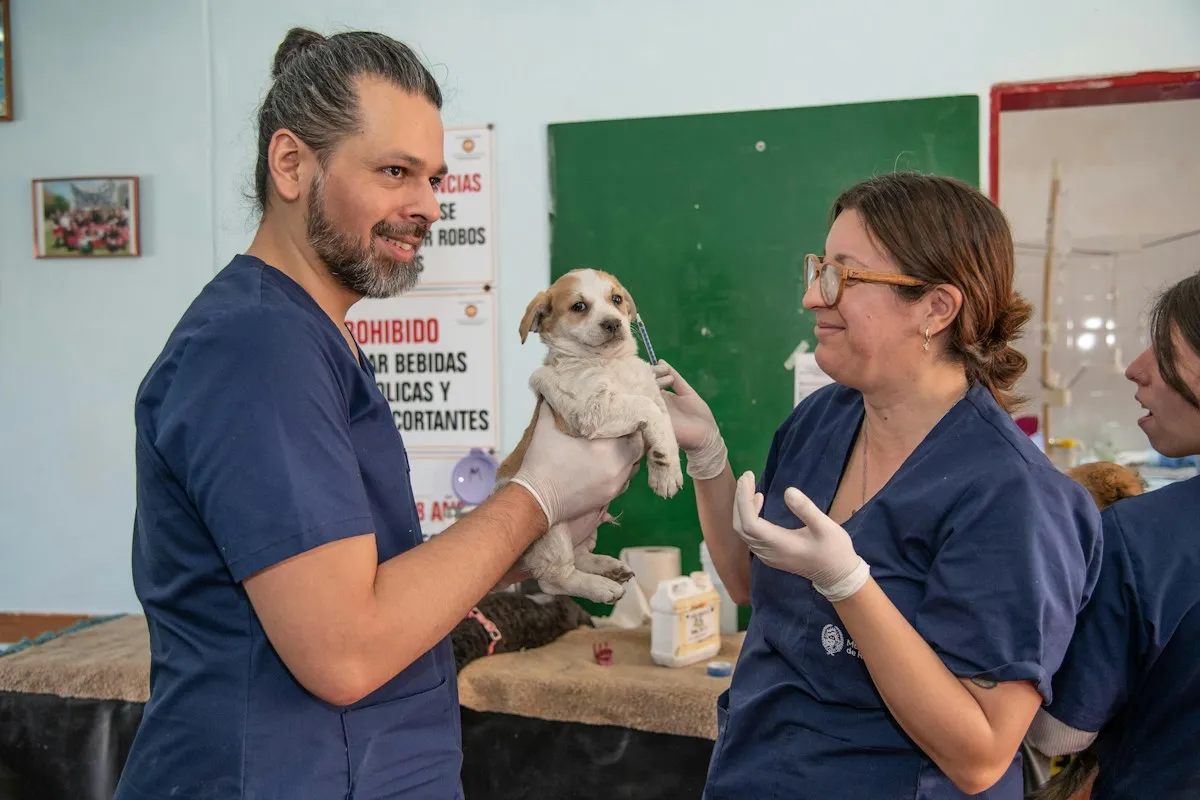
What are lymph nodes?
Lymph nodes are small, bean-shaped filters spread throughout the body. They are packed with white blood cells called lymphocytes and trap germs, cancer cells and debris carried in lymph fluid. When they are working hard to fight an infection or inflammation, they enlarge (reactive lymphadenopathy). They also enlarge when cancer cells grow inside them.
The 5 lymph node pairs you can feel at home
| Lymph node | Where to feel it | What it drains (what may cause swelling) |
|---|---|---|
| Submandibular | Under the jaw, just behind the angle of the lower jaw on each side | Mouth, teeth, gums, face, ears: dental infections, mouth ulcers, ear and skin infections |
| Prescapular (superficial cervical) | In front of each shoulder blade, at the base of the neck, buried in a little fat | Neck, chest wall, front legs |
| Axillary | In the armpit; usually not felt unless enlarged | Chest wall, front legs, front mammary glands |
| Inguinal | In the groin, where the hind leg meets the belly | Belly skin, back mammary glands, genitals, hind legs |
| Popliteal | Behind each knee, in the soft area at the back of the hind leg | Lower hind leg and paw: paw infections, interdigital cysts |
How to check: once a month, while your dog is relaxed, gently run your fingertips over each location on both sides and compare left with right. Normal nodes in an adult dog are usually pea- to grape-sized depending on body size, smooth, movable and not painful. Note anything that is larger, firmer, uneven or painful.
One swollen node vs many swollen nodes
- One node or one region enlarged usually points to a local problem in the area it drains, such as a tooth root abscess, an infected wound, a paw infection or a nearby tumour.
- Many nodes enlarged at the same time (generalised lymphadenopathy) points to a whole-body problem: tick fever, other systemic infections, immune disease, or lymphoma.
Causes of swollen lymph nodes in Indian dogs
- Tick-borne diseases: ehrlichiosis and anaplasmosis are among the most common reasons for generalised node enlargement in India, often with fever, poor appetite, low platelets and bleeding. See our tick fever guide.
- Dental disease: tartar, gum infection and tooth root abscesses enlarge the submandibular nodes.
- Skin disease: severe flea or tick infestation, deep pyoderma, and generalised demodectic mange can enlarge many nodes.
- Wounds and abscesses: bite wounds, maggot wounds and infected paws.
- Leishmaniasis: a sandfly-borne parasite reported in parts of India, causing node enlargement, weight loss and skin lesions.
- Fungal infections and some bacterial infections.
- Immune-mediated diseases such as immune-mediated polyarthritis.
- Vaccination: a mild, short-lived enlargement of the nearest node can occur.
- Cancer: most importantly multicentric lymphoma, and spread from other tumours such as mast cell tumours, melanoma and mammary cancer.
Lymphoma: what every dog parent should know
Lymphoma is one of the most common cancers in dogs, typically in middle-aged and older dogs. Golden Retrievers, Labradors, Boxers, Rottweilers, German Shepherds and Cocker Spaniels are among the breeds at higher risk. The classic sign is firm, painless enlargement of several lymph nodes at once, often the jaw and knee nodes first, sometimes 3 to 10 times normal size, in a dog that otherwise seems well. Later signs include tiredness, poor appetite, weight loss, increased thirst and breathing difficulty.
Lymphoma is treatable, though usually not curable. Multi-drug chemotherapy protocols put a large majority of dogs into remission, typically giving several months to over a year of good-quality life, and dogs generally tolerate chemotherapy far better than people do. Without treatment, survival is often only weeks to a couple of months. Steroids alone may help briefly, but starting steroids before diagnosis can make lymphoma harder to diagnose and less responsive to chemotherapy later.
How vets find the cause
- Physical examination: checking all node pairs, the mouth, skin, paws, abdomen and temperature.
- Fine needle aspirate (FNA): a thin needle collects cells from the node in a few seconds, usually without sedation. Cytology often distinguishes reactive nodes, infections and lymphoma.
- Blood tests: complete blood count, biochemistry, tick fever tests (blood smear, SNAP 4Dx, PCR), and calcium (high calcium can accompany lymphoma).
- Imaging: chest X-rays and abdominal ultrasound to check internal nodes, spleen and liver.
- Biopsy, flow cytometry or PCR for clonality (PARR): to confirm lymphoma and identify whether it is B-cell or T-cell, which affects treatment and prognosis.
Treatment of swollen lymph nodes
- Doxycycline and supportive care for tick fever
- Antibiotics and dental treatment for tooth and gum infections
- Drainage and wound care for abscesses
- Tick and flea control, and treatment of mange or skin infection
- Antifungal or antiparasitic medicines when indicated
- Immune-suppressive medicines for immune diseases, after infection and cancer are ruled out
- Chemotherapy for lymphoma, usually in consultation with a veterinary oncologist
Reactive nodes usually shrink back to normal within 2 to 4 weeks after the cause is treated. If they do not, your vet will look again.
When swollen nodes are urgent
- Many nodes enlarged at once
- Swollen nodes with fever, lethargy, poor appetite, pale gums, bleeding or vomiting
- Breathing difficulty or noisy breathing (enlarged nodes in the chest or neck can press on airways)
- A node that is growing quickly
Prevention tips
- Complete DHPPi vaccination to prevent distemper.
- Feed pregnant and nursing dogs a complete puppy or lactation diet; do not add calcium supplements unless your vet prescribes them.
- Feed toy puppies small meals 4 times a day and keep them warm.
- Store pesticides, rat and snail bait, chocolate and sugar-free products securely; keep dogs out of garbage.
- Use year-round tick and flea prevention.
- Brush teeth and schedule dental checks.
- Check your dog’s lymph nodes monthly and book a vet visit for any new lump.
Frequently asked questions
Why is my dog’s back leg twitching while awake?
Brief twitching can be muscle fatigue or a minor cramp. Persistent rhythmic jerking, especially in a young dog with a history of illness, may be distemper myoclonus. Pain from the spine or joints can also cause trembling. Record a video and see your vet.
How long after giving birth can a dog get milk fever?
Most cases occur 1 to 4 weeks after whelping, at peak milk production, but it can happen just before or shortly after birth.
Can I give my nursing dog calcium tablets to prevent eclampsia?
Only on your vet’s advice, and usually only after the puppies are born. Calcium supplements during pregnancy can actually increase the risk.
Are swollen lymph nodes in dogs always cancer?
No. Most swollen nodes are reactive to infection or inflammation, especially tick fever, dental and skin infections. But because lymphoma is common, every enlarged node should be checked with a needle sample.
Do swollen lymph nodes hurt?
Reactive nodes from an infection can be tender. Lymphoma nodes are often firm and painless, which is why they are easy to miss.
This article is for education and does not replace a veterinary examination. A trembling nursing mother dog or a dog with many swollen lymph nodes should be seen by a vet promptly.
Related Articles
- Bloody Diarrhoea in Dogs (Raspberry Jam Stool): Colitis vs Hookworms vs Parvo vs AHDS in Indian Dogs
- Lumps, Fatty Tumours, Warts and Cancer on Dogs: When a Lump Needs a Vet Check
- Why Is My Dog Shaking, Trembling or Panting at Night? Cold, Fear, Fever, Pain and Poisoning
- Dog Pooping Blood in India: Red Blood (Hematochezia) vs Black Tarry Stool (Melena), Causes and When To See a Vet
References
- Morrison BJ. Dog Muscle Spasms: Common Causes and When To Call Your Vet. PetMD, 2024.
- Kleszynski B. Swollen Lymph Nodes in Dogs: Common Causes and Treatment. PetMD, 2024.
- Ettinger SJ, Feldman EC, Côté E. Textbook of Veterinary Internal Medicine. Elsevier.
- Vail DM, Thamm DH, Liptak JM. Withrow and MacEwen’s Small Animal Clinical Oncology. Elsevier.
- Merck Veterinary Manual. Puerperal hypocalcemia in small animals.
More on Dog Diseases and Infections

Anaemia in Dogs and Cats: Pale Gums, Tick Fever, Hookworms and IMHA, Reading the Hb and PCV Report, and Why Iron Tonics Are Not Enough
Pale gums or weakness in your dog? Causes of anaemia in India like tick fever, worms and rat poison, tests, treatment and…
Liver Disease in Dogs: Yellow Eyes, High SGPT and ALP Explained, Indian Toxins That Destroy the Liver, and What to Feed
Yellow gums, vomiting or high liver values? Causes in India, tests, treatment, liver-friendly diet and what raised ALT really means.