 Written and reviewed by Dr. Vaishnavi Karmawat, B.V.Sc. & A.H., Registered Veterinary Practitioner

Poisoning is one of the most common emergencies in Indian dogs and cats, and it often happens at home: a box of festival sweets left on a table, a strip of paracetamol, a bowl of grapes, rat poison behind the fridge, or a grain-storage tablet in the store room. Speed matters more than anything else. Many poisons can be removed or blocked if a vet acts within the first one to two hours, before symptoms appear. This guide explains what to do in the first hour, the main groups of poisons with their effects and treatment, and how Indian rat poisons differ from one another.
In this article
- First aid: what to do in the first hour
- What not to do
- Toxic foods
- Rat poisons in India: know the type
- Insecticides, tick products and household chemicals
- Human medicines
- Toxic plants common in Indian homes and gardens
- Quick chart: common poisons for dogs and cats in India
- How vets treat poisoning
- Prevention
- Frequently asked questions
Key Takeaways
- Many poisons can be removed or blocked if a vet acts in the first one to two hours, before symptoms appear.
- Call a vet immediately, even if your pet looks normal, and take the packet or label with you.
- Do not make your pet vomit with salt, oil or other home remedies unless a vet tells you to.
- Chocolate, grapes, onion, garlic, xylitol, human medicines and rat poisons are common causes in Indian homes.
- Different rat poisons need different treatments, so knowing the type helps your vet.
If you think your pet has eaten something toxic, call a vet now, even if your pet looks normal. Take the packet, label or a photo, note the time, and estimate how much was eaten and your pet’s weight. For chocolate, use our chocolate toxicity calculator on the way.
First aid: what to do in the first hour
- Remove your pet from the source and pick up any remaining material.
- Call your vet or nearest emergency clinic and say you are on your way.
- Collect information: product name and active ingredient, strength, amount missing, time eaten, your pet’s weight.
- Bring the packaging, a sample of the plant, or vomit if your pet has already vomited.
- If the poison is on the skin or coat (for example a tick dip or oil), wear gloves and wash with lukewarm water and a mild dish soap. Put an Elizabethan collar on if available to stop licking.
- If it is in the eyes, flush gently with clean lukewarm water for 10 to 15 minutes.
- Keep your pet calm and warm, and travel safely.
What not to do
- Do not make your pet vomit at home with salt, mustard, soap water or hydrogen peroxide unless a vet specifically tells you to. Salt can cause fatal salt poisoning; hydrogen peroxide can ulcerate the stomach.
- Do not induce vomiting after corrosives (acids, alkalis, toilet cleaners), petroleum products (kerosene, petrol), sharp objects, or in a pet that is drowsy, convulsing or having trouble breathing.
- Do not give milk, oil, ghee or “home antidotes”. They do not neutralise poisons and can speed absorption of some.
- Do not wait for symptoms. With grapes, xylitol, paracetamol and rat poison, signs appear only after serious damage has started.
Toxic foods
| Food | Toxic substance and effect | Typical signs | Key treatment |
|---|---|---|---|
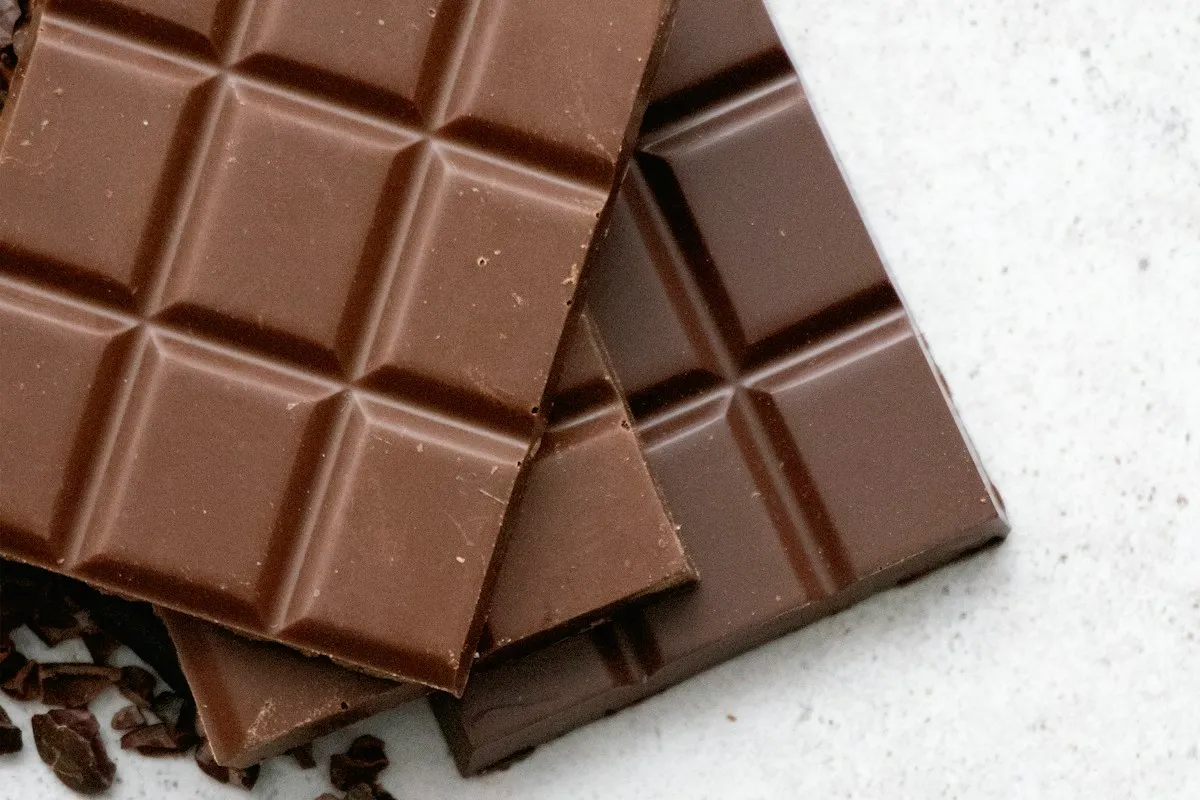
| Chocolate, cocoa, coffee, tea, energy drinks | Methylxanthines (theobromine and caffeine) stimulate the heart and nervous system | Vomiting, restlessness, fast heart rate, tremors, seizures | Induced vomiting, repeated activated charcoal, IV fluids, heart and seizure medicines |
| Grapes, raisins (kishmish), currants | Thought to be tartaric acid; causes acute kidney injury | Vomiting within hours, then reduced urine, dullness after 1 to 3 days | Induced vomiting, charcoal, IV fluids for at least 48 hours, kidney tests |
| Onion, garlic, chives, leeks (raw, cooked, powder) | Damage red blood cells (Heinz body anaemia) | Pale gums, weakness, red-brown urine, often 1 to 5 days later | Decontamination, monitoring blood count, transfusion if severe |
| Xylitol (sugar-free gum, some peanut butters, sweets, toothpastes) | Massive insulin release, low blood sugar; liver failure at higher doses | Weakness, wobbling, collapse, seizures within 15 to 60 minutes | Glucose, liver protection, hospital monitoring |
| Macadamia nuts | Unknown toxin | Weakness of hind legs, tremors, fever | Supportive care |
| Raw yeast dough | Expands in the stomach and produces alcohol | Bloated belly, drunkenness, low sugar | Decontamination, sometimes surgery |
| Alcohol | Nervous system depression, low blood sugar | Wobbling, vomiting, slow breathing, coma | Supportive care |
| Fatty, fried, ghee-rich leftovers | Can trigger pancreatitis | Vomiting, belly pain, dullness | Hospital care |
| Cooked bones | Obstruction and perforation | Vomiting, straining, pain | Endoscopy or surgery |
See also can dogs eat grapes and our chocolate calculator.
How much chocolate is dangerous?
Toxicity depends on the type of chocolate and the dog’s weight. Mild signs can start at about 20 mg/kg of theobromine plus caffeine, heart effects at 40 to 50 mg/kg, and seizures at about 60 mg/kg or more. Cocoa powder and dark chocolate are far more dangerous than milk chocolate; white chocolate contains very little theobromine but is still fatty. Our calculator does the maths for you.
Rat poisons in India: know the type
Rat and mouse poisons are among the most dangerous poisons for Indian pets, and the treatment depends entirely on the active ingredient. Always take the packet to the vet.
| Type | Common Indian forms | How it harms | Signs and timing | Treatment |
|---|---|---|---|---|
| Anticoagulants (bromadiolone, brodifacoum, warfarin) | Coloured wax blocks, cakes and pellets | Block vitamin K recycling so blood cannot clot | Often no signs for 3 to 5 days, then weakness, pale gums, bleeding, coughing or breathing difficulty from bleeding into the chest | Early: induced vomiting and charcoal. Later: vitamin K1 for 3 to 6 weeks, plasma or blood transfusion if bleeding. Clotting test (PT) after the course |
| Zinc phosphide | Grey-black powder or baits, cheap “rat kill” products | Releases toxic phosphine gas in the acid stomach | Vomiting (vomit may smell of garlic or rotten fish), belly pain, breathing difficulty, collapse, within 15 minutes to 4 hours | Emergency decontamination in a well-ventilated area; supportive care; no antidote. Vomit can expose people to the gas |
| Yellow phosphorus paste | Paste-type rodenticides | Corrosive to the gut; liver and kidney damage | Early vomiting (sometimes luminous, garlic smell), then an apparent recovery, then liver failure and bleeding after 2 to 3 days | Urgent decontamination and intensive liver support; guarded outlook |
| Bromethalin | Less common in India; some imported baits | Brain swelling | Tremors, weakness, paralysis, seizures | Decontamination, charcoal; no antidote |
| Cholecalciferol (vitamin D3) | Some baits | Very high blood calcium, kidney and heart damage | Thirst, vomiting, kidney failure over 1 to 3 days | Decontamination, fluids, calcium-lowering drugs, long monitoring |
Aluminium phosphide grain-storage tablets (sold for protecting stored wheat and rice) also release phosphine gas and are frequently fatal to pets and people. Keep them locked away, and if a pet eats one, keep the vomit and the pet in a well-ventilated area or outside and go to a vet immediately.
Insecticides, tick products and household chemicals
- Organophosphates and carbamates (some crop sprays, cockroach and ant products, old tick powders): drooling, pinpoint pupils, vomiting, diarrhoea, muscle twitching, breathing difficulty. Treated with atropine, decontamination and supportive care.
- Permethrin and pyrethroid dog products used on cats: tremors, twitching and seizures in cats. Never use dog spot-ons or sprays on cats.
- Amitraz (some tick dips and collars): sleepiness, slow heart rate, low blood sugar, bloating. Has a specific reversal drug.
- Ivermectin-type drugs in high doses, especially in Collies, Australian Shepherds and some mixed breeds with the MDR1 gene: wobbling, blindness, coma.
- Phenyl and floor cleaners, toilet cleaners, bleach, acids and caustic soda: mouth and food pipe burns, drooling, refusing food. Do not induce vomiting; rinse the mouth and see a vet.
- Kerosene, petrol and thinners: risk of severe pneumonia if inhaled or vomited. Do not induce vomiting.
- Mosquito coils, liquid vaporiser refills and camphor (kapoor): camphor can cause seizures if eaten.
- Zinc (some coins, ointments, supplements) and lead (old paint, fishing weights): anaemia and organ damage.
- Essential oils such as tea tree, eucalyptus, clove, wintergreen and pennyroyal: wobbling, drooling, liver damage, especially in cats.
Human medicines
- Paracetamol (Crocin, Dolo, Calpol): in cats, even a fraction of a tablet causes methaemoglobinaemia (brown gums, breathing difficulty, swollen face) and death; in dogs, higher doses damage the liver and red blood cells. Antidote: acetylcysteine. See paracetamol for dogs.
- Ibuprofen, diclofenac, naproxen, nimesulide, aspirin: stomach ulcers, vomiting blood, kidney failure.
- Antidepressants, ADHD medicines, sleeping pills, blood pressure and heart medicines: agitation, tremors, heart rhythm problems or deep sedation.
- Cold and cough medicines with decongestants (pseudoephedrine, phenylephrine): racing heart, high temperature, seizures.
- Vitamin D and iron supplements in overdose.
- Cannabis (bhang, edibles): wobbling, dribbling urine, dilated pupils, sensitivity to sound.
Antihistamines such as cetirizine are sometimes used by vets, but doses and products must be checked. See cetirizine and Avil for dogs.
Toxic plants common in Indian homes and gardens
- Oleander (kaner): all parts affect the heart; vomiting, slow or irregular heartbeat, collapse
- Sago palm (cycas): liver failure; seeds most toxic
- Lilies: in cats, even pollen or vase water can cause fatal kidney failure
- Dieffenbachia, money plant (pothos), philodendron, peace lily: mouth irritation, drooling, swelling
- Aloe vera: vomiting and diarrhoea if eaten
- Datura: dilated pupils, fast heart, agitation
- Castor seeds: severe vomiting, bloody diarrhoea, collapse
- Wild mushrooms: some cause liver failure
Quick chart: common poisons for dogs and cats in India
| Poison | Where pets find it in India | Why it is dangerous | What to do |
|---|---|---|---|
| Chocolate | Dairy Milk, cocoa powder, cakes, Diwali sweets | Theobromine causes vomiting, a racing heart, tremors and seizures. Dark and baking chocolate are the most dangerous. | Call a vet now. Note the type and amount eaten. |
| Grapes and raisins | Kishmish in kheer, halwa and dry-fruit boxes | Can cause sudden kidney failure, even in small amounts. | Go to a vet immediately, even if your pet seems fine. |
| Onion, garlic and chives | Curries, pakoras, leftover roti and sabzi | Damage red blood cells and cause anaemia; signs can appear days later. | Call a vet. Never feed spiced leftovers. |
| Xylitol | Sugar-free gum, sweets, some peanut butter | Causes a sharp drop in blood sugar and liver failure in dogs. | Emergency: go to a vet straight away. |
| Paracetamol | Crocin, Dolo 500 / 650 | Damages the liver and stops blood carrying oxygen. Cats can die from a single tablet. | Never give it. Go to a vet immediately. |
| Rat poison | Rat cakes and pellets | Causes internal bleeding or brain swelling; signs may take days. | Go to a vet and take the packet with you. |
| Pesticides and insecticides | Farm and garden sprays, tick powders used wrongly | Drooling, tremors, breathing trouble and seizures. | Wash the skin with soap and water and see a vet. |
| Phenyl and floor cleaners | Phenyl, toilet and floor cleaners | Burns the mouth and stomach; cats are very sensitive. | Rinse the mouth with water and call a vet. |
| Kaner (oleander) | Garden hedges and roadside plants | Affects the heart rhythm and can be fatal. | Go to a vet urgently. |
Never try to make your pet vomit with salt water, mustard oil, ghee or milk. Call your vet or the 1962 animal helpline in your state.
How vets treat poisoning
- Induced vomiting (emesis) with a prescription drug such as apomorphine (dogs) or dexmedetomidine or xylazine (cats), usually within 1 to 2 hours for most toxins and sometimes longer for chocolate or grapes. Not done for corrosives, hydrocarbons or sedated pets.
- Gastric lavage (stomach washing) under anaesthesia in some cases.
- Activated charcoal to bind remaining toxin in the gut; sometimes repeated for chocolate and some drugs.
- IV fluids to support kidneys, blood pressure and toxin elimination.
- Specific antidotes: vitamin K1 (anticoagulant rat poisons), acetylcysteine (paracetamol), atropine (organophosphates), atipamezole (amitraz), lipid emulsion for some fat-soluble drugs, and others.
- Supportive care: anti-seizure medicines, heart rhythm medicines, gut protectants, blood products, oxygen and nursing care.
- Blood tests at intervals: kidney values after grapes, clotting times after rat poison, liver values after xylitol or paracetamol, red cell counts after onion.
🩺 Dr. Vaishnavi’s Clinical Picks (Available on Amazon India)
A thermometer is handy in any pet first-aid kit. Poisoning always needs a vet.
Check temperature at home before calling the vet
As an Amazon Associate, I earn from qualifying purchases. This costs you nothing extra.
Prevention
- Keep chocolates, sweets, dry fruits (kishmish), grapes and onion-garlic dishes out of reach, especially during Diwali, weddings and parties. See Diwali safety for dogs and cats.
- Store all medicines in closed cupboards; never leave strips on bedside tables.
- Use rat traps or pet-safe bait stations placed where pets cannot reach, and tell your vet which product your pest-control service uses.
- Lock away grain-storage tablets, insecticides, phenyl and toilet cleaners.
- Use only vet-recommended tick and flea products, at the right dose for the right species and weight.
- Check plants before bringing them home, and remove lilies from homes with cats.
- Save your vet’s number and the nearest 24-hour clinic in your phone.
Frequently asked questions
How much chocolate is toxic to a dog?
It depends on the chocolate type and your dog’s weight. Dark chocolate and cocoa powder are most dangerous. Use our chocolate calculator and call your vet.
My dog ate one grape. Should I worry?
Yes, contact a vet. There is no proven safe amount, and some dogs develop kidney injury after a small number of grapes or raisins. Early decontamination is far easier than treating kidney failure.
Can I make my dog vomit at home with salt?
No. Salt can cause dangerous sodium poisoning, brain swelling and death. Only a vet should induce vomiting, using safe medicines.
How long after eating something toxic will a dog show symptoms?
It varies: xylitol and organophosphates within minutes to an hour; chocolate within 2 to 12 hours; grapes, onion and anticoagulant rat poison after 1 to 5 days. Do not wait for symptoms.
Is paracetamol safe for dogs or cats?
No. Never give paracetamol to a cat. For dogs, only a vet should decide whether any painkiller is safe, and at what dose. Many dogs are poisoned by well-meant human medicines.
What should I do if my dog ate rat poison?
Go to a vet immediately with the packet. If it is an anticoagulant and treated early, vomiting and vitamin K1 are very effective. Zinc phosphide and phosphorus pastes are more dangerous and need urgent hospital care.
Recommended reading
- The Ultimate Dog Owner’s Handbook by Dr. Vaishnavi Karmawat (Kindle eBook on Amazon)
- The Ultimate Cat Owner’s Handbook by Dr. Vaishnavi Karmawat (Kindle eBook on Amazon)
- See all titles on the Books page.
Related Articles
- Heatstroke in Dogs in India: Stages, First Aid, Vet Treatment and 10 Cooling Foods
- Dog Seizures (Mirgi / Fits) First Aid Guide in India: What To Do During a Fit, Distemper vs Epilepsy and Safe Anti-Seizure Care
- Can I Give My Dog Paracetamol (Crocin or Dolo)? A Vet Explains
- Dog Bite in India: First Aid and Rabies Vaccine Schedule
References
- Merck Veterinary Manual. Chocolate Toxicosis in Animals; Rodenticide Poisoning in Animals; Overview of Toxicology.
- Gwaltney-Brant S. Rodenticides. In: Peterson ME, Talcott PA, eds. Small Animal Toxicology. 3rd ed. St. Louis: Elsevier Saunders; 2013.
- Wegenast CA, Meadows ID, Anderson RE, Southard T, González Barrientos CR, Wismer TA. Acute kidney injury in dogs following ingestion of cream of tartar and tamarinds and the connection to tartaric acid as the proposed toxic principle in grapes and raisins. Journal of Veterinary Emergency and Critical Care. 2022;32(6):812-816.
- Dunayer EK, Gwaltney-Brant SM. Acute hepatic failure and coagulopathy associated with xylitol ingestion in eight dogs. Journal of the American Veterinary Medical Association. 2006;229(7):1113-1117.
- Gupta RC, ed. Veterinary Toxicology: Basic and Clinical Principles. 3rd ed. Academic Press; 2018 (chapters on zinc phosphide, aluminium phosphide and organophosphates).
- Cope RB. Allium species poisoning in dogs and cats. Veterinary Medicine. 2005;100(8):562-566.
More on Dog Poisoning and Emergencies

Vomiting and Acidity Medicines for Dogs and Cats: Maropitant (Cerenia), Ondansetron, Pantoprazole and Famotidine
How vets use maropitant, ondansetron, famotidine and pantoprazole for vomiting and acidity in dogs and cats, and why diagnosis must come first.

How To Induce Vomiting in Dogs (And 6 Situations Where Making a Dog Vomit Is Deadly)
When and how vets make a poisoned dog vomit, when you must never induce vomiting, why cats are different, and which home…