 Written and reviewed by Dr. Vaishnavi Karmawat, B.V.Sc. & A.H., Registered Veterinary Practitioner

Short answer: some human antihistamines, such as plain cetirizine, plain chlorpheniramine and plain diphenhydramine, can be used in dogs at a vet-calculated dose. Avil (pheniramine) is widely used by Indian vets, mostly as an injection for sudden allergic reactions. But antihistamines only help a minority of itchy dogs, and many Indian cold and cough products that carry these names also contain ingredients that are dangerous for pets. Indian “Benadryl” is a cough syrup, not the plain allergy tablet sold in the US. Never give a combination product, and always confirm the dose with your vet first.
In this article
- How antihistamines work in dogs
- Indian products: what is actually in the bottle
- Typical doses vets use (for reference only)
- Who should not get antihistamines
- Side effects and overdose
- Itchy dog? Treat the cause, not just the itch
- Allergic reactions and anaphylaxis: go now
- Motion sickness and anxiety
- Frequently asked questions
- When to call a vet
- Related Articles
- References
Key takeaways
- Antihistamines block histamine (H1) receptors. They can ease mild hives, insect-sting swelling and some seasonal itch, but most itchy dogs have flea allergy, atopic dermatitis, mites or infection, and those need other treatment.
- Only single-ingredient products are ever considered. Decongestants (phenylephrine, pseudoephedrine), paracetamol, caffeine, dextromethorphan and xylitol in combination products can poison dogs and cats.
- Doses below are textbook ranges for healthy adult dogs. Glaucoma, heart disease, high blood pressure, urinary retention, seizures, pregnancy and other medicines change what is safe.
- Face swelling, hives with vomiting, or any breathing difficulty is an emergency (possible anaphylaxis). A tablet at home is not enough; go to a vet now.
How antihistamines work in dogs
When a dog meets an allergen, such as an insect sting, a vaccine component or a food protein, mast cells in the skin and airways release histamine and other chemicals. Histamine dilates blood vessels and makes them leaky, which causes redness, swelling (angio-oedema) and raised wheals (urticaria or hives), and it stimulates itch nerves.
First-generation antihistamines such as diphenhydramine, chlorpheniramine, pheniramine (Avil) and hydroxyzine block H1 receptors and also cross into the brain, which is why they cause drowsiness. Second-generation drugs such as cetirizine, levocetirizine and loratadine cross less into the brain and cause less sedation.
Here is the catch: in canine atopic dermatitis, the most common allergic skin disease, itch is driven mainly by other chemical messengers (especially interleukin-31), not histamine. Controlled studies show antihistamines help only a small proportion of atopic dogs, and usually only partly. They work best for mild cases and as one part of a wider plan.
Indian products: what is actually in the bottle
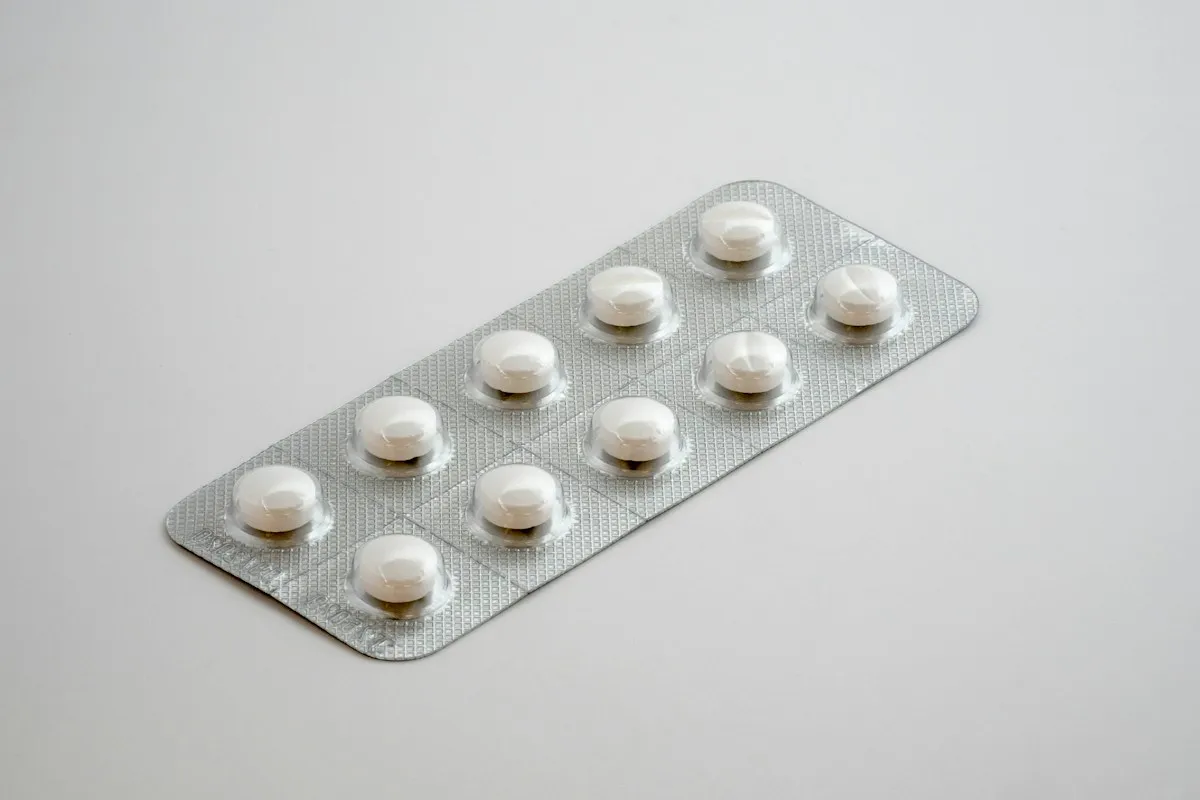
| Product as sold in India | Active ingredient(s) | Use in dogs? |
|---|---|---|
| Avil 25 mg tablet / Avil injection | Pheniramine maleate | Used by vets. Injection for acute reactions; tablets only on vet advice |
| Cetirizine 10 mg tablet (plain) | Cetirizine | Can be used at a vet-advised dose |
| Levocetirizine 5 mg tablet (plain) | Levocetirizine | Occasionally used; less veterinary data |
| Benadryl cough syrup (India) | Diphenhydramine plus ammonium chloride, sodium citrate, menthol; some versions add other drugs | No. Not the plain US allergy tablet |
| Cetirizine + phenylephrine + paracetamol “cold” tablets | Combination | Never: decongestant and paracetamol toxicity |
| Chlorpheniramine combination cold syrups | Combination, often with decongestants or alcohol | Never |
Always read the full composition on the strip. If it lists more than one ingredient, it is not suitable for your pet. See why paracetamol is dangerous for dogs and cats.
Typical doses vets use (for reference only)
These are standard ranges from veterinary drug references for plain, single-ingredient products in healthy adult animals. Your vet will choose the drug and dose for your pet’s weight, age and health. Do not use them to start treatment at home without advice.
| Drug | Dogs | Cats | Notes |
|---|---|---|---|
| Cetirizine | About 1 mg/kg by mouth once or twice daily (e.g. 10 kg dog: 10 mg) | Usually 1 mg/kg (about 5 mg per cat) once daily | Mild drowsiness, occasional vomiting; reduce in kidney or liver disease |
| Diphenhydramine (plain) | 2–4 mg/kg by mouth every 8–12 hours | Vet use only; usually 1–2 mg/kg | Sedation, dry mouth, urinary retention; overdose causes agitation and fast heart rate |
| Chlorpheniramine (plain) | About 4–8 mg per dog every 8–12 hours (not more than 0.5 mg/kg per dose) | 2–4 mg per cat every 8–24 hours | Bitter; cats may drool |
| Hydroxyzine (prescription) | About 2 mg/kg every 8–12 hours | Rarely used | Often the most effective antihistamine for itch; can lower the seizure threshold |
| Pheniramine (Avil) | Usually given by injection in clinic for acute reactions; oral dosing set by the vet | Vet use only | Sedation is common |
Most antihistamines take 1–2 hours to work. For itch, vets often try one antihistamine for 7–14 days and switch if there is no benefit, because individual dogs respond differently.
Who should not get antihistamines
- Dogs with glaucoma (anticholinergic effects can raise eye pressure)
- Dogs with heart disease, arrhythmias or high blood pressure
- Dogs with urinary retention or an enlarged prostate
- Dogs with seizure disorders (some antihistamines lower the seizure threshold)
- Pregnant or nursing dogs, and very young puppies, unless the vet decides otherwise
- Pets on sedatives, tramadol, gabapentin, some antidepressants or behaviour drugs (combined sedation)
- Pets with kidney or liver disease (doses often need lowering)
Side effects and overdose
- Common: sleepiness, dry mouth, mild vomiting or diarrhoea, reduced appetite.
- Less common: paradoxical excitement, especially in cats and small dogs, plus panting and difficulty urinating.
- Overdose: restlessness, dilated pupils, very fast heart rate, high temperature, tremors or seizures. Call a vet or the 1962 helpline at once and take the strip with you.
Itchy dog? Treat the cause, not just the itch

Most chronic itching in Indian dogs has a cause that antihistamines cannot fix:
- Fleas and ticks: even a few fleas trigger intense itch in allergic dogs. See flea allergy dermatitis and flea and tick prevention in India.
- Mites (mange): sarcoptic mange is extremely itchy and contagious.
- Bacterial and yeast skin infections: very common in the humid monsoon. See fungal skin infection in dogs.
- Atopic dermatitis (allergy to dust mites, pollen, moulds) and food allergy.
For moderate to severe allergic itch, vets have more effective options: oclacitinib (Apoquel), which blocks the itch signalling pathway; lokivetmab (Cytopoint), a monthly injection that neutralises interleukin-31 (availability in India varies); short courses of glucocorticoids (prednisolone); ciclosporin; plus medicated baths, omega-3 fatty acids and strict parasite control. A diet trial with a hydrolysed or novel-protein diet for 8 weeks is the only reliable test for food allergy.
Allergic reactions and anaphylaxis: go now
Insect stings, snake bites, vaccines and some drugs can trigger a fast, severe reaction. Watch for:
- Swollen face, lips, eyelids or muzzle (common after bee or wasp stings)
- Hives or raised bumps all over the body
- Vomiting or diarrhoea minutes after a sting, vaccine or new medicine
- Pale gums, weakness, collapse, or difficulty breathing
In anaphylaxis the most important drug is adrenaline (epinephrine), given by a vet, along with IV fluids, oxygen and corticosteroids. Antihistamines such as Avil or diphenhydramine injections are given as supporting treatment. If your dog has had a reaction to a vaccine before, tell your vet; they may pre-treat or change the vaccine.
Motion sickness and anxiety
Diphenhydramine is sometimes suggested for car sickness, but maropitant (Cerenia, a vet medicine) prevents vomiting far better without heavy sedation. For travel anxiety or fear of firecrackers, sedating antihistamines are unreliable. Ask your vet about proper anxiety medicines and behaviour plans. See Diwali firecracker safety for pets.
Frequently asked questions
Can I give my dog half a cetirizine tablet for itching?
Only after your vet confirms it suits your dog and gives the dose. A typical adult dog dose is around 1 mg per kg, but heart, kidney and eye problems and other medicines change this. Make sure the strip contains only cetirizine.
Is Indian Benadryl syrup safe for dogs?
No. In India “Benadryl” is a cough syrup containing diphenhydramine plus several other ingredients. It is not equivalent to the plain diphenhydramine allergy tablet discussed on US websites. Do not give it to pets.
My dog was stung by a bee and the face is swelling. What should I do?
Go to the nearest vet. Mild swelling often settles with an antihistamine or steroid injection, but swelling can spread to the throat. Remove a visible sting by scraping it sideways with a card (do not squeeze it), and apply a cold compress on the way.
Can cats take cetirizine?
Yes, sometimes, at a vet-advised dose (commonly around 5 mg per cat once daily). Cats are sensitive to many human drugs, so never guess the dose.
How long can my dog stay on an antihistamine?
Plain cetirizine is often used long-term in dogs that respond to it, with periodic vet checks. If there is no clear benefit after 2 weeks, it is unlikely to help, and your vet should look for the real cause of the itch.
When to call a vet
Call a vet before giving any antihistamine. Go immediately for face swelling, hives with vomiting, breathing difficulty, collapse, or if your pet swallowed a cold or cough medicine.
Related Articles
- Gabapentin and Trazodone for Dogs and Cats: Uses, Doses, Side Effects (and Why Human Sleeping Pills Are Dangerous)
- Mange (Kharish) in Dogs and Street Dogs: Sarcoptic Scabies vs Demodex, Treatment and Human Risk
- Dog Hair Fall: Normal Shedding or a Skin Problem?
- Why Is My Dog Itching and Losing Hair? Fleas, Mange, Pyoderma, Yeast and Allergies Explained
References
- Plumb DC. Plumb’s Veterinary Drug Handbook, 10th ed.: cetirizine, diphenhydramine, chlorpheniramine, hydroxyzine monographs.
- Merck Veterinary Manual: Antihistamines (systemic pharmacotherapeutics of the integumentary system).
- Olivry T, et al. Treatment of canine atopic dermatitis: 2015 updated guidelines from the International Committee on Allergic Diseases of Animals (ICADA). BMC Vet Res 2015.
- Shmalberg J, et al. Anaphylaxis in dogs and cats. Vet Clin North Am Small Anim Pract 2020.
More on Dog Skin and Allergies

Bravecto vs Simparica vs NexGard for Dogs: Tick and Flea Tablets, Weight Charts, Fake Tablet Checks and Seizure Precautions
Bravecto vs Simparica vs NexGard: how each kills ticks and fleas, how long it lasts, weight bands, seizure precautions and spotting fake…
Amoxicillin, Amoxicillin-Clavulanate and Cephalexin for Dogs and Cats: Skin Infections, Wounds and Why Stopping Early Causes Relapse
Amoxicillin, Augmentin-type combinations and cephalexin for dogs and cats: uses, course length, storage, side effects and antibiotic resistance.