 Written and reviewed by Dr. Vaishnavi Karmawat, B.V.Sc. & A.H., Registered Veterinary Practitioner
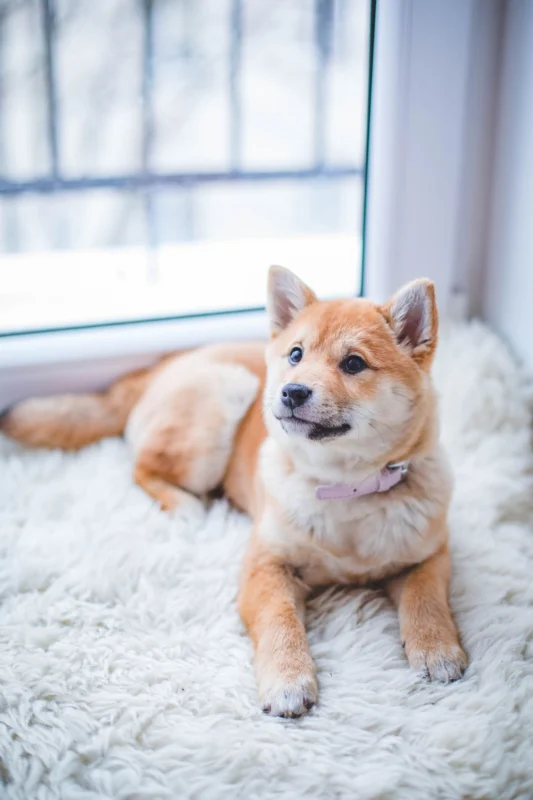
Indian winters are short in some places and harsh in others. In much of north and central India, night temperatures can drop to 41°F (5°C) or lower, with cold waves and thick fog, while even milder regions get chilly nights. Many people assume a furry dog or cat will be fine in any weather, but puppies, kittens, older pets and short-coated breeds can suffer in the cold. Winter also brings new dangers inside the home, from room heaters and coal angithis to cats hiding in warm car engines. Here is how to keep your pet comfortable and safe until spring.
In this article
- Which pets feel the cold most?
- Signs your pet is too cold
- Keep them warm indoors
- Room heaters and angithis: safety first
- Winter walks and outdoor time
- Bathing and coat care
- Food and water in winter
- Older pets and joint pain
- Special winter tips for cats
- Helping street dogs and cats
- Common myths
- Frequently asked questions
- When to call the vet
Key Takeaways
- Puppies, kittens, senior pets, small and short-coated breeds and thin or sick pets feel the cold most.
- Shivering, curling up tightly, slowness and cold ears or paws are signs a pet is too cold.
- Keep pets away from room heaters and never leave a coal angithi burning in a closed room.
- Check under car bonnets before starting the engine; cats hide there for warmth.
- Older pets with arthritis need warm, padded bedding and gentle exercise in winter.
Which pets feel the cold most?
| Higher risk in winter | Why |
|---|---|
| Puppies and kittens | Small bodies lose heat fast and cannot control temperature well |
| Senior pets | Thinner coats, less muscle, and joint pain that worsens in the cold |
| Short-coated and small breeds | Pugs, Dachshunds, Chihuahuas, Dobermans, Beagles and many Indian desi dogs have little underfur |
| Thin or underweight pets | Less body fat to keep them warm |
| Sick pets | Pets with kidney, heart or hormone problems, or recovering from illness or surgery |
| Hairless or freshly shaved pets | No coat to trap warmth |
Thick double-coated breeds such as Huskies, German Shepherds and Saint Bernards handle cold well, but they still need dry, draught-free shelter.
Signs your pet is too cold
- Shivering or trembling
- Curling up tightly and tucking the tail and nose in
- Lifting paws off the cold floor
- Seeking warm spots, under blankets or next to heaters
- Moving slowly or reluctant to go outside
- Cold ears, paws and tail tip
Severe chilling (hypothermia) is an emergency. If your pet is very weak, stops shivering but stays cold, has pale gums, slow breathing or seems confused, wrap them in a dry blanket and go to a vet immediately.
Keep them warm indoors

- Raise the bed off the floor. Cold tiles and marble pull heat away from the body. Use a raised bed, thick mat or folded blanket
- Place the bed away from doors, windows and draughts, but not right against a heater
- Give an extra blanket your pet can burrow into; cats love a covered box or bed
- Sweaters and coats help short-coated, small, old and thin dogs on walks and cold nights. Make sure they fit well, are dry, and are taken off when your pet is warm indoors
- Keep outdoor dogs in a dry, raised, insulated kennel with a door flap and dry bedding such as straw or old blankets, changed when damp. Bring puppies, seniors and sick dogs indoors
Room heaters and angithis: safety first
- Never leave a pet in a closed room with a coal angithi, sigri or charcoal stove. These release carbon monoxide, a gas you cannot see or smell, which can kill pets and people
- Keep pets away from rod and fan heaters, which cause burns and singed fur, and keep cables out of reach of chewing puppies
- Oil-filled radiators are safer around pets, but still keep a gap so pets cannot lean against them for long
- Hot water bottles must be wrapped in a towel and checked often
- Do not let pets sleep pressed against a heater; it can burn skin and dry it out
Winter walks and outdoor time
- Walk in the warmest part of the day, late morning or early afternoon, and keep walks shorter for small, old and short-coated dogs
- In fog, use a reflective collar or a light on the leash and keep your dog close; road accidents rise in low visibility
- Wipe paws after walks to remove dirt and moisture, and dry between the toes
- Keep dogs moving rather than standing in cold wind or damp grass
Bathing and coat care
- Bathe less often in winter; frequent baths strip natural oils and dry the skin
- When you do bathe, use lukewarm water, bathe in the warm part of the day, and dry your pet completely, especially thick coats
- Brush regularly. A well-brushed coat traps warm air better than a matted one
- Dry, flaky skin and itching are common in winter. See our guides on why your dog is itching and dog hair fall
Food and water in winter
- Outdoor and very active dogs may need a little more food to keep warm; ask your vet how much
- Indoor pets that exercise less usually need no extra food. Weigh them monthly so winter does not add extra weight
- Pets often drink less in winter. Keep fresh water available at all times and add water or wet food to meals, especially for cats and older pets. Low water intake is hard on the kidneys; read our kidney disease guide
- Do not give pets alcohol, tea, coffee or rich festive foods to "warm them up"
For a balanced diet, see what to feed your dog in India.
Older pets and joint pain
Arthritis often feels worse in the cold. You may notice stiffness after sleeping, trouble climbing stairs or jumping, and slower walks.
- Give a thick, soft, warm bed in a quiet corner
- Use mats on slippery floors and a ramp or step for sofas and cars
- Keep walks short and regular instead of long and occasional
- See your vet for pain relief. Never give human painkillers such as paracetamol (acetaminophen, sold as Tylenol in the US) or ibuprofen (Advil or Motrin in the US), which can be deadly for dogs and cats
Special winter tips for cats
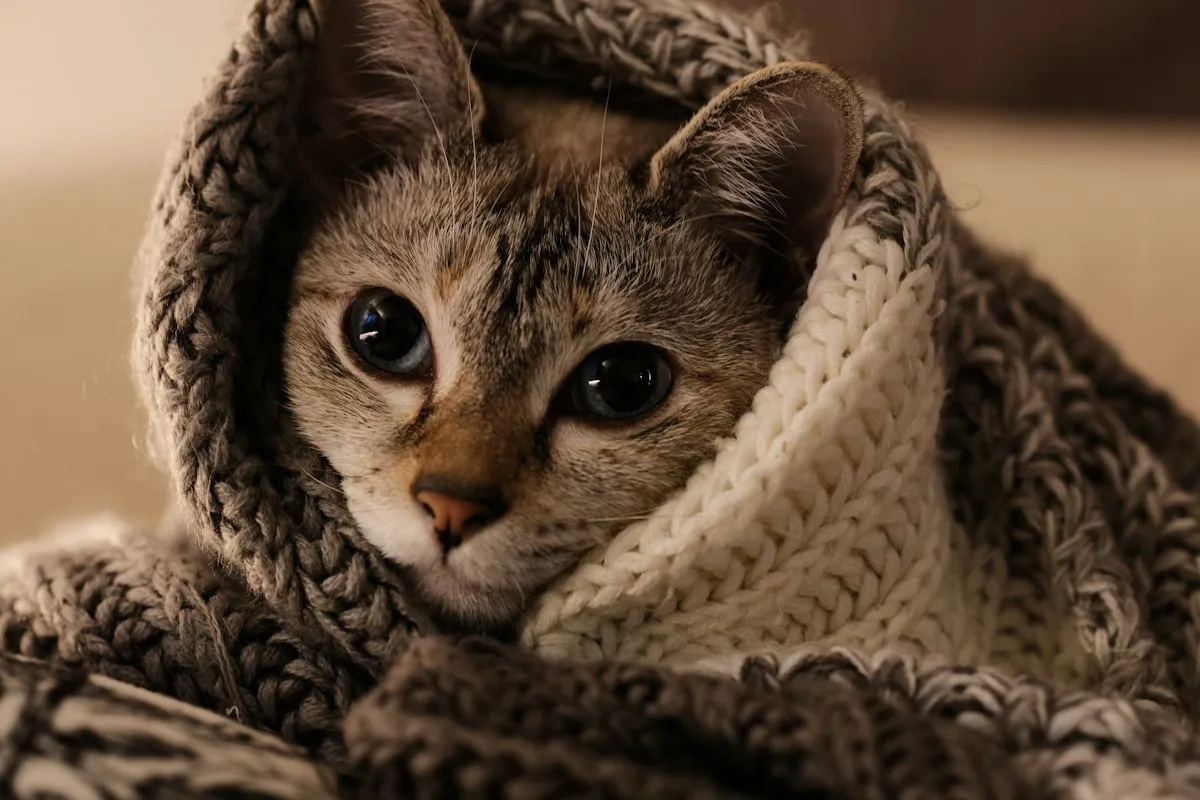
- Cats, especially street and outdoor cats, crawl into warm car engines and under bonnets. Knock on the bonnet or honk gently before starting your car or scooter
- Keep indoor cats indoors on cold nights and give them a warm, covered sleeping spot
- Place the litter box somewhere warm; cats may avoid a cold, draughty litter area
- Sneezing and runny eyes rise in winter. Read our cat flu guide
Helping street dogs and cats
- An old blanket, jute sack or cardboard box with dry bedding, placed out of the wind and rain, can save lives on cold nights
- Keep water bowls filled and clean
- Leave shelters where they do not block roads or annoy neighbours, and never use heaters or fire near them
Common myths
| Myth | Fact |
|---|---|
| "Dogs and cats have fur, so they never feel cold." | Puppies, kittens, seniors and short-coated breeds can get dangerously cold. |
| "A little rum or brandy keeps a dog warm." | Alcohol is toxic to pets and actually makes the body lose heat faster. |
| "An angithi in a closed room is safe if the pet sleeps far from it." | Carbon monoxide fills the whole room and can kill. |
| "Pets need less water in winter." | They still need plenty of water, and low intake can strain the kidneys. |
🩺 Dr. Vaishnavi’s Clinical Picks (Available on Amazon India)
Products I suggest to pet parents for this. For illness, always get your pet checked by a vet first.
No-water grooming for cold days or after surgery
Daily vitamins and minerals for coat, growth and appetite
Protects paw pads from cracking on hot or cold ground
Gentle wash for dry, itchy skin
As an Amazon Associate, I earn from qualifying purchases. This costs you nothing extra.
Frequently asked questions
Should my dog wear a sweater in winter?
Short-coated, small, old, thin and sick dogs benefit from a well-fitting sweater on walks and cold nights. Thick-coated breeds usually do not need one. Remove it indoors once your dog is warm, and never leave a wet sweater on.
Can I keep my dog outside at night in winter?
Healthy adult dogs with thick coats can stay in a dry, raised, insulated kennel with dry bedding. Puppies, seniors, short-coated breeds and sick dogs should sleep indoors.
How do I know if my house is too cold for my cat?
If your cat stays curled up tightly, hides under blankets, or sits by heaters all day, add a warm covered bed and close draughts. Cats like a warm spot, not a hot one.
Should I bathe my dog in winter?
Yes, but less often. Use lukewarm water in the warm part of the day and dry your dog fully, including the belly and between the toes.
Is it safe to use a heater in my pet's room?
Oil-filled radiators are the safest choice. Keep heaters out of reach, never leave a pet with a coal or charcoal fire in a closed room, and turn heaters off when no one is home.
When to call the vet
Go to the vet immediately if your pet is very weak, cold to the touch, stops shivering but stays cold, has pale gums or slow breathing. Call your vet within a day or two if your pet has a cough, sneezing, eye discharge, limping or stiffness that does not improve, very dry or itchy skin, drinks much less or much more than usual, or stops eating.
Recommended reading
- The Ultimate Dog Owner’s Handbook by Dr. Vaishnavi Karmawat (Kindle eBook on Amazon)
- The Ultimate Cat Owner’s Handbook by Dr. Vaishnavi Karmawat (Kindle eBook on Amazon)
- See all titles on the Books page.
Related Articles
- Diwali Firecracker Anxiety in Dogs: How To Keep Your Dog Calm
- Joint Pain in Senior Dogs: Winter Care, Supplements, and Massage
- Is My Dog or Cat Dehydrated? 1-Minute Gum and Skin Tent Check, ORS and When To See a Vet
- Deworming Dogs and Cats in India: Types of Worms, Which Dewormer Kills Which, Puppy Schedule and Safety
References
- Merck Veterinary Manual. Carbon Monoxide Poisoning in Animals.
- WSAVA Global Nutrition Committee. Global Nutrition Guidelines.
- AAHA. Canine Life Stage Guidelines. 2019.
More on Cats
Vomiting and Acidity Medicines for Dogs and Cats: Maropitant (Cerenia), Ondansetron, Pantoprazole and Famotidine
How vets use maropitant, ondansetron, famotidine and pantoprazole for vomiting and acidity in dogs and cats, and why diagnosis must come first.
Meloxicam (Melonex, Metacam) for Dogs and Cats: Safe Dosing and Why You Must Never Mix Painkillers With Steroids
Meloxicam for dogs and cats: uses, weight-based dosing, extra cat precautions, side effects and dangerous drug combinations to avoid.