 Written and reviewed by Dr. Vaishnavi Karmawat, B.V.Sc. & A.H., Registered Veterinary Practitioner
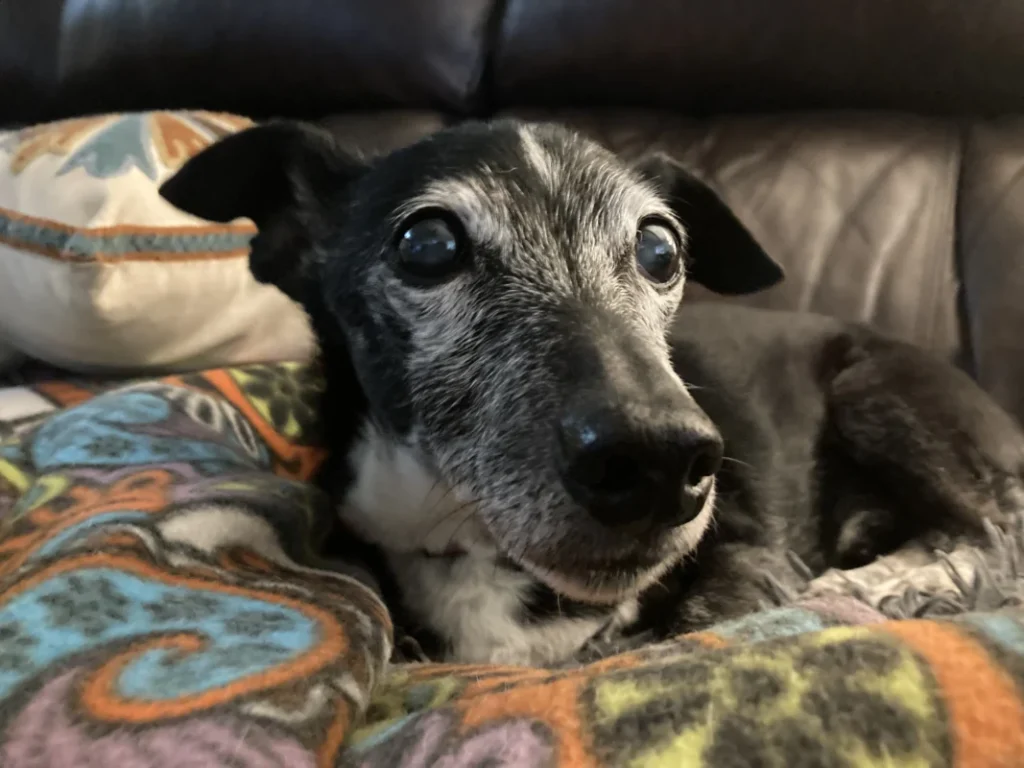
If your older dog struggles to get up on cold mornings, slips on the floor, or no longer climbs stairs, joint pain is the most likely reason. Canine osteoarthritis affects most dogs over 8 years old, and large breeds such as Labradors and German Shepherds, which are also prone to hip dysplasia, show it earlier. North Indian cold waves in December and January make the stiffness worse. You cannot reverse arthritis, but you can make your dog far more comfortable.
In this article
- Signs of joint pain in older dogs (jodon ka dard)
- Make your home joint-friendly this winter
- Exercise: little and often
- A 5-minute warm compress and home physiotherapy routine
- Weight management: the most powerful treatment
- Joint supplements: what works
- The haldi myth: why raw turmeric is not enough
- Painkillers: never use human tablets
- When to see the vet
- Frequently asked questions
- Related Articles
Key Takeaways
- Most dogs over 8 years have some osteoarthritis; large breeds show it earlier, and cats hide it well.
- Stiffness after rest, slowness on stairs, a bunny-hop gait and licking a joint are early signs.
- Keeping your pet lean is the single most effective treatment for joint pain.
- Soft, warm bedding, non-slip floors and short, regular walks help more than long weekend walks.
- Omega-3 fish oil has the best evidence among supplements; raw turmeric alone is not enough.
- Never give human painkillers; ask your vet for a pet-safe pain plan.
Signs of joint pain in older dogs (jodon ka dard)

- Stiffness after resting, which eases after walking for a few minutes
- Slow to stand up or lie down, especially in the morning
- Limping, or a “bunny hop” with both back legs together
- Not wanting to jump into the car, onto the sofa, or climb stairs
- Licking one joint again and again
- Thinner muscles on the back legs
- Grumpy or snapping when touched on the hips or back
Make your home joint-friendly this winter
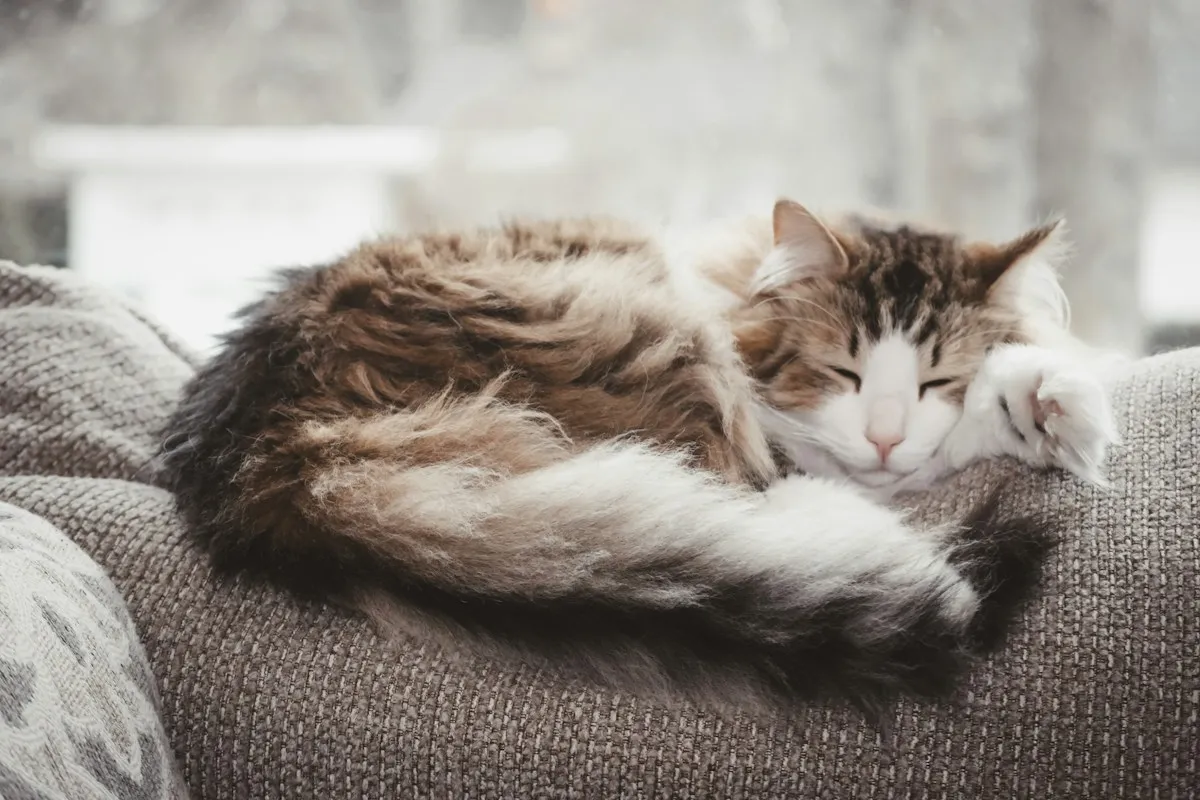
- Orthopedic memory foam bed: thick, warm, raised a little off the cold floor. Add a blanket at night.
- Anti-slip floor mats: marble and tiles are slippery and cold. Put rubber-backed rugs or yoga mats on the paths your dog uses most.
- Keep the room warm: sleep your dog away from doors and windows. A sweater helps short-coated and thin dogs.
- Avoid stairs: use a ramp or carry small dogs. Block stairs if needed.
- Raised bowls: for large dogs, raise food and water bowls to elbow height.
Exercise: little and often
Arthritic joints need gentle movement every day. Long, tiring walks on weekends do more harm than good.
- Two or three short walks of 10 to 20 minutes, on soft ground like grass or mud.
- Walk in the late morning or afternoon, when it is warmer, rather than at dawn.
- No sudden running, jumping or ball chasing.
- Swimming in warm water is excellent, if available.
A 5-minute warm compress and home physiotherapy routine
- Soak a small towel in warm water (comfortable on your own wrist), squeeze it, and hold it on the hips or stiff joint for 2 to 3 minutes.
- With your palm, stroke slowly along the muscles of the back and thighs, in the direction of the hair.
- Passive range of motion (PROM) massage: gently bend and straighten each back leg 10 times, only as far as it moves easily.
- Stop if your dog pulls away, cries, or the joint feels hot or swollen.
Do this once or twice a day, ideally before the morning walk.
Weight management: the most powerful treatment
Every extra kilo puts more load on painful joints. Even a 5 to 10% weight loss can noticeably reduce limping in an overweight dog. You should be able to feel your dog’s ribs easily under a thin layer of fat. Cut back on roti, rice, biscuits and table scraps, and ask your vet for a target weight.
Joint supplements: what works
| Supplement | What it does | Note |
|---|---|---|
| Glucosamine and chondroitin sulfate | Support joint cartilage | Takes 4 to 6 weeks to show results |
| Omega-3 fatty acids (fish oil) | Reduce inflammation | Use a pet product |
| Green-lipped mussel extract | Natural omega-3 and joint support | Often combined in joint products |
| Curcumin (turmeric extract) | Mild anti-inflammatory | See the haldi myth below |
Glucosamine doses: veterinary joint products are dosed by body weight. Most give a higher loading dose for the first 4 to 6 weeks, then a lower maintenance dose. Follow the product label or your vet’s advice rather than human tablets, which often contain extra ingredients. Ask your vet before starting any supplement, especially if your dog has kidney, liver or stomach problems.
The haldi myth: why raw turmeric is not enough
Many families add raw haldi to their dog’s food for joint pain. Raw turmeric has very little effect, because the body absorbs almost none of its curcumin. Curcumin needs piperine (from black pepper) and healthy fats for absorption, which is why vets talk about golden paste (curcumin with black pepper) cooked with a little oil. Even then it is a mild helper, not a painkiller, and its bioavailability is far lower than a properly formulated veterinary joint supplement. Too much can upset the stomach. Do not use haldi in place of treatment from your vet.
Painkillers: never use human tablets
Never give your dog paracetamol, ibuprofen, diclofenac (Voveran), or other human painkillers. They can cause stomach bleeding, kidney failure and liver damage in dogs, sometimes from a single tablet. Your vet can prescribe a dog-safe NSAID pain medicine. Dogs on long-term NSAIDs need kidney monitoring with blood tests every few months.
When to see the vet
Book a check-up if the limping lasts more than a few days, your dog cannot stand, a joint is swollen or hot, or your dog stops eating. An X-ray can tell arthritis apart from other causes such as a ligament tear, hip dysplasia or bone cancer.
🩺 Dr. Vaishnavi’s Clinical Picks (Available on Amazon India)
Daily support for older dogs. Ask your vet before starting joint supplements.
Daily vitamins and minerals for coat, growth and appetite
Balances calcium in homemade Indian diets
Glucosamine support for stiff joints (ask your vet first)
Thick, supportive bed that eases pressure on sore joints
As an Amazon Associate, I earn from qualifying purchases. This costs you nothing extra.
Frequently asked questions
Why is my old dog limping more in winter?
Cold makes muscles and joint tissues stiffer, and dogs move less on cold days. Warm bedding, rugs on cold floors and short walks in the warmer part of the day help.
Can I give my dog turmeric milk for joint pain?
No. Milk upsets many adult dogs’ stomachs, and raw turmeric is poorly absorbed. Ask your vet about a proper joint supplement instead.
Which age is a dog considered senior in India?
Around 7 years for large breeds and 9 to 10 years for small breeds and Indies.
Do joint supplements really work?
They help many dogs, especially when started early and combined with weight control and gentle exercise. They work slowly, so give them at least 6 weeks.
Is your senior dog struggling this winter? Book a joint check-up with Dr. Vaishnavi Karmawat.
Related Articles
More on Dogs
Vomiting and Acidity Medicines for Dogs and Cats: Maropitant (Cerenia), Ondansetron, Pantoprazole and Famotidine
How vets use maropitant, ondansetron, famotidine and pantoprazole for vomiting and acidity in dogs and cats, and why diagnosis must come first.
Bravecto vs Simparica vs NexGard for Dogs: Tick and Flea Tablets, Weight Charts, Fake Tablet Checks and Seizure Precautions
Bravecto vs Simparica vs NexGard: how each kills ticks and fleas, how long it lasts, weight bands, seizure precautions and spotting fake…