 Written and reviewed by Dr. Vaishnavi Karmawat, B.V.Sc. & A.H., Registered Veterinary Practitioner

When a dog or cat starts vomiting, it is natural to want something that stops it quickly. Vets have several effective medicines for nausea, vomiting and stomach acid, but they work in different ways, suit different problems, and can be dangerous when given at the wrong time or in the wrong form.
In this article
- How Do Anti-Vomiting Medicines Work?
- What Is Maropitant (Cerenia)?
- What Is Ondansetron?
- What Is Famotidine (Pepcid)?
- What Are Pantoprazole and Omeprazole?
- Why You Should Not Stop Vomiting Without a Diagnosis
- Can I Give My Dog Human Vomiting or Acidity Medicines?
- Medicines for Cats
- Frequently Asked Questions
- Related Articles
- References
Here is how the four medicines Indian vets use most often work: maropitant (Cerenia), ondansetron, pantoprazole and famotidine (Pepcid). This guide also covers when each one is used and why you should never stop a pet’s vomiting at home without a diagnosis.
Key Takeaways
- Maropitant (Cerenia) blocks the vomiting centre in the brain and is the most effective broad anti-vomiting medicine for dogs and cats. It also prevents car sickness.
- Ondansetron is another strong anti-nausea medicine, widely used by vets in India, especially for parvo, chemotherapy and kidney disease.
- Famotidine and pantoprazole reduce stomach acid. They help ulcers, reflux and acid-related vomiting, but do not stop vomiting from other causes.
- Stopping vomiting can hide a serious problem such as a swallowed object, poisoning or parvo. Your vet should find the cause first.
- Only plain famotidine is used in pets. Combination antacids such as Pepcid Complete contain calcium and magnesium and are not suitable.
- Never give human anti-vomiting or acidity tablets without your vet’s dose. Doses differ between dogs, cats and people.
How Do Anti-Vomiting Medicines Work?
Vomiting is controlled by a cluster of nerve centres in the brainstem, often called the emetic (vomiting) centre. Signals reach it from four main routes: the stomach and intestines (through the vagus nerve), the bloodstream (toxins and waste products sensed by the chemoreceptor trigger zone), the inner ear (motion), and higher brain centres (fear and stress). Different medicines block different routes, which is why vets choose the drug according to the cause.
| Medicine | Drug class | Where it acts | Main uses in pets |
|---|---|---|---|
| Maropitant (Cerenia) | NK-1 receptor antagonist | Blocks substance P at the vomiting centre, so it stops vomiting from almost any route | Acute vomiting, pancreatitis, parvo, kidney disease nausea, car sickness, before anaesthesia |
| Ondansetron | 5-HT3 receptor antagonist | Blocks serotonin signals from the gut and the trigger zone | Severe nausea, parvo, chemotherapy, kidney failure |
| Famotidine (Pepcid) | H2 receptor blocker | Reduces acid production by stomach cells | Mild gastritis, reflux, bilious vomiting, ulcer prevention |
| Pantoprazole / omeprazole | Proton pump inhibitor (PPI) | Shuts down the acid pump in stomach cells; stronger than famotidine | Stomach ulcers, NSAID or steroid-related ulcers, severe reflux, bleeding |
What Is Maropitant (Cerenia)?
Maropitant citrate, sold as Cerenia and as generic products, was developed specifically for animals. It blocks neurokinin-1 (NK-1) receptors in the brain’s vomiting centre, preventing a messenger called substance P from triggering the vomiting reflex. Because it acts at the final common pathway, it works against vomiting from the gut, the bloodstream and motion alike.
What is Cerenia used for?
- Acute vomiting from gastroenteritis, dietary indiscretion, pancreatitis and infections such as parvovirus
- Nausea in dogs and cats with kidney disease, liver disease or cancer
- Preventing vomiting caused by chemotherapy or by some anaesthetic and pain medicines
- Preventing car sickness in dogs, without the drowsiness caused by antihistamines
Maropitant also has a mild pain-relieving effect on the abdomen, which is useful in pancreatitis. The injection is approved for dogs and cats; the tablets are approved for dogs and used extra-label (off-label) in cats under veterinary direction.
How is Cerenia given?
- Injection: given once a day by your vet under the skin or into a vein. Injection under the skin can sting; vets often keep the vial refrigerated, which reduces the sting.
- Tablets: given once every 24 hours, usually for up to five days for vomiting.
- For car sickness: given with a small amount of food at least two hours before travel, so it reaches full effect before the journey. The dose for motion sickness is higher than the dose for vomiting, so use only the dose your vet gives you.
Puppies should not receive Cerenia for vomiting before 8 weeks of age, or for car sickness before 16 weeks. It is used cautiously in pets with liver disease and has not been fully studied in pregnant or nursing animals.
Side effects of Cerenia
Side effects are uncommon. Possible effects include drowsiness, drooling, loss of appetite, diarrhoea, wobbliness and trembling. If your pet keeps vomiting despite Cerenia, contact your vet, because persistent vomiting can mean a more serious underlying problem.
What Is Ondansetron?
Ondansetron is a human anti-nausea medicine that vets in India use widely in dogs and cats. It blocks serotonin 5-HT3 receptors, both on the nerves of the gut and in the chemoreceptor trigger zone. It is particularly good at controlling nausea, the queasy feeling that stops a pet eating, which matters because a nauseous pet will not eat even when the vomiting stops.
Vets often use it for parvovirus, chemotherapy, kidney failure and severe pancreatitis, sometimes together with maropitant. It is usually given by injection in the clinic or as tablets or syrup at home, two to three times a day, because its effect is shorter than maropitant’s. Side effects are uncommon but can include constipation and drowsiness. It should not be combined with some other medicines that affect serotonin, so your vet needs to know everything your pet takes.
What Is Famotidine (Pepcid)?
Famotidine is an H2 receptor blocker. Stomach cells release acid when histamine binds to H2 receptors on their surface; famotidine blocks those receptors and lowers acid production. Less acid allows an irritated food pipe, stomach or duodenum to heal.
What is famotidine used for in pets?
- Gastritis and acid reflux
- Bilious vomiting syndrome, where a dog vomits yellow bile on an empty stomach, usually early in the morning
- Supporting pets with kidney disease, whose stomachs can produce excess acid
- Short-term protection of the stomach lining
Famotidine is usually given on an empty stomach, ideally before the first meal of the day, and starts to work within one to three hours. If it causes stomach upset, your vet may suggest giving it with a little food. It has a wide safety margin, and side effects such as loss of appetite, vomiting or diarrhoea are uncommon. Cats with kidney disease usually need a lower or less frequent dose.
Why only plain famotidine?
Many acidity products combine famotidine with other ingredients. Pepcid Complete and similar combination antacids also contain calcium carbonate and magnesium hydroxide, which can cause diarrhoea and interfere with other medicines, and some chewables are flavoured or sweetened. If your vet prescribes famotidine, use a plain, single-ingredient tablet in the strength they specify.
Famotidine has limits
Research shows that the acid-lowering effect of famotidine fades within a few days of continuous use as the stomach adapts. For true stomach ulcers or bleeding, vets generally prefer a proton pump inhibitor.
What Are Pantoprazole and Omeprazole?
Pantoprazole (commonly given as an injection in Indian clinics) and omeprazole (tablets or capsules) are proton pump inhibitors (PPIs). They switch off the final step of acid production in the stomach cells, so they lower acid more strongly and consistently than famotidine. Veterinary consensus guidelines recommend PPIs given twice daily, rather than H2 blockers, when strong acid suppression is needed, for example for:
- Stomach or duodenal ulcers, including ulcers caused by NSAID painkillers or steroids
- Bleeding from the stomach, which may show as vomit that looks like coffee grounds or black, tarry stool
- Severe oesophagitis and reflux
The same guidelines warn against using acid reducers routinely “just in case” for every sick pet. They do not help vomiting from causes other than acid, and long-term use can change gut bacteria and mineral absorption. Long courses should be tapered rather than stopped suddenly, as directed by your vet.
Why You Should Not Stop Vomiting Without a Diagnosis

Anti-vomiting medicines are very good at what they do, which is exactly why they must be used carefully. Stopping the vomiting does not fix the cause, and it can hide warning signs that the problem is getting worse:
- Swallowed objects: a dog with a sock, corn cob or bone stuck in the intestine may stop vomiting on medicine while the blockage worsens. Read about dogs that swallow objects.
- Poisoning: after some poisons, vomiting is useful, and your vet may even induce it.
- Parvovirus and pancreatitis: these need fluids, testing and hospital care, not just anti-vomiting tablets.
- Kidney and liver disease, diabetes and Addison’s disease often show up first as vomiting.
Take your pet to the vet promptly if there is blood in the vomit, repeated vomiting, vomiting with diarrhoea, a swollen or painful belly, lethargy, or if your pet is a puppy, kitten or senior. Our dog vomit colour guide explains what different types of vomit can mean.
Can I Give My Dog Human Vomiting or Acidity Medicines?
Not without your vet’s advice. Some human medicines are used in pets, but the dose is calculated by body weight and differs between species, and many over-the-counter products contain extra ingredients. In particular:
- Combination antacids and gels may contain magnesium, aluminium, simethicone or sweeteners.
- Bismuth-based stomach remedies (such as Pepto-Bismol) contain salicylate, a relative of aspirin, which can cause bleeding and is toxic to cats.
- Domperidone and metoclopramide must not be used if a blockage is possible.
- Painkillers taken with acidity tablets, such as ibuprofen or diclofenac, can cause severe stomach ulcers in dogs and cats. See our guide to NSAIDs in dogs.
Medicines for Cats
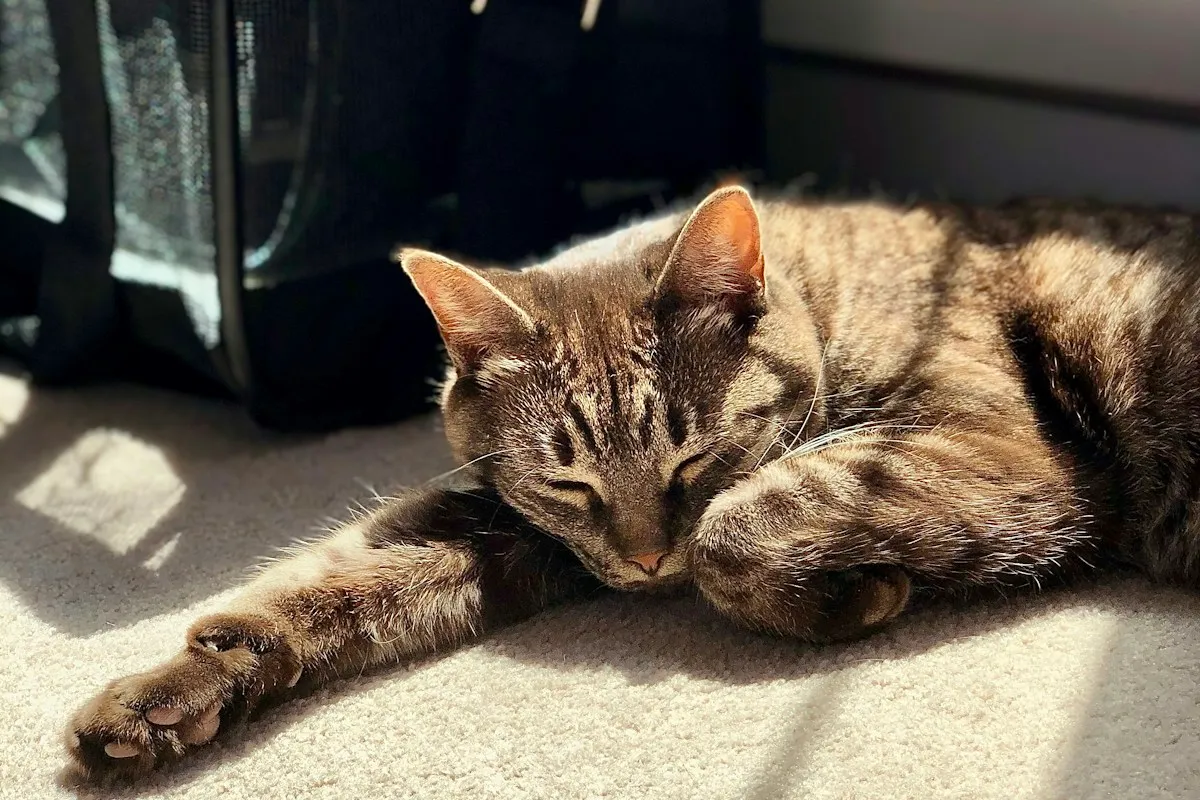
Cats feel nausea just as dogs do, often showing it as drooling, lip licking, sitting hunched over the water bowl or refusing food rather than vomiting. Maropitant injection is approved for cats, and vets also use oral maropitant, ondansetron and mirtazapine (an appetite stimulant that also reduces nausea) for cats with kidney disease, pancreatitis or frequent vomiting. Never give a cat any medicine meant for dogs or people without veterinary advice.
Frequently Asked Questions
How quickly does Cerenia work?
An injection starts working within about an hour. Tablets reach their full effect in about two hours, which is why they are given at least two hours before travel.
Can I give famotidine with food?
It works best on an empty stomach, but your vet may suggest giving it with a little food if your pet vomits after an empty-stomach dose.
Is Pepcid the same as famotidine?
Yes, Pepcid is a brand name for famotidine. Pepcid Complete is different because it also contains antacids.
My dog vomits yellow foam every morning. Which medicine helps?
This is often bilious vomiting syndrome. A small late-night meal sometimes helps, and your vet may prescribe famotidine or another acid reducer after ruling out other causes.
Can anti-vomiting medicine be given at home?
Yes, once your vet has examined your pet and prescribed it. Do not use leftover medicine from a previous illness for a new episode of vomiting.
This article is for education and does not replace veterinary advice. Never give your pet any medicine, including human medicines, without your vet’s advice and dose.
Related Articles
- Meloxicam (Melonex, Metacam) for Dogs and Cats: Safe Dosing and Why You Must Never Mix Painkillers With Steroids
- Can Dogs Eat Grapes or Kishmish (Raisins)? Why Even a Few Can Cause Kidney Failure
- Dog Bite in India: First Aid and Rabies Vaccine Schedule
- Bloat (GDV) in Dogs: Twisted Stomach Signs, Emergency Treatment and Prevention
References
- Howe S, Price M, Fung C. Maropitant (Cerenia) for Dogs. PetMD, 2026.
- Howe S, Price M, Fung C. Famotidine (Pepcid) for Dogs and Cats. PetMD, 2023.
- Marks SL, Kook PH, Papich MG, et al. ACVIM consensus statement: Support for rational administration of gastrointestinal protectants to dogs and cats. Journal of Veterinary Internal Medicine, 2018;32(6):1823–1840.
- Cerenia (maropitant citrate) prescribing information. Zoetis.
- Plumb’s Veterinary Drug Handbook, 10th ed. Wiley-Blackwell, 2023.
- Kenward H, et al. Nausea: current knowledge of mechanisms, measurement and clinical impact. The Veterinary Journal, 2017;219:22–30.
More on Cats
Meloxicam (Melonex, Metacam) for Dogs and Cats: Safe Dosing and Why You Must Never Mix Painkillers With Steroids
Meloxicam for dogs and cats: uses, weight-based dosing, extra cat precautions, side effects and dangerous drug combinations to avoid.

Metronidazole (Metrogyl, Flagyl) for Dogs and Cats: When Vets Use It for Loose Motion and Giardia, and Why Overdose Causes Wobbling
Metronidazole for dogs and cats: uses for Giardia and gut infections, when it is not needed, giving the bitter pill, and neurotoxicity…