 Written and reviewed by Dr. Vaishnavi Karmawat, B.V.Sc. & A.H., Registered Veterinary Practitioner
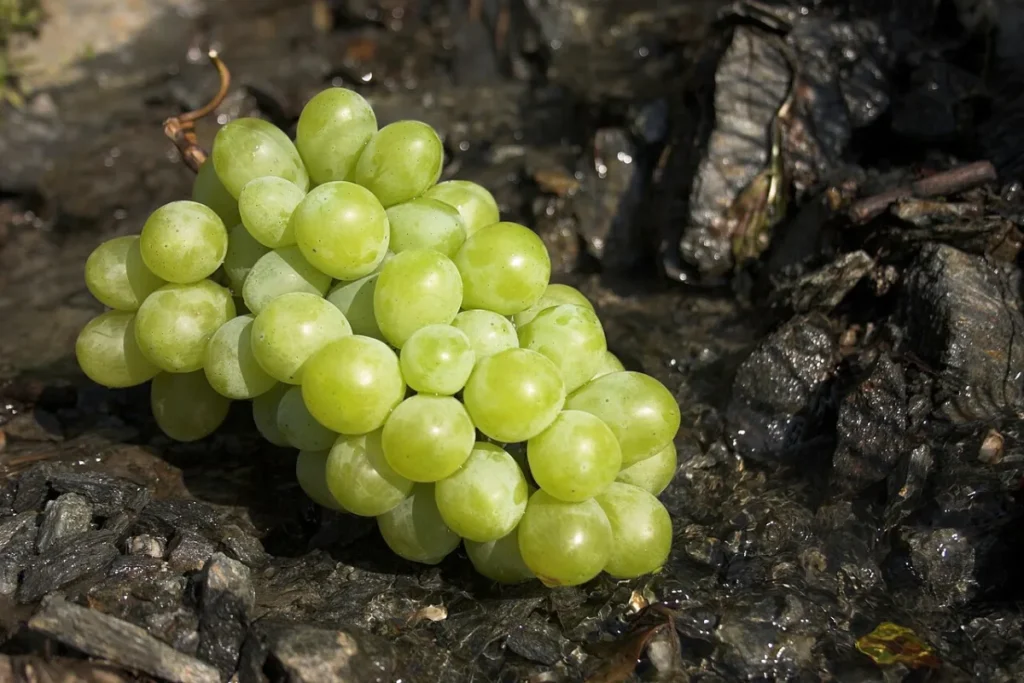
- No, dogs should never eat grapes, raisins (kishmish), sultanas or currants, in any colour, fresh, dried, peeled or seedless.
- They can cause sudden kidney failure. There is no known safe amount, and some dogs have been harmed by only a few grapes.
- The likely toxic substance is tartaric acid, which is also concentrated in tamarind (imli) and cream of tartar.
- If your dog eats any grapes or raisins, call a vet straight away. Early treatment in the first few hours works far better than treating kidney failure later.
- Watch out for hidden raisins in Indian sweets, halwa, kheer, fruit cake, trail mix and dry-fruit boxes.
Grapes look like a harmless, juicy treat, and many Indian families share fruit with their dogs. But grapes and their dried forms, raisins (kishmish), sultanas and currants, are among the most dangerous foods for dogs. They can cause acute kidney injury, which may lead to permanent kidney damage or death. This page explains why, how quickly signs appear, what vets do and how to keep your dog safe, especially during festivals when dry fruit is everywhere.
In this article
My dog just ate grapes or raisins. What now? Call your vet or nearest emergency clinic immediately, even if your dog seems fine. Note the time, roughly how many were eaten and your dog’s weight. Do not give salt or try to make your dog vomit at home.
Why are grapes toxic to dogs?

For many years the toxic substance was unknown. In 2021 and 2022, veterinary toxicologists linked cases of kidney injury in dogs that ate cream of tartar (used in baking and homemade play dough) and tamarind to tartaric acid, a natural acid found in high amounts in grapes. Dogs appear to handle tartaric acid poorly, and it damages the cells lining the kidney tubules. Differences in tartaric acid content between grape varieties, ripeness and growing conditions may explain why some dogs become very ill and others do not.
What we know for certain:
- All grapes are risky: green, black, red, seedless, organic, home-grown.
- Peeling does not help: the flesh is involved, not just the skin.
- Dried grapes are more concentrated: raisins, kishmish, sultanas and currants can be more dangerous gram for gram.
- There is no reliable safe dose, and a dog that ate grapes once without problems may still be harmed next time.
- Tamarind (imli), imli chutney and cream of tartar should also be kept away from dogs.
Signs of grape and raisin poisoning
| Time after eating | What you may see |
|---|---|
| 2 to 6 hours | Vomiting (often with grape pieces), diarrhoea, drooling |
| 12 to 24 hours | Dullness, poor appetite, belly pain, weakness, drinking more |
| 24 to 72 hours | Less urine or none at all, bad breath, mouth ulcers, vomiting again, dehydration, collapse |
Reduced or absent urine is a very serious sign that the kidneys are failing.
How vets treat grape and raisin ingestion
- Induced vomiting with a safe veterinary drug, ideally within the first 2 hours, but often still worthwhile later because grapes can remain in the stomach.
- Activated charcoal may be given to bind any remaining toxin.
- Intravenous fluids for at least 48 hours to support the kidneys and keep urine flowing.
- Blood tests for kidney values (creatinine, urea) and electrolytes at the start and over 2 to 3 days, plus urine output monitoring.
- Anti-nausea medicines and stomach protectants as needed.
- If the kidneys stop producing urine, dialysis is the only option, available at very few centres in India, and the outlook becomes poor.
Dogs treated early, before kidney values rise, usually recover completely. Dogs that already have kidney failure when they arrive may recover with reduced kidney function or may not survive.
Hidden sources of grapes and raisins in Indian homes
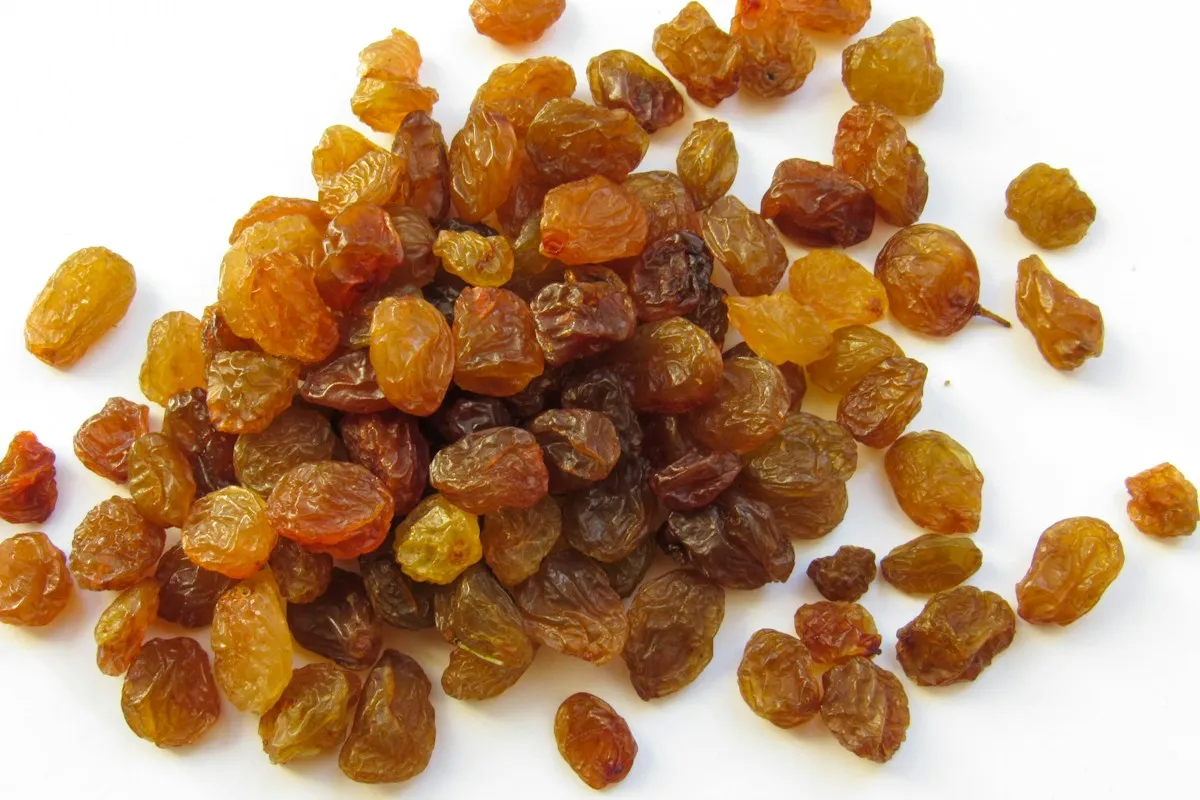
- Diwali, Eid and wedding dry-fruit boxes
- Kheer, sheera, halwa, sevai, panjiri and laddoos with kishmish
- Fruit cakes, plum cakes and muffins at Christmas
- Trail mixes, granola and muesli
- Fruit salads and fruit chaat
- Grape juice, grape jam and some biscuits
- Imli chutney and tamarind sweets (tartaric acid)
Safe fruit swaps
Want to share fruit with your dog? These are safe in small amounts, prepared correctly:
- Banana (kela)
- Apple (seb) without seeds and core
- Watermelon (tarbooz) without rind and seeds
- Mango flesh without the stone
- Papaya without seeds
- Strawberries, jamun and mulberries in small amounts
- Orange and mosambi segments
For the full list, see our fruit guide for dogs and poisoning first aid guide.
Can cats eat grapes?
Cats rarely eat grapes, but cases of kidney injury have been reported in cats too. Keep grapes and raisins away from all pets.
Frequently asked questions
My dog ate one grape. Will it be okay?
Many dogs that eat one grape stay well, but we cannot predict which dogs will be harmed, and small dogs are at greater risk. Call your vet; they may advise inducing vomiting, which is quick and safe in the clinic.
Are green or seedless grapes safe for dogs?
No. All colours and varieties, with or without seeds, should be avoided.
How long after eating grapes will a dog get sick?
Vomiting often starts within a few hours. Kidney damage develops over 24 to 72 hours, which is why vets treat early rather than waiting for signs.
Is kishmish worse than grapes?
Raisins are dried grapes, so the toxin is concentrated. A handful of kishmish can contain the equivalent of many grapes.
Is grape jam or juice safe?
No. Grape products may contain the toxin, and jams often contain lots of sugar and sometimes xylitol, which is also toxic to dogs.
Can dogs eat tamarind (imli)?
No. Tamarind is rich in tartaric acid, the substance now thought to cause grape toxicity, and kidney injury in dogs has been reported after eating tamarind.
Related Articles
- Heatstroke in Dogs in India: Stages, First Aid, Vet Treatment and 10 Cooling Foods
- Dog Ate Chocolate, Grapes, Onion, Rat Poison or Paracetamol? Vet First Aid and Treatment
- Dog Seizures (Mirgi / Fits) First Aid Guide in India: What To Do During a Fit, Distemper vs Epilepsy and Safe Anti-Seizure Care
- Can Dogs Eat Peanut Butter, Rice and Aloo (Potato)? Safe Indian Staples vs Hidden Toxins
References
- Wegenast CA, Meadows ID, Anderson RE, et al. Acute kidney injury in dogs following ingestion of cream of tartar and tamarinds and the connection to tartaric acid as the proposed toxic principle in grapes and raisins. Journal of Veterinary Emergency and Critical Care. 2022;32(6):812-816.
- Eubig PA, Brady MS, Gwaltney-Brant SM, Khan SA, Mazzaferro EM, Morrow CMK. Acute renal failure in dogs after the ingestion of grapes or raisins: a retrospective evaluation of 43 dogs (1992-2002). Journal of Veterinary Internal Medicine. 2005;19(5):663-674.
- Sutton NM, Bates N, Campbell A. Factors influencing outcome of Vitis vinifera (grapes, raisins, currants and sultanas) intoxication in dogs. Veterinary Record. 2009;164(14):430-431.
- Merck Veterinary Manual. Grape and Raisin Toxicosis in Dogs.
- ASPCA Animal Poison Control Center. Grapes and raisins.
More on Dog Food and Diet

Best Supplements for Dogs in India: Calcium for Puppies vs Glucosamine and Omega-3 for Joints vs Probiotics
Which dog supplements work: calcium risks in puppies, glucosamine and omega-3 for joints and skin, probiotics, and human supplements that poison dogs.
Homemade Diet Chart for Indie Puppies in India: Month by Month
Need a homemade diet chart for Indie puppies in India? Dr. Vaishnavi shares a month-by-month desi puppy nutrition plan, toxic foods &…