 Written and reviewed by Dr. Vaishnavi Karmawat, B.V.Sc. & A.H., Registered Veterinary Practitioner
Every monsoon, waterlogged streets, overflowing drains and rat-infested garbage turn Indian cities into a risk zone for leptospirosis. This bacterial disease can cause sudden kidney and liver failure in dogs, and it can spread from dogs and rats to people, where it is known as Weil’s disease.
In this article
- What Is Leptospirosis in Dogs?
- How Do Dogs Get Leptospirosis?
- The Four Stages of Leptospirosis
- Symptoms of Leptospirosis in Dogs
- Is Leptospirosis an Emergency?
- How Vets Diagnose Leptospirosis
- Treatment of Leptospirosis in Dogs
- Protecting Your Family During Treatment
- Recovery and Long-Term Care
- How To Prevent Leptospirosis in Dogs
- Frequently Asked Questions
- Related Articles
- References
Here is how dogs catch leptospirosis, the warning signs to watch for after rains, how vets diagnose and treat it, and how to protect both your dog and your family.
Key Takeaways
- Leptospirosis is a serious bacterial infection spread mainly through the urine of infected rats and other animals, often via puddles, flood water and wet soil.
- It commonly damages the kidneys and liver and can cause fever, muscle pain, vomiting, jaundice (yellow eyes and gums), bleeding and reduced urine.
- It is a medical emergency. Early hospital treatment with antibiotics and fluids gives most dogs a good chance of recovery.
- Leptospirosis is zoonotic: infected dogs shed the bacteria in their urine, so wear gloves and disinfect while your dog is being treated.
- An annual leptospirosis vaccine, plus avoiding stagnant water and controlling rats, is the best prevention.
What Is Leptospirosis in Dogs?
Leptospirosis is caused by corkscrew-shaped bacteria called Leptospira (spirochetes). There are more than 250 types (serovars) worldwide. Those most important in dogs include L. icterohaemorrhagiae (carried by rats), L. canicola (carried by dogs), L. pomona, L. grippotyphosa and L. australis.
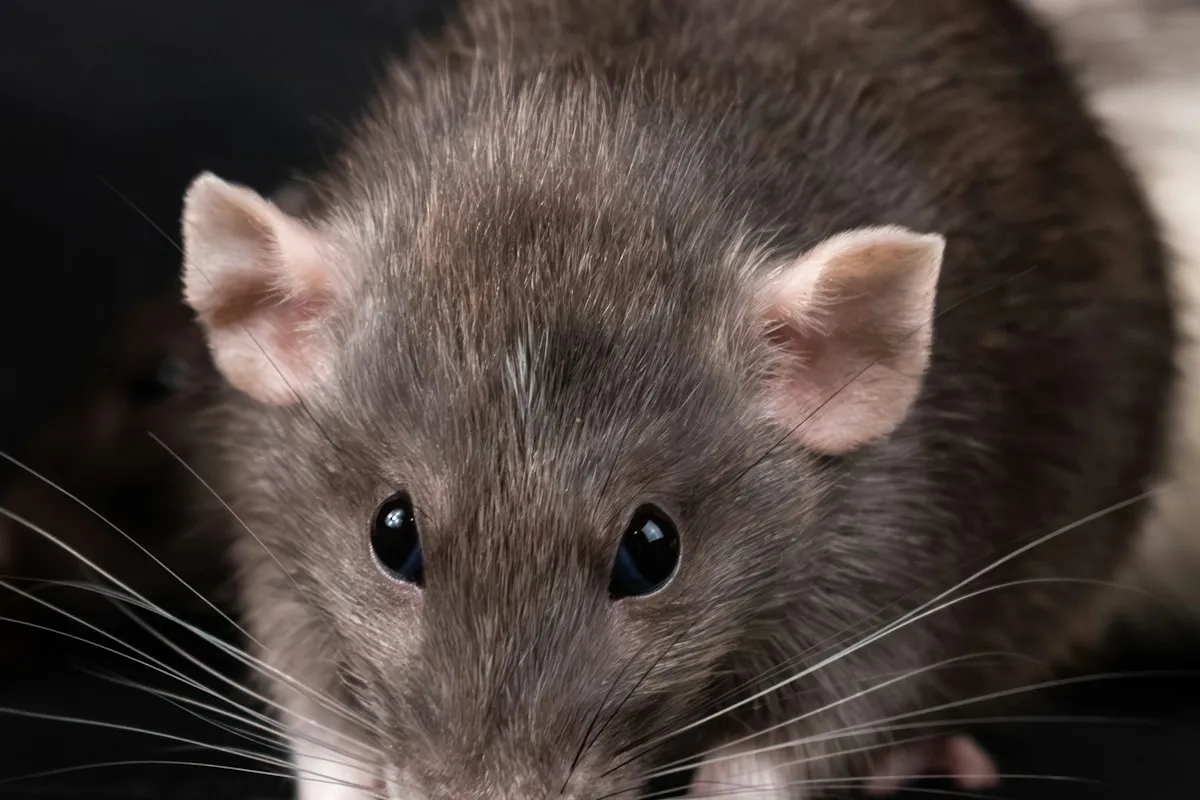
Rats are the classic carriers. They can carry Leptospira in their kidneys for life without getting sick and pass huge numbers of bacteria in their urine. In warm, wet conditions, the bacteria survive for weeks to months in water and mud. Cattle, pigs, buffaloes and infected dogs can also shed them.
How Do Dogs Get Leptospirosis?

The bacteria enter through the moist lining of the mouth, nose and eyes, or through cuts and softened skin on the paws. Common routes include:
- Drinking from or walking through puddles, drains or flood water contaminated with rat urine
- Sniffing or licking ground, garbage heaps or food bowls where rats have been
- Swimming in ponds, canals and slow rivers
- Contact with the urine of infected dogs, cattle or other animals
- Eating infected rats
Cases rise sharply during and just after the monsoon (roughly June to October), and after floods. Urban dogs are at risk too: city rats are often heavily infected.
Dogs at higher risk
- Unvaccinated dogs, or dogs whose annual booster is overdue
- Dogs that roam, go on long walks through wet areas, or live near drains, garbage or cattle sheds
- Farm dogs, guard dogs and dogs in kennels
- Young dogs and those with weak immune systems, though any dog can be affected
The Four Stages of Leptospirosis
| Stage | What happens | What you may see |
|---|---|---|
| 1. Incubation | Bacteria enter and multiply; lasts about 4 to 14 days | Nothing |
| 2. Acute (bacteraemia) | Bacteria spread through the blood and inflame blood vessels | Fever, shivering, dullness, poor appetite, muscle pain |
| 3. Immune phase | Antibodies clear bacteria from the blood, but bacteria settle in the kidneys and liver | Vomiting, diarrhoea, jaundice, changes in urination, bleeding, eye inflammation |
| 4. Chronic (carrier) | Bacteria persist in the kidneys if not cleared | Chronic kidney or liver disease; the dog may shed bacteria in urine for months |
Symptoms of Leptospirosis in Dogs
Signs vary from a mild fever to sudden, life-threatening illness. Watch for:
- Sudden fever, shivering and dullness
- Muscle pain and stiffness: reluctance to move, a hunched back, crying when touched
- Loss of appetite, vomiting (sometimes with blood) and diarrhoea
- Increased thirst and urination, or the opposite: passing little or no urine, a sign of acute kidney injury
- Jaundice: yellow whites of the eyes, gums or skin
- Red pinpoint spots or bruises on the gums and belly, nosebleeds, blood in urine or stool
- Red, cloudy or painful eyes (uveitis)
- Mouth ulcers and bad breath
- Coughing or difficulty breathing. Some dogs develop bleeding into the lungs (leptospiral pulmonary haemorrhage syndrome), which is very serious.
- Dehydration and weakness
- Miscarriage in pregnant dogs
Many of these signs overlap with tick fever, which is also common in India, and with poisoning or other kidney and liver disease. Tell your vet if your dog has been near flood water, drains or rats in the past two weeks; exposure history is often what first raises suspicion of leptospirosis.
Is Leptospirosis an Emergency?
Yes. If your dog has a fever, muscle pain, vomiting, yellow eyes or is passing little urine, especially after the rains, take them to a vet the same day. Kidney damage can progress within days. While you wait, avoid touching your dog’s urine with bare hands.
How Vets Diagnose Leptospirosis
Vets combine history, examination and several tests:
- Blood count and biochemistry: low platelets, raised white cells, raised kidney values (urea, creatinine) and liver values (ALT, ALP, bilirubin), and electrolyte changes
- Urinalysis: sugar or protein in the urine and casts, signs of kidney tubule damage
- PCR on blood (most useful in the first week of illness) and urine (after about the first week) to detect Leptospira DNA. Antibiotics given before sampling can cause false negatives.
- MAT (microscopic agglutination test): measures antibodies. A fourfold rise between two samples taken 1 to 2 weeks apart confirms recent infection.
- Rapid in-clinic antibody tests as a screening tool
- Ultrasound and chest X-rays to assess the kidneys, liver and lungs
Treatment of Leptospirosis in Dogs
Leptospirosis cannot be treated at home. Dogs need hospital care, often for several days.
Antibiotics
While the dog is vomiting or very ill, vets usually give injectable penicillin-type antibiotics such as ampicillin. Once the dog can eat, doxycycline by mouth is given, typically for 2 weeks. Doxycycline is important because it clears the bacteria from the kidneys and stops the dog becoming a long-term carrier.
Fluids and kidney support
Intravenous fluids correct dehydration and support blood flow through the kidneys. Vets monitor urine output closely. Dogs that produce very little urine despite fluids may need diuretics or, where available, dialysis at a specialist centre.
Other supportive care
- Anti-vomiting and stomach-protecting medicines
- Pain relief for muscle and abdominal pain
- Liver support supplements such as SAMe and silybin
- Nutrition support and appetite stimulants
- Oxygen and close monitoring for dogs with lung involvement or bleeding problems
Protecting Your Family During Treatment
Leptospirosis is one of the most common zoonotic diseases in the world, and India reports thousands of human cases each year, especially in Kerala, Maharashtra, Gujarat, Tamil Nadu and Karnataka. An infected dog sheds bacteria in its urine until about a week of antibiotic treatment has been completed. During this time:
- Wear disposable gloves when cleaning up urine, bedding or the kennel. Wash your hands thoroughly afterwards.
- Let your dog urinate in one area that is easy to clean, away from water sources, play areas and the kitchen.
- Disinfect urine spots with a diluted household bleach solution (about 1 part bleach to 10 parts water) after cleaning.
- Keep children, elderly family members, pregnant women and anyone with a weak immune system away from the sick dog.
- Keep the sick dog away from other pets.
- If anyone in the household develops fever, headache, muscle pain (especially calves), red eyes or jaundice, they should see a doctor and mention the dog’s diagnosis.
The bacteria are killed by most disinfectants, drying and sunlight, but they survive longer in warm, damp places, so dry out wet areas in the yard where possible.
Recovery and Long-Term Care
With early treatment, most dogs recover well, usually over 2 to 3 weeks. Some are left with chronic kidney or liver damage and need long-term management, including kidney- or liver-friendly prescription diets and regular blood tests. See our guide to kidney disease in dogs and cats. The outlook is poorer for dogs with severe kidney failure that does not respond to fluids, or with bleeding into the lungs.
A dog that has had leptospirosis can be infected again by a different serovar, so vaccination and prevention remain important afterwards.
How To Prevent Leptospirosis in Dogs
Vaccination
Leptospirosis is now considered a core vaccine for dogs in many guidelines, and it is especially important in India because of the monsoon. Many Indian combination vaccines include it as DHPPi+L, protecting against two or four serovars. Puppies need two doses 2 to 4 weeks apart, usually starting from 8 to 9 weeks of age. Unlike distemper and parvo, protection lasts about a year, so boosters are needed every year, ideally before the monsoon. Vaccines do not cover every serovar, but they greatly reduce severe disease. See our vaccination schedule for India.
Everyday prevention
- Do not let your dog drink from puddles, drains, ponds or flood water. Carry fresh water on walks.
- Avoid walking through waterlogged areas during the monsoon. Wash and dry your dog’s paws after wet walks.
- Control rats around your home: seal garbage, store dog food in closed containers, and do not leave food bowls out overnight.
- Keep your dog away from cattle sheds and areas where livestock urinate.
- Treat cuts and cracked paw pads promptly.
Frequently Asked Questions
Can I get leptospirosis from my dog?
Yes, through contact with an infected dog’s urine, especially before treatment and during the first week of antibiotics. Following the hygiene steps above greatly reduces the risk.
Can cats get leptospirosis?
Cats can be infected, often by hunting rats, but they rarely become seriously ill. They may still shed bacteria in their urine.
How quickly do symptoms appear after exposure?
Usually within 4 to 14 days, though some dogs show signs sooner.
Is the leptospirosis vaccine safe?
Modern leptospirosis vaccines are considered safe. As with any vaccine, mild soreness or tiredness can occur, and rare allergic reactions are possible. Small dogs that have reacted before can be monitored at the clinic after vaccination.
What is the survival rate of leptospirosis in dogs?
Most dogs treated early survive. The outlook falls when diagnosis is delayed, when the kidneys stop producing urine, or when the lungs are affected.
This article is for education and does not replace veterinary advice. Leptospirosis is a medical emergency; contact your vet immediately if you suspect it.
Related Articles
- Giardia and Coccidia in Dogs and Cats: Symptoms, Stool Tests, Treatment and Stopping Re-infection
- Dog Scooting and Anal Glands: Impaction, Infection, Abscess, Treatment and Fibre Prevention
- Dog Ear Infection (Otitis): Yeast vs Bacteria, Ear Mites, Treatment and Safe Cleaning
- Can Dogs Eat Grapes or Kishmish (Raisins)? Why Even a Few Can Cause Kidney Failure
References
- Kearley M, Boldan M. Leptospirosis in Dogs: Symptoms and Treatment. PetMD.
- Sykes JE, et al. 2023 Updated ACVIM consensus statement on leptospirosis in dogs. Journal of Veterinary Internal Medicine, 2023;37(6):1966–1982.
- Squires RA, et al. 2024 guidelines for the vaccination of dogs and cats. WSAVA.
- American Animal Hospital Association. Canine Vaccination Guidelines.
- National Centre for Disease Control (India). Leptospirosis: Programme for Prevention and Control of Leptospirosis.
- Merck Veterinary Manual. Leptospirosis in Dogs.
More on Dog Diseases and Infections

Pyometra in Dogs and Cats: Early Signs After Heat, Open vs Closed Pyometra, Surgery Cost in India and Why Heat-Stopping Injections Are Risky
Unspayed dog drinking more, off food or with discharge after heat? Pyometra signs, why it is an emergency, surgery cost in India…
UTI in Dogs: Signs, Urine Tests, Right Antibiotics and Why Chemist Norflox or Cipro Can Backfire
Dog peeing often or with blood? Signs of urinary infection, urine culture, antibiotics, why UTIs recur, and when straining is an emergency.