 Written and reviewed by Dr. Vaishnavi Karmawat, B.V.Sc. & A.H., Registered Veterinary Practitioner
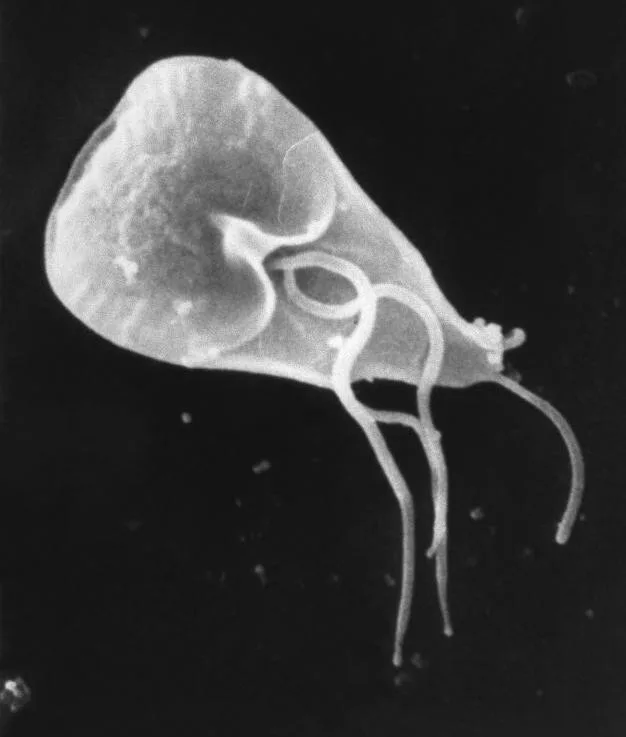
- Giardia and coccidia are microscopic parasites (protozoa), not worms, so routine dewormers such as pyrantel or praziquantel alone do not clear them.
- Both are most common in puppies, kittens, shelter animals and dogs that drink from puddles or drains.
- Typical signs are soft, smelly, mucus-coated or watery diarrhoea that keeps coming back; many carriers show no signs at all.
- Diagnosis needs a proper stool test (flotation, antigen test or PCR), sometimes repeated, because the parasites are shed on and off.
- Cleaning, bathing and removing stool daily are as important as medicine; otherwise pets re-infect themselves.
- Some Giardia types can infect people, so wash hands well and take care around children.
If your puppy or kitten has diarrhoea that improves with treatment and then returns, or a dog passes greasy, foul-smelling stool despite deworming, two parasites are often to blame: Giardia and coccidia. Both are single-celled organisms that live in the intestine. They are very common in Indian puppies from pet shops, breeders and shelters, and in dogs that drink outdoor water. This article explains how they spread, how vets diagnose them, the treatment options, and how to stop the cycle at home.
In this article
Take your pet to a vet the same day if there is blood in the stool, repeated vomiting, refusal to eat, weakness, or a very young puppy or kitten with watery diarrhoea. Use our dehydration check while you arrange the visit. Parvovirus can look similar in puppies; see parvo in dogs.
Giardia vs coccidia at a glance
| Feature | Giardia | Coccidia (Cystoisospora) |
|---|---|---|
| Organism | Giardia duodenalis (also called G. intestinalis or G. lamblia) | Cystoisospora canis and C. ohioensis group in dogs; C. felis and C. rivolta in cats |
| Infective form | Cysts, infective as soon as they are passed in stool | Oocysts, which need hours to days outside the body to become infective |
| Where it lives | Small intestine lining (trophozoites attach to the gut wall) | Inside cells of the small and large intestine |
| Typical stool | Soft, pale, greasy, foul-smelling, with mucus; may be intermittent | Watery to mucoid, sometimes with blood, often in young or stressed animals |
| Who gets sick | Puppies, kittens, kennel and shelter dogs; adults can carry it silently | Mainly puppies and kittens under 6 months, or after stress (travel, new home, weaning) |
| Infects people? | Some types (assemblages A and B) can; dog types C and D and cat type F usually do not | Dog and cat Cystoisospora do not infect people |
| Resistant in environment? | Survives weeks to months in cool, moist places | Very hardy; resists most common disinfectants |
How pets get infected
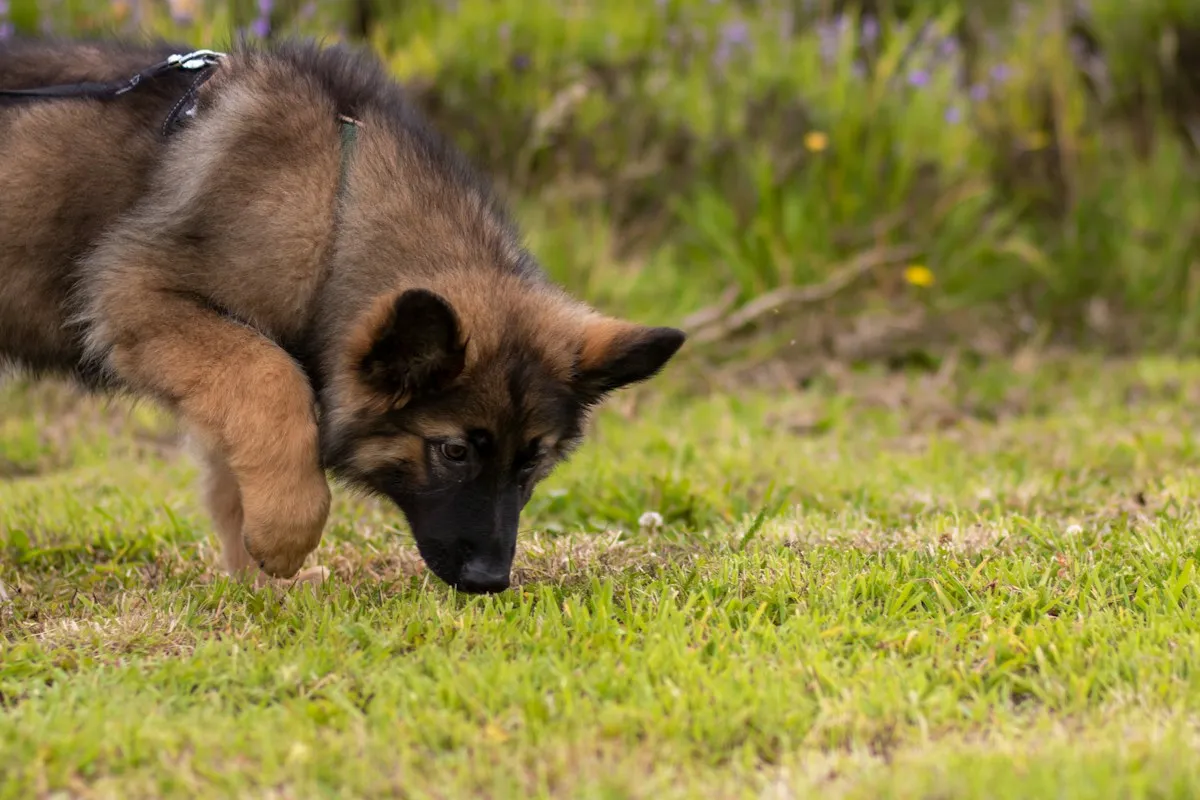
- Swallowing cysts or oocysts from contaminated water, soil, grass, food bowls, toys or paws, or by grooming a dirty coat.
- Drinking from puddles, drains, ponds and tanks, very common for street dogs and dogs walked in the monsoon.
- Crowded housing: pet shops, puppy mills, breeding kennels, shelters and boarding facilities.
- Coccidia in particular: eating infected mice, lizards or other small animals that carry the parasite in their tissues.
- Re-infection from their own coat and surroundings, which is why infections often seem to “come back”.
Life cycle in simple terms
Giardia
- A pet swallows cysts.
- In the intestine each cyst releases trophozoites, pear-shaped organisms with a sucking disc and whip-like flagella.
- Trophozoites attach to the gut lining, multiply and interfere with digestion and absorption, especially of fat.
- They form new cysts that pass in the stool and are immediately infective. Signs can start within about 1 to 2 weeks of infection.
Coccidia
- A puppy or kitten swallows sporulated oocysts, or eats a small animal carrying the parasite.
- The parasite invades intestinal cells and multiplies in several rounds, destroying cells as it goes.
- New oocysts pass in the stool. They are not infective at first and sporulate within hours to a few days in warm, moist conditions, which is typical of Indian summers and monsoons.
Symptoms
Giardia
- Soft, pale, greasy or “cow-pat” stools with a strong smell
- Mucus on the stool, sometimes a little fresh blood
- Diarrhoea that comes and goes over weeks
- Gas, tummy rumbling and mild discomfort
- Weight loss or poor growth despite a good appetite
- Occasional vomiting
- Many adult dogs carry Giardia without any signs but still shed cysts
Coccidia
- Watery or mucoid diarrhoea, sometimes with blood
- Straining, dehydration and weight loss
- Poor appetite and weakness in heavy infections
- Most severe in puppies and kittens a few weeks old, or in animals with other infections such as parvovirus, worms or cat flu
- Adult dogs and cats usually show no signs
How vets diagnose them

| Test | What it shows | Notes |
|---|---|---|
| Faecal flotation with centrifugation (zinc sulphate) | Giardia cysts and coccidia oocysts | The standard test; shedding is intermittent, so a negative result may need repeating on 3 samples over 3 to 5 days |
| Direct wet smear | Moving Giardia trophozoites (“falling leaf” motion) | Needs a very fresh stool; quick but misses many cases |
| Giardia antigen test (ELISA or in-clinic snap test) | Giardia proteins | Sensitive; used together with flotation. Can stay positive for a while after successful treatment |
| PCR panel | DNA of Giardia, coccidia and other pathogens | Can identify the Giardia assemblage, useful when zoonotic risk is a concern |
Your vet may also check for worms, parvovirus and dietary causes at the same time, because several problems often occur together in young animals.
Treatment
All treatment should be prescribed by a vet, with the dose based on your pet’s weight and age. Commonly used options include:
| Parasite | Medicines vets commonly use | What to expect |
|---|---|---|
| Giardia | Fenbendazole for several days; metronidazole; or both together for stubborn cases. A combination tablet containing febantel is used in some countries | Stools usually improve within a week; treatment is repeated or extended if signs persist |
| Coccidia | Toltrazuril or ponazuril (single or short course); sulfadimethoxine or trimethoprim-sulfa | Diarrhoea often settles in a few days; treating all litter mates at once is common |
Supportive care your vet may add:
- Fluids for dehydration
- An easily digestible or high-fibre diet for a few days
- Probiotics
- Treatment for other parasites found on the stool test
Do not give metronidazole or any antibiotic left over from a previous illness. Wrong doses can cause neurological side effects, and metronidazole does not treat coccidia.
Stopping re-infection at home
This is the step most owners miss, and the main reason these parasites keep coming back.
- Pick up stool immediately, at least daily, and dispose of it in a sealed bag. Do not leave it in the garden or on the terrace.
- Bathe your pet on the last day of Giardia treatment with a pet shampoo (your vet may suggest chlorhexidine), paying attention to the area under the tail, to remove cysts stuck in the coat.
- Clean floors and kennels: remove debris, wash with detergent and hot water, then let the area dry completely. Drying kills many cysts.
- Use the right disinfectant: quaternary ammonium products help against Giardia. Coccidia oocysts resist most disinfectants; steam cleaning or boiling water works better.
- Wash bowls, toys and bedding in hot water daily during treatment.
- Give clean drinking water: do not let your dog drink from puddles, drains or ponds, especially in the monsoon.
- Treat all in-contact pets if your vet advises it, especially litters and multi-dog homes.
- Retest only if signs continue: a healthy dog with no diarrhoea after treatment usually does not need repeated tests, but a dog that still has signs should be checked again.
Can people catch it?
- Giardia: some assemblages can infect people. A study from a tea-growing community in Assam found the same Giardia types in dogs and people living together, so close contact matters in India. Children, the elderly and people with weak immunity are most at risk.
- Coccidia: dog and cat Cystoisospora species do not infect people.
- Hygiene: wash hands with soap after handling stool or bathing your pet, keep pets off kitchen counters, and do not let young children play in areas where dogs defecate.
Frequently asked questions
My puppy has been dewormed. Why does it still have diarrhoea?
Most dewormers kill roundworms and tapeworms but not Giardia or coccidia. A stool test is needed to look for these protozoa.
Is Giardia dangerous for adult dogs?
Usually not life-threatening. Many adults carry it without signs. Puppies, kittens and pets with other illnesses suffer more.
How long does treatment take?
Usually 3 to 10 days of medicine depending on the drug, followed by bathing and cleaning. Some pets need a second course.
Should I keep my dog away from other dogs?
Yes, during treatment avoid parks and daycare, and pick up stool promptly to protect other pets.
Can my cat get coccidia from my dog?
Generally no. Cystoisospora species are host-specific: dog types infect dogs and cat types infect cats. Giardia can sometimes pass between pets.
Is curd or rice enough to cure Giardia?
A bland diet helps the gut settle but does not kill the parasite. Medicine from your vet and good hygiene are needed. See our dog vomiting and diarrhoea home care guide for diet tips.
Related Articles
- Heartworm in Dogs and Cats in India: Life Cycle, Stages, Tests, Treatment and Prevention
- Kidney Disease in Dogs and Cats: IRIS Stages, Symptoms, Renal Diet and Treatment
- Is My Dog or Cat Dehydrated? 1-Minute Gum and Skin Tent Check, ORS and When To See a Vet
- Parvo in Dogs and Puppies: Stages, Treatment, Recovery Diet and Home Care (Day by Day)
References
- Companion Animal Parasite Council (CAPC). Giardia: Guidelines for Diagnosis, Treatment and Control in Dogs and Cats.
- European Scientific Counsel Companion Animal Parasites (ESCCAP). Guideline 06: Control of Intestinal Protozoa in Dogs and Cats.
- Tangtrongsup S, Scorza V. Update on the diagnosis and management of Giardia spp infections in dogs and cats. Topics in Companion Animal Medicine. 2010;25(3):155-162.
- Ballweber LR, Xiao L, Bowman DD, Kahn G, Cama VA. Giardiasis in dogs and cats: update on epidemiology and public health significance. Trends in Parasitology. 2010;26(4):180-189.
- Lappin MR. Update on the diagnosis and management of Isospora spp infections in dogs and cats. Topics in Companion Animal Medicine. 2010;25(3):133-135.
- Traub RJ, Monis PT, Robertson I, Irwin P, Mencke N, Thompson RCA. Epidemiological and molecular evidence supports the zoonotic transmission of Giardia among humans and dogs living in the same community. Parasitology. 2004;128(3):253-262.
More on Cat Health and Symptoms

FIP (Feline Infectious Peritonitis) in Kittens and Cats: Wet vs Dry Signs, A:G Ratio Test and Modern Antiviral Treatment
FIP in cats: how coronavirus mutates, wet vs dry signs, key blood and fluid tests, modern antiviral treatment, and prevention in multi-cat…
Heart Disease (HCM) in Cats: Silent Signs, Open-Mouth Breathing and Sudden Back-Leg Paralysis (Saddle Thrombus)
HCM heart disease in cats: at-risk breeds, open-mouth breathing, saddle thrombus paralysis, diagnosis, treatment and home breath counting.