 Written and reviewed by Dr. Vaishnavi Karmawat, B.V.Sc. & A.H., Registered Veterinary Practitioner
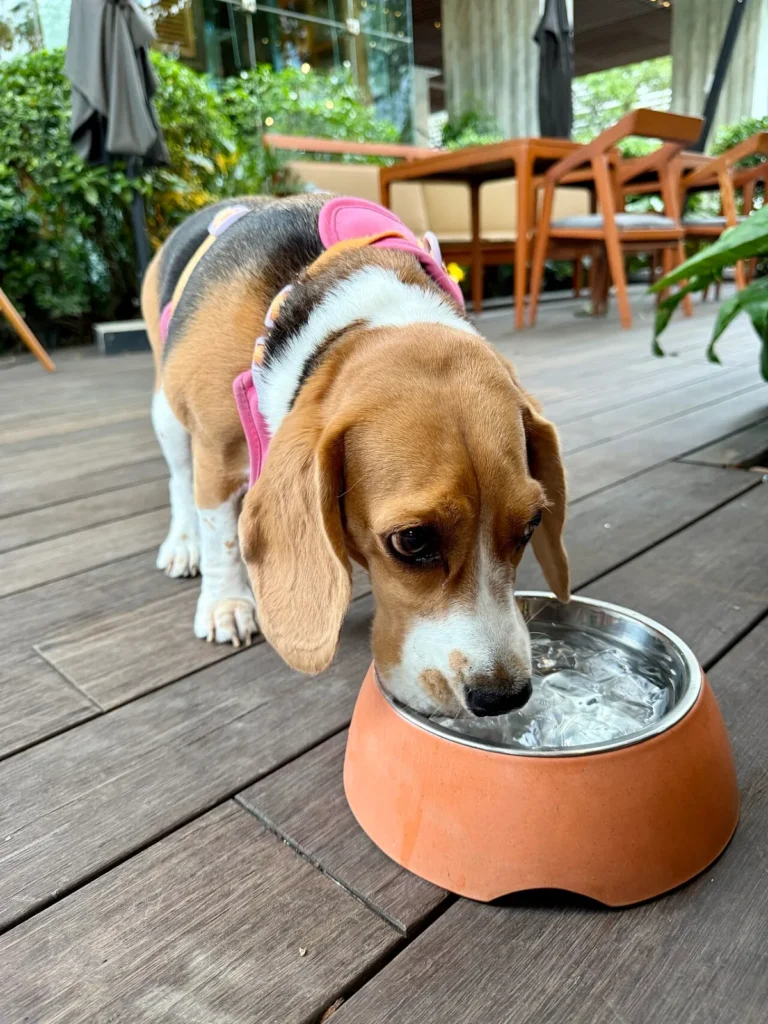
- Dehydration means your pet has lost more body water than it has taken in, usually from vomiting, diarrhoea, heat, fever or illness.
- Two quick home checks help: the gum check (wet and slippery is normal; dry or sticky is not) and the skin tent test over the shoulders.
- Mild dehydration in a bright adult pet can be helped with small, frequent drinks; moderate or severe dehydration needs fluids from a vet.
- Puppies, kittens, senior pets and those with kidney disease or diabetes become dangerously dehydrated much faster.
- ORS can help some mildly dehydrated dogs if a vet agrees, but it is not a substitute for a vet visit when a pet is vomiting or weak.
Water makes up roughly 60 percent of an adult dog’s or cat’s body. It carries nutrients, removes waste through the kidneys, cushions joints and, in dogs, is essential for cooling by panting. When a pet loses more fluid than it takes in, blood volume falls, organs get less blood and the balance of salts such as sodium and potassium is upset. In Indian summers, with vomiting and diarrhoea outbreaks in the monsoon and tick fever all year, dehydration is something every pet parent should know how to recognise. This guide shows you how to check your dog or cat at home in under a minute, and when it is time to see a vet.
In this article
See a vet urgently if your pet is dehydrated and vomiting, has diarrhoea with blood, is weak or collapsed, has pale or grey gums, cold paws, a racing heart, or is a puppy or kitten. These pets need fluids by drip or injection.
Why pets become dehydrated
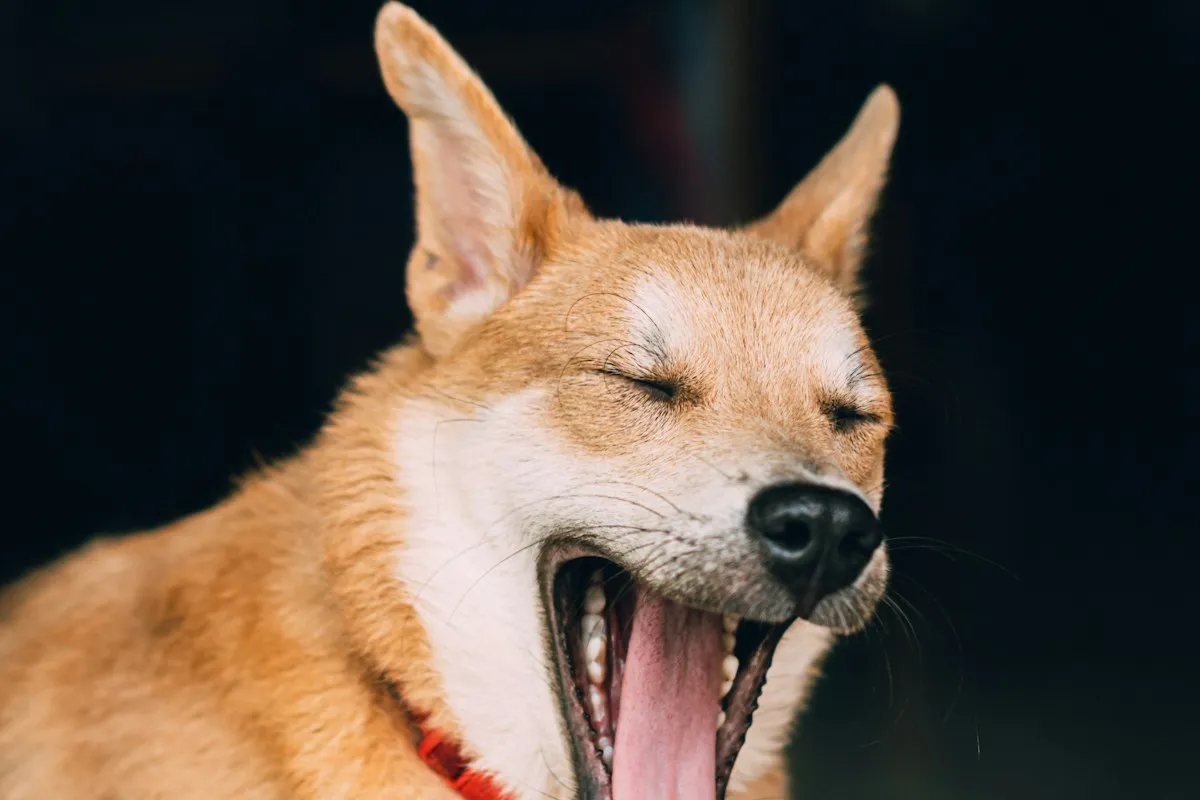
- Vomiting and diarrhoea from dietary upsets, parvovirus, worms, Giardia or poisoning
- Heat and exercise, especially heatstroke in dogs during Indian summers. See heatstroke in dogs.
- Fever and infections, including tick fever. See tick fever in dogs.
- Not drinking enough: empty or dirty bowls, water left in the sun, pain in the mouth, nausea, or a pet that is too weak to drink
- Diseases that increase urine loss: chronic kidney disease, diabetes mellitus, Cushing’s disease and some liver diseases. See kidney disease in dogs and cats.
- Medicines such as diuretics (water tablets)
- Blood loss and burns
Cats naturally drink little and get much of their water from food. A cat fed only dry food, or a cat with kidney disease, is at higher risk.
How dehydration is graded
Vets estimate dehydration as a percentage of body weight lost as water.
| Estimated loss | What you may see |
|---|---|
| Under 5 percent | No visible signs yet; the history (for example vomiting) is the only clue |
| 5 to 6 percent | Gums slightly dry or tacky; skin goes back a little slowly |
| 6 to 8 percent | Skin clearly slow to return; dry gums; eyes may look a little dull |
| 8 to 10 percent | Skin stays tented; eyes sunken; dry gums; weakness |
| 10 to 12 percent | Signs of shock: weak fast pulse, cold paws, pale gums, slow capillary refill |
| Over 12 percent | Collapse and severe shock; life-threatening |
These are only estimates. Skin elasticity is affected by age and body fat, so vets combine several signs with blood tests.
The 1-minute home hydration check
1. Gum check
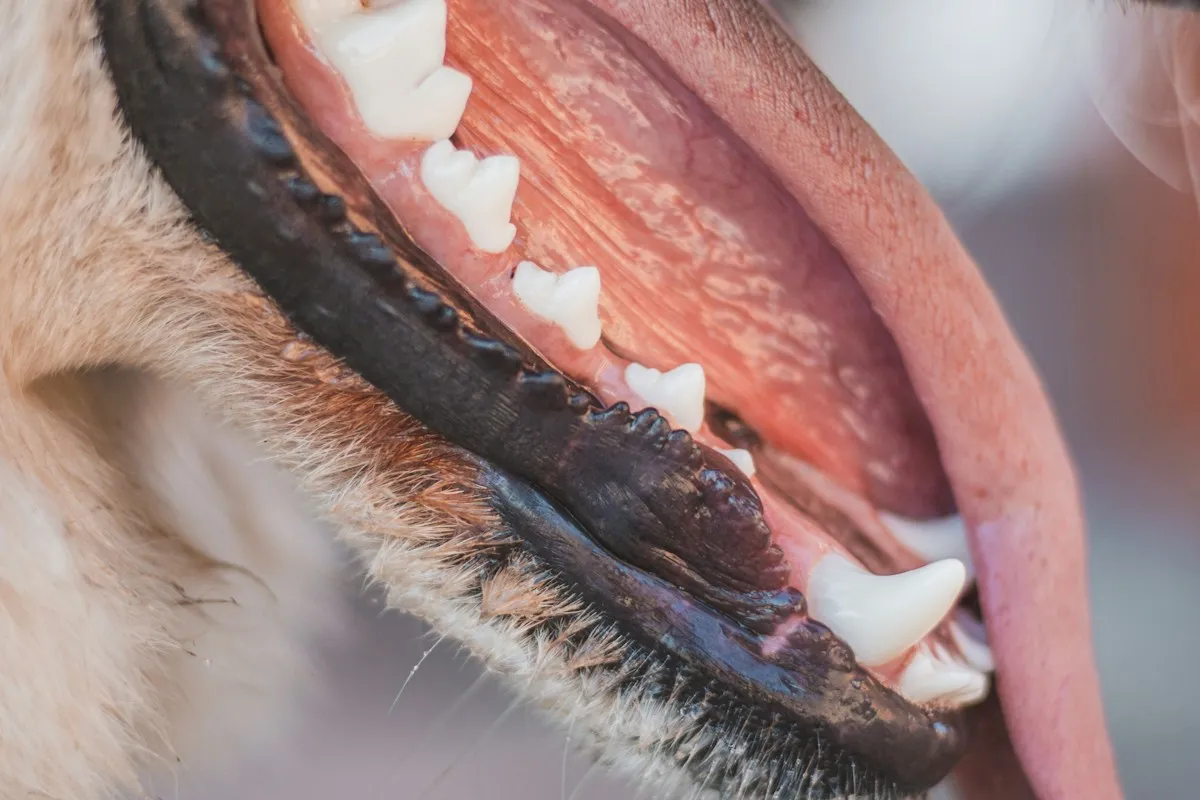
Lift the upper lip and touch the gum above a canine tooth.
- Normal: pink, wet and slippery.
- Dehydrated: dry or sticky (tacky), so your finger slightly sticks.
- Danger: pale, white, grey or blue gums, or very bright red gums in a hot, panting dog.
2. Capillary refill time (CRT)
Press a clean finger on the pink gum until the spot turns white, then let go and count.
- Normal: pink colour returns in under 2 seconds.
- Slow (over 2 seconds): poor circulation from dehydration or shock. See a vet.
3. Skin tent test
Gently lift a fold of skin over the shoulder blades or the back of the neck and let go.
- Normal: skin springs back flat almost at once.
- Dehydrated: skin returns slowly or stays standing in a “tent”.
Older and very thin pets have less elastic skin, and fat pets can look normal even when dehydrated, so use this test together with the gums and general behaviour.
4. Other signs
- Sunken, dull eyes
- Thick, ropey saliva and a dry nose
- Dark yellow, small amounts of urine, or no urine
- Weakness, lethargy and loss of appetite
- Heavy panting in dogs (also caused by heat, pain and fear)
Practise these checks on your pet when they are healthy so you know what normal feels like.
How much water do dogs and cats need?
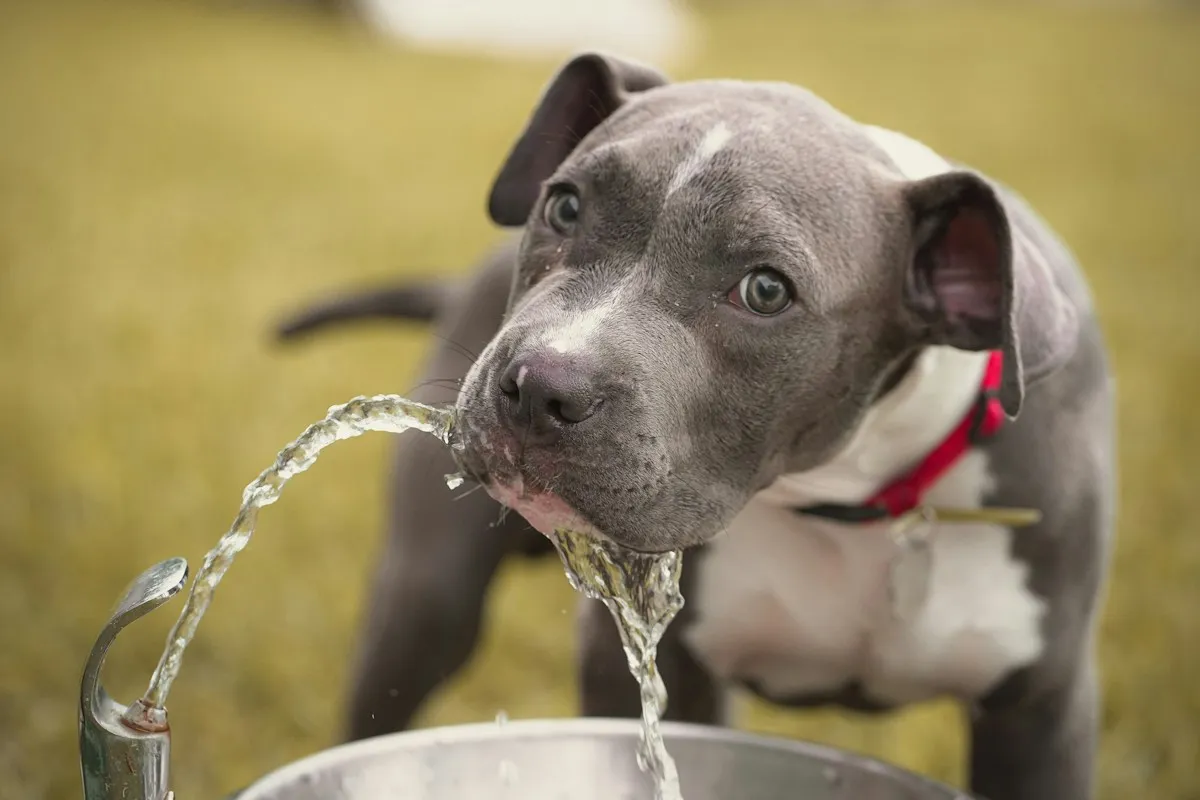
As a rough guide, healthy pets need about 50 to 60 ml of water per kg of body weight per day, including water in food. Needs rise with heat, exercise, lactation, fever and illness.
| Weight | Approximate daily water |
|---|---|
| 4 kg cat | 200 to 250 ml |
| 5 kg small dog | 250 to 300 ml |
| 15 kg medium dog | 750 to 900 ml |
| 30 kg large dog | 1.5 to 1.8 litres |
On hot days dogs may need almost double. A pet that suddenly drinks far more than usual for several days, without heat or exercise to explain it, should also see a vet, because it can be a sign of kidney disease, diabetes, Cushing’s disease or a uterine infection (pyometra) in unspayed females.
Home care for mild dehydration
Only for an adult pet that is bright, alert, not vomiting, and has only mild signs (slightly tacky gums, normal energy):
- Offer cool, fresh water little and often. Large gulps can trigger vomiting. As a guide: about 1 teaspoon for a cat or toy dog, 1 to 2 tablespoons for a medium dog and a quarter cup for a large dog, every 15 to 30 minutes, increasing if it stays down.
- Move your pet to a cool place with a fan.
- Add water to food: soak kibble or offer wet food. For cats, a little water mixed into wet food helps.
- Oral rehydration solution (ORS): a WHO-formula ORS sachet from a pharmacy, mixed exactly as the packet says, can be offered to mildly dehydrated dogs if your vet agrees. Do not add sugar or salt, and do not use sports drinks or flavoured electrolyte drinks with artificial sweeteners; xylitol is toxic to dogs. Check with your vet before giving ORS to cats.
- Watch urine output, energy and gums over the next few hours. If there is no improvement within a few hours, or any vomiting or weakness, see a vet.
Do not force water into the mouth of a weak, collapsed or vomiting pet. It can go into the lungs. Do not give milk, tea, salty soups, or coconut water in large amounts (high potassium), especially to pets with kidney or heart disease.
How vets treat dehydration
Your vet will examine your pet and may check packed cell volume and total protein (they rise with dehydration), kidney values, electrolytes, blood sugar and a urine sample. Treatment depends on severity and cause:
- Subcutaneous fluids: sterile fluid injected under the loose skin of the back, absorbed over several hours. Suitable for mild dehydration in pets that are not vomiting. Cats with kidney disease are often given these at home after training.
- Intravenous (IV) fluids by drip: needed for moderate to severe dehydration, shock, ongoing vomiting or diarrhoea, puppies and kittens. The vet calculates the fluid deficit plus ongoing losses and maintenance needs, and adds potassium or glucose if required.
- Treating the cause: anti-nausea medicines, treatment of infection or parasites, cooling for heatstroke, insulin for diabetes and so on.
- Monitoring: weight, urine output, gums and repeat blood tests to make sure fluids are working without overloading the heart.
Puppies and kittens
Young animals have less body reserve and can become dangerously dehydrated and low in blood sugar within hours of vomiting or diarrhoea. Do not try home care for a puppy or kitten that is vomiting, has diarrhoea or has stopped feeding. Take them to a vet the same day. See our parvovirus guide and rescued desi kitten care.
Preventing dehydration
- Keep two or three clean water bowls in shaded places, and refill them at least twice a day in summer.
- Carry water and a bowl on walks and car journeys.
- Avoid walks and play between 11 AM and 5 PM in hot months.
- For cats, offer wet food and a water fountain or several wide bowls away from the litter box.
- Keep vaccinations, deworming and tick control up to date to prevent the infections that cause vomiting and diarrhoea.
- Do not let dogs scavenge rubbish or drink from drains and puddles.
- Take senior pets and those with kidney disease or diabetes for regular check-ups, and ask your vet about their daily water target.
Frequently asked questions
How can I tell if my dog is dehydrated at home?
Check the gums (they should be wet and slippery), press the gum and see if pink returns within 2 seconds, and gently lift the skin over the shoulders to see if it springs back. Sunken eyes, thick saliva and low energy are more serious signs.
Can I give ORS to my dog?
A plain WHO-formula ORS made exactly as directed can help a mildly dehydrated dog that is drinking and not vomiting, if your vet agrees. It is not enough for a dog that is vomiting, weak, or a puppy; these dogs need a vet.
Is coconut water good for a dehydrated dog?
A few spoons are usually fine for a healthy dog, but coconut water is high in potassium and not a balanced rehydration fluid. Do not use it for pets with kidney or heart disease.
My dog is not drinking water. Should I worry?
Dogs drink less in cool weather or when eating wet food. But a dog that drinks almost nothing for a day, or also refuses food, vomits or is dull, needs a vet. Mouth pain, nausea and fever are common reasons.
Why is my cat dehydrated even though water is available?
Cats have a low thirst drive and often prefer running water or bowls away from food and litter. Kidney disease, hyperthyroidism and diabetes also increase water loss. Wet food and water fountains help, and a vet check is wise for older cats.
How long can a dog go without water?
Healthy dogs can become dehydrated within a day without water, faster in heat. Puppies, small dogs and sick dogs are affected sooner. Never restrict water unless your vet advises it before surgery.
Related Articles
- Dog Pooping Blood in India: Red Blood (Hematochezia) vs Black Tarry Stool (Melena), Causes and When To See a Vet
- Lumps, Fatty Tumours, Warts and Cancer on Dogs: When a Lump Needs a Vet Check
- Dog Not Eating: Causes, What To Do, and When To See a Vet
- Heartworm in Dogs and Cats in India: Life Cycle, Stages, Tests, Treatment and Prevention
References
- DiBartola SP, ed. Fluid, Electrolyte, and Acid-Base Disorders in Small Animal Practice. 4th ed. St. Louis: Elsevier Saunders; 2012.
- Davis H, Jensen T, Johnson A, et al. 2013 AAHA/AAFP fluid therapy guidelines for dogs and cats. Journal of the American Animal Hospital Association. 2013;49(3):149-159.
- Hansen B, DeFrancesco T. Relationship between hydration estimate and body weight change after fluid therapy in critically ill dogs and cats. Journal of Veterinary Emergency and Critical Care. 2002;12(4):235-243.
- Merck Veterinary Manual. Fluid Therapy in Animals.
- World Health Organization. Oral rehydration salts: production of the new ORS. 2006.
More on Cat Health and Symptoms
Prednisolone (Wysolone) for Dogs and Cats: Uses, Side Effects, Tapering, and the Truth About Steroid Injections
Uses and side effects of prednisolone, why it must be tapered, the danger of mixing with painkillers, and the truth about steroid…

FIP (Feline Infectious Peritonitis) in Kittens and Cats: Wet vs Dry Signs, A:G Ratio Test and Modern Antiviral Treatment
FIP in cats: how coronavirus mutates, wet vs dry signs, key blood and fluid tests, modern antiviral treatment, and prevention in multi-cat…