 Written and reviewed by Dr. Vaishnavi Karmawat, B.V.Sc. & A.H., Registered Veterinary Practitioner
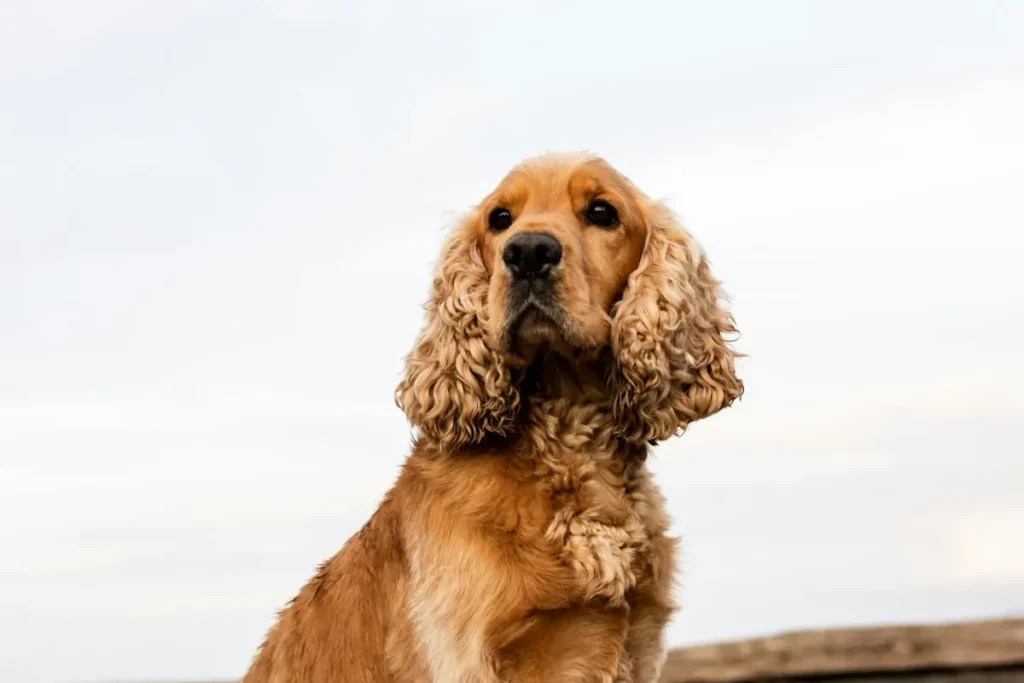
Ear infections are one of the most common reasons dogs visit the vet in India, especially during the humid monsoon months and in floppy-eared breeds such as Cocker Spaniels, Labradors and Golden Retrievers. Regular ear checks catch problems early, and correct cleaning helps ears that are prone to infection. But cleaning too often, or with the wrong things such as earbuds, oil or hydrogen peroxide, can cause the very problems you are trying to prevent.
In this article
Here is how a dog’s ear is built, which breeds need extra care, how to check ears weekly, a safe step-by-step cleaning method, how often to clean, and when to see the vet.
Key Takeaways
- Check your dog’s ears once a week. Healthy ears are pale pink, with little wax and no bad smell.
- Dogs have a long, L-shaped ear canal that traps moisture and wax, so floppy-eared, hairy-eared and allergic dogs are prone to infection.
- Healthy ears often need no cleaning at all. Over-cleaning can irritate the canal and cause infection.
- Clean only with a veterinary ear cleaner. Never use cotton buds inside the canal, or oil, hydrogen peroxide, alcohol, vinegar or Dettol.
- Dry ears after baths and swimming; a drying ear cleaner helps prone dogs.
- Redness, smell, discharge, pain, head shaking or a head tilt need a vet check before any treatment, because some medicines can cause deafness if the eardrum is damaged.
How a Dog’s Ear Works
A person’s ear canal is short and straight. A dog’s ear canal is much longer and shaped like an L: it runs down (the vertical canal) and then turns inward (the horizontal canal) towards the eardrum. This shape protects the eardrum but also makes it easy for water, wax and debris to collect at the bend. Glands in the canal lining produce wax, which normally moves outward on its own, carrying dirt with it.
When the ear is warm, dark and damp, as happens under heavy ear flaps, with hairy canals, after swimming or bathing, or in humid weather, yeast (Malassezia) and bacteria that normally live there in small numbers can overgrow and cause otitis externa. See our full guide to ear infections in dogs.
Breeds Prone to Ear Problems
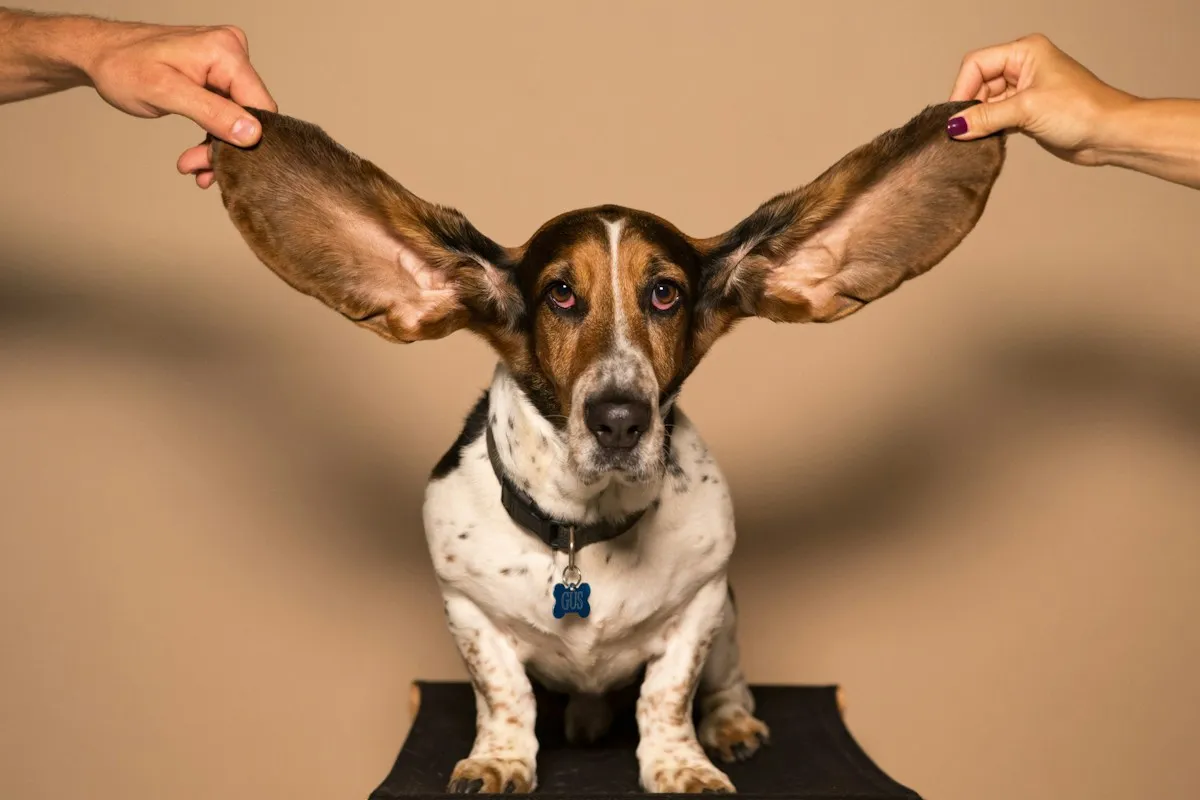
| Risk factor | Breeds commonly affected |
|---|---|
| Long, heavy, floppy ears | Cocker Spaniel, Basset Hound, Beagle, Golden Retriever, Labrador, Bloodhound |
| Hair growing inside the canal | Poodle, Shih Tzu, Lhasa Apso, Maltese, Bichon Frise, Schnauzer |
| Narrow canals or skin folds | Pug, French and English Bulldog, Shar-Pei |
| Allergies (the most common underlying cause) | Labrador, Golden Retriever, German Shepherd, Shih Tzu, Cocker Spaniel, French Bulldog |
| Water exposure | Any dog that swims or is bathed often, especially Labradors and Golden Retrievers |
Indie dogs, with their upright, open ears, have fewer ear problems, but they can still get ticks, ear mites and grass seeds in the ear.
How To Check Your Dog’s Ears Weekly
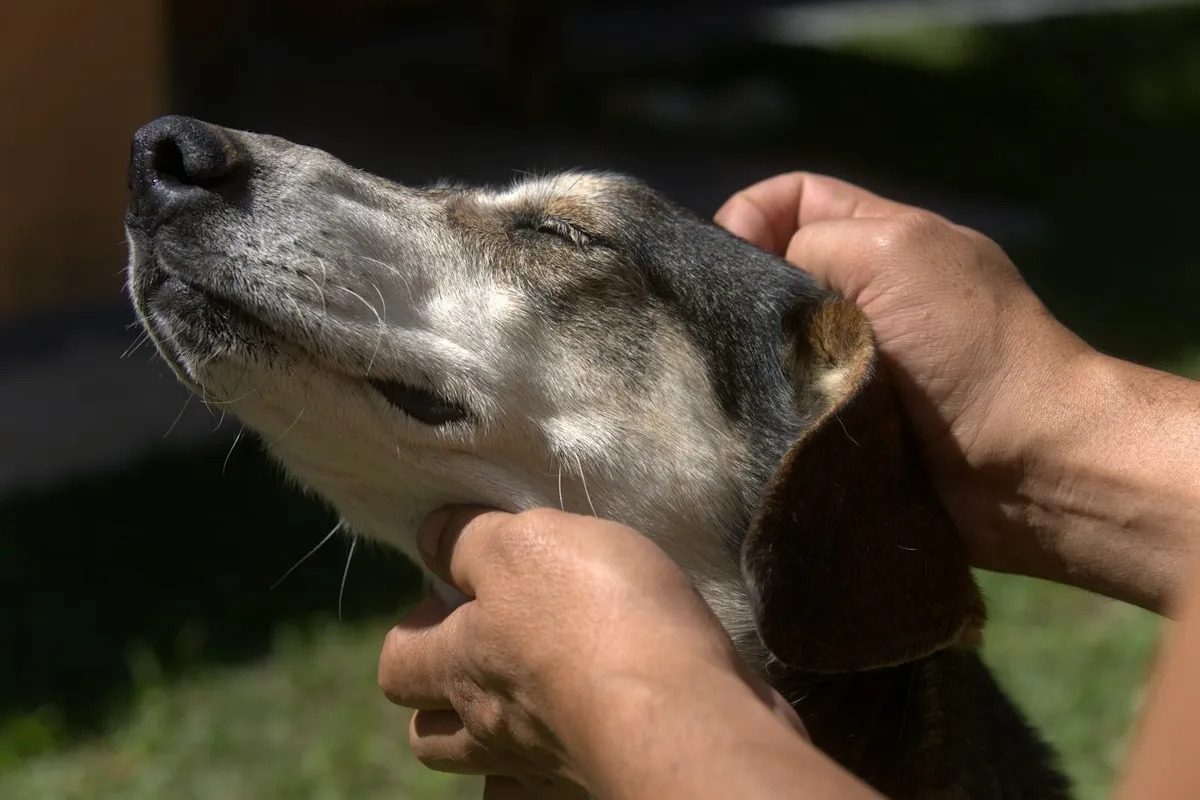
- Choose a calm time and offer treats. Start ear handling in puppyhood so it becomes routine.
- Lift the ear flap and look into the opening in good light.
- Smell the ear. A healthy ear has little or no smell.
- Gently feel the base of the ear. Watch for flinching, crying or pulling away.
- Compare both ears.
| Healthy ear | Signs of a problem |
|---|---|
| Pale pink skin | Red, swollen or thickened skin |
| A small amount of light-yellow or light-brown wax | Dark brown or black wax, yellow pus, or blood |
| No smell or a mild waxy smell | A sour, yeasty or foul smell |
| Your dog is relaxed when the ear is touched | Pain, head shaking, scratching, rubbing the ear on the floor |
| Normal head carriage | Head tilt, loss of balance, circling or flickering eyes (possible middle or inner ear infection) |
Dry, dark, crumbly debris that looks like coffee grounds, especially in puppies or homes with cats, suggests ear mites. A soft, fluid-filled swelling of the ear flap is an aural haematoma, usually caused by violent head shaking, and needs a vet.
How Often Should You Clean Your Dog’s Ears?
| Dog | How often |
|---|---|
| Healthy ears, no history of problems | Usually no routine cleaning; just weekly checks and wiping the visible outer flap if dirty |
| Floppy-eared, hairy-eared or allergic dog with recurring infections | As advised by your vet, often once every one to two weeks with a veterinary cleaner |
| After swimming or a bath | Dry the ears; use a drying ear cleaner if your dog is prone to infections |
| During an infection | Only as directed by your vet, alongside prescribed medicine |
Veterinary dermatologists warn that cleaning healthy ears every day can soften and damage the skin lining the canal (maceration) and upset its natural balance, making infections more likely.
How To Clean Your Dog’s Ears Safely
You will need a veterinary ear cleaner recommended by your vet, cotton wool or gauze, treats, and a towel. Cleaning outdoors or in the bathroom saves the walls from the head shake.
- Hold the ear flap up to straighten the canal.
- Fill the canal with cleaner. Squeeze the bottle so the solution runs into the canal, without pushing the nozzle deep into the ear. If the tip touches the ear, wipe it clean before the next dog.
- Massage the base of the ear (below the opening) gently for 20 to 30 seconds. You should hear a squelching sound as the cleaner loosens wax.
- Let your dog shake its head. This brings debris up from the bend in the canal.
- Wipe away loosened wax from the opening and inner flap with cotton wool, going only as deep as your finger reaches comfortably.
- Reward your dog and repeat on the other ear with fresh cotton.
What NOT to put in your dog’s ears
- Cotton buds (earbuds): they push wax deeper towards the eardrum and can injure the canal or eardrum.
- Mustard oil, coconut oil, garlic oil or other home oils: oil traps moisture and feeds yeast, and some oils irritate.
- Hydrogen peroxide: it fizzes, irritates healthy tissue and leaves the canal wet.
- Alcohol, spirit, vinegar, Dettol, phenyl or turmeric paste: they sting inflamed skin and can damage the canal.
- Leftover ear drops from another pet or a previous infection: the wrong medicine can make an infection worse or cause deafness if the eardrum is damaged.
Should ear hair be plucked?
Routine plucking of ear-canal hair in dogs without ear problems is no longer recommended by many vets, because it can inflame the canal. In dogs with heavy hair and recurring infections, your vet or groomer may trim or remove some hair. Ask before plucking.
When To See the Vet
- Redness, swelling, smell or discharge
- Pain when the ear is touched
- Frequent head shaking or scratching
- A head tilt, loss of balance or flickering eyes
- A swollen, puffy ear flap
- Ear problems that keep coming back
Your vet will look down the canal with an otoscope to check the eardrum and examine a swab under the microscope (ear cytology) to identify yeast, bacteria or mites. Treatment usually includes ear cleaning and prescription drops, sometimes long-acting gels applied in the clinic, and treating the underlying cause, often allergies. Chronic, untreated infections can scar and narrow the canal and may eventually need major surgery.
Cleaning Cats’ Ears
Most healthy cats keep their ears clean and need no routine cleaning. Check the ears during grooming. Dark crumbly debris usually means ear mites, especially in kittens; redness, smell or a head tilt needs a vet. If your vet asks you to clean a cat’s ears, use only a cat-safe cleaner and wipe the outer ear gently. Many products and essential oils that are safe for dogs are not safe for cats.
Frequently Asked Questions
Can I clean my dog’s ears with water?
Plain water does not dissolve wax well and leaves the canal damp. Use a veterinary ear cleaner.
Why does my dog’s ear smell bad?
A sour or yeasty smell usually means a yeast or bacterial infection. See your vet before cleaning or using drops.
Can I use baby wipes on my dog’s ears?
Unscented wipes can be used on the outer ear flap only, not inside the canal.
My dog hates having its ears cleaned. What can I do?
Go slowly, warm the bottle in your hand, use plenty of treats, and practise touching the ears without cleaning. If the ears are painful, your dog likely has an infection that needs treatment first.
This article is for education and does not replace veterinary advice.
Related Articles
- Dog Hair Fall: Normal Shedding or a Skin Problem?
- Amoxicillin, Amoxicillin-Clavulanate and Cephalexin for Dogs and Cats: Skin Infections, Wounds and Why Stopping Early Causes Relapse
- Most Popular Dog Breeds in India: Climate Suitability, Common Diseases and Care Guide
- Lumps, Fatty Tumours, Warts and Cancer on Dogs: When a Lump Needs a Vet Check
References
- PetMD Editorial, Grzyb K. How to Check for Dog Ear Problems. PetMD, 2018.
- PetMD. Dog Breeds Prone to Ear Infections.
- Nuttall T. Successful management of otitis externa. In Practice, 2016;38(Suppl 2):17–21.
- Paterson S. Discovering the causes of otitis externa. In Practice, 2016;38(Suppl 2):7–11.
- Miller WH, Griffin CE, Campbell KL. Muller and Kirk’s Small Animal Dermatology, 7th ed. Elsevier, 2013.
More on Dog Skin and Allergies
Why Does My Dog Keep Licking? Paws, Floor, Hands and Canine Compulsive Disorder
Why dogs lick their paws, floors and people: allergies, yeast, ticks, nausea and compulsive licking, how to check paws, and when to…
Bravecto vs Simparica vs NexGard for Dogs: Tick and Flea Tablets, Weight Charts, Fake Tablet Checks and Seizure Precautions
Bravecto vs Simparica vs NexGard: how each kills ticks and fleas, how long it lasts, weight bands, seizure precautions and spotting fake…