 Written and reviewed by Dr. Vaishnavi Karmawat, B.V.Sc. & A.H., Registered Veterinary Practitioner
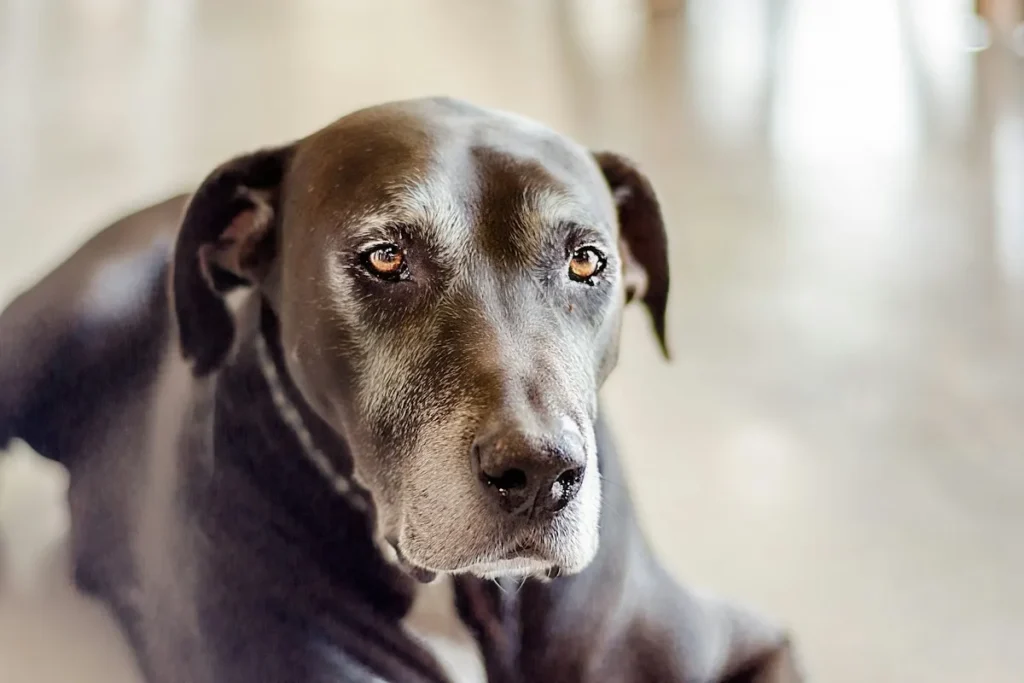
“One dog year equals seven human years” is one of the best-known pet sayings, but it is wrong. Dogs grow up much faster than that in their first two years, then age more slowly, and the pace depends heavily on body size. A ten-year-old Shih Tzu and a ten-year-old Great Dane are at completely different stages of life.
In this article
Here is how to convert your dog’s age into human years, how long different sizes of dog usually live, when your dog becomes a senior, the signs of ageing, and how to help your dog live a longer, healthier life.
Key Takeaways
- The seven-year rule is a myth. A one-year-old dog is roughly like a 15-year-old teenager, and a two-year-old dog like a 24-year-old adult.
- After age two, each year counts as about 4 human years for small dogs, 5 for medium dogs, 5 to 6 for large dogs and 7 to 8 for giant breeds.
- Small dogs often live 13 to 16 years or more; giant breeds often only 7 to 10.
- Dogs are considered seniors at about 75 percent of their expected lifespan: around 10 to 11 years for small dogs but as early as 5 to 6 for giant breeds.
- Keeping your dog slim is one of the best proven ways to add years: lean Labradors in a lifelong study lived about two years longer.
- Senior dogs should see the vet every six months, with blood and urine tests to catch kidney, liver, heart and other problems early.
How To Calculate Your Dog’s Age in Human Years
Dogs race through puppyhood and adolescence. By their first birthday most dogs are sexually mature and nearly full grown, similar to a human teenager. By two, they are physically and mentally mature adults. After that, the rate of ageing slows, but big dogs keep ageing faster than small ones. Scientists do not yet fully understand why large dogs age faster, but growth-related hormones such as IGF-1 are thought to play a part.
| Dog’s age (years) | Small (up to 9 kg) | Medium (10–22 kg) | Large (23–40 kg) | Giant (over 40 kg) |
|---|---|---|---|---|
| 1 | 15 | 15 | 15 | 15 |
| 2 | 24 | 24 | 24 | 24 |
| 3 | 28 | 29 | 30 | 32 |
| 4 | 32 | 34 | 36 | 40 |
| 5 | 36 | 39 | 42 | 48 |
| 6 | 40 | 44 | 48 | 56 |
| 7 | 44 | 49 | 54 | 64 |
| 8 | 48 | 54 | 60 | 72 |
| 9 | 52 | 59 | 66 | 80 |
| 10 | 56 | 64 | 72 | 88 |
| 11 | 60 | 69 | 78 | 96 |
| 12 | 64 | 74 | 84 | 104 |
| 13 | 68 | 79 | 90 | — |
| 14 | 72 | 84 | 96 | — |
| 15 | 76 | 89 | — | — |
| 16 | 80 | 94 | — | — |
These figures are approximate guides, not exact science. Breed, genetics, health and lifestyle all affect how quickly an individual dog ages. Researchers are also developing “epigenetic clocks” that measure chemical changes (methylation) on DNA to estimate a dog’s biological age more accurately.
Examples
- An 8-year-old Shih Tzu or Pomeranian is roughly 48 in human terms: middle-aged.
- An 8-year-old Labrador or German Shepherd is roughly 60: entering the senior years.
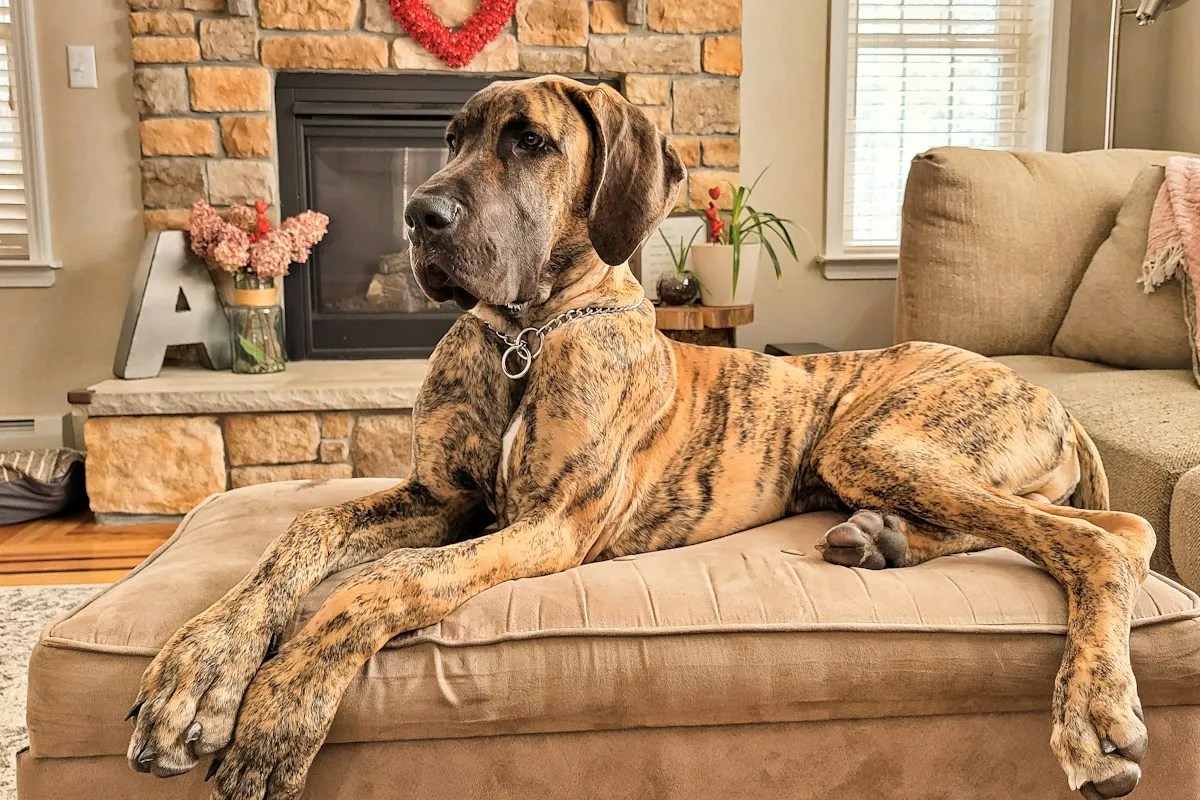
- An 8-year-old Great Dane or Saint Bernard is roughly 72: already geriatric.
How Long Do Dogs Live?
| Size | Examples | Typical life expectancy | Becomes a senior at about |
|---|---|---|---|
| Small | Chihuahua, Pomeranian, Shih Tzu, Lhasa Apso, Pug, Dachshund | 12–16+ years | 10–12 years |
| Medium | Beagle, Cocker Spaniel, Indian Pariah (Indie), Border Collie | 11–14 years | 8–10 years |
| Large | Labrador, Golden Retriever, German Shepherd, Boxer, Rottweiler | 10–12 years | 7–8 years |
| Giant | Great Dane, Saint Bernard, Mastiff, Newfoundland | 7–10 years | 5–6 years |
Mixed-breed dogs and Indies often live long lives, commonly into their early to mid teens when well cared for, though reliable Indian data are limited. Some breeds have shorter lifespans because of inherited diseases, for example flat-faced breeds with breathing problems or breeds prone to certain cancers or heart disease.
Signs of Ageing in Dogs
| Normal ageing | May signal a health problem |
|---|---|
| Grey hair on the muzzle and face | Sudden weight loss or gain |
| A slight bluish haze in the eyes (nuclear sclerosis) with good vision | Cloudy white eyes with bumping into things (cataracts or other eye disease) |
| Gradual hearing loss | Sudden deafness, head tilt or loss of balance |
| Sleeping more, slower walks | Limping, stiffness on rising, reluctance to climb stairs (arthritis) |
| Some loss of muscle over the back and thighs | Drinking and urinating much more (kidney disease, diabetes, Cushing’s disease) |
| Worn teeth | Bad breath, red gums, dropping food (dental disease) |
| Mildly reduced activity | Coughing, fainting, tiring quickly, swollen belly (heart disease) |
| — | Night-time restlessness, getting lost at home, forgetting house training (cognitive dysfunction) |
| — | New lumps or bumps that grow |
Never assume a change is “just old age” without a check-up. Many conditions in senior dogs, including arthritis, kidney disease, heart disease, dental disease and hypothyroidism, are very treatable when found early.
Senior Dog Care: How To Help Your Dog Live Longer
1. Twice-yearly vet visits and screening tests
A senior dog ages the equivalent of several human years each calendar year, so a check every six months is like a person seeing a doctor every two years or so. Your vet may recommend blood tests (blood count, kidney and liver values, blood sugar, thyroid), urine tests, blood pressure measurement, and sometimes X-rays, ultrasound or heart tests. In India, tick-borne diseases also commonly cause anaemia and low platelets in older dogs. Read about kidney disease and heart failure in dogs.
2. Keep your dog lean
In a 14-year study of Labrador Retrievers, dogs fed 25 percent less than their litter-mates stayed leaner, developed arthritis later and lived a median of about 1.8 years longer. Aim for a body condition score of 4 to 5 on a 9-point scale: you should feel the ribs easily with a slight fat cover and see a waist from above.
3. Feed for life stage
Many senior dogs do well on a complete senior diet with high-quality protein to preserve muscle, controlled calories, and added omega-3 fatty acids. Dogs with kidney, heart or liver disease need diets prescribed by your vet. Do not cut protein drastically for a healthy senior. See our guide to supplements for dogs.
4. Look after joints and comfort
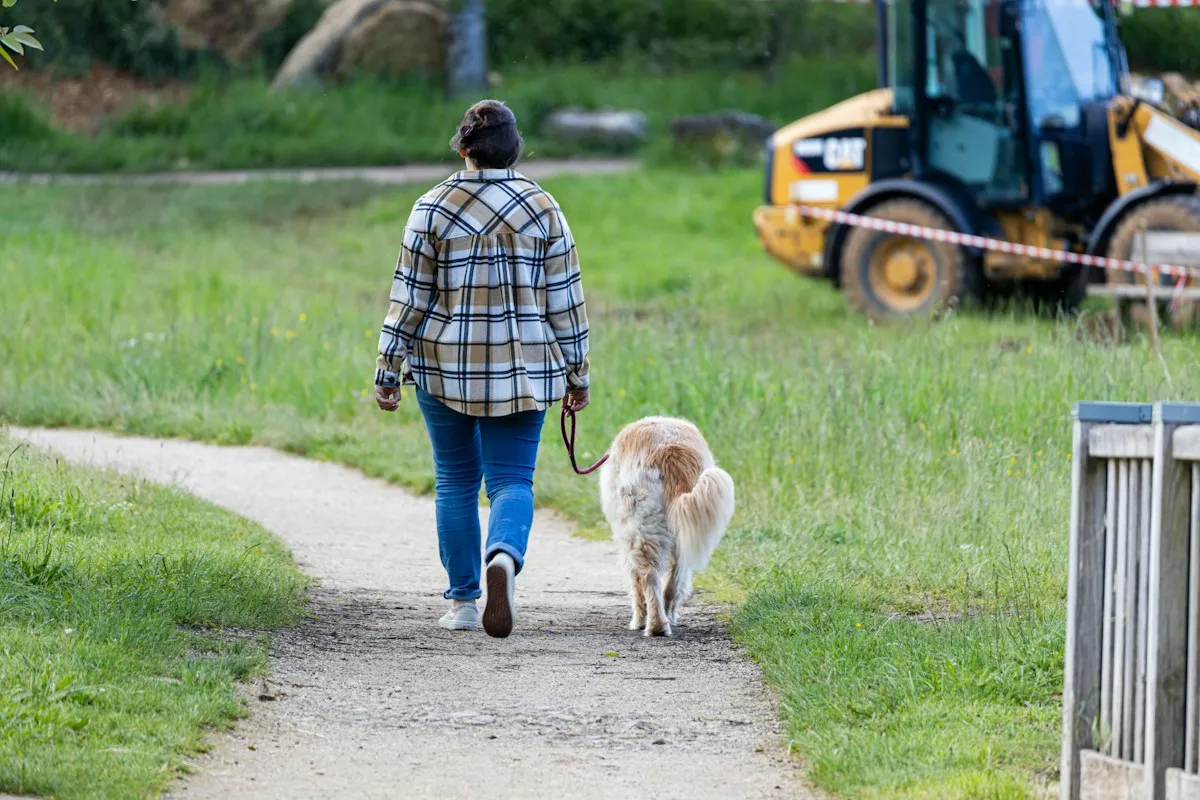
- Keep up regular, gentle walks; two shorter walks are better than one long one.
- Provide a thick, supportive bed and non-slip mats on tiled floors.
- Use ramps or steps for cars and beds.
- Ask your vet about pain relief for arthritis. Read arthritis in older dogs.
5. Care for teeth
Dental disease is extremely common in older dogs and causes pain and infection. Brush teeth with dog toothpaste, use dental chews and arrange professional cleaning under anaesthesia when your vet recommends it.
6. Keep the mind active
Puzzle feeders, short training sessions, sniffing walks and new toys help keep older dogs mentally sharp. Diets rich in antioxidants and omega-3s, and some medicines, can help dogs with cognitive dysfunction.
7. Protect seniors from heat
Older dogs, especially flat-faced, overweight and heart-disease patients, cope poorly with Indian summers. Walk early and late, provide shade, fans or cooling mats, and plenty of water.
How To Tell an Adopted Dog’s Age
For puppies, vets estimate age from the teeth: puppy teeth erupt at about 3 to 6 weeks and permanent teeth at about 3 to 7 months. In adult dogs, age is estimated from tooth wear and tartar, eye changes, coat greying, muscle tone and overall health, so it is only an approximate range.
Frequently Asked Questions
Is one dog year equal to seven human years?
No. Dogs mature much faster in the first two years, and later ageing depends on size.
At what age is a dog considered old?
About 10 to 12 years for small breeds, 8 to 10 for medium, 7 to 8 for large and 5 to 6 for giant breeds.
How long do Indie dogs live?
Well-cared-for Indian Pariah dogs commonly live into their early to mid teens.
Do mixed breeds live longer than purebreds?
On average, mixed-breed dogs live slightly longer than purebreds of a similar size, partly because they are less likely to inherit breed-specific diseases.
Why do small dogs live longer than big dogs?
Large dogs grow and age faster, and appear to develop age-related diseases, including cancer, earlier. Growth hormones are thought to be involved.
This article is for education and does not replace veterinary advice.
Related Articles
- Can Dogs Eat Apple (Seb)? Benefits, Portion Size by Weight and Why To Remove Seeds
- Can Dogs Eat Banana (Kela)? Serving Chart by Weight, Benefits, Risks and the Loose Motion Myth
- Gabapentin and Trazodone for Dogs and Cats: Uses, Doses, Side Effects (and Why Human Sleeping Pills Are Dangerous)
- Senior Dog Drinking Too Much Water and Peeing a Lot? Diabetes, Cushing’s and Steroid Side Effects
References
- Coates J. How Old Is My Dog in Human Years? PetMD, 2024.
- PetMD. How Long Do Dogs Live? and How a Dog Ages and What You Can Expect at Each Life Stage.
- Kealy RD, Lawler DF, Ballam JM, et al. Effects of diet restriction on life span and age-related changes in dogs. JAVMA, 2002;220(9):1315–1320.
- Wang T, Ma J, Hogan AN, et al. Quantitative translation of dog-to-human aging by conserved remodeling of the DNA methylome. Cell Systems, 2020;11(2):176–185.
- Kraus C, Pavard S, Promislow DEL. The size–life span trade-off decomposed: why large dogs die young. The American Naturalist, 2013;181(4):492–505.
- Creevy KE, et al. 2019 AAHA Canine Life Stage Guidelines. JAAHA, 2019;55(6):267–290.
More on Dogs
Pyometra in Dogs and Cats: Early Signs After Heat, Open vs Closed Pyometra, Surgery Cost in India and Why Heat-Stopping Injections Are Risky
Unspayed dog drinking more, off food or with discharge after heat? Pyometra signs, why it is an emergency, surgery cost in India…
Dog or Cat Ate Rat Poison? Bromadiolone Cakes, Zinc Phosphide and Phosphorus Paste: Symptoms, What To Do Now and Treatment in India
Dog ate rat poison? Which Indian rat poisons are most dangerous, first steps, why vomiting must be induced fast, vitamin K treatment…