 Written and reviewed by Dr. Vaishnavi Karmawat, B.V.Sc. & A.H., Registered Veterinary Practitioner
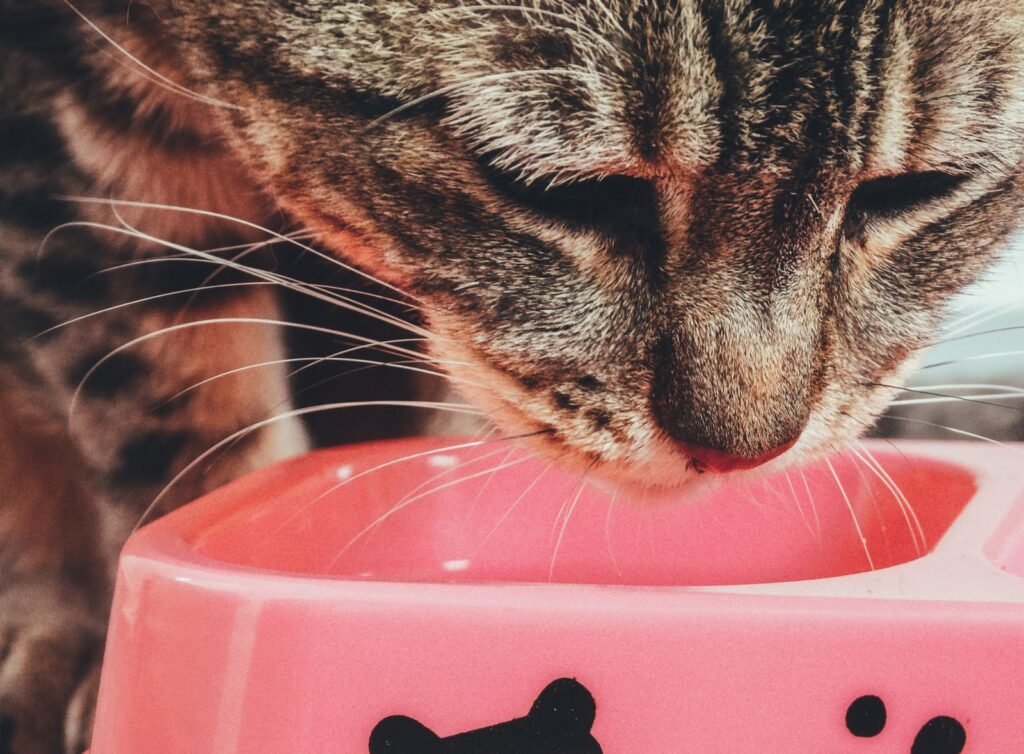
Many cats in India eat leftovers from the family meal, a saucer of milk, or rice mixed with fish. Some of this is fine in small amounts, but cats have very different needs from dogs and people. A diet that seems generous can leave a cat short of essential nutrients, and a few common foods are poisonous to cats. This guide explains what a cat really needs, which foods are safe, and which to avoid completely.
In this article
- Cats are true carnivores
- The simplest healthy option: complete cat food
- Home food that is safe in moderation
- Is milk good for cats?
- Foods that are dangerous for cats
- Plants and household items that poison cats
- How much and how often to feed
- Water and urinary health
- Changing your cat's food
- When should you call a vet?
Looking for a food-by-food list? For exactly which meats, fish, eggs, fruits and vegetables are safe as treats, how to prepare them, and how much to give, see our detailed guide: What Human Food Can Cats Eat? Safe Meat, Fish and Eggs, and Toxic Foods.
Cats are true carnivores
Cats are obligate carnivores. Their bodies are built to get nutrients from animal tissue. They need:
- High-quality animal protein from meat, fish, chicken or eggs
- Taurine, an amino acid found in meat and fish. Without enough taurine, cats can develop heart disease and blindness.
- Vitamin A and arachidonic acid, which cats cannot make from plant sources
- Plenty of moisture, because cats naturally drink little and rely on food for water
This means cats cannot be healthy on a vegetarian diet of rice, roti (Indian flatbread), dal (lentils) and milk, however much they eat.
The simplest healthy option: complete cat food
A good-quality commercial cat food labelled "complete" for your cat's life stage contains everything a cat needs, including taurine.
- Wet food (pouches, cans) adds moisture and helps prevent urinary problems
- Dry food is convenient and can be left out for grazing
- Many vets suggest a mix of both
Do not feed dog food to cats regularly. Dog food lacks enough taurine and protein for cats.
Home food that is safe in moderation
If you add home food, keep it plain and make sure most of the diet is complete cat food or a vet-planned home diet:
- Boiled chicken without bones, salt or masala (spice mix)
- Cooked fish without bones or spices; avoid feeding fish every day
- Cooked egg (boiled or scrambled without oil and salt)
- Small amounts of plain cooked rice mixed with meat, for example when a cat has an upset stomach
- A little plain curd (plain yogurt) as an occasional treat, if your cat tolerates it
For portion sizes, safe cooking methods and a full list of cat-safe fruits and vegetables, read what human food cats can eat.
Is milk good for cats?
The saucer of milk is a popular image, but most adult cats are lactose intolerant. Cow's and buffalo milk often cause diarrhoea, gas and stomach upsets. Cats do not need milk after weaning; give fresh water instead. Kittens without a mother need a kitten milk replacer, not cow's milk.
Foods that are dangerous for cats
Keep these away from your cat:
- Onion and garlic in any form, including in curries, gravies and powders. They damage red blood cells.
- Chocolate, tea and coffee
- Grapes and raisins
- Alcohol
- Raw dough with yeast
- Cooked bones, which splinter and can block or tear the gut
- Spicy, salty or fried food, including namkeen (salty fried snacks) and leftovers with masala
- Raw fish in large amounts, which can destroy thiamine (vitamin B1) and cause nervous problems
- Raw eggs, which carry infection risk and can interfere with biotin
- Sweets and xylitol-containing products
Plants and household items that poison cats
- Lilies of all kinds: even pollen or water from the vase can cause fatal kidney failure
- Paracetamol (acetaminophen, sold as Tylenol in the US) and other human medicines: a single tablet can kill a cat
- Dog flea and tick products, especially those containing permethrin
- Essential oils such as tea tree oil, and some room diffusers
- Naphthalene balls (mothballs), phenyl (a phenol-based floor cleaner), insecticides and rat poison
If your cat has eaten or licked anything on these lists, call your vet immediately, even if it seems normal. Many poisons in cats show signs only after hours or days.
How much and how often to feed
- Kittens: 3 to 4 small meals a day until about 6 months
- Adult cats: 2 to 3 meals a day, or measured dry food left out for grazing alongside wet meals
- Senior cats: smaller, frequent meals, often with more wet food
Follow the feeding guide on the food pack and adjust to keep your cat at a healthy weight. You should be able to feel the ribs easily without seeing them.
Water and urinary health
Urinary problems are common in cats, especially males fed only dry food. To help your cat drink more:
- Feed some wet food every day
- Provide several water bowls in quiet places, away from the litter tray
- Try a wide, shallow bowl or a water fountain
- Change water at least once a day
A male cat straining in the litter tray without passing urine is an emergency. See a vet immediately.
Changing your cat's food
Cats can be fussy. Change food gradually over 7 to 10 days by mixing increasing amounts of the new food into the old. A cat that refuses to eat for more than a day should see a vet; cats that stop eating can develop a serious liver condition.
When should you call a vet?
Call your vet if your cat vomits repeatedly, has diarrhoea for more than a day, stops eating, loses weight, drinks much more than usual, or may have eaten something toxic. For new kitten owners, our kitten care guide covers the first months in detail.
Recommended reading
- The Ultimate Cat Owner’s Handbook by Dr. Vaishnavi Karmawat (Kindle eBook on Amazon)
- See all titles on the Books page.
🩺 Dr. Vaishnavi’s Clinical Picks (Available on Amazon India)
Products I suggest to pet parents for this. For illness, always get your pet checked by a vet first.
Complete, taurine-fortified food for adult cats
Budget complete cat food with taurine
Complete wet food to mix with home-cooked meals
As an Amazon Associate, I earn from qualifying purchases. This costs you nothing extra.
Frequently asked questions
Can cats drink milk?
Many adult cats cannot digest milk sugar (lactose) well, so cow or buffalo milk often causes loose stools and gas. Fresh, clean water is the best drink for cats. If your cat enjoys dairy, a spoon of plain curd is usually better tolerated than milk.
Can cats eat rice?
A small amount of plain cooked rice is not harmful, but cats are true carnivores and need meat-based protein and taurine. Rice should never be the main part of a cat’s diet.
Can cats eat eggs?
Yes, fully cooked egg is a good protein treat for cats. Do not feed raw egg.
Which foods are poisonous to cats?
Onion, garlic, grapes and raisins, chocolate, alcohol, caffeine and sugar-free sweets with xylitol are dangerous. Never give a cat paracetamol (Crocin or Dolo): even one tablet can kill a cat.
Related Articles
- What Can Dogs Eat? Safe and Toxic Indian Foods for Dogs
- Homemade Cat Food in India: 7 Vet-Approved Recipes
- How to Read Pet Food Labels in India: Complete and Balanced, Dry Matter, Life Stage and Marketing Claims
- Cat Constipation (Kabz) and Straining in the Litter Box: Causes, Safe Home Hydration and Fibre, and Why Human Enemas Are Deadly
References
- ASPCA Animal Poison Control Center. People Foods to Avoid Feeding Your Pets.
- WSAVA Global Nutrition Committee. Global Nutrition Guidelines.
- National Research Council. Nutrient Requirements of Dogs and Cats. Washington, DC: National Academies Press; 2006.
More on Cat Food and Diet

What Human Food Can Cats Eat? Safe Meat, Fish and Eggs, and Toxic Foods To Avoid
What human food can cats eat? Safe cooked meat, fish and eggs, why milk, onion, garlic and raw fish harm cats, and…
Homemade Cat Food in India: 7 Vet-Approved Recipes
Homemade cat food in India: 7 vet-formulated recipes with chicken, fish and liver, taurine needs, portions and mistakes that cause crystals.