 Written and reviewed by Dr. Vaishnavi Karmawat, B.V.Sc. & A.H., Registered Veterinary Practitioner

Short answer: a good pet food label tells you three key things: the food is “complete and balanced” for your pet’s life stage (growth/puppy, adult, or all life stages, including large-breed growth), it comes from a manufacturer that employs qualified nutritionists and does quality control, and its feeding guide gives a starting amount you then adjust to keep your pet lean. Ingredient lists and marketing words like “natural”, “holistic” or “grain-free” tell you far less than most people think.
In this article
Key takeaways
- Look for a nutritional adequacy statement (for example “complete and balanced”, formulated to AAFCO or FEDIAF nutrient profiles) for the right life stage.
- Guaranteed analysis gives minimum protein and fat and maximum fibre and moisture “as fed”. Compare foods on a dry-matter basis.
- Ingredients are listed by weight before cooking, so fresh meat (about 70% water) appears first but contributes less after drying.
- Ask the WSAVA questions: who formulates the food, what quality control is used, and can they give full nutrient values and calories?
Reading the label: section by section

| Label section | What it tells you | What to look for |
|---|---|---|
| Product name | Rules on naming in many countries: “Chicken dog food” implies a large proportion; “with chicken” or “chicken flavour” can mean very little | Do not rely on the name alone |
| Nutritional adequacy statement | Whether the food is complete and balanced, and for which life stage | “Complete and balanced for growth / all life stages / adult maintenance”; large-breed puppies need a food stating suitability for large-size dogs (70 lb / 32 kg+ adult weight) at growth |
| Guaranteed analysis | Crude protein (min), crude fat (min), crude fibre (max), moisture (max), sometimes calcium, phosphorus, omega-3 | Convert to dry matter to compare dry and wet foods |
| Ingredients | Listed in order of weight, including water | Identify protein sources if your pet has allergies; avoid xylitol, onion and garlic powders in treats |
| Calorie content | kcal per kg and per cup or can | Essential for weight control |
| Feeding guide | Starting amount by body weight | Adjust by body condition score, not just the chart |
| Manufacturer details, batch, best-before | Traceability | Contact details for nutrition questions |
How to calculate dry-matter values
Wet foods contain about 75–80% water and dry kibble about 8–12%, so raw percentages are not comparable.
- Dry matter % = 100 – moisture %.
- Nutrient on dry-matter basis = (nutrient % ÷ dry matter %) × 100.
- Example: a wet food with 8% protein and 78% moisture has 22% dry matter, so protein = 8 ÷ 22 × 100 ≈ 36% DM. A kibble with 26% protein and 10% moisture has 90% dry matter: 26 ÷ 90 × 100 ≈ 29% DM. The wet food is actually higher in protein.
Life stage matters
| Life stage | Key needs |
|---|---|
| Puppies and kittens | More energy, protein, calcium and phosphorus in correct ratio; DHA for brain and eye development |
| Large and giant-breed puppies | Controlled calcium and energy to reduce bone and joint disease; never add calcium supplements |
| Adult maintenance | Balanced nutrition with appropriate calories; most dogs and cats need fewer calories after neutering |
| Seniors | No single legal definition; often more digestible protein, controlled calories, omega-3s; diets tailored to diseases if present |
| Pregnancy and lactation | Growth or all-life-stages diet in late pregnancy and lactation |
| Cats (all ages) | Obligate carnivores: need taurine, arachidonic acid, preformed vitamin A and higher protein; never feed dog food long term |
Marketing claims decoded
- “Natural”, “holistic”, “human-grade”, “premium”: mostly marketing; not a measure of nutritional quality.
- “Grain-free”: not healthier for most pets; grains are a useful energy and fibre source. True grain allergy is uncommon. In the US, some grain-free, legume-rich diets were investigated for a possible link with dilated cardiomyopathy; the question is not settled.
- “By-products”: organ meats can be highly nutritious; the overall quality control matters more.
- “Hypoallergenic”: only veterinary hydrolysed or carefully controlled novel-protein diets are reliable for allergy trials.
- “No preservatives”: all dry foods need some preservation; natural tocopherols are common.
Choosing a manufacturer (WSAVA questions)
- Do you employ a full-time qualified nutritionist (PhD in animal nutrition or board-certified veterinary nutritionist)?
- Who formulates your diets, and what are their credentials?
- What quality control measures ensure consistency and safety of ingredients and finished products?
- Where are your foods made? Can you visit or audit the plant?
- Can you provide the full nutrient analysis and calorie content of each food?
- What research (feeding trials, published studies) has been done on your products?
Home-cooked diets in India
Many Indian families feed home-cooked meals (rice or roti with dal, curd, eggs, chicken). These can be healthy only if properly formulated. Most unbalanced home diets lack calcium, zinc, vitamins D and E and essential fatty acids, and roti-and-milk diets are low in protein. Ask your vet for a balanced recipe, or use a complete commercial food as the base. See what to feed your dog in India and homemade cat food recipes.
Storing and switching food
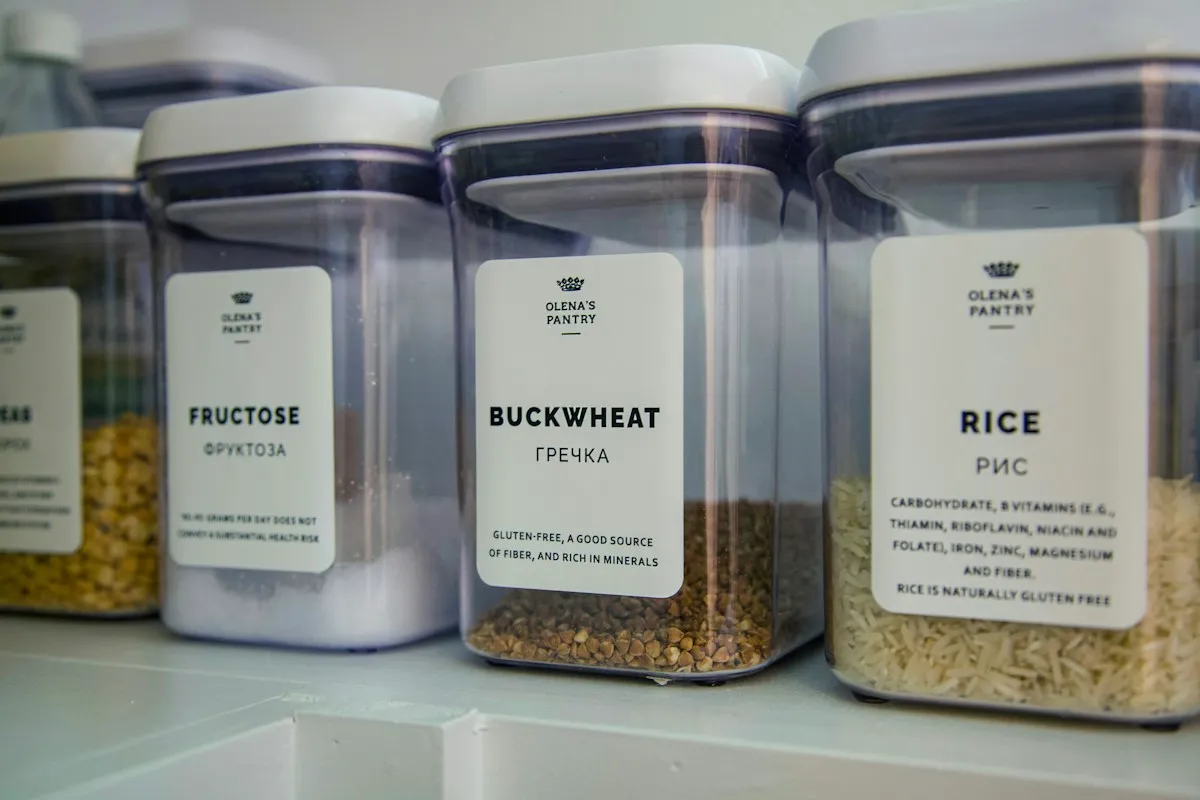
- Store dry food in its original bag inside a closed container, in a cool, dry place; use within about 6 weeks of opening. Indian humidity encourages mould and mites.
- Refrigerate opened wet food and use within 2–3 days.
- Switch foods gradually over 7–10 days to avoid diarrhoea.
- Check the best-before date and batch number; keep them in case of a recall.
Frequently asked questions
Is expensive food always better?
Not necessarily. Price often reflects marketing and ingredients chosen for appeal. Look for complete-and-balanced statements, life-stage suitability and a manufacturer that meets the WSAVA criteria.
How much should I feed?
Start with the label’s feeding guide, then adjust every 2–4 weeks to keep a lean body condition: you should feel ribs easily under a thin fat layer and see a waist from above.
Can dogs eat cat food or cats eat dog food?
Occasional mix-ups are harmless, but long term cat food is too rich for many dogs, and dog food lacks nutrients cats need, such as taurine.
Do I need to rotate brands?
Not if your pet is healthy on a complete food. Rotation can help picky eaters, but always switch gradually.
When to call a vet
Talk to your vet before changing diets for pets with kidney, liver, heart, gut or skin disease, diabetes, pancreatitis, food allergies, or for large-breed puppies and pregnant animals.
Related Articles
- Heartworm in Dogs and Cats in India: Life Cycle, Stages, Tests, Treatment and Prevention
- Flea Allergy Dermatitis in Dogs and Cats: Signs, Flea Life Cycle, Treatment and Prevention in India
- Giardia and Coccidia in Dogs and Cats: Symptoms, Stool Tests, Treatment and Stopping Re-infection
- Best Tick and Flea Control for Dogs and Cats in India: Tablets vs Spot-On vs Collars, and a Home Protocol
References
- WSAVA Global Nutrition Committee. Guidelines on selecting pet foods, 2021.
- Association of American Feed Control Officials (AAFCO). Dog and Cat Food Nutrient Profiles and labelling rules.
- FEDIAF. Nutritional Guidelines for Complete and Complementary Pet Food for Cats and Dogs, 2021.
- Stockman J, et al. Evaluation of recipes of home-prepared maintenance diets for dogs. J Am Vet Med Assoc 2013;242:1500–1505.
- Freeman LM, et al. Diet-associated dilated cardiomyopathy in dogs: what do we know? J Am Vet Med Assoc 2018.
More on Cat Food and Diet

What Human Food Can Cats Eat? Safe Meat, Fish and Eggs, and Toxic Foods To Avoid
What human food can cats eat? Safe cooked meat, fish and eggs, why milk, onion, garlic and raw fish harm cats, and…

Homemade Cat Food in India: 7 Vet-Approved Recipes
Homemade cat food in India: 7 vet-formulated recipes with chicken, fish and liver, taurine needs, portions and mistakes that cause crystals.