 Written and reviewed by Dr. Vaishnavi Karmawat, B.V.Sc. & A.H., Registered Veterinary Practitioner

- In most of India, ticks and fleas are active all year, so dogs need year-round protection, not just in the monsoon.
- Modern oral tablets (isoxazolines such as fluralaner, afoxolaner, sarolaner and lotilaner) are the most reliable tick control for many dogs; spot-ons and collars are good alternatives.
- Never use dog tick products on cats unless the label says they are for cats; permethrin, deltamethrin and amitraz can kill cats.
- Treating the home is essential: brown dog ticks and flea eggs live in cracks, bedding and furniture.
- Always dose by your pet’s current weight, and ask your vet before using products on puppies, pregnant dogs or dogs with seizures.
Ticks and fleas are the most common parasites of Indian dogs and cats. Ticks spread tick fever (ehrlichiosis, babesiosis, anaplasmosis and hepatozoonosis), one of the leading causes of illness and death in Indian dogs. Fleas cause intense itching, flea allergy dermatitis, anaemia in puppies and kittens, and spread tapeworms. With so many products in pet shops and online, choosing the right one can be confusing. This guide explains how these parasites live, compares the main product types, and gives a practical protocol for Indian homes.
In this article
Know the enemy
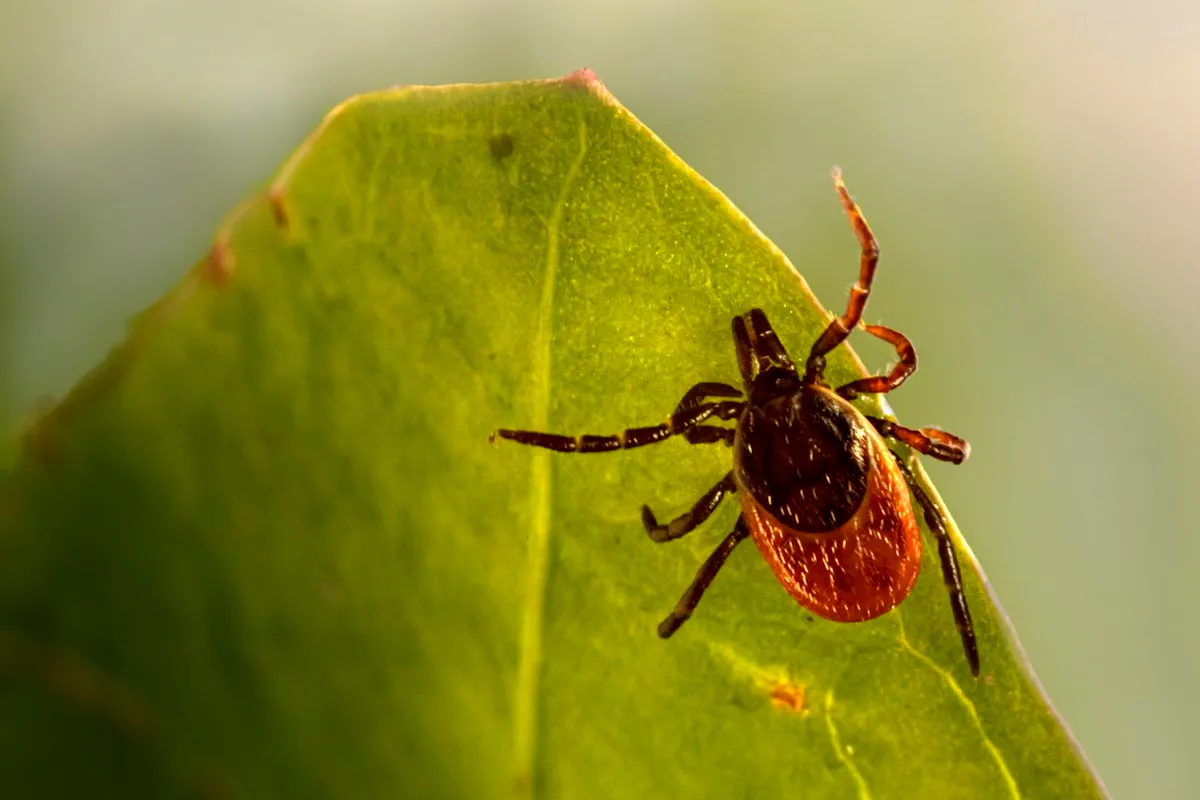
The brown dog tick
- The main tick on Indian dogs is Rhipicephalus sanguineus, the brown dog tick.
- It is a three-host tick: larva, nymph and adult each feed on a dog for several days, then drop off to moult or lay eggs.
- Each engorged female lays 1,000 to 3,000 eggs in cracks in walls, behind furniture, under tiles, in kennels and even on ceilings.
- It can complete its life cycle indoors, so infestations are year-round and can build up in flats as well as houses.
- Disease transmission often needs the tick to feed for hours to a day or more, so daily checks and fast-acting products help.
Fleas
- The common flea on dogs and cats in India is the cat flea (Ctenocephalides felis), with the dog flea (C. canis) also present.
- Adult fleas live on the pet; eggs fall off into bedding, carpets and sofas. Only about 5 percent of a flea population is on the animal at any time; the rest are eggs, larvae and pupae in the environment.
- Flea pupae can wait for weeks to months in their cocoons and hatch when they sense warmth and vibration, which is why fleas seem to “come back”.
Diseases and problems they cause

| Parasite | Problems |
|---|---|
| Ticks | Ehrlichiosis, babesiosis, anaplasmosis, hepatozoonosis; anaemia; skin wounds and infections; rarely tick paralysis |
| Fleas | Itching, flea allergy dermatitis, hot spots, hair loss, anaemia in puppies and kittens, tapeworm (Dipylidium caninum), and Bartonella and Rickettsia felis infections that can affect people |
Product types compared

| Type | Common active ingredients (examples) | How long it lasts | Pros | Cautions |
|---|---|---|---|---|
| Oral chewable tablets (isoxazolines) | Fluralaner (about 12 weeks); afoxolaner, sarolaner, lotilaner (about 1 month) | 1 to 3 months | Kill ticks and fleas quickly; not washed off by baths or rain; no residue on the coat | Parasite must bite to be killed; use with caution in dogs with a history of seizures; some combination products also cover worms |
| Spot-on (topical) | Fipronil (with or without S-methoprene); imidacloprid with moxidectin; selamectin; imidacloprid with permethrin (dogs only) | About 1 month | Some also prevent heartworm and treat mites and some worms | Frequent bathing reduces effect; avoid touching until dry; permethrin spot-ons are toxic to cats |
| Collars | Imidacloprid with flumethrin (up to about 8 months); deltamethrin | Months | Low maintenance | Must fit correctly; can cause skin irritation; children should not play with them; deltamethrin collars are toxic to cats |
| Sprays | Fipronil spray | Weeks | Can be used on young puppies and kittens per label | Must be applied carefully to the whole coat |
| Shampoos and dips | Various; amitraz or cypermethrin dips under vet guidance | Days | Kill parasites present now | Do not prevent re-infestation; amitraz is not for cats, Chihuahuas and toy breeds, or diabetic dogs; dips should be diluted exactly |
| Home remedies (neem, coconut oil, vinegar, essential oils) | – | Hours | – | Not reliable for disease prevention; essential oils can be toxic, especially to cats |
Choosing the right product
- Heavy tick areas, dogs with a history of tick fever, outdoor and farm dogs: an oral isoxazoline is often the most reliable. Your vet may combine it with a collar in very high-risk settings.
- Dogs that also need heartworm protection or have mange: some spot-ons and combination chewables cover these; ask your vet.
- Homes with cats: choose products that are safe if the cat grooms or sleeps next to the dog, and use only cat-labelled products on cats.
- Puppies and kittens: start from about 8 weeks of age with a product labelled for that age and weight. Some sprays are approved for even younger animals; follow the label.
- Pregnant or nursing pets, very old pets and dogs with seizures: ask your vet before using any product.
- Collies, Shelties and Australian Shepherds: these and some mixed breeds may carry the MDR1 gene mutation, which makes high doses of ivermectin-type drugs dangerous. Most modern flea and tick products are safe, but tell your vet the breed.
The 4-step protocol for an Indian home
- Treat every pet in the house with a suitable product, on schedule, all year. One untreated pet keeps the cycle going.
- Clean the environment: vacuum floors, sofas and the edges of rooms daily for 2 to 3 weeks and empty the vacuum outside; wash pet bedding, rugs and covers in hot water every week; fill or seal cracks in walls and floors where ticks hide.
- Treat the surroundings when needed: for heavy tick infestations, a professional pest-control service using products safe for homes with pets, applied to cracks, kennels and walls while pets are kept away until dry. Tell them you have pets and cats.
- Check your dog every day, especially ears, between toes, under the collar, armpits and groin. Remove ticks with a tick hook or fine tweezers: grasp close to the skin and pull steadily without twisting or squeezing the body. Do not burn ticks or apply kerosene. Drop them in alcohol and wash your hands.
Safety: what never to do
- Never use dog products on cats, or products meant for large dogs on small dogs
- Never split a spot-on pipette between pets unless the label allows it
- Never combine several tick products without your vet’s advice
- Never use agricultural pesticides or livestock dips on pets
- Watch for side effects such as drooling, vomiting, skin redness, trembling or wobbling, and contact your vet if they occur
Frequently asked questions
Which is better for ticks in India: tablet, spot-on or collar?
All three can work. Oral isoxazoline tablets are often the most reliable for heavy tick areas because they are not washed off. Your vet will choose based on your dog’s age, health, lifestyle and other pets.
How often should I give tick medicine to my dog?
Year-round, at the interval on the label (monthly for most products, about every 12 weeks for fluralaner). Do not stop in winter in most parts of India.
Why does my dog still have ticks after treatment?
Oral products kill ticks after they attach, so you may still see some briefly. Persistent ticks usually mean the home is infested, the dose was wrong for your dog’s weight, or other pets are untreated.
Can I use neem oil instead of tick medicine?
Neem and other natural products may repel a few insects for a short time, but they do not reliably prevent tick-borne diseases. Use them only as an extra, never instead of an approved product.
Is it safe to use tick products on puppies?
Yes, if the product is labelled for the puppy’s age and weight. Most oral products are approved from 8 weeks; some sprays earlier.
My cat licked my dog’s spot-on. What should I do?
If the product contains permethrin or another pyrethroid, take your cat to a vet now. Signs include drooling, twitching, trembling and seizures.
Related Articles
- Flea Allergy Dermatitis in Dogs and Cats: Signs, Flea Life Cycle, Treatment and Prevention in India
- Heartworm in Dogs and Cats in India: Life Cycle, Stages, Tests, Treatment and Prevention
- Giardia and Coccidia in Dogs and Cats: Symptoms, Stool Tests, Treatment and Stopping Re-infection
- Is My Dog or Cat Dehydrated? 1-Minute Gum and Skin Tent Check, ORS and When To See a Vet
References
- Dantas-Torres F. Biology and ecology of the brown dog tick, Rhipicephalus sanguineus. Parasites and Vectors. 2010;3:26.
- Rust MK. The Biology and Ecology of Cat Fleas and Advancements in Their Pest Management: A Review. Insects. 2017;8(4):118.
- Tropical Council for Companion Animal Parasites (TroCCAP). Guidelines for the Diagnosis, Treatment and Control of Canine Endoparasites and Ectoparasites in the Tropics. 2019.
- Abd Rani PAM, Irwin PJ, Coleman GT, Gatne M, Traub RJ. A survey of canine tick-borne diseases in India. Parasites and Vectors. 2011;4:141.
- U.S. Food and Drug Administration. Fact Sheet for Pet Owners and Veterinarians about Potential Adverse Events Associated with Isoxazoline Flea and Tick Products. 2018.
- Boland LA, Angles JM. Feline permethrin toxicity: retrospective study of 42 cases. Journal of Feline Medicine and Surgery. 2010;12(2):61-71.
More on Cats

Prednisolone (Wysolone) for Dogs and Cats: Uses, Side Effects, Tapering, and the Truth About Steroid Injections
Uses and side effects of prednisolone, why it must be tapered, the danger of mixing with painkillers, and the truth about steroid…

Dog and Cat Spay/Neuter Guide: Right Age, Laparoscopic vs Traditional Spay, 10-Day Stitch Care and Cone Rules
When to spay or neuter dogs and cats, open vs laparoscopic surgery, a day-by-day recovery plan, cone rules and warning signs at…