 Written and reviewed by Dr. Vaishnavi Karmawat, B.V.Sc. & A.H., Registered Veterinary Practitioner
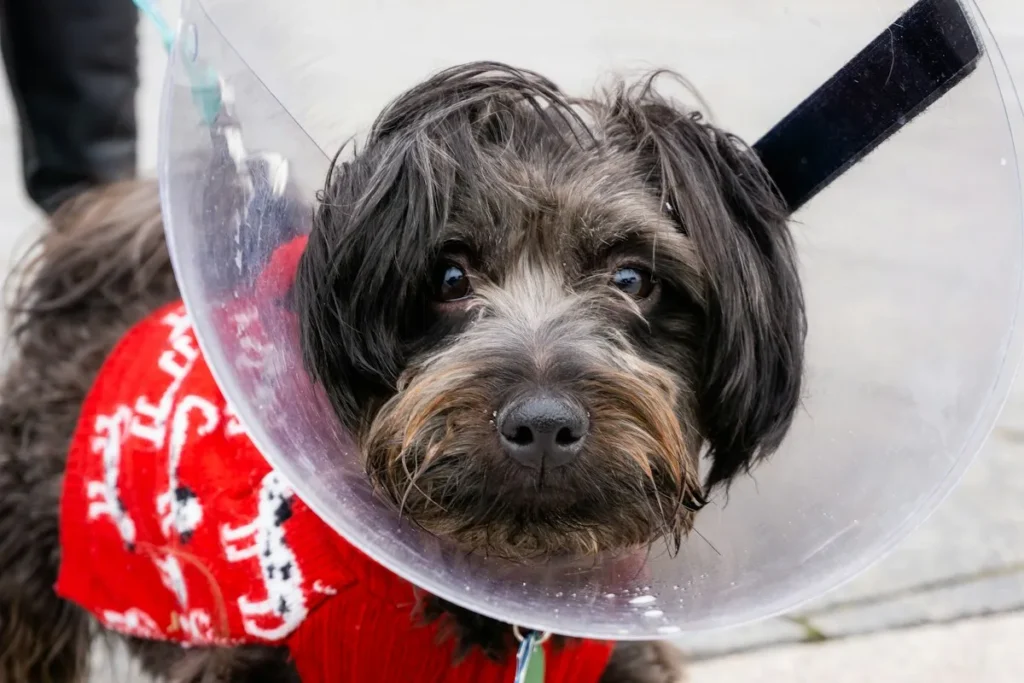
Spaying (removing the ovaries and usually the uterus of a female) and neutering (removing the testicles of a male) are the most common surgeries in dogs and cats. They are routine for vets, but for owners, bringing a groggy pet home with stitches can be stressful. Good home care in the first ten to fourteen days makes the difference between a smooth recovery and an infected or reopened wound.
In this article
- When Should You Spay or Neuter?
- Traditional Spay vs. Laparoscopic (Keyhole) Spay
- Before Surgery
- Home Recovery Kit
- Day-by-Day Recovery Plan
- The Cone Rule: Why Licking Is Dangerous
- What a Healthy Incision Looks Like
- Pain Relief After Surgery
- Feeding After Surgery and Weight Control
- Frequently Asked Questions
- Related Articles
- References
Here is when to spay or neuter, what happens on the day, the difference between traditional and laparoscopic (keyhole) spay, a day-by-day recovery plan, the cone rules, what a healthy incision looks like, and when to call your vet.
Key Takeaways
- Cats are usually spayed or neutered at about 5 to 6 months. Small and medium dogs are usually done at about 6 months; for large and giant breeds, your vet may recommend waiting until 12 to 18 months.
- Recovery takes about 10 to 14 days. Keep your pet calm, leash-walked and confined, with no running, jumping or stairs.
- A cone (E-collar) or recovery suit must be worn day and night until the incision has healed. A few minutes of licking can open the wound or cause infection.
- Check the incision twice daily. Mild pinkness and slight swelling are normal; gaping, pus, a bad smell, bleeding or a large swelling are not.
- Do not bathe your pet or let it swim until your vet says the wound has healed.
- Never give human painkillers. Use only the medicines your vet prescribes.
- After neutering, pets need fewer calories, so adjust food portions to prevent weight gain.
When Should You Spay or Neuter?
| Pet | Typical age | Notes |
|---|---|---|
| Cats (female and male) | About 5–6 months, before first heat | Earlier (from about 8–12 weeks) is safe and used in shelters; see cats in heat |
| Small and medium dogs, including most Indies | About 6 months | Spaying before the first heat gives the greatest protection against mammary cancer |
| Large and giant breed dogs (Labrador, Golden Retriever, German Shepherd, Rottweiler, Great Dane) | Often 12–18 months, as advised by your vet | Some studies link early neutering in certain large breeds with higher rates of joint disorders |
| Adult dogs and cats | Any time when healthy | Pre-anaesthetic blood tests are recommended, especially in older pets |
Benefits include no heat cycles or unwanted litters, no pyometra (a life-threatening uterine infection), much lower mammary cancer risk when females are spayed early, no testicular cancer and fewer prostate problems in males, and less roaming, fighting and urine marking. Spaying and neutering community dogs and cats through Animal Birth Control (ABC) programmes is also the humane way to reduce street animal numbers in India.
Traditional Spay vs. Laparoscopic (Keyhole) Spay
| Feature | Traditional open spay | Laparoscopic spay |
|---|---|---|
| What is removed | Usually ovaries and uterus (ovariohysterectomy); sometimes ovaries only | Usually ovaries only (ovariectomy) |
| Incision | One incision on the belly midline, a few centimetres long depending on size | Two or three small keyhole incisions for a camera and instruments |
| Pain and recovery | Normal post-surgical pain, managed with medicines | Studies show significantly less pain in the first days; quicker return to normal activity |
| Availability and cost | Available at almost all clinics | Needs special equipment and training; available at fewer clinics, usually at higher cost |
| Extras | — | In large deep-chested breeds, a preventive gastropexy (tacking the stomach to reduce bloat risk) can be combined |
Both methods are safe and effective. Removing only the ovaries does not increase the risk of uterine disease, because the uterus needs ovarian hormones to develop problems.
Before Surgery
- Follow your vet’s fasting instructions exactly. Adult pets usually go without food overnight; puppies and kittens are fasted for a shorter time because their blood sugar drops quickly. Water is usually allowed until the morning.
- Tell your vet about any illness, medicines, supplements, or previous reactions to anaesthesia.
- Ask about pre-anaesthetic blood tests, vaccination status and whether your female is in heat.
- Prepare a quiet, clean recovery area at home before you leave.
Home Recovery Kit
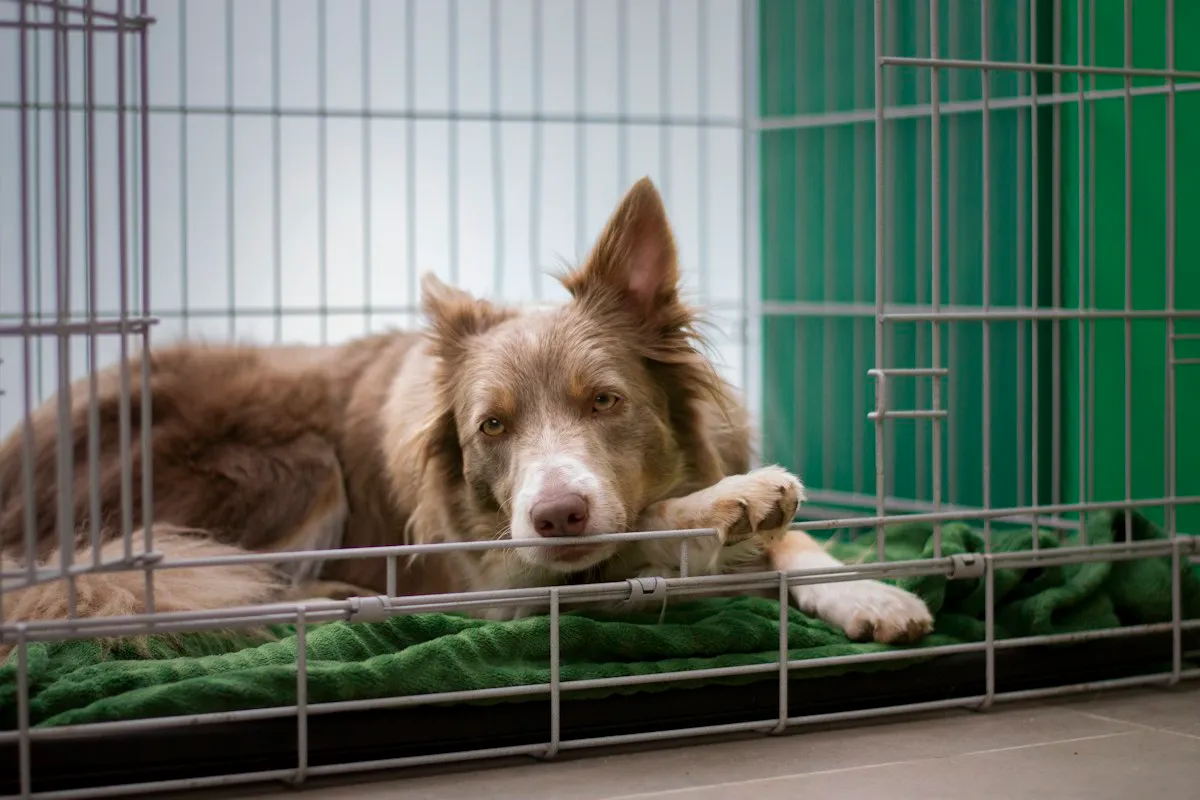
- A cone (Elizabethan collar), soft or inflatable collar, or a recovery bodysuit that fits properly. The cone should extend a few centimetres beyond the nose.
- A crate, playpen or small room with non-slip flooring, to limit activity.
- A clean, soft bed and washable sheets. Change bedding daily to keep the incision clean.
- A short leash and harness for toilet trips.
- The medicines your vet prescribed (pain relief, and antibiotics if given), with a written schedule.
- Quiet enrichment: lick mats, stuffed chew toys and food puzzles to keep the mind busy without running around.
- For cats: a low-sided litter box and paper-based or pellet litter for a few days, so litter does not stick to the wound.
Day-by-Day Recovery Plan
| Time after surgery | What to expect and do |
|---|---|
| Day 0 (surgery day) | Your pet will be sleepy and wobbly. Keep it warm and quiet, away from stairs and other pets. Offer a small amount of water once fully awake, and a small meal (about half the usual amount) in the evening if your vet allows. Some pets vomit once after anaesthesia. |
| Days 1–3 | Mild soreness; appetite returns. Give pain medicine on schedule, even if your pet seems fine. Short leash walks for toilet only. |
| Days 4–7 | Most pets feel normal and want to play. This is when stitches are most often torn. Keep activity restricted and the cone on. |
| Days 10–14 | Recheck visit and stitch removal (unless dissolvable stitches were used). Gradually return to normal activity only after your vet confirms healing. |
Activity rules for 10 to 14 days
- No running, jumping on or off furniture, climbing stairs, rough play or swimming.
- Leash walks for toilet only, then back to rest.
- Separate from other pets that might play roughly.
- Carry small dogs up and down stairs.
- If your dog is very restless, ask your vet about a calming medicine.
The Cone Rule: Why Licking Is Dangerous
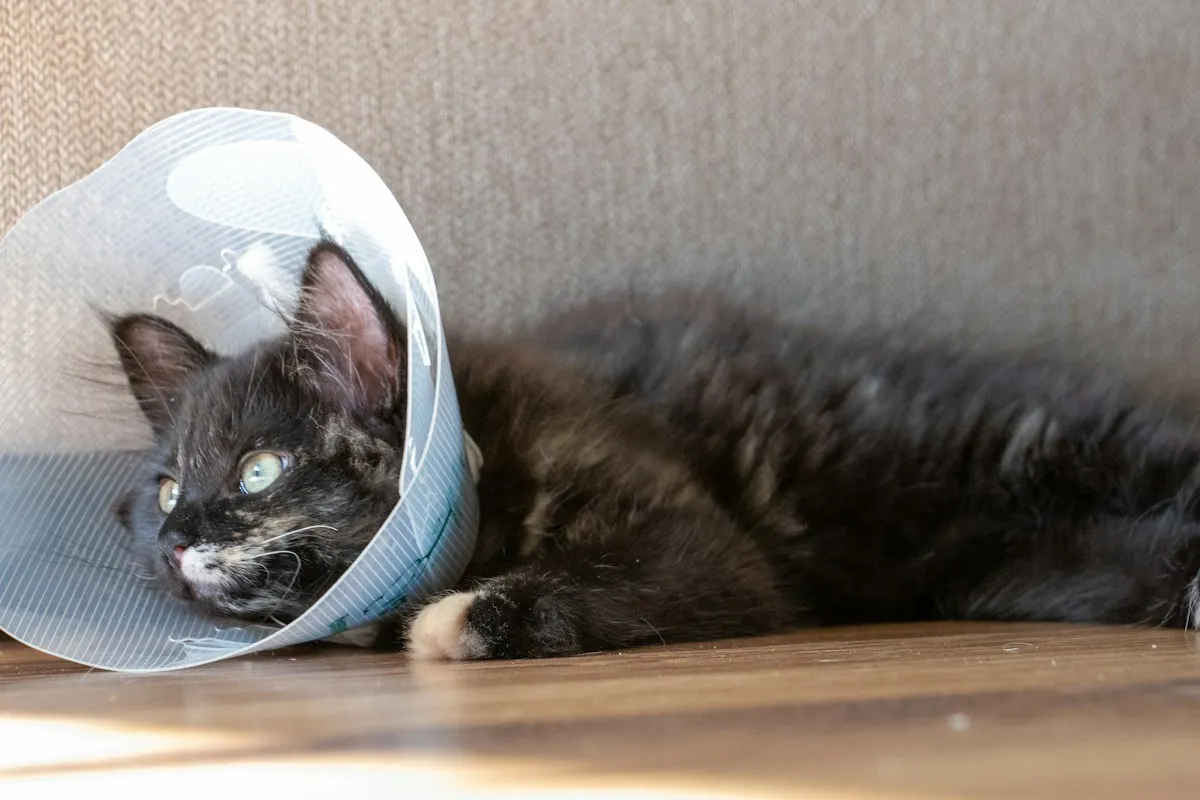
A dog’s or cat’s rough tongue can remove stitches and introduce bacteria within minutes. Licking is one of the most common causes of wound infection and wound breakdown (dehiscence) after spaying and neutering; in rare cases a spay wound can open so far that abdominal contents come out, which is a life-threatening emergency.
- Keep the cone or suit on 24 hours a day, including at night and when you are home, unless your vet says otherwise.
- Most pets adjust within a day or two. Raise food and water bowls, and widen doorways by moving furniture so the cone does not bump.
- Recovery bodysuits work well for many dogs and cats, but check that they cover the incision and that your pet cannot chew through them. They are not suitable for every male neuter.
- Do not put creams, haldi, ghee, oils or home remedies on the wound unless your vet prescribes them.
What a Healthy Incision Looks Like
| Normal | Call your vet |
|---|---|
| Edges are closed and touching | Edges gaping, stitches missing or anything protruding from the wound |
| Slight pinkness and mild swelling in the first few days | Increasing redness, heat or swelling after day 3 |
| A small amount of clear or slightly pink fluid on day 1 | Pus, a bad smell, or ongoing bleeding |
| Mild bruising, especially in males | A large, soft swelling or a hard, painful lump |
| A little scrotal swelling in males | Scrotal swelling that keeps growing or is very painful |
A soft, fluid-filled swelling under the incision may be a seroma, usually caused by too much activity. It is often harmless but should be checked. Take a photo of the incision on day 1 so you can compare.
Other warning signs
- Lethargy that worsens after the first day, or not eating for more than 24 hours
- Repeated vomiting or diarrhoea
- Pale gums, weakness, a swollen belly or fast breathing (possible internal bleeding)
- Straining to urinate, or no urine for 24 hours
- Signs of severe pain: crying, panting, hiding, not wanting to move
Pain Relief After Surgery
Vets give pain relief before, during and after surgery, and usually send home a few days of medicine such as meloxicam or another veterinary anti-inflammatory. Give it with food exactly as directed. Never give paracetamol, ibuprofen, diclofenac, aspirin or other human painkillers; they can cause stomach ulcers, kidney failure and, in cats, fatal poisoning. Read about meloxicam and NSAIDs in dogs.
Feeding After Surgery and Weight Control
- Offer a smaller meal on the evening of surgery and return to normal meals the next day if your pet is not vomiting.
- Avoid rich food, bones or new treats during recovery.
- After spaying or neutering, a pet’s energy needs fall, often by around a quarter, while appetite may increase. Reduce portions gradually and weigh your pet monthly to avoid obesity, which brings its own joint and health problems.
Frequently Asked Questions
How long does it take for a dog to recover from spaying?
Most dogs feel normal within a few days, but the incision needs 10 to 14 days to heal. Restrict activity for the full period.
Can my dog sleep with the cone on?
Yes, and it should. Many dogs lick at night when nobody is watching.
When can my dog have a bath after spaying?
Not until the incision has healed and the stitches have been removed or checked, usually after 10 to 14 days. You can spot-clean dirty paws with a damp cloth.
My male dog’s scrotum is swollen after neutering. Is that normal?
Mild swelling and bruising are common for a few days. Swelling that keeps increasing, is very painful, or bleeds needs a vet check.
Can a dog be spayed while in heat?
Yes, though the blood vessels are larger, so many vets prefer to wait about two to three months after heat. Your vet will advise.
This article is for education and does not replace your vet’s post-operative instructions. Always follow the specific advice given for your pet.
Related Articles
- Winter Care for Dogs and Cats in India: Vet Safety Tips
- How to Read Pet Food Labels in India: Complete and Balanced, Dry Matter, Life Stage and Marketing Claims
- Dog Heat Cycle and Pregnancy Guide: 63-Day Timeline, Diet, Whelping Box and When to Call the Vet
- Parvo in Dogs and Puppies: Stages, Treatment, Recovery Diet and Home Care (Day by Day)
References
- Coates J, Higgs V. 6 Must-Have Items for Your Dog’s Spay or Neuter Recovery. PetMD, 2023.
- PetMD Editorial. Laparoscopic Spay for Dogs and Cats. PetMD.
- Devitt CM, Cox RE, Hailey JJ. Duration, complications, stress, and pain of open ovariohysterectomy versus a simple method of laparoscopic-assisted ovariohysterectomy in dogs. JAVMA, 2005;227(6):921–927.
- Hart BL, Hart LA, Thigpen AP, Willits NH. Assisting decision-making on age of neutering for 35 breeds of dogs. Frontiers in Veterinary Science, 2020;7:388.
- Overley B, et al. Association between ovariohysterectomy and feline mammary carcinoma. Journal of Veterinary Internal Medicine, 2005;19(4):560–563.
- Animal Birth Control (Dogs) Rules, Government of India, 2023.
More on Cats
Are Essential Oils, Nilgiri Oil, Camphor, Dettol and Phenyl Safe for Dogs and Cats? Toxic Oils and Signs of Allergic Reactions
Which essential oils and household products like camphor, Dettol and phenyl are toxic to dogs and cats, poisoning signs, and safe cleaning…
Cat in Heat: Signs, How Long It Lasts, Why Cats Yowl at Night and Can You Spay a Cat in Heat?
When cats go into heat, the four stages, yowling and escape attempts, how to calm her, why hormone injections are risky, and…