 Written and reviewed by Dr. Vaishnavi Karmawat, B.V.Sc. & A.H., Registered Veterinary Practitioner
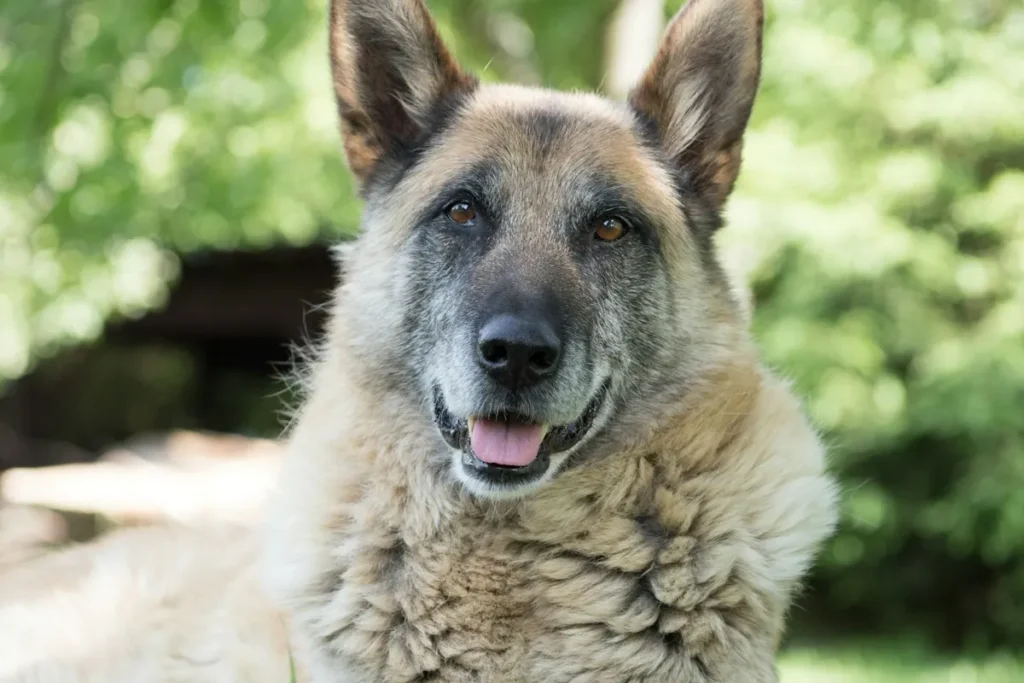
Meloxicam is one of the most widely used painkillers in veterinary practice in India, sold under names such as Melonex and Metacam. It is effective and convenient, especially as a liquid. But it has a narrow margin of safety, the dose must be measured precisely, and combining it with the wrong medicine, especially a steroid injection, can cause life-threatening stomach ulcers.
In this article
Here is how meloxicam is used in dogs and cats, how to measure doses safely, the special precautions for cats, and the most dangerous medicine combinations every pet owner should know.
Key Takeaways
- Meloxicam is a veterinary NSAID that relieves pain and inflammation from arthritis, injuries and surgery in dogs and, with strict limits, cats.
- Dosing is by exact body weight. Using human 7.5 mg or 15 mg tablets, or the wrong strength of liquid, easily causes overdoses in pets.
- Cats are especially sensitive. Repeated dosing must only be done exactly as prescribed, because overdosing or dehydration can cause kidney failure.
- Never give meloxicam together with a steroid (prednisolone, dexamethasone, triamcinolone) or another NSAID. Vets usually wait 5 to 7 days when switching.
- Other risky mixes include combinations that cause serotonin syndrome, and medicines that change how the liver clears other drugs.
What Is Meloxicam?
Meloxicam is a non-steroidal anti-inflammatory drug (NSAID) that preferentially blocks the COX-2 enzyme, reducing the prostaglandins responsible for pain, inflammation and fever. It is available as an oral liquid (suspension), tablets, chewable tablets and an injection used by vets.
What is meloxicam used for?
- Osteoarthritis and chronic joint pain in dogs
- Pain and swelling after surgery, including spaying and neutering
- Sprains, strains and soft-tissue injuries
- Some inflammatory conditions, as decided by a vet
Meloxicam Dosing in Dogs
The standard dog dose is 0.2 mg per kg on the first day, then 0.1 mg per kg once daily, given with food. Because these are very small amounts, the liquid form comes with a special dosing syringe marked in kilograms of body weight, or is given as drops for small dogs.
| Dog weight | Daily maintenance dose (0.1 mg/kg) | Why it matters |
|---|---|---|
| 5 kg | 0.5 mg | A human 7.5 mg tablet would be 15 times this dose |
| 10 kg | 1 mg | Even half a 7.5 mg tablet is nearly 4 times too much |
| 30 kg | 3 mg | A 15 mg human tablet is 5 times too much |
- Use only the syringe supplied with the bottle, and only for that product’s strength. Veterinary meloxicam suspensions come in different concentrations, and a syringe from one product will give the wrong dose with another.
- Shake the bottle well before each dose.
- Drop the liquid onto food or into the mouth; do not guess the volume.
- Weigh your dog regularly, as the dose depends on current weight.
- Never use human meloxicam tablets unless your vet has specifically calculated and split them for your dog.
Dose information is for understanding only. Only a veterinarian who has examined your pet should prescribe meloxicam.
Meloxicam in Cats: Extra Caution
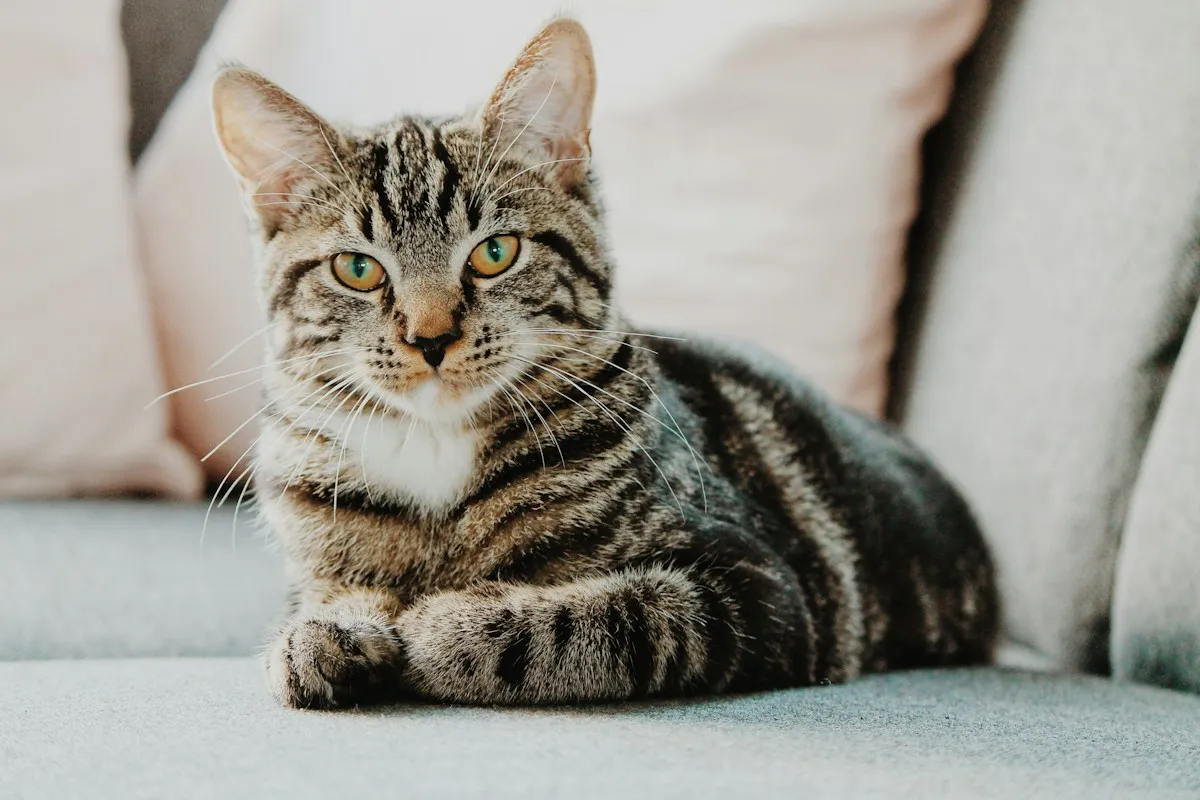
Cats process NSAIDs slowly and are particularly vulnerable to kidney damage. Rules differ between countries: in the United States, meloxicam is approved for cats only as a single injection around surgery, with a warning against repeated use. In Europe and some other countries, a low-dose oral liquid is approved for longer-term use in cats with chronic pain. Whatever product is used:
- Use only a cat-specific product and dose, measured with its own syringe.
- Make sure your cat is eating and drinking normally. Stop and call your vet if your cat stops eating, vomits, or seems dull.
- Cats with kidney disease, dehydration or heart disease need careful assessment and monitoring.
- Never give a cat a dog product or a human tablet.
Side Effects of Meloxicam
- Common: vomiting, soft stools or diarrhoea, reduced appetite
- Serious: black, tarry stools or blood in vomit (stomach bleeding), increased thirst or reduced urination (kidney injury), yellowing of the gums or eyes (liver reaction), lethargy
Stop the medicine and contact your vet at the first sign of side effects. Pets on long-term meloxicam should have blood and urine tests before starting and regularly afterwards.
Dangerous Pet Medicine Combinations To Avoid
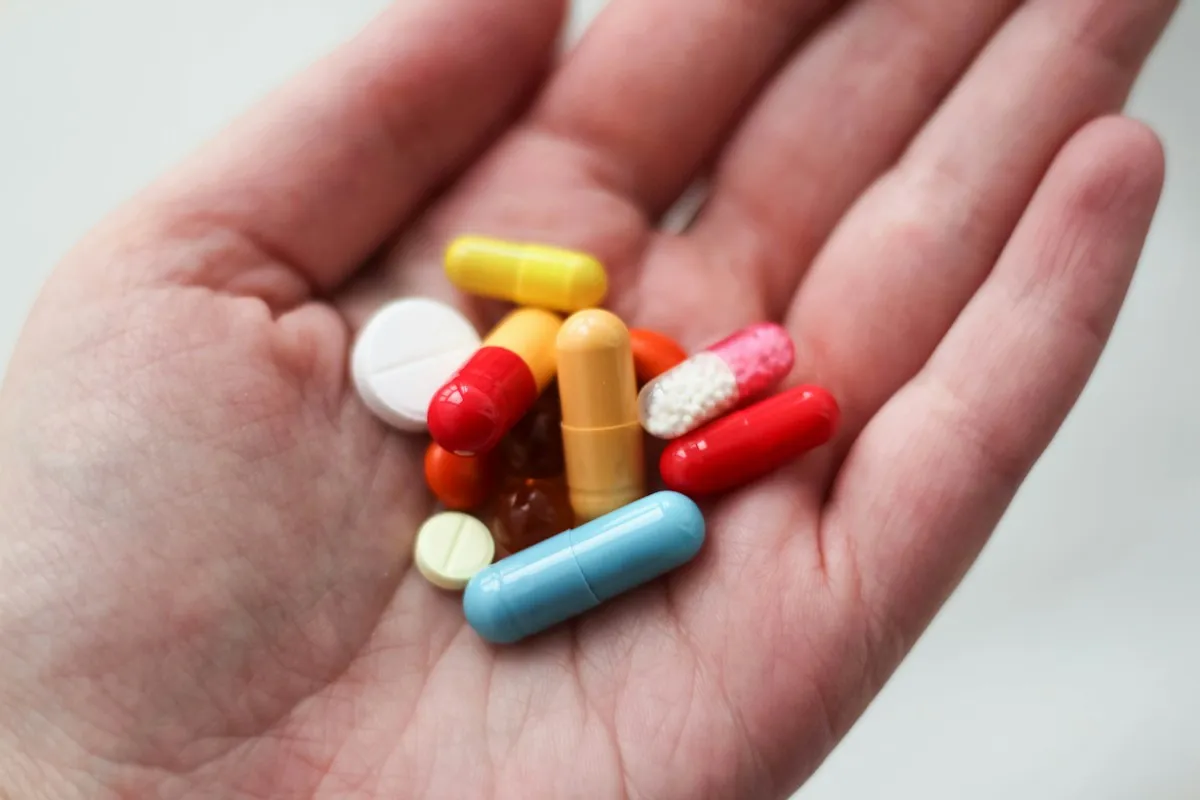
The more medicines a pet takes, the greater the chance of an interaction. Interactions either make a drug less effective or increase its side effects. These are the most important ones for owners to know.
1. NSAIDs with steroids: the most dangerous mix
Painkillers such as meloxicam, carprofen, firocoxib or aspirin should never be given together with corticosteroids such as prednisolone, dexamethasone, methylprednisolone or triamcinolone. Both reduce the stomach’s natural protection, and together they can cause bleeding ulcers and even holes (perforations) in the stomach or intestine.
This is a real risk in India, where a dog may receive a steroid injection for itching from one clinic and meloxicam for limping from another, or have steroid tablets at home while the owner adds a painkiller. If your pet needs to switch between these drug types, vets usually recommend a washout gap of about 5 to 7 days (longer after long-acting steroid injections). Signs of trouble include vomiting, black stools, weakness and a painful belly.
2. Two NSAIDs together
Never combine two NSAIDs, such as meloxicam with carprofen, or a vet NSAID with aspirin, ibuprofen or diclofenac. Side effects add up, without extra pain relief. See our guide to carprofen and why human painkillers are dangerous.
3. Kidney stress combinations
NSAIDs combined with diuretics such as furosemide and ACE inhibitors such as enalapril or benazepril, common in dogs with heart disease, can reduce blood flow to the kidneys. Vets sometimes use them together with careful monitoring, but dehydrated or elderly pets are at higher risk.
4. Serotonin syndrome
Several medicines raise serotonin in the brain. Combined, they can cause serotonin syndrome: agitation, tremors, muscle twitching, a racing heart, high temperature, vomiting, diarrhoea, wobbliness and, in severe cases, seizures and death. Medicines involved include:
- Tramadol (pain relief)
- Fluoxetine, clomipramine, trazodone and amitriptyline (behaviour medicines)
- Selegiline (for canine cognitive dysfunction)
- Amitraz, found in some tick dips, sprays and collars commonly used in India
Always tell your vet if your dog wears an amitraz collar or has had an amitraz dip before behaviour or pain medicines are prescribed. Amitraz products are also toxic to cats and should never be used on them.
5. Medicines that change how other drugs are cleared
- Cimetidine, omeprazole, ketoconazole and some antibiotics (erythromycin, enrofloxacin) slow the liver’s clearance of other drugs, which can push them to overdose levels. For example, cimetidine with theophylline can cause excitement, a fast heart rate or seizures.
- Phenobarbital (for seizures) speeds up the liver’s clearance of many drugs, making them less effective. Dogs on phenobarbital often need dose adjustments of other medicines.
6. Ivermectin and certain other drugs
High doses of ivermectin are dangerous for Collies, Shelties, Australian Shepherds and other dogs with the MDR1 gene mutation. Combining ivermectin with some other drugs (for example, spinosad or ketoconazole) can raise brain levels further. Never use livestock ivermectin injections or pour-ons on pets.
How To Prevent Medicine Interactions
- Keep an up-to-date written list of every medicine, supplement, injection, tick collar, spray and dip your pet receives, with doses.
- Show the list to every vet, including when visiting a new clinic or an emergency hospital.
- Ask specifically: “Is it safe to give this with what my pet already takes?”
- Never add human medicines, leftover pet medicines or medicines prescribed for another pet.
- Ask how long to wait before starting a new painkiller if your pet has recently had a steroid injection.
- Report any new vomiting, black stools, wobbliness or behaviour change promptly.
Frequently Asked Questions
Can I give my dog meloxicam meant for humans?
Not without a vet’s instruction. Human tablets are far stronger than most pet doses, especially for small dogs, and are very easy to overdose.
What happens if my dog gets too much meloxicam?
Overdose can cause vomiting, stomach ulcers, kidney failure and, at very high doses, seizures. Contact your vet or emergency clinic immediately.
How long after a steroid injection can my dog have meloxicam?
Usually at least 5 to 7 days, and longer after long-acting steroid injections. Your vet will advise based on the specific steroid.
Is meloxicam safe long term?
For many dogs with arthritis, yes, at the lowest effective dose with regular blood and urine tests.
Can meloxicam be given with antibiotics?
Usually yes, but some antibiotics affect the kidneys. Always check with your vet.
This article is for education and does not replace veterinary advice. Always check with your veterinarian before combining any medicines.
Related Articles
- Can Dogs Eat Broccoli, Cauliflower and Cabbage? Benefits, Risks and Safe Serving Sizes (Plus Cats)
- What Human Food Can Cats Eat? Safe Meat, Fish and Eggs, and Toxic Foods To Avoid
- Dog Seizures (Mirgi / Fits) First Aid Guide in India: What To Do During a Fit, Distemper vs Epilepsy and Safe Anti-Seizure Care
- What Can Cats Eat? Safe and Toxic Foods in Indian Homes
References
- Coates J. Dangerous Pet Medication Mixes to Avoid. PetMD.
- PetMD. Meloxicam for Dogs and Cats.
- Monteiro B, et al. 2022 WSAVA guidelines for the recognition, assessment and treatment of pain. Journal of Small Animal Practice, 2023;64(4):177–254.
- Sparkes AH, et al. ISFM and AAFP consensus guidelines: long-term use of NSAIDs in cats. Journal of Feline Medicine and Surgery, 2010;12(7):521–538.
- Budde JA, McCluskey DM. Plumb’s Veterinary Drug Handbook. 10th ed. Wiley-Blackwell, 2023.
More on Cats

Vomiting and Acidity Medicines for Dogs and Cats: Maropitant (Cerenia), Ondansetron, Pantoprazole and Famotidine
How vets use maropitant, ondansetron, famotidine and pantoprazole for vomiting and acidity in dogs and cats, and why diagnosis must come first.

Metronidazole (Metrogyl, Flagyl) for Dogs and Cats: When Vets Use It for Loose Motion and Giardia, and Why Overdose Causes Wobbling
Metronidazole for dogs and cats: uses for Giardia and gut infections, when it is not needed, giving the bitter pill, and neurotoxicity…