 Written and reviewed by Dr. Vaishnavi Karmawat, B.V.Sc. & A.H., Registered Veterinary Practitioner

Broccoli, cauliflower (phool gobhi) and cabbage (patta gobhi) are winter staples in Indian kitchens, and the crunchy stems and leftover florets often end up being offered to a hopeful dog. They belong to the same plant family, the crucifers, and share the same benefits and the same cautions.
In this article
- Can Dogs Eat Broccoli?
- Is Broccoli Good for Dogs?
- Broccoli vs. Cauliflower vs. Cabbage: Nutrition at a Glance
- Is Broccoli Bad for Dogs?
- Can Dogs Eat Raw Broccoli?
- How Much Broccoli Can a Dog Eat?
- How To Safely Feed Broccoli, Cauliflower and Cabbage to Your Dog
- Broccoli, Cauliflower and Cabbage Dishes Dogs Should Not Eat
- Can Cats Eat Broccoli?
- What To Give Your Dog Instead
- Frequently Asked Questions
- Related Articles
- References
Here is whether dogs and cats can eat these vegetables, how much is safe, the best way to prepare them, and who should avoid them.
Key Takeaways
- Dogs can eat plain broccoli, cauliflower and cabbage in small amounts, raw or cooked.
- These vegetables are low in calories and high in fibre, vitamin C and vitamin K, which makes them good low-calorie treats.
- They contain natural compounds called isothiocyanates that can irritate the stomach and cause gas, so keep portions small: well under 10 percent of daily food.
- Large, tough stems can choke dogs or block the food pipe. Chop everything into small pieces.
- Never share gobhi dishes such as aloo gobhi, gobhi manchurian, pakoras or cabbage chowmein, which contain onion, garlic, oil and sauces.
- Cats can have a thumb-sized amount of chopped, cooked broccoli once or twice a week, but they gain little from it.
Can Dogs Eat Broccoli?
Yes, dogs can eat broccoli, raw or cooked, as long as it is plain, chopped and given in small amounts. Broccoli is non-toxic to dogs and is a healthy, low-calorie snack. The same applies to its cruciferous relatives, cauliflower and cabbage.
These vegetables contain sulphur-rich compounds called glucosinolates. When the vegetable is chewed or chopped, an enzyme converts them into isothiocyanates, the compounds behind broccoli’s slightly bitter taste and cabbage’s smell when cooked. In people, isothiocyanates such as sulforaphane are studied for antioxidant and anti-cancer effects. In dogs, the same compounds can irritate the stomach and intestines when too much is eaten, which is why portion size matters more with crucifers than with most vegetables.
Is Broccoli Good for Dogs?
In small amounts, yes. Broccoli and its relatives offer:
- Very few calories. Raw broccoli has about 34 kcal per 100 g, and cauliflower and cabbage about 25 kcal, making them good treats for overweight dogs.
- Fibre, which supports healthy digestion and regular stools and helps dogs feel full.
- Vitamin C, an antioxidant. Dogs make their own vitamin C, but extra may help during stress or illness.
- Vitamin K, needed for normal blood clotting and bone health.
- Folate, potassium and beta-carotene, plus anthocyanin antioxidants in red cabbage.
- Crunch. Many dogs enjoy chewing raw stems and florets, which makes them a satisfying low-calorie reward.
Broccoli vs. Cauliflower vs. Cabbage: Nutrition at a Glance
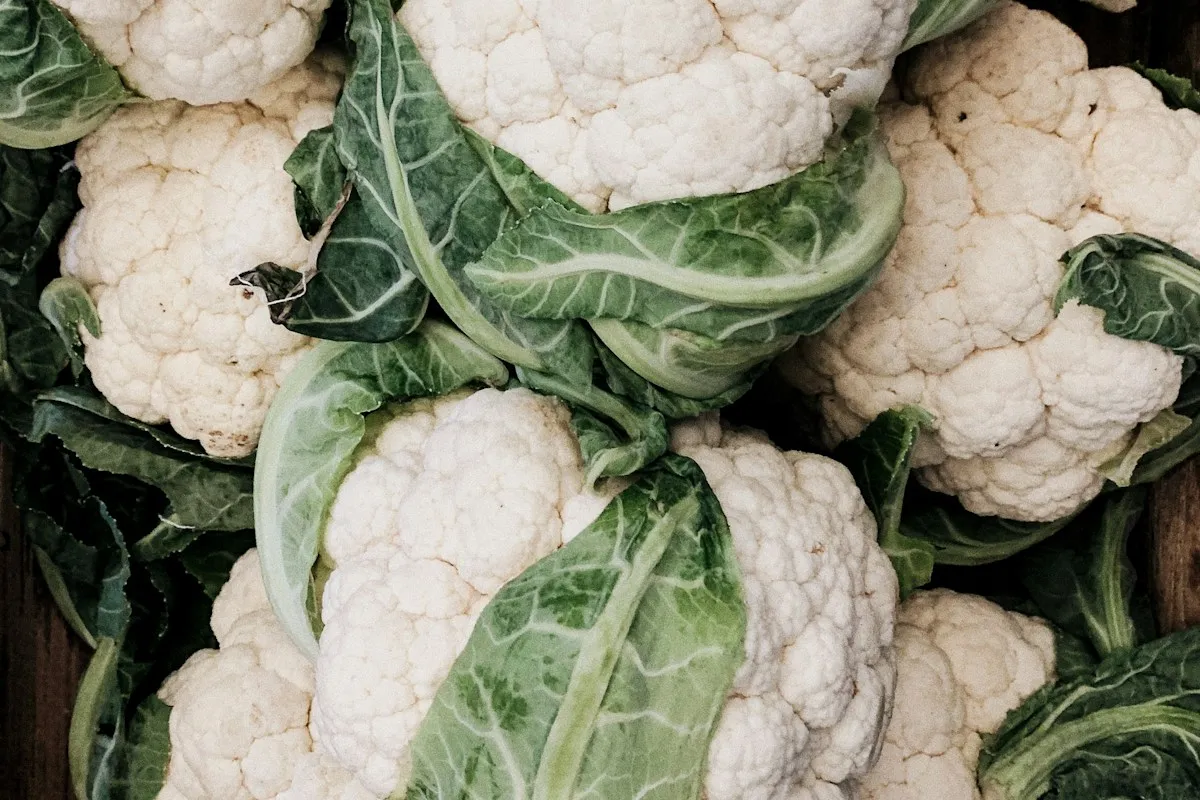
| Per 100 g raw | Broccoli | Cauliflower (phool gobhi) | Cabbage (patta gobhi) |
|---|---|---|---|
| Energy | About 34 kcal | About 25 kcal | About 25 kcal |
| Fibre | About 2.6 g | About 2 g | About 2.5 g |
| Vitamin C | Very high | High | High (red cabbage higher) |
| Vitamin K | Very high | Moderate | High |
| Other | Folate, potassium, beta-carotene, sulforaphane | Folate, choline, vitamin B6, potassium | Antioxidant anthocyanins in red cabbage |
| Fat | Almost none | Almost none | Almost none |
All three are low-calorie, low-fat crunchy treats that suit overweight dogs, as long as portions stay small.
Is Broccoli Bad for Dogs?
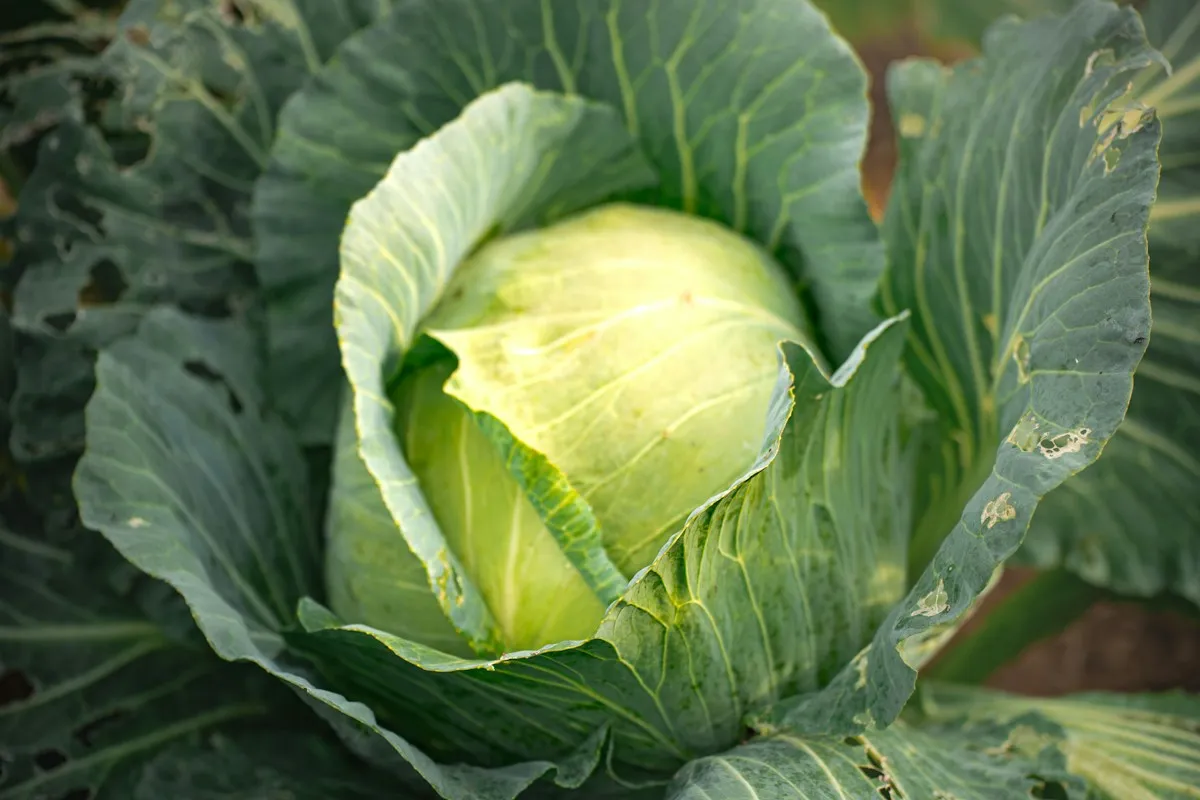
Plain broccoli in small amounts is not bad for dogs. Problems come from eating too much, from large pieces, and from how it is cooked.
Stomach upset and gas
Isothiocyanates and the fermentable fibre in crucifers can cause gas, bloating, belching and loose stools, especially in dogs that are not used to vegetables. A commonly used guideline is that broccoli is safe below about 10 percent of a dog’s daily food. Between 10 and 25 percent, stomach upset becomes likely, and above 25 percent it is considered potentially harmful. In practice, a dog would only eat that much by raiding the vegetable basket.
Choking and oesophageal blockage
Broccoli stems, cauliflower cores and thick cabbage ribs are dense and fibrous. A dog that gulps a large chunk can choke, or the piece can lodge in the oesophagus (food pipe). This is a particular risk for small breeds and dogs that swallow without chewing. Signs include gagging, drooling, repeated swallowing, retching and distress. This is an emergency, so go to a vet immediately.
Bloat risk in large, deep-chested dogs
Gas-producing foods are a minor concern on their own, but owners of Great Danes, German Shepherds, Dobermans, Boxers and other deep-chested breeds should avoid large meals of cabbage or cauliflower. Gastric dilatation-volvulus (GDV, or bloat) is a life-threatening twisting of the stomach. Signs include a swollen, tight belly, unproductive retching, restlessness and drooling. GDV needs emergency surgery.
Thyroid concerns with raw cabbage
Cabbage and other raw crucifers contain goitrogens, compounds that can reduce iodine uptake by the thyroid gland when eaten in large amounts over a long period. Small, occasional servings are not a problem for healthy dogs, and cooking reduces goitrogen activity. Dogs with hypothyroidism, or on thyroid medication, should check with their vet before eating crucifers regularly.
Kidney and bladder stones
Broccoli and cabbage are relatively low in oxalate, but kale and some other dark greens are higher. Dogs with a history of calcium oxalate stones should follow their vet’s diet advice before adding any vegetables.
Can Dogs Eat Raw Broccoli?
Yes. Raw broccoli and cauliflower are safe if they are washed and chopped into small, bite-sized pieces. Raw vegetables keep more vitamin C and more of the enzyme that produces isothiocyanates, but they are harder to digest and more likely to cause gas. Lightly steamed broccoli is usually the best balance: softer, easier on the stomach and still nutritious. Raw cabbage is the most likely of the three to cause gas, so cook it for dogs with sensitive stomachs.
How Much Broccoli Can a Dog Eat?
Keep broccoli, cauliflower and cabbage to a few small pieces, as part of the 10 percent of daily calories allowed for all treats combined. Introduce them slowly, starting with one or two pieces.
| Dog size | Example breeds | Chopped florets per serving | How often |
|---|---|---|---|
| Extra-small (1–4.5 kg) | Chihuahua, Pomeranian | 1–2 small florets | 2–3 times a week |
| Small (5–9 kg) | Shih Tzu, Pug, Lhasa Apso | 2–3 small florets | 2–3 times a week |
| Medium (10–22 kg) | Beagle, Indie, Cocker Spaniel | About ¼ cup | 2–3 times a week |
| Large (23–40 kg) | Labrador, German Shepherd | About ⅓ to ½ cup | 2–3 times a week |
| Extra-large (41 kg +) | Great Dane, Mastiff | Up to ½ cup, given in small portions to limit gas | 2–3 times a week |
How To Safely Feed Broccoli, Cauliflower and Cabbage to Your Dog
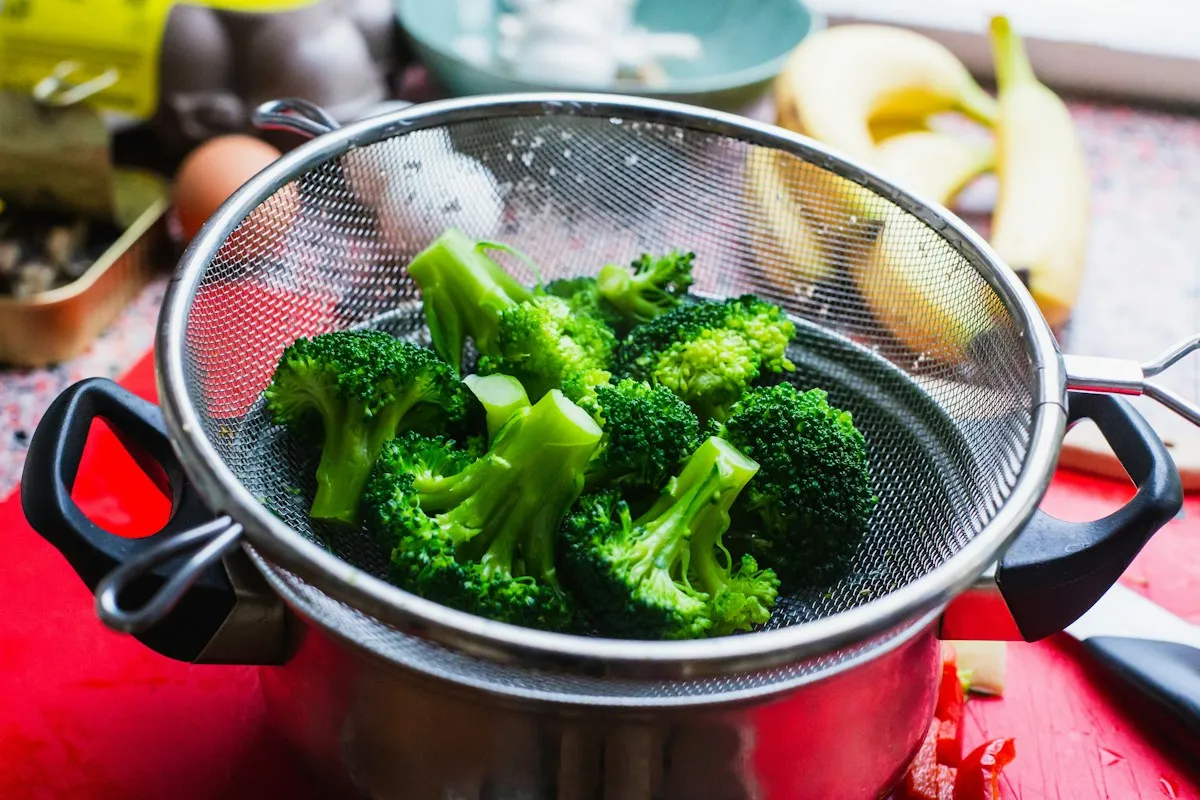
- Wash the vegetables thoroughly. Soak cauliflower and cabbage in water for a few minutes to remove insects and soil.
- Cut florets, peeled stems and cabbage leaves into small, bite-sized pieces. Remove the hard cauliflower core and thick cabbage ribs, or chop them very finely.
- Steam or boil lightly until just tender. Steaming keeps more nutrients than boiling.
- Add nothing: no salt, oil, ghee, butter, cheese, garlic, onion or masala.
- Cool before serving, then offer a few pieces on their own or mixed into your dog’s food.
Serving ideas: toss a few steamed florets into your dog’s regular meal; mix finely chopped steamed cabbage with plain boiled chicken and rice; or freeze small steamed pieces as a crunchy summer treat.
Broccoli, Cauliflower and Cabbage Dishes Dogs Should Not Eat
| Dish | Why it is unsafe |
|---|---|
| Aloo gobhi, gobhi sabzi, patta gobhi sabzi | Onion, garlic, ginger, chilli, salt and oil |
| Gobhi manchurian, chilli gobhi | Deep-fried batter, soy sauce, garlic, onion, chilli, cornflour |
| Gobhi or cabbage pakoras | Fried in oil, salted, spiced; can trigger pancreatitis |
| Momos, spring rolls, chowmein, fried rice | Cabbage mixed with onion, garlic, soy sauce, MSG and oil |
| Gobhi paratha | Ghee, salt, chilli, sometimes onion |
| Coleslaw | Mayonnaise (high fat), sometimes onion |
| Broccoli with cheese sauce or garlic butter | High fat, salt and garlic |
| Cabbage achar, kimchi or sauerkraut | Very salty; kimchi contains garlic and chilli |
Can Cats Eat Broccoli?
Broccoli is non-toxic to cats, but it is not especially good for them. Cats are obligate carnivores and get little useful nutrition from vegetables. Some cats enjoy chewing on greens, though, and a small amount of broccoli’s fibre may help stool consistency.
- Start with a piece the size of your little fingernail to see whether your cat tolerates it.
- After that, a thumb-sized amount of cooked, finely chopped broccoli once or twice a week is the maximum.
- Serve it plain and steamed; cooked broccoli is easier for cats to digest.
- Cauliflower and cabbage are also non-toxic to cats, but they cause gas easily. Offer only a tiny cooked piece, if any.
Too much can cause gas, belly discomfort, vomiting or diarrhoea, and a large piece can cause choking or an intestinal blockage. For more safe options, see what human food cats can eat.
What To Give Your Dog Instead
If crucifers give your dog gas, try gentler low-calorie vegetables such as carrots and peas, cucumber, plain cooked pumpkin or green beans.
Frequently Asked Questions
Does broccoli make dogs fart?
Yes. Fibre and sulphur compounds are fermented by gut bacteria, producing gas. Smaller portions and lightly cooked pieces help.
Can dogs eat broccoli stems?
Stems are not toxic but are tough and fibrous. Peel, chop finely and cook them, or simply leave them out, especially for small dogs.
Is raw cabbage safe for dogs?
A small amount is safe, but cooked cabbage is easier to digest and causes less gas.
Can I add cauliflower to my dog’s homemade food every day?
Small amounts can be part of a balanced homemade diet designed with your vet or a veterinary nutritionist. Vegetables should not replace the protein, calcium and vitamin-mineral supplement a homemade diet needs.
My dog ate a lot of raw cabbage or broccoli. What should I do?
Expect gas and possibly loose stools for a day. Call your vet if your dog vomits repeatedly, seems in pain, has a swollen belly, or is a large deep-chested breed showing restlessness or retching.
This article is for education and does not replace veterinary advice. Always check with your vet before adding new foods, especially for dogs with thyroid disease, bladder stones or on prescription diets.
Related Articles
- Can Dogs Eat Mango (Aam)? Benefits, Risks, Serving Sizes and the Stone (Guthli) Danger
- Can Dogs Eat Pineapple (Ananas)? Bromelain Benefits, Core and Rind Obstruction Risks, Serving Chart and Papaya (Papita) Comparison
- Can Dogs Eat Orange (Santra) or Mosambi? Benefits, Risks and Safe Amounts
- Can Dogs Eat Banana (Kela)? Serving Chart by Weight, Benefits, Risks and the Loose Motion Myth
References
- Arnold VL, Mitchell SC. Can Dogs Eat Broccoli? PetMD, 2022.
- Mitchell SC. Can Cats Eat Broccoli? PetMD, 2024.
- Arnold VL, Mitchell SC. Can Dogs Eat Cauliflower? PetMD, 2023.
- Saylor A, Mitchell SC. Can Dogs Eat Cabbage? PetMD, 2023.
- USDA FoodData Central. Broccoli, raw; Cauliflower, raw; Cabbage, raw.
- National Research Council. Nutrient Requirements of Dogs and Cats. National Academies Press, 2006.
More on Cats
Prednisolone (Wysolone) for Dogs and Cats: Uses, Side Effects, Tapering, and the Truth About Steroid Injections
Uses and side effects of prednisolone, why it must be tapered, the danger of mixing with painkillers, and the truth about steroid…
Dog and Cat Spay/Neuter Guide: Right Age, Laparoscopic vs Traditional Spay, 10-Day Stitch Care and Cone Rules
When to spay or neuter dogs and cats, open vs laparoscopic surgery, a day-by-day recovery plan, cone rules and warning signs at…