 Written and reviewed by Dr. Vaishnavi Karmawat, B.V.Sc. & A.H., Registered Veterinary Practitioner

- Yes, dogs can eat orange (santra) and mosambi (sweet lime) segments in small amounts, peeled and seedless.
- Do not give the peel, white pith in large amounts, or seeds; they are hard to digest and the peel oils can upset the stomach.
- Citrus is acidic and sugary, so too much causes vomiting or loose stools.
- Skip orange juice, mosambi juice with sugar or salt, and very sour citrus such as lemon, lime and grapefruit.
- Dogs make their own vitamin C, so citrus is a treat, not a supplement.
Mosambi and oranges are everyday fruits in Indian homes, and dogs often beg for a piece when the family is eating. Small amounts of the juicy flesh are safe for most dogs. This guide explains benefits, risks, how many segments by weight and which citrus fruits to avoid.
In this article
- Nutrition
- Risks of citrus for dogs
- How much orange or mosambi can my dog eat?
- How to prepare citrus for your dog
- Who should avoid citrus
- Other citrus fruits
- If your dog ate too much citrus or the peel
- Citrus oils in the home: a bigger risk than the fruit
- Can cats eat oranges?
- Frequently asked questions
- Related Articles
- References
Nutrition
100 g of orange or mosambi flesh provides about 40 to 47 kcal, 8 to 9 g natural sugar, 2 g fibre, and plenty of vitamin C (about 50 mg in orange), plus potassium, folate and flavonoid antioxidants such as hesperidin.
Unlike people, dogs synthesise their own vitamin C in the liver, so they do not need it from food. The fruit’s fibre, water and flavour are the main attractions, and only in small quantities.
Risks of citrus for dogs
- Acidity: can irritate the stomach and cause vomiting, especially on an empty stomach.
- Sugar: adds calories; not ideal for diabetic or overweight dogs.
- Peel and pith: tough and fibrous; the peel contains essential oils (such as limonene and linalool) that can upset the stomach. Large pieces can cause a blockage.
- Seeds: can cause choking in small dogs and contain small amounts of bitter compounds.
- Juice: concentrated sugar and acid without fibre.
- Very sour citrus: lemon, lime (nimbu) and grapefruit are too acidic and bitter; their peels and plants contain psoralens that can cause stomach upset and, rarely, skin sensitivity.
How much orange or mosambi can my dog eat?
One or two times a week:
| Dog’s weight | Amount |
|---|---|
| Up to 5 kg | Half a segment |
| 5 to 10 kg | 1 segment |
| 10 to 25 kg | 1 to 2 segments |
| 25 to 40 kg | 2 segments |
| Over 40 kg | 2 to 3 segments |
Start with a small piece and watch for vomiting or loose stools over 24 hours.
The 10% treat rule: calories in context
Vets use a simple rule: treats of all kinds should provide no more than about 10% of a dog’s daily calories. One orange segment (about 10 to 12 g) has roughly 5 kcal, so the amounts above are well within that limit. The real risk is not calories but acid and sugar on a sensitive stomach.
| Dog’s weight | Approx. daily calories (adult, moderately active) | 10% treat allowance | Equivalent in orange segments |
|---|---|---|---|
| 5 kg | about 350 to 400 kcal | about 35 kcal | 7 segments (but limit to half a segment for stomach comfort) |
| 10 kg | about 550 to 650 kcal | about 60 kcal | 12 segments (limit to 1) |
| 20 kg | about 950 to 1,100 kcal | about 100 kcal | 20 segments (limit to 1 to 2) |
| 30 kg | about 1,300 to 1,450 kcal | about 140 kcal | 28 segments (limit to 2) |
The gap between the calorie limit and the safe serving shows why serving size for fruit is set by digestive tolerance, not by calories. Overweight and diabetic dogs should get fruit only with their vet’s agreement, and the treat calories should come out of their daily food.
How to prepare citrus for your dog
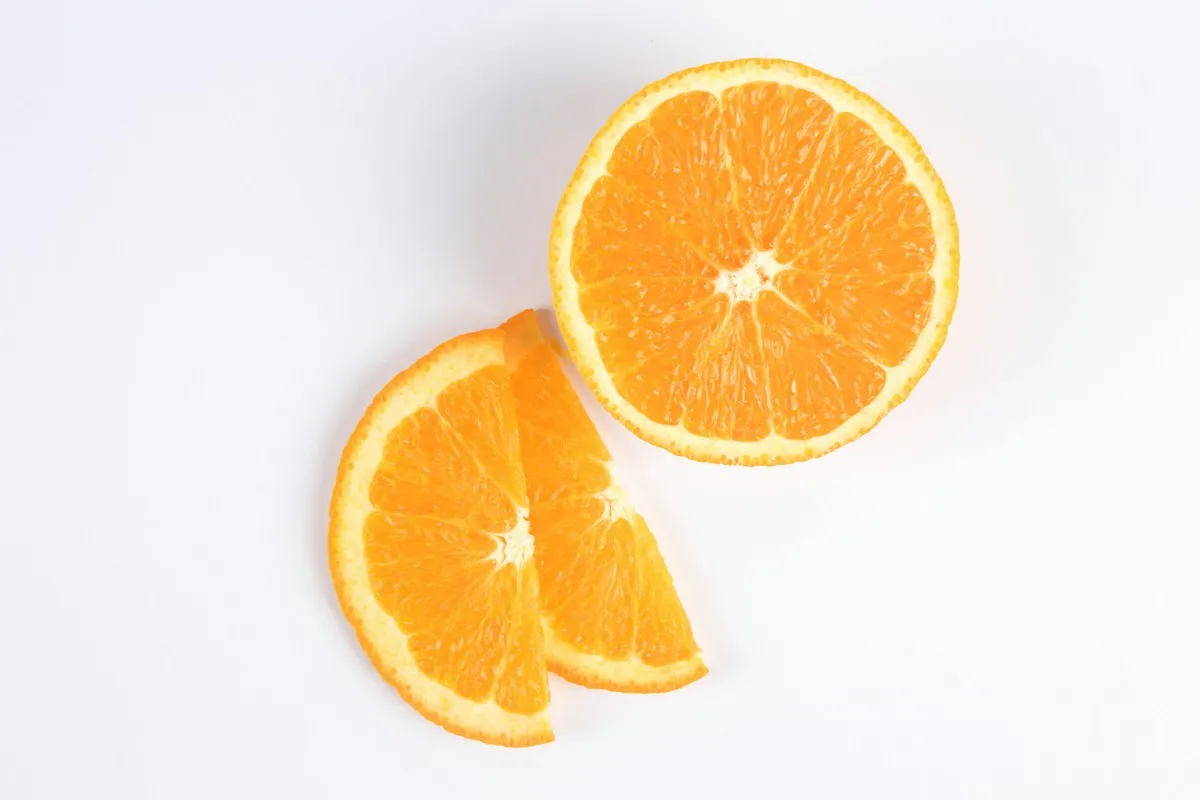
- Wash the fruit.
- Peel it and remove as much white pith as possible.
- Separate the segments and remove all seeds.
- Cut segments into small pieces for small dogs.
Serving ideas: a segment as an occasional treat; small pieces mixed into plain curd and frozen in ice trays; a few pieces in a summer fruit mix with watermelon and apple.
Who should avoid citrus
- Diabetic dogs and overweight dogs
- Dogs with sensitive stomachs, reflux or a history of pancreatitis
- Dogs on a prescription diet (do not add extras without your vet’s approval)
- Puppies under about 3 months
Other citrus fruits
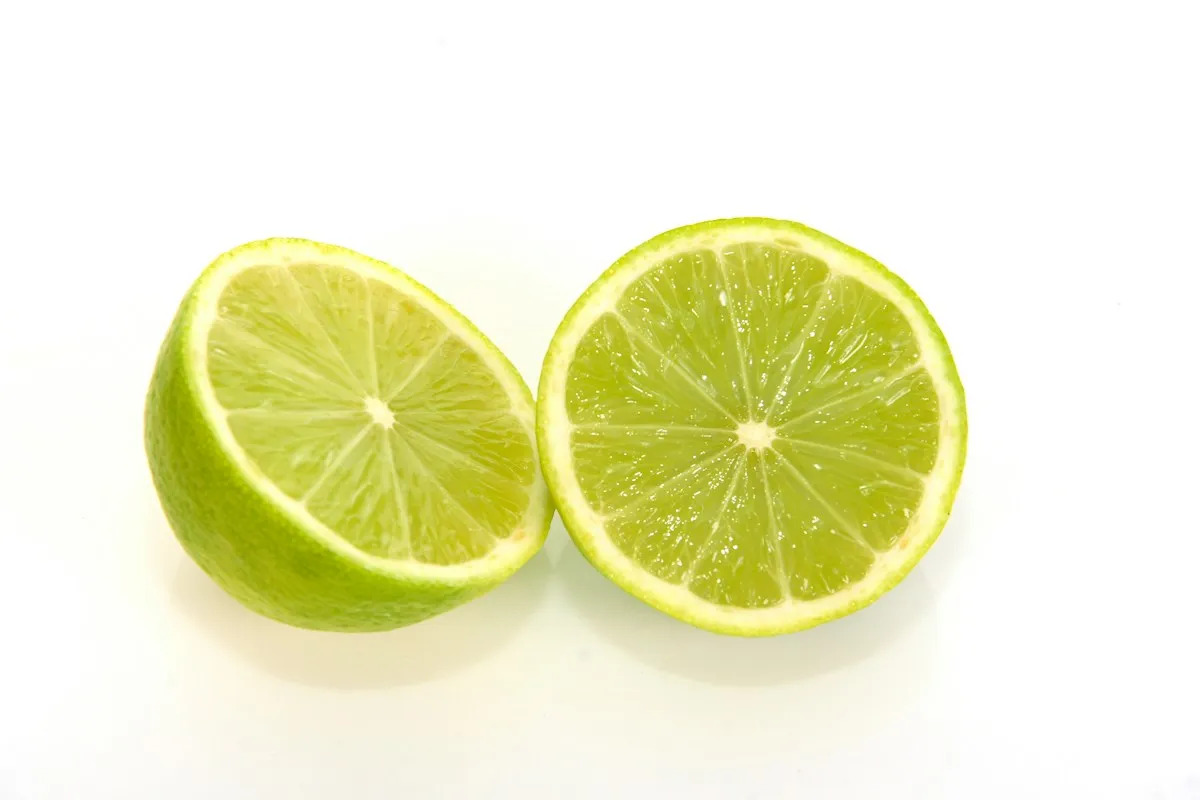
| Fruit | Verdict |
|---|---|
| Kinnow, mandarin, tangerine | Small amounts of peeled, seedless segments are fine |
| Mosambi (sweet lime) | Small amounts are fine; it is less acidic than many oranges |
| Lemon, lime (nimbu) | Avoid; too sour, and peel and plant can upset the stomach |
| Grapefruit, chakotra | Avoid; very bitter and acidic |
| Orange peel, candied peel, marmalade | Avoid |
If your dog ate too much citrus or the peel
| What happened | What to expect | What to do |
|---|---|---|
| A few extra segments | Possibly soft stool or mild vomiting within 12 hours | Withhold treats, offer water, feed normal meals; usually settles in a day |
| A large amount of flesh | Vomiting, diarrhoea, drooling from acidity | Small, bland meals for a day; see a vet if vomiting repeats or the dog is dull |
| Peel or whole fruit, small dog | Risk of stomach or intestinal blockage | Call a vet the same day; do not make the dog vomit at home |
| Repeated vomiting, belly pain, no stool for over 24 hours | Possible obstruction | Urgent vet visit; X-ray or ultrasound may be needed |
Citrus oils in the home: a bigger risk than the fruit
Concentrated citrus oils are far more irritating than a piece of fruit. Orange, lemon and lime essential oils, and d-limonene, appear in some room fresheners, floor cleaners, shampoos and older “natural” flea products.
- Dogs can develop drooling, vomiting, wobbliness and skin irritation if they lick or are bathed in strong citrus-oil products.
- Cats are much more sensitive because their liver handles these compounds poorly. Do not use citrus essential oils on cats or diffuse them in a closed room with a cat.
- Do not rub orange or lemon peel on a dog’s skin to keep ticks away; it irritates the skin and does not control ticks reliably.
- If a pet licks a concentrated oil, wipe the mouth and skin with a damp cloth, wash with mild dish soap if on the fur, and call your vet.
Can cats eat oranges?
Cats generally dislike citrus smells and should not be given citrus fruit or citrus essential oils. Cats are particularly sensitive to many essential oils.
Dr. Vaishnavi’s advice: In my view, citrus is a treat to share for fun, not a health food for dogs. One peeled, seedless segment is plenty for most dogs. If your dog gets an upset stomach easily or is overweight, skip it and choose cucumber or a piece of apple instead.
Frequently asked questions
Can dogs drink mosambi juice?
It is not toxic, but juice is concentrated sugar and acid without fibre. A fresh segment is better. Never add salt, sugar or chaat masala.
Can dogs eat orange peel?
No. It is hard to digest, contains irritating oils and can cause vomiting or a blockage.
Is orange good for a dog with a cold?
There is no evidence that orange helps dogs recover from respiratory infections, and dogs make their own vitamin C. A coughing or sneezing dog should see a vet; see kennel cough.
My dog ate a whole orange with peel. What should I do?
Most dogs will just have mild vomiting or loose stools. If your dog is small, keeps vomiting, has belly pain or stops passing stools, see a vet.
Can puppies eat oranges?
Older puppies can have a tiny piece occasionally, but their stomachs are sensitive. Focus on a complete puppy diet.
What fruits are safer than citrus?
Apple, banana, watermelon, papaya and berries in small amounts.
Related Articles
- Can Dogs Eat Banana (Kela)? Serving Chart by Weight, Benefits, Risks and the Loose Motion Myth
- Can Dogs Eat Mango (Aam)? Benefits, Risks, Serving Sizes and the Stone (Guthli) Danger
- Can Dogs Eat Papaya? Benefits, Risks and How Much
- Can Dogs Eat Peanut Butter, Rice and Aloo (Potato)? Safe Indian Staples vs Hidden Toxins
References
- U.S. Department of Agriculture, Agricultural Research Service. FoodData Central: Oranges, raw, all commercial varieties.
- National Research Council. Nutrient Requirements of Dogs and Cats. Washington, DC: National Academies Press; 2006 (vitamin C synthesis in dogs).
- ASPCA Animal Poison Control Center. Toxic and Non-Toxic Plants: Orange, Lemon, Lime.
- Merck Veterinary Manual. Essential Oil Toxicosis.
- American Kennel Club. Can Dogs Eat Oranges?
More on Dog Food and Diet

Best Supplements for Dogs in India: Calcium for Puppies vs Glucosamine and Omega-3 for Joints vs Probiotics
Which dog supplements work: calcium risks in puppies, glucosamine and omega-3 for joints and skin, probiotics, and human supplements that poison dogs.

Homemade Diet Chart for Indie Puppies in India: Month by Month
Need a homemade diet chart for Indie puppies in India? Dr. Vaishnavi shares a month-by-month desi puppy nutrition plan, toxic foods &…