 Written and reviewed by Dr. Vaishnavi Karmawat, B.V.Sc. & A.H., Registered Veterinary Practitioner

- Yes, dogs can eat watermelon (tarbooz): the red flesh only, without seeds and rind.
- It is over 90 percent water and low in calories, making it a good occasional summer treat in India.
- The green rind is hard to digest and can cause vomiting or a blockage; black seeds can block the gut of small dogs if many are eaten.
- Watermelon does not replace drinking water, and it cannot treat heatstroke.
- Avoid sweetened watermelon juice, sharbat with sugar, and anything with chaat masala or salt.
When Indian summers hit 40 °C and above, a few cubes of chilled watermelon can be a welcome treat for dogs. Watermelon is one of the safer fruits for dogs, but preparation matters. This guide explains the nutrition, risks, safe amounts by weight and fun ways to serve it.
In this article
- Nutrition: why watermelon suits hot weather
- Risks of watermelon for dogs
- How much watermelon can my dog eat?
- How to prepare watermelon for your dog
- What to avoid
- Watermelon compared with other summer fruits
- Watermelon and heatstroke
- How much water does a dog need in summer?
- Can puppies and cats eat watermelon?
- Frequently asked questions
- Related Articles
- References
Nutrition: why watermelon suits hot weather
100 g of watermelon flesh provides roughly:
- Water: about 91 g
- Energy: about 30 kcal
- Natural sugar: about 6 g
- Fibre: about 0.4 g
- Vitamin A (as beta-carotene), vitamin C, vitamin B6 and potassium
- Lycopene, a red antioxidant pigment
Low calories and lots of water make it a better summer treat than biscuits. But watermelon is not a substitute for clean drinking water, and its nutrients are a bonus, not a need, for a dog on complete food.
Risks of watermelon for dogs
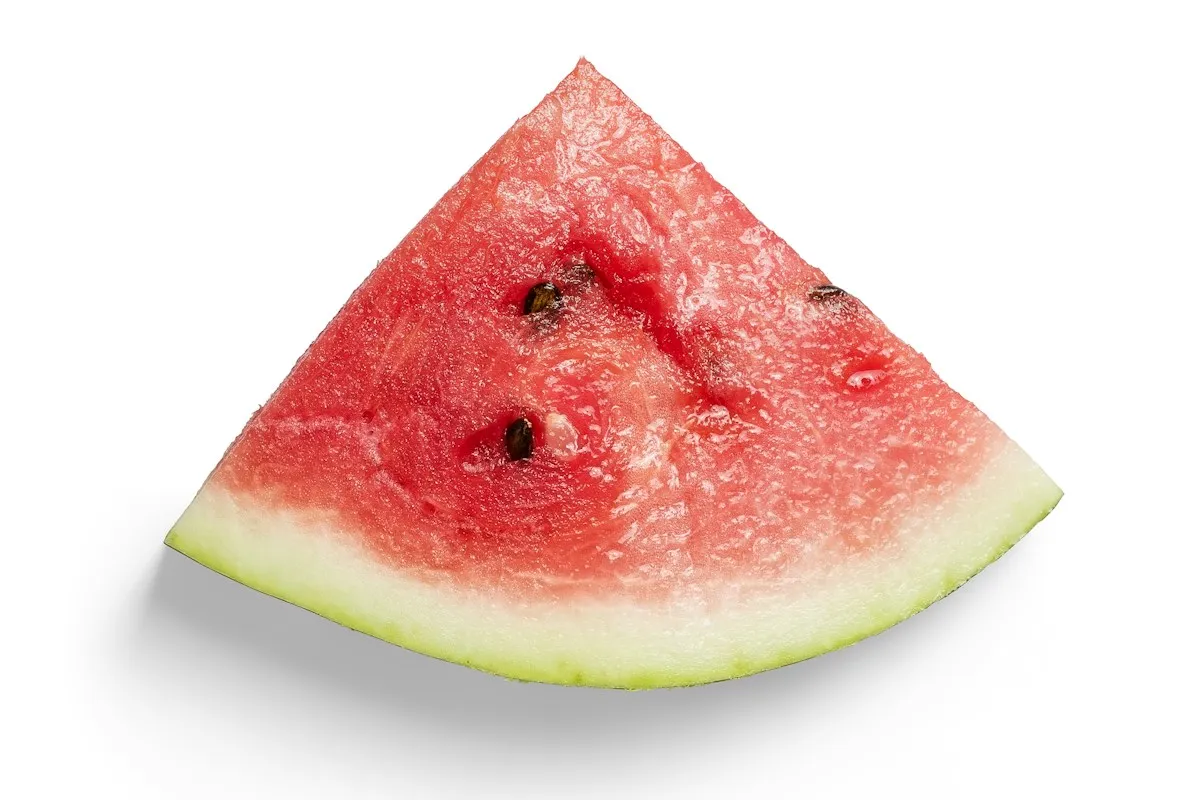
- Rind: the green outer skin is tough. Dogs that chew and swallow pieces of rind can vomit or develop an intestinal blockage, especially small breeds.
- Seeds: a few swallowed seeds usually pass, but many seeds can cause a blockage in a small dog. Mature black seeds also contain small amounts of compounds that can release cyanide when crushed; remove them.
- Too much: large amounts can cause loose stools, gas and belly discomfort.
- Sugar: diabetic and overweight dogs should have only very small amounts, with vet approval.
- Contaminated or old cut melon: cut fruit left out in Indian heat spoils quickly. Serve fresh.
How much watermelon can my dog eat?
Use cubes about 2 cm across, two or three times a week:
| Dog’s weight | Cubes per serving |
|---|---|
| Up to 5 kg | 2 to 3 |
| 5 to 10 kg | 3 to 4 |
| 10 to 25 kg | 4 to 6 |
| 25 to 40 kg | 6 to 8 |
| Over 40 kg | 8 to 10 |
Start small to see how your dog’s stomach handles it.
How to prepare watermelon for your dog
- Wash the outside of the melon before cutting, to avoid dragging dirt and bacteria into the flesh.
- Cut away all rind, including the pale green layer.
- Remove the black seeds (white immature seeds in “seedless” melons are soft and usually fine).
- Cut into small cubes and serve fresh, or freeze.
Summer serving ideas
- Frozen cubes as a cooling chew
- Watermelon purée frozen in ice trays or a stuffed toy
- Watermelon blended with plain curd and frozen (no sugar)
- Mixed with cucumber pieces as a hydrating salad
What to avoid
- Watermelon rind and seeds
- Sugary watermelon juices, sharbat, slush and ice cream
- Fruit chaat with salt, chaat masala, lemon and black salt
- Watermelon candy and flavoured sweets, which may contain xylitol
Watermelon compared with other summer fruits
| Fruit | Water (approx.) | Energy per 100 g (approx.) | Safe for dogs? | Remove |
|---|---|---|---|---|
| Watermelon (tarbooz) | 91% | 30 kcal | Yes, small amounts | Rind and black seeds |
| Muskmelon (kharbuja) | 90% | 34 kcal | Yes, small amounts | Rind and seeds |
| Cucumber (kheera) | 95% | 15 kcal | Yes | Bitter ends; check it is not bitter |
| Mango (aam) | 83% | 60 kcal | Yes, small amounts | Stone (guthli) and skin |
| Litchi | 82% | 66 kcal | Only a little ripe flesh | Seed and skin; never unripe fruit |
| Jamun | 84% | 60 kcal | Yes, a few | Seed |
| Grapes and raisins | — | — | No, never | Toxic to dogs |
Watermelon and cucumber are the lowest-calorie choices, so they suit overweight dogs better than mango or litchi.
Watermelon and heatstroke
Watermelon can help keep a dog hydrated on hot days, but it does nothing for a dog that is already overheating. Heavy panting, red gums, wobbling or collapse need active cooling and a vet. Read our guide to heatstroke in dogs and the 1-minute dehydration check.
How much water does a dog need in summer?

A healthy dog drinks roughly 50 to 60 ml of water per kg of body weight per day in normal weather, and more on hot days, after exercise, or if fed only dry kibble. A 20 kg dog therefore needs about 1 to 1.2 litres a day, often more in an Indian May.
Six 2 cm cubes of watermelon weigh about 50 g and supply only about 45 ml of water. Watermelon is a pleasant extra, not a meaningful source of hydration. Keep fresh water available in the shade, and refill it during the day.
Food safety in Indian markets
- Buy whole melons rather than pre-cut pieces left uncovered in the heat.
- Wash the rind before cutting to avoid carrying dirt and bacteria into the flesh.
- There have been reports of colour being injected into watermelons to make them look redder. A simple check is to rub a piece of white cotton or tissue on the cut flesh: natural juice leaves a light pink stain, while an unnaturally deep red stain is a warning sign. Discard suspicious fruit.
- Refrigerate leftovers and use within a day.
Can puppies and cats eat watermelon?
Puppies can have a small piece without seeds and rind, but they have sensitive stomachs, so start with one cube. Cats can lick or eat a little seedless flesh safely, but they do not need fruit.
Dr. Vaishnavi’s advice: I like watermelon as a summer treat for dogs because it is mostly water and low in calories. But please remember it never replaces a full water bowl in the shade. On very hot days, walk your dog early in the morning or late in the evening, and learn the signs of heatstroke.
Frequently asked questions
Can dogs eat watermelon rind?
No. It is hard to digest and can cause vomiting or a blockage. Remove all rind.
What if my dog ate watermelon seeds?
A few seeds usually pass without problems in medium and large dogs. If a small dog ate many seeds and starts vomiting, has belly pain or stops passing stools, see a vet.
Is watermelon good for dogs in summer?
Yes, as an occasional treat, it adds water and very few calories. Always provide plenty of fresh drinking water and avoid midday walks.
Can watermelon give my dog loose motion?
Yes, if too much is eaten at once. Stick to the portion sizes above.
Can diabetic dogs eat watermelon?
Only small amounts and with your vet’s approval, because of the natural sugar.
What other summer foods are safe for dogs?
Cucumber, plain unsalted chaas, muskmelon without seeds and rind, and frozen plain curd. See our list of 10 cooling foods for dogs.
Related Articles
- Heatstroke in Dogs in India: Stages, First Aid, Vet Treatment and 10 Cooling Foods
- Can Dogs Eat Peanut Butter, Rice and Aloo (Potato)? Safe Indian Staples vs Hidden Toxins
- Can Dogs Eat Blueberries, Strawberries and Jamun? Safe Berries Guide for Indian Dogs (and Why Jamun Seeds Must Be Removed)
- Can Dogs Eat Paneer, Cheese or Curd? Lactose Intolerance and Safe Indian Dairy Guide for Dogs
References
- U.S. Department of Agriculture, Agricultural Research Service. FoodData Central: Melons, watermelon, raw.
- National Research Council. Nutrient Requirements of Dogs and Cats. Washington, DC: National Academies Press; 2006.
- Merck Veterinary Manual. Gastrointestinal Obstruction in Small Animals.
- WSAVA Global Nutrition Committee. Global Nutrition Guidelines. Journal of Small Animal Practice. 2011;52(7):385-396.
- American Kennel Club. Can Dogs Eat Watermelon?
More on Dog Food and Diet

Best Supplements for Dogs in India: Calcium for Puppies vs Glucosamine and Omega-3 for Joints vs Probiotics
Which dog supplements work: calcium risks in puppies, glucosamine and omega-3 for joints and skin, probiotics, and human supplements that poison dogs.

Homemade Diet Chart for Indie Puppies in India: Month by Month
Need a homemade diet chart for Indie puppies in India? Dr. Vaishnavi shares a month-by-month desi puppy nutrition plan, toxic foods &…