 Written and reviewed by Dr. Vaishnavi Karmawat, B.V.Sc. & A.H., Registered Veterinary Practitioner
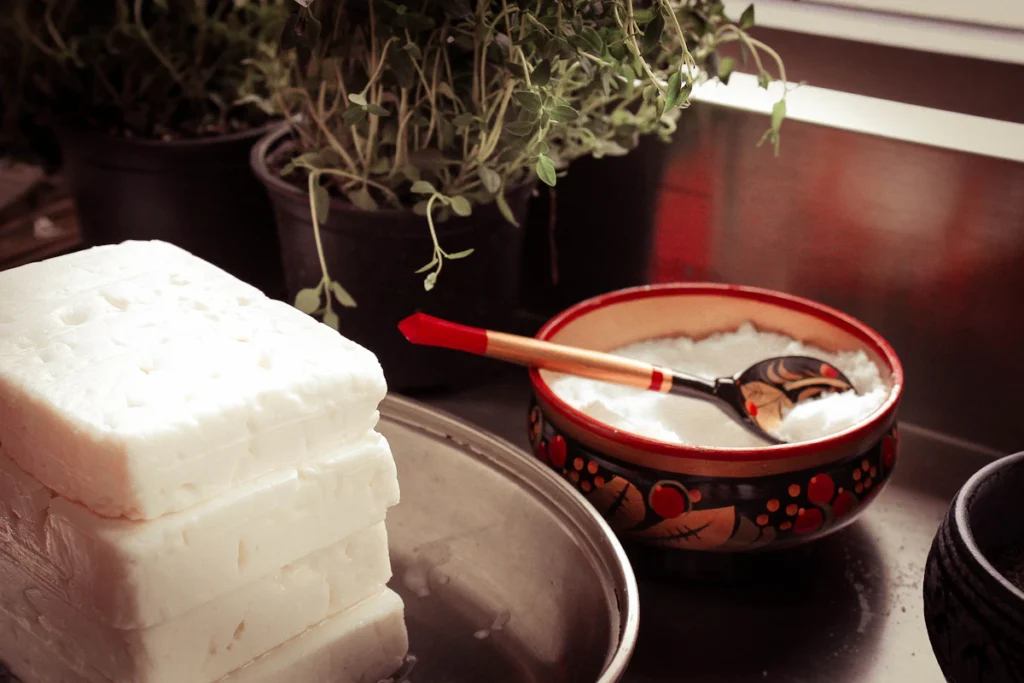
Short answer: yes, most dogs can eat a few small cubes of plain paneer as an occasional treat. Paneer is a good protein but is also high in fat and calories, so portion size matters. Some dogs are sensitive to dairy, and dogs with pancreatitis or obesity should avoid it.
In this article
- Is paneer good for dogs?
- Lactose intolerance in dogs: why dairy upsets some dogs
- When paneer and dairy are not safe
- How much paneer can a dog have?
- Paneer compared with other dairy and protein foods
- Safe ways to give paneer
- Can vegetarian dogs get enough protein from paneer?
- Frequently asked questions
- Related Articles
- References
Key Takeaways
- Most dogs can eat a few small cubes of plain paneer as an occasional treat.
- Paneer is a good protein but high in fat (about 20 to 25 g per 100 g), so portions must stay small.
- Some dogs are lactose intolerant; loose stools or gas after dairy mean it does not suit them.
- Dogs with pancreatitis, obesity or a sensitive stomach should avoid paneer and cheese.
- Never give paneer dishes cooked with onion, garlic, butter, cream or spices.
Paneer is a staple in many Indian vegetarian homes, and it is often the first “people food” a dog is offered. Cheese, curd (dahi), chaas and milk are close behind. Dairy can be a useful treat or pill-hider, but dogs differ a lot in how well they digest it. This guide explains the science of lactose intolerance in dogs, compares paneer with cheese and other dairy, gives portion sizes by weight and lists dairy dishes to avoid.
Is paneer good for dogs?
100 g of full-fat paneer provides roughly 260 to 320 kcal, 18 to 20 g protein, 20 to 25 g fat and a good amount of calcium. Its protein is complete and highly digestible, and fresh paneer is lower in salt and lactose than milk. For a healthy dog of normal weight, a few small cubes are a useful high-value training treat or a way to hide tablets.
Lactose intolerance in dogs: why dairy upsets some dogs
Puppies produce the enzyme lactase to digest milk sugar (lactose). After weaning, most dogs make much less. When a dog eats more lactose than it can digest, the undigested sugar draws water into the gut (osmotic effect) and is fermented by bacteria, causing gas, bloating, soft stools or diarrhoea. The amount a dog tolerates varies from dog to dog.
| Dairy product | Approximate lactose per 100 g | Typical tolerance |
|---|---|---|
| Cow or buffalo milk | 4.5 to 5 g | Often causes loose stools in adult dogs |
| Curd (dahi), plain | 3 to 4 g, partly broken down by cultures | Usually tolerated in small amounts |
| Chaas (thin buttermilk) | 1.5 to 2.5 g | Usually tolerated if unsalted |
| Fresh paneer | about 1 to 3 g | Usually tolerated in small amounts |
| Cottage cheese | about 3 g | Fairly well tolerated; lower fat versions exist |
| Aged hard cheese (cheddar, parmesan) | under 0.5 g | Low lactose but salty and fatty |
| Processed cheese slices and spreads | variable, often 2 to 6 g | High salt; additives |
True dairy allergy is different: it is an immune reaction to milk proteins (such as casein) and causes itching, ear infections or chronic gut signs, even with tiny amounts. Dairy is among the more common food allergens in dogs.
When paneer and dairy are not safe
- Obesity: paneer is calorie-dense; a 20 g piece is about 60 kcal, a big share of a small dog’s daily needs.
- Pancreatitis or a history of it: high-fat foods such as paneer, cheese, cream and ghee can trigger painful attacks. See pancreatitis in dogs.
- Kidney disease: dairy adds phosphorus; dogs on renal diets should not get extras.
- Food allergy or chronic diarrhoea: avoid dairy unless your vet includes it in the diet plan.
- Spiced dishes: paneer tikka, paneer butter masala, kadhai paneer, shahi paneer, paneer bhurji and paneer pakoras contain onion, garlic, chilli, salt, butter or oil.
How much paneer can a dog have?
Use cubes about 1 cm across (roughly 1 to 1.5 g each). For a healthy adult dog, a few times a week:
| Dog’s weight | Paneer per serving |
|---|---|
| Up to 5 kg | 1 to 2 small cubes |
| 5 to 10 kg | 2 to 3 cubes |
| 10 to 25 kg | 3 to 5 cubes |
| 25 to 40 kg | 5 to 8 cubes |
| Over 40 kg | 8 to 10 cubes |
Try one cube first and watch stools for a day. If your dog gets gas or loose stools, reduce or stop.
Paneer compared with other dairy and protein foods
| Food | Verdict for dogs |
|---|---|
| Plain fresh paneer | Small amounts fine |
| Low-fat paneer (from toned milk) | Better choice for weight-watchers |
| Curd (dahi) | Small amounts usually fine; contains live cultures |
| Unsalted chaas | Good summer treat in small amounts |
| Cottage cheese (low fat) | Small amounts fine |
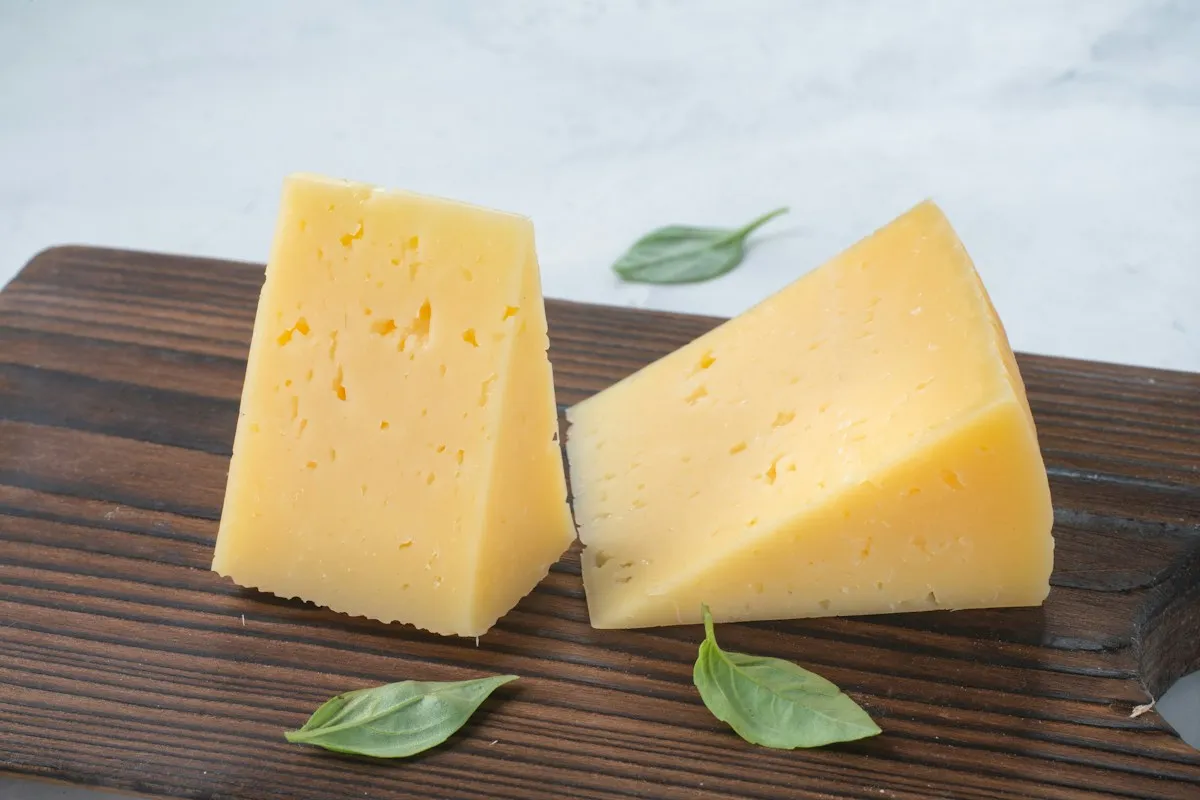
| Mozzarella, cheddar | Tiny amounts only; salty and fatty |
| Processed cheese slices, cheese spreads | Avoid regularly; high salt and additives |
| Blue cheese, mouldy cheese | Avoid; some moulds produce toxins (roquefortine C) that can cause tremors |
| Cheese with garlic, onion, herbs, chilli | Avoid |
| Milk | Many adult dogs get loose stools; avoid or give only tiny amounts |
| Ghee, butter, cream, malai | Avoid; very high fat |
| Kheer, rabri, rasmalai, mithai | Avoid; sugar, fat, sometimes raisins or xylitol |
| Boiled egg, boiled chicken | Leaner protein alternatives |
Safe ways to give paneer
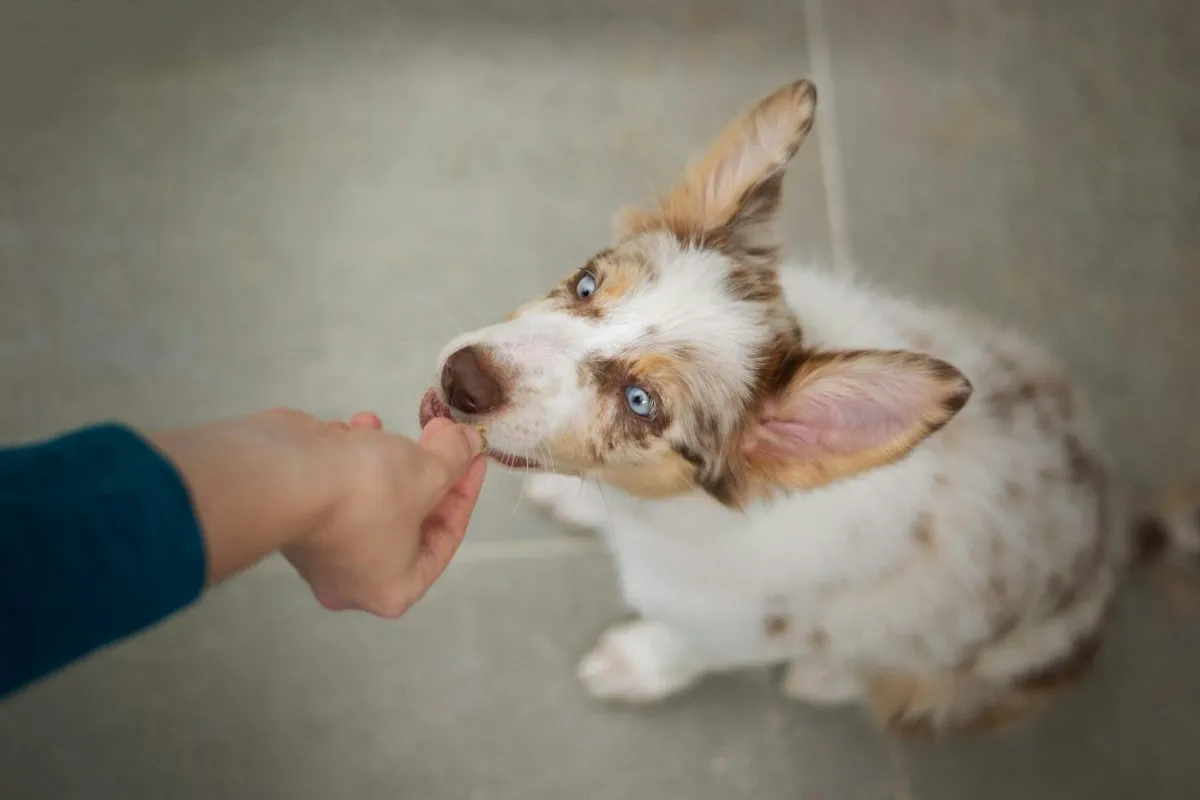
- Small plain cubes as training treats
- Crumbled over the regular meal
- Wrapped around a tablet (ask your vet whether the medicine can be given with food)
- Mixed with plain curd and frozen in ice trays in summer
Homemade paneer from toned milk, made without salt, is ideal. If you buy packaged paneer, choose plain, unsalted, unflavoured varieties.
Can vegetarian dogs get enough protein from paneer?
Many Indian dogs live in vegetarian homes. Dogs can do well on carefully formulated vegetarian diets, but simply adding paneer and dal to rice and roti rarely makes a complete diet. Calcium-phosphorus balance, essential amino acids such as taurine precursors, vitamin B12, vitamin D and essential fatty acids all need attention. Ask your vet to design or check a vegetarian diet, or use a complete commercial vegetarian dog food. See what to feed your dog in India.
🩺 Dr. Vaishnavi’s Clinical Picks (Available on Amazon India)
Use tiny paneer cubes as training treats, or stuff them inside a toy.
Tough rubber toy that keeps dogs busy and is too big to swallow
Makes fast eaters slow down and swallow less air
Dog-safe treat to use in place of human snacks
As an Amazon Associate, I earn from qualifying purchases. This costs you nothing extra.
Frequently asked questions
Can puppies eat paneer?
A tiny piece is fine as an occasional treat for puppies over about 8 weeks. Puppies need a complete puppy diet for growth; too much paneer can unbalance calcium and calories.
Is homemade paneer better than packaged?
Fresh homemade paneer from toned milk, with no salt, is usually the best option. Many packaged paneers are fine too if plain and unsalted.
Can cats eat paneer?
One or two tiny pieces occasionally are fine for most cats. Many adult cats are lactose intolerant, and paneer is fatty, so keep it rare.
Can dogs eat cheese?
Small amounts of low-salt, plain cheese are usually safe, but paneer or cottage cheese is a better choice. Avoid processed slices, spreads, blue cheese and anything with garlic or onion.
Can dogs eat paneer every day?
A few tiny cubes a day are fine for a healthy, active dog if total calories are controlled. For overweight dogs, choose lower-calorie treats like cucumber or boiled egg white.
Will paneer help my thin dog gain weight?
Not in a healthy way on its own. Unexplained weight loss needs a vet check for worms, tick fever, thyroid or other diseases. Your vet can suggest a balanced, calorie-dense diet.
Can dogs eat malai paneer or paneer bhurji?
No. These contain cream, butter, onion, garlic, spices and salt, which can cause stomach upset, pancreatitis or red blood cell damage.
Related Articles
- Can Dogs Eat Peanut Butter, Rice and Aloo (Potato)? Safe Indian Staples vs Hidden Toxins
- Can Dogs Eat Blueberries, Strawberries and Jamun? Safe Berries Guide for Indian Dogs (and Why Jamun Seeds Must Be Removed)
- Can Dogs Eat Watermelon (Tarbooz) in Indian Summer? Safe Quantity and Rind Danger
- What Can Dogs Eat? Safe and Toxic Indian Foods for Dogs
References
- WSAVA Global Nutrition Committee. Global Nutrition Guidelines. Journal of Small Animal Practice. 2011;52(7):385-396.
- National Research Council. Nutrient Requirements of Dogs and Cats. Washington, DC: National Academies Press; 2006 (lactase activity after weaning).
- Mueller RS, Olivry T, Prélaud P. Critically appraised topic on adverse food reactions of companion animals (2): common food allergen sources in dogs and cats. BMC Veterinary Research. 2016;12:9.
- Lumbis RH, Chan DL. Nutritional management of acute pancreatitis in dogs and cats. Journal of Veterinary Emergency and Critical Care. 2015;25(4):436-450 (role of dietary fat).
- Young KL, Villar D, Carson TL, Ierman PM, Moore RA, Bottoff MR. Tremorgenic mycotoxin intoxication with penitrem A and roquefortine in two dogs. Journal of the American Veterinary Medical Association. 2003;222(1):52-53.
- Indian Council of Medical Research, National Institute of Nutrition. Indian Food Composition Tables. Hyderabad; 2017.
More on Dog Food and Diet

Best Supplements for Dogs in India: Calcium for Puppies vs Glucosamine and Omega-3 for Joints vs Probiotics
Which dog supplements work: calcium risks in puppies, glucosamine and omega-3 for joints and skin, probiotics, and human supplements that poison dogs.
Homemade Diet Chart for Indie Puppies in India: Month by Month
Need a homemade diet chart for Indie puppies in India? Dr. Vaishnavi shares a month-by-month desi puppy nutrition plan, toxic foods &…