 Written and reviewed by Dr. Vaishnavi Karmawat, B.V.Sc. & A.H., Registered Veterinary Practitioner
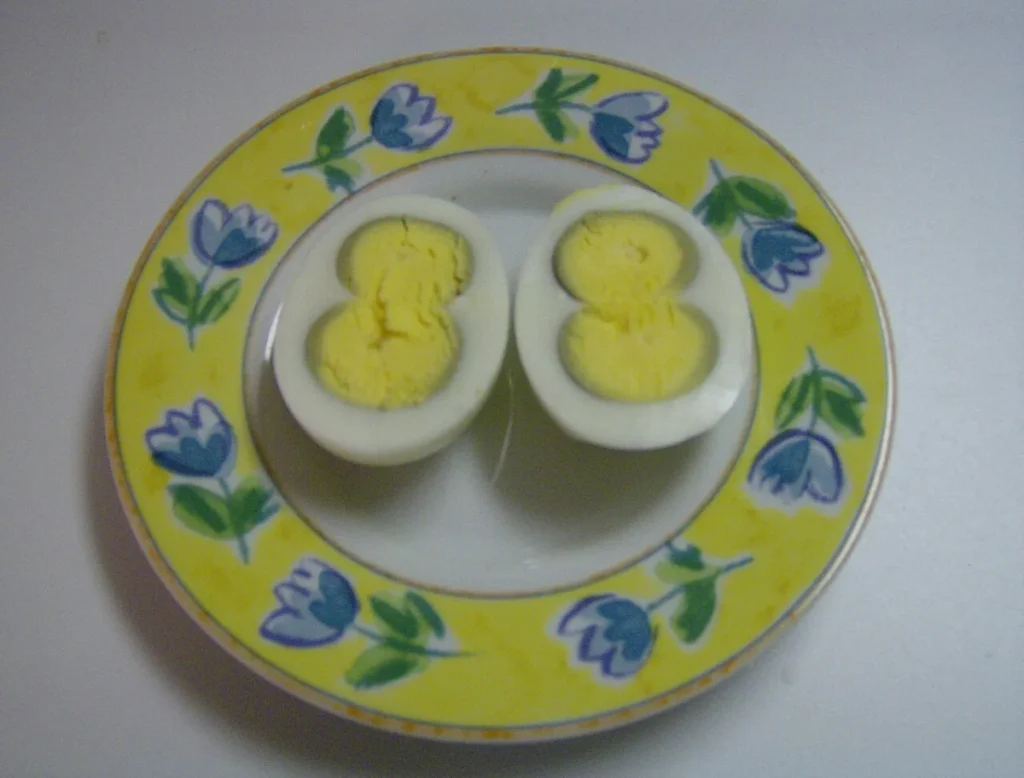
- Yes, dogs can eat eggs (anda), fully cooked and plain: boiled, scrambled or poached without oil, butter, salt, onion or masala.
- One large egg has about 70 to 80 kcal and 6 g of high-quality protein; count it within the 10 percent treat limit unless it is part of a vet-balanced diet.
- Avoid raw eggs: risk of Salmonella, and raw egg white contains avidin, which binds the B vitamin biotin.
- The idea that eggs are “too heaty” for dogs in summer is a myth; the real concern is calories and how the egg is cooked.
- Puppies can have small amounts of cooked egg; do not let egg replace a complete puppy food.
Eggs are cheap, easy to cook and available in almost every Indian kitchen. Many pet parents add an egg to their dog’s roti or rice, or use eggs as a recovery food after illness. Cooked eggs are a nutritious food for most dogs, but the amount and preparation matter. This guide explains the benefits, safe daily amounts, raw-egg risks and common Indian egg myths.
In this article
Nutrition: what’s in an egg?
One large hen’s egg (about 50 g edible portion) contains roughly:
| Nutrient | Approximate amount |
|---|---|
| Energy | 72 to 78 kcal |
| Protein | 6 to 6.5 g (all essential amino acids) |
| Fat | 5 g, mostly in the yolk |
| Vitamins | A, D, B2 (riboflavin), B12, biotin, folate, choline |
| Minerals | Selenium, iron, phosphorus, zinc |
Egg protein is highly digestible, which is why vets often include egg in bland recovery diets and homemade diet plans.
Benefits for dogs
- Easily digested protein for muscle maintenance and recovery
- Bland option after vomiting or diarrhoea (scrambled or boiled without oil); see our vomiting and diarrhoea guide
- Skin and coat nutrients such as fatty acids, biotin and riboflavin
- Tempting food for dogs with poor appetite during recovery
Raw eggs: why vets advise against them
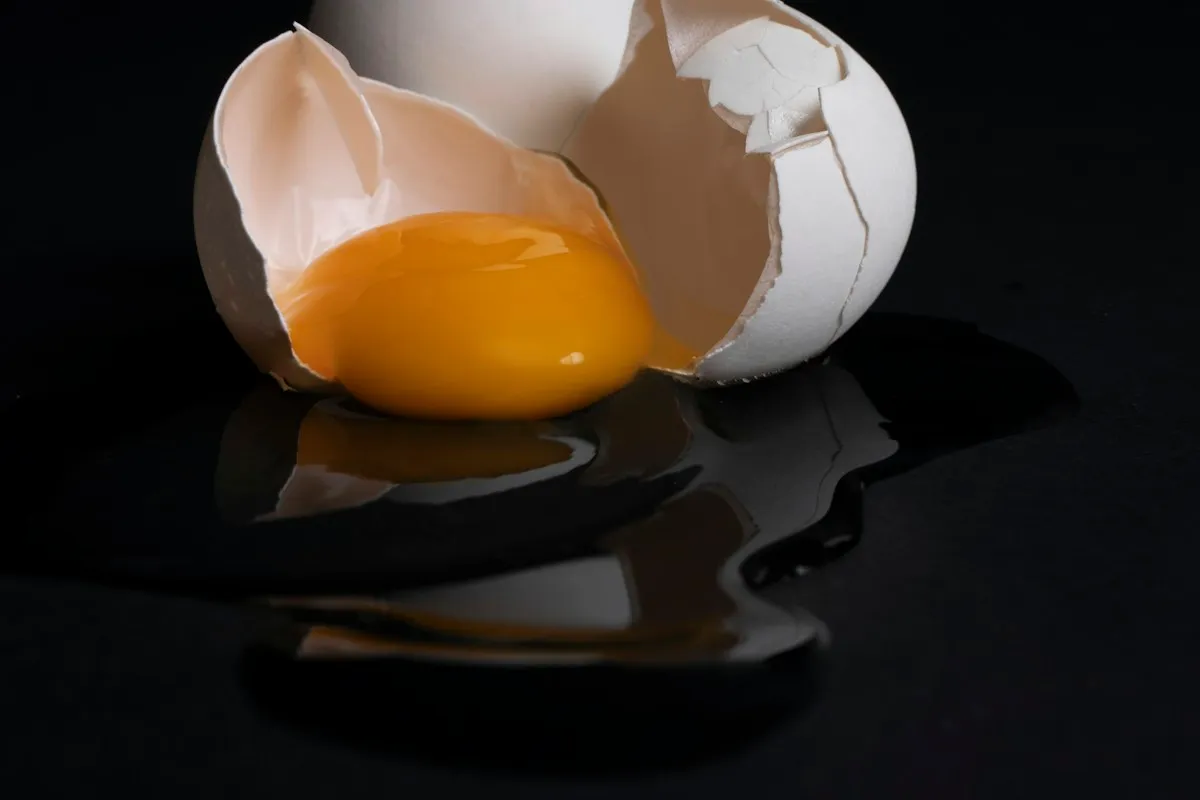
- Salmonella and other bacteria: dogs can get ill, and even healthy-looking dogs can shed bacteria in their stools, a risk for children and elderly family members.
- Biotin binding: raw egg white contains avidin, which binds biotin. Feeding large amounts of raw egg white over time can cause biotin deficiency, with poor coat and skin. Cooking inactivates avidin.
- Less digestible protein: cooking improves the digestibility of egg protein.
How much egg can my dog eat?
For a healthy adult dog on a complete diet, as a treat or topper:
| Dog’s weight | Amount of cooked egg |
|---|---|
| Up to 5 kg | Up to a quarter of an egg a day, or half an egg a few times a week |
| 5 to 10 kg | Up to half an egg a day |
| 10 to 25 kg | Up to 1 egg a day |
| Over 25 kg | 1 egg a day (up to 2 for large, active dogs if total calories allow) |
If eggs are a major part of a homemade diet, ask your vet to balance the diet; many Indian homemade dog diets lack calcium and other nutrients. See what to feed your dog.
Best ways to cook eggs for dogs
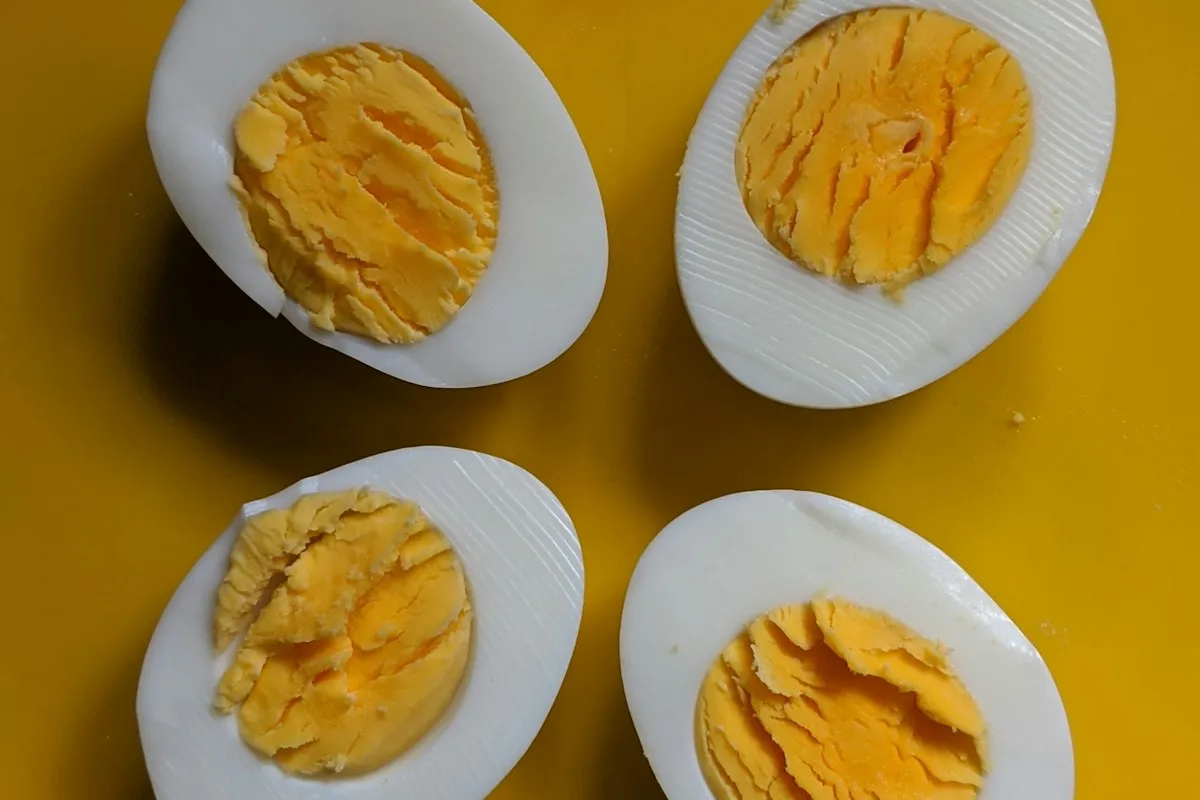
- Hard-boiled, peeled and chopped (the easiest and safest)
- Scrambled in a non-stick pan with a little water, no oil, butter, salt or milk
- Poached until white and yolk are set
Avoid: omelettes with onion, garlic, green chilli or masala; bhurji; fried eggs in oil or ghee; egg curry; egg rolls and egg puffs; mayonnaise.
Egg shells
Clean, dried and finely powdered egg shell is a source of calcium carbonate and is sometimes used in homemade diets under a vet’s guidance. Do not give big pieces of shell, which can be sharp, and do not add calcium to a commercial complete food, as too much calcium can harm growing puppies’ bones.
Myths about eggs in India
- “Eggs are heaty; don’t give them in summer.” There is no evidence that eggs raise a dog’s body temperature. The concern in summer is overall calories and heavy, oily meals. Plain boiled egg is fine year-round.
- “Raw egg makes the coat shiny.” Cooked egg provides the same nutrients without the bacterial and biotin risks.
- “Puppies should get a whole egg every day for growth.” Puppies need a complete, balanced puppy diet. Too many eggs add calories and fat and can unbalance calcium and phosphorus in homemade diets.
Who should limit eggs
- Overweight dogs: eggs add calories quickly
- Dogs with pancreatitis or on low-fat diets: the yolk is fatty; use whites only if your vet agrees
- Dogs with kidney disease: may need protein and phosphorus control
- Dogs with egg allergy: itching, ear infections or loose stools; egg is a recognised food allergen in dogs
Can cats eat eggs?
Yes, cooked egg is safe for cats in small amounts. Never give raw egg to cats for the same bacterial and biotin reasons.
Frequently asked questions
Can I give my dog an egg every day?
Most healthy, active dogs of normal weight can have a cooked egg (or part of one for small dogs) daily, if total calories are controlled. Reduce other food or treats to compensate.
Is boiled egg good for puppies?
Small amounts of boiled egg are safe for puppies over about 8 weeks. Keep it as a topper, not a replacement for complete puppy food.
Can dogs eat egg yolk?
Yes, cooked. It is rich in fat and vitamins. Dogs on low-fat diets may need whites only.
Is raw egg good for dogs?
It is not recommended because of Salmonella risk and the biotin-binding protein avidin in raw egg white.
Can dogs eat eggs in summer?
Yes. The “heaty food” belief has no scientific basis for dogs. Avoid oily preparations and keep portions sensible.
Can a dog with diarrhoea eat egg?
Plain scrambled or boiled egg with rice is a common bland recovery food once vomiting has stopped. Severe or bloody diarrhoea needs a vet.
Related Articles
- Can Dogs Eat Watermelon (Tarbooz) in Indian Summer? Safe Quantity and Rind Danger
- Can Dogs Eat Banana (Kela)? Serving Chart by Weight, Benefits, Risks and the Loose Motion Myth
- Heatstroke in Dogs in India: Stages, First Aid, Vet Treatment and 10 Cooling Foods
- Can Dogs Eat Peanut Butter, Rice and Aloo (Potato)? Safe Indian Staples vs Hidden Toxins
References
- U.S. Department of Agriculture, Agricultural Research Service. FoodData Central: Egg, whole, cooked, hard-boiled.
- National Research Council. Nutrient Requirements of Dogs and Cats. Washington, DC: National Academies Press; 2006 (biotin and avidin).
- Joffe DJ, Schlesinger DP. Preliminary assessment of the risk of Salmonella infection in dogs fed raw chicken diets. Canadian Veterinary Journal. 2002;43(6):441-442.
- Mueller RS, Olivry T, Prélaud P. Critically appraised topic on adverse food reactions of companion animals (2): common food allergen sources in dogs and cats. BMC Veterinary Research. 2016;12:9.
- WSAVA Global Nutrition Committee. Global Nutrition Guidelines. Journal of Small Animal Practice. 2011;52(7):385-396.
More on Dog Food and Diet

Best Supplements for Dogs in India: Calcium for Puppies vs Glucosamine and Omega-3 for Joints vs Probiotics
Which dog supplements work: calcium risks in puppies, glucosamine and omega-3 for joints and skin, probiotics, and human supplements that poison dogs.

Homemade Diet Chart for Indie Puppies in India: Month by Month
Need a homemade diet chart for Indie puppies in India? Dr. Vaishnavi shares a month-by-month desi puppy nutrition plan, toxic foods &…