 Written and reviewed by Dr. Vaishnavi Karmawat, B.V.Sc. & A.H., Registered Veterinary Practitioner

"What can my dog eat?" is one of the questions vets hear most in India. Many dogs here eat home food, and that can work well, but only if the diet is balanced and avoids a handful of foods that are toxic to dogs. This guide explains what a healthy dog diet needs, which common Indian foods are safe, which are dangerous, and how to feed puppies, adults and older dogs.
In this article
Food-by-food guides: eggs, chicken and chicken feet, paneer, cheese and curd, peanut butter, rice and potato, roti and our fruit guide.
Wondering about fruit? Read Which Fruits Can Dogs Eat? Mango, Papaya, Guava, Banana and More. See all pet guides in our Dog and Cat Health Guides hub.
What a dog's diet needs
Dogs need a balance of:
- Protein from meat, eggs, fish, paneer (Indian cottage cheese) or dairy, for muscles, skin and immunity
- Fat for energy and a healthy coat
- Carbohydrates such as rice or roti (Indian flatbread), for energy (in moderation)
- Calcium and phosphorus in the right ratio, for bones and teeth
- Vitamins and minerals, which home diets often lack
- Fresh water at all times
The biggest problem with home-cooked diets in India is that they are often mostly rice or roti with a little dal (lentils) or milk. That fills the stomach but does not provide enough protein, calcium or vitamins, especially for growing puppies.
Option 1: complete commercial dog food
A good-quality complete dog food (dry kibble or wet food) is designed to contain everything a dog needs. Choose one labelled "complete" for your dog's life stage (puppy, adult or senior) and size. Follow the feeding guide on the pack and adjust to keep your dog at a healthy weight.
Option 2: a balanced home-cooked diet
Home food can be healthy if it is planned. A simple approach many vets suggest:
- About half the bowl as cooked protein: boiled chicken, eggs, fish (boneless), lean meat, or paneer and curd for vegetarian homes
- About a quarter as cooked rice, roti or oats
- About a quarter as cooked vegetables such as pumpkin, carrot, beans or spinach
- A vet-recommended calcium and vitamin supplement, because home diets rarely have enough
Ask your vet to check the plan, especially for puppies, pregnant dogs and large breeds, where wrong calcium levels can damage growing bones.
Do not switch foods suddenly. Mix the new food into the old one over 5 to 7 days to avoid diarrhoea.
Common Indian foods: safe in moderation
- Plain rice and roti without ghee (clarified butter), salt or spices
- Boiled eggs (cooked, not raw)
- Boiled chicken without bones, salt or masala (spice mix)
- Curd (dahi, plain yogurt) in small amounts; many dogs tolerate it better than milk
- Paneer in small amounts, as it is high in fat
- Cooked pumpkin, carrot, beans, peas and spinach
- Fruits such as apple (without seeds), banana, papaya, watermelon (without seeds) and mango (without the stone), as occasional treats
Common Indian foods, one by one: roti and chapati, curd (dahi) and chaas, paneer, mango and papaya.
Foods that are dangerous for dogs
Keep these away from your dog completely:
- Chocolate and cocoa, especially dark chocolate
- Grapes and raisins (kishmish), which can cause kidney failure even in small amounts
- Onion and garlic in any form, including in gravies, which damage red blood cells
- Xylitol, a sweetener in some sugar-free gum, sweets and peanut butters
- Cooked bones, which splinter and can tear the gut
- Spicy, fried and very salty food, including namkeen (salty fried snacks) and leftovers with masala
- Alcohol and caffeine (tea, coffee)
- Macadamia nuts and large amounts of other nuts
- Raw dough with yeast
- Sweets and mithai (Indian sweets), which are high in sugar and fat and can trigger pancreatitis
If your dog eats chocolate, grapes, xylitol or a medicine, call your vet immediately, even if your dog seems fine. Some poisons take hours to show signs.
Quick guide: common foods for dogs
| Food | Safe for dogs? | Note |
|---|---|---|
| Plain rice, roti | Yes, in moderation | No ghee, salt or masala |
| Boiled egg, boiled chicken | Yes | Cooked, boneless, unseasoned |
| Curd (dahi, plain yogurt), paneer | Small amounts | Paneer is high in fat |
| Pumpkin, carrot, beans | Yes | Cooked |
| Milk | Small amounts, if tolerated | Many adult dogs get diarrhoea |
| Chocolate, tea, coffee | No | Toxic |
| Grapes, raisins | No | Can cause kidney failure |
| Onion, garlic | No | Damage red blood cells |
| Cooked bones | No | Splinter and can block the gut |
| Spicy, oily leftovers | No | Vomiting and pancreatitis |
What about milk?
Many adult dogs cannot digest lactose well and get diarrhoea or gas from milk. A small amount of curd is usually better tolerated. Puppies should have their mother's milk or a puppy milk replacer, not cow's or buffalo milk, which can upset their stomach.
How much and how often to feed
- Puppies under 6 months: 3 to 4 small meals a day
- 6 to 12 months: 2 to 3 meals a day
- Adults: 2 meals a day
- Senior dogs: 2 meals, often with fewer calories and more attention to joint health
The right amount depends on breed, age, activity and the food itself. The simplest check is your hands: you should be able to feel your dog's ribs easily without seeing them, and your dog should have a visible waist from above.
Treats and chews
Treats should be no more than about one tenth of your dog's daily food. Good options include small pieces of boiled chicken, carrot sticks and apple slices. Avoid giving cooked bones; ask your vet about safe chews for dental health.
Signs your dog's diet needs a change
- Dull, dry or flaky coat
- Repeated loose stools or vomiting
- Weight gain or weight loss
- Itchy skin or ear infections, which can sometimes be linked to food allergy
- Low energy
When should you call a vet?
See your vet if your dog has repeated vomiting or diarrhoea, stops eating for more than a day, or if you suspect it has eaten something toxic. Your vet can also help you design a balanced home diet for your dog's age and breed.
Recommended reading
- The Ultimate Dog Owner’s Handbook by Dr. Vaishnavi Karmawat (Kindle eBook on Amazon)
- Puppy Training for Beginners by Dr. Vaishnavi Karmawat (Kindle eBook on Amazon)
- See all titles on the Books page.
🩺 Dr. Vaishnavi’s Clinical Picks (Available on Amazon India)
Products I suggest to pet parents for this. For illness, always get your pet checked by a vet first.
Balances calcium in homemade Indian diets
Daily vitamins and minerals for coat, growth and appetite
Premium complete food for large-breed dogs
Complete food so roti stays a small extra, not the main meal
As an Amazon Associate, I earn from qualifying purchases. This costs you nothing extra.
Frequently asked questions
Can dogs eat roti?
Plain roti in small amounts is fine as part of a balanced diet. Avoid roti made with lots of ghee, salt or spices, and do not let roti replace protein foods.
Can dogs eat curd?
Plain, unsweetened curd in small amounts is usually safe and can help digestion. Stop giving it if your dog gets loose stools.
Can dogs eat eggs?
Yes. Cooked eggs are a good protein source for dogs. Avoid feeding raw egg regularly.
Is dal-rice enough for my dog?
Dal and rice alone do not give a dog enough protein, calcium and vitamins. Add a good protein source and ask your vet about a calcium and vitamin supplement if you feed home-cooked food.
Related Articles
- Can Dogs Eat Peanut Butter, Rice and Aloo (Potato)? Safe Indian Staples vs Hidden Toxins
- Can Dogs Eat Blueberries, Strawberries and Jamun? Safe Berries Guide for Indian Dogs (and Why Jamun Seeds Must Be Removed)
- Can Dogs Eat Watermelon (Tarbooz) in Indian Summer? Safe Quantity and Rind Danger
- Can Dogs Eat Chicken and Chicken Feet (Panje)? Safe Boiling Method, Bone Dangers and Allergy Signs
References
- WSAVA Global Nutrition Committee. Global Nutrition Guidelines.
- National Research Council. Nutrient Requirements of Dogs and Cats. Washington, DC: National Academies Press; 2006.
- ASPCA Animal Poison Control Center. People Foods to Avoid Feeding Your Pets.
More on Dog Food and Diet

Best Supplements for Dogs in India: Calcium for Puppies vs Glucosamine and Omega-3 for Joints vs Probiotics
Which dog supplements work: calcium risks in puppies, glucosamine and omega-3 for joints and skin, probiotics, and human supplements that poison dogs.
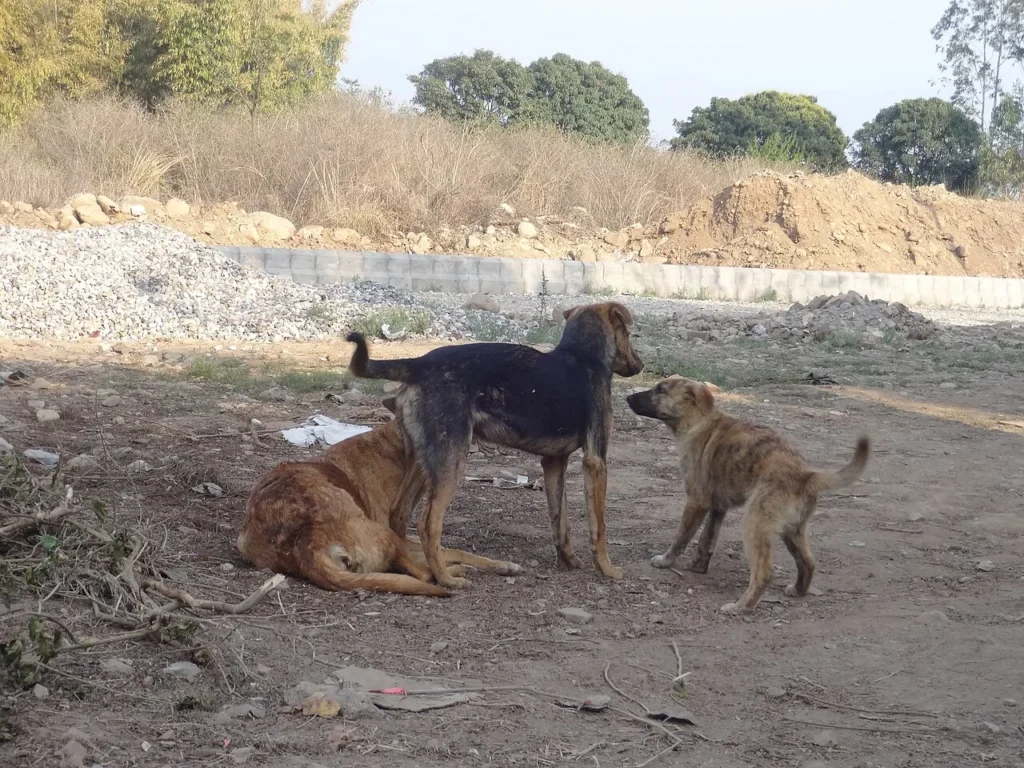
Homemade Diet Chart for Indie Puppies in India: Month by Month
Need a homemade diet chart for Indie puppies in India? Dr. Vaishnavi shares a month-by-month desi puppy nutrition plan, toxic foods &…