 Written and reviewed by Dr. Vaishnavi Karmawat, B.V.Sc. & A.H., Registered Veterinary Practitioner
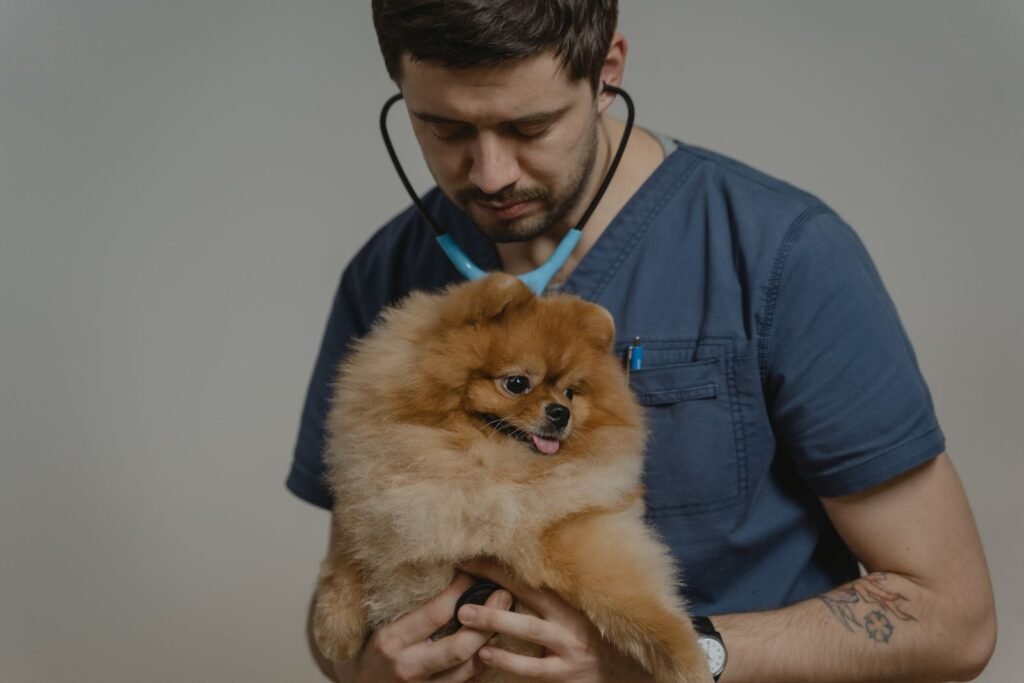
Tick fever is one of the most common serious illnesses I treat in Indian dogs, especially from April to October. It is spread by the brown dog tick (Rhipicephalus sanguineus), which lives happily in Indian homes, walls and kennels. Tick fever can drop a dog’s platelets to dangerous levels within days, so early diagnosis matters. Here is how to spot it, what treatment involves, and how to feed your dog back to health.
In this article
- What is tick fever?
- Emergency symptom checklist
- The four main tick-borne diseases of Indian dogs
- The three phases of ehrlichiosis
- How the brown dog tick lives in your home
- How tick fever is treated
- Warning: do not give human dengue remedies
- 14-day recovery diet chart
- Preventing tick fever: tick collar vs spot-on
- How vets diagnose tick fever
- Frequently asked questions
- Related Articles
- References
What is tick fever?
“Tick fever” is a common name for blood infections passed on by tick bites. In India the two main ones are:
- Ehrlichia canis (ehrlichiosis): a bacterium that attacks white blood cells and the bone marrow. It causes low platelets (thrombocytopenia) and can become long-term if not treated.
- Babesia gibsoni and Babesia canis (babesiosis): a parasite that destroys red blood cells, causing anaemia and sometimes dark urine.
Many dogs have both at the same time.
Emergency symptom checklist
| Symptom | More typical of Ehrlichia | More typical of Babesia |
|---|---|---|
| High fever, tiredness, not eating | Yes | Yes |
| Nosebleed (epistaxis), red spots on gums or belly | Yes, often | Less common |
| Pale mucous membranes (pale gums) | Sometimes | Yes, often |
| Yellow eyes or gums (jaundice) | Rare | Yes |
| Red, brown or dark urine | Rare | Yes |
| Swollen lymph nodes, weight loss over weeks | Yes | Sometimes |
Go to the vet the same day if your dog has a nosebleed, blood in stool or urine, very pale or yellow gums, or cannot stand. Only a blood test (blood smear, platelet count, and often a rapid kit or PCR) can confirm which infection your dog has.
The four main tick-borne diseases of Indian dogs
“Tick fever” is a common name for several different infections passed on by ticks, mainly the brown dog tick (Rhipicephalus sanguineus), which thrives in Indian homes, kennels and terraces. A dog can carry more than one infection at the same time (co-infection), which makes illness more severe.
| Disease | Organism | Type | Typical signs | Main confirmatory tests | Usual treatment (vet-prescribed) |
|---|---|---|---|---|---|
| Ehrlichiosis | Ehrlichia canis | Bacterium living inside white blood cells | Fever, dullness, low platelets, nosebleeds, bruising, swollen lymph nodes, eye inflammation; chronic cases cause bone marrow failure | Blood smear (morulae rarely seen), rapid antibody kit (e.g. 4Dx), PCR | Doxycycline for about 28 days |
| Babesiosis | Babesia gibsoni (small form) or Babesia vogeli/canis (large form) | Protozoan inside red blood cells | Fever, anaemia, pale or yellow gums, red-brown urine, weakness | Blood smear, PCR (to identify the species) | B. gibsoni: atovaquone with azithromycin; large Babesia: imidocarb or diminazene. Transfusion if severe |
| Anaplasmosis | Anaplasma platys | Bacterium inside platelets | Cyclic drops in platelets, mild fever, bleeding tendency | Blood smear, antibody kit, PCR | Doxycycline |
| Hepatozoonosis | Hepatozoon canis | Protozoan; dogs are infected by swallowing an infected tick | Often mild; fever, weight loss, muscle pain, anaemia, sometimes severe in co-infection | Blood smear (organisms in white cells), PCR | Imidocarb, or combination therapy; may need long-term management |
The three phases of ehrlichiosis
- Acute phase (1 to 4 weeks after the bite): fever, dullness, poor appetite, swollen lymph nodes, low platelets. Most dogs respond quickly to doxycycline at this stage.
- Subclinical phase (months to years): the dog looks well, but the organism persists; platelets may be mildly low on blood tests.
- Chronic phase: bone marrow failure with severe anaemia, low white cells and low platelets, bleeding, weight loss and infections. German Shepherds are known to be prone to the severe chronic form. Treatment is harder and the outlook is guarded.
This is why a dog that “recovered” from tick fever needs a follow-up blood test, and why year-round tick control matters even when your dog looks healthy.
How the brown dog tick lives in your home
The brown dog tick is a three-host tick: larva, nymph and adult each feed on a dog, then drop off to moult. Engorged females lay 1,000 to 3,000 eggs in cracks in walls, behind skirting, under tiles, in kennels and on ceilings. Because it completes its whole life cycle indoors and in warm climates, infestations are year-round in most of India. Treating only the dog, without cleaning and treating the surroundings, often fails. See our complete flea and tick prevention guide.
How tick fever is treated
Treatment depends on the infection and must be prescribed by your vet.
- Ehrlichia is usually treated with a course of doxycycline, often for about 4 weeks (the doxycycline protocol). Stopping early because your dog “looks better” is a common cause of relapse.
- Babesia needs specific anti-parasitic medicine, often with supportive drugs.
- Severely anaemic dogs may need a blood transfusion and drip.
- Your vet may add a liver tonic for liver support, since both the disease and some medicines stress the liver.
Repeat blood tests show when platelets are back to normal.
Warning: do not give human dengue remedies
Many owners give papaya leaf juice, giloy, or dengue tablets meant for people after hearing that they raise platelets. There is little proof that they work in dogs, and strong home extracts can upset the stomach and harm the liver (hepatotoxicity). Papaya leaf extract safety is not established in dogs: only give it if your vet approves the product and the dose, and never instead of real treatment.
14-day recovery diet chart
The goal is easy-to-digest, liver-friendly meals with good protein and iron to help rebuild blood. Feed small meals 3 to 4 times a day.
| Days | What to feed | Avoid |
|---|---|---|
| 1 to 3 | Soft rice with boiled chicken (no skin) or boiled egg white, pumpkin, plenty of water | Oily, spicy food, milk, bones |
| 4 to 7 | Add boiled egg (whole), a little chicken liver twice a week, curd, carrot | Fried food, treats with colour |
| 8 to 14 | Normal portions of rice, chicken or fish, egg, paneer, green leafy vegetables like spinach (cooked) | Sudden diet changes |
If your dog will not eat, offer warm food, which smells stronger. If it refuses food for more than a day, tell your vet.
Preventing tick fever: tick collar vs spot-on
| Method | How it works | Good for |
|---|---|---|
| Tick collar | Slowly releases medicine over months | Dogs who are not bathed often |
| Spot-on (applied on the neck) | Spreads through skin oils, monthly | Most dogs |
| Oral tick tablets | Kills ticks that bite, monthly or every 3 months | Dogs who swim or are bathed often |
| Home cleaning | Treat walls, cracks and bedding | Every home with ticks |
The brown dog tick lays eggs in wall cracks and furniture, so treating only the dog is not enough. Check your dog daily after walks, especially ears, between toes and under the collar. Ask your vet which product suits your dog’s age and weight.
🩺 Dr. Vaishnavi’s Clinical Picks (Available on Amazon India)
For tick prevention and recovery support at home. Your dog still needs a blood test and vet treatment for tick fever.
Gentle herbal wash for regular tick and flea control
For puppies and dogs that can’t be bathed often
Daily vitamins and minerals for coat, growth and appetite
As an Amazon Associate, I earn from qualifying purchases. This costs you nothing extra.
How vets diagnose tick fever
- A blood smear checked under the microscope can show Babesia parasites inside red blood cells. Ehrlichia is much harder to see this way.
- A complete blood count (CBC) shows the platelet count, red blood cells and white blood cells. Low platelets are a common sign and are rechecked during recovery.
- Rapid in-clinic antibody kits can detect Ehrlichia and some other tick-borne infections in a few minutes.
- PCR tests at a laboratory confirm which organism is present when the result is unclear or the dog is not improving.
Frequently asked questions
Can tick fever in dogs be cured?
Yes, most dogs recover fully when treated early and for the full course. Late or incomplete treatment can lead to long-term Ehrlichia infection.
How long does platelet recovery take?
Platelets often start rising within a week of treatment, but full recovery can take 2 to 4 weeks.
Is tick fever contagious to other dogs or people?
Not directly, but ticks can spread it to other dogs in the house. Treat all dogs and the home.
Can I give papaya leaf juice to my dog?
Only if your vet agrees. It is not a treatment for tick fever.
Seeing ticks or a sudden fever in your dog? Contact Dr. Vaishnavi Karmawat for a blood test and treatment plan.
Related Articles
- Parvo in Dogs and Puppies: Stages, Treatment, Recovery Diet and Home Care (Day by Day)
- Kidney Disease in Dogs and Cats: IRIS Stages, Symptoms, Renal Diet and Treatment
- Pancreatitis in Dogs: Symptoms, cPL Test, Treatment and Low-Fat Diet (India)
- Bloody Diarrhoea in Dogs (Raspberry Jam Stool): Colitis vs Hookworms vs Parvo vs AHDS in Indian Dogs
References
- Merck Veterinary Manual. Ehrlichiosis in Dogs.
- Merck Veterinary Manual (Pet Owner Version). Blood Parasites of Dogs (including Babesia).
- Abd Rani PAM, Irwin PJ, Coleman GT, Gatne M, Traub RJ. A survey of canine tick-borne diseases in India. Parasites and Vectors. 2011;4:141.
- Harrus S, Waner T. Diagnosis of canine monocytotropic ehrlichiosis (Ehrlichia canis): an overview. The Veterinary Journal. 2011;187(3):292-296.
- Solano-Gallego L, Sainz Á, Roura X, Estrada-Peña A, Miró G. A review of canine babesiosis: the European perspective. Parasites and Vectors. 2016;9:336.
- Baneth G. Perspectives on canine and feline hepatozoonosis. Veterinary Parasitology. 2011;181(1):3-11.
More on Dog Diseases and Infections
Pyometra in Dogs and Cats: Early Signs After Heat, Open vs Closed Pyometra, Surgery Cost in India and Why Heat-Stopping Injections Are Risky
Unspayed dog drinking more, off food or with discharge after heat? Pyometra signs, why it is an emergency, surgery cost in India…
UTI in Dogs: Signs, Urine Tests, Right Antibiotics and Why Chemist Norflox or Cipro Can Backfire
Dog peeing often or with blood? Signs of urinary infection, urine culture, antibiotics, why UTIs recur, and when straining is an emergency.