 Written and reviewed by Dr. Vaishnavi Karmawat, B.V.Sc. & A.H., Registered Veterinary Practitioner
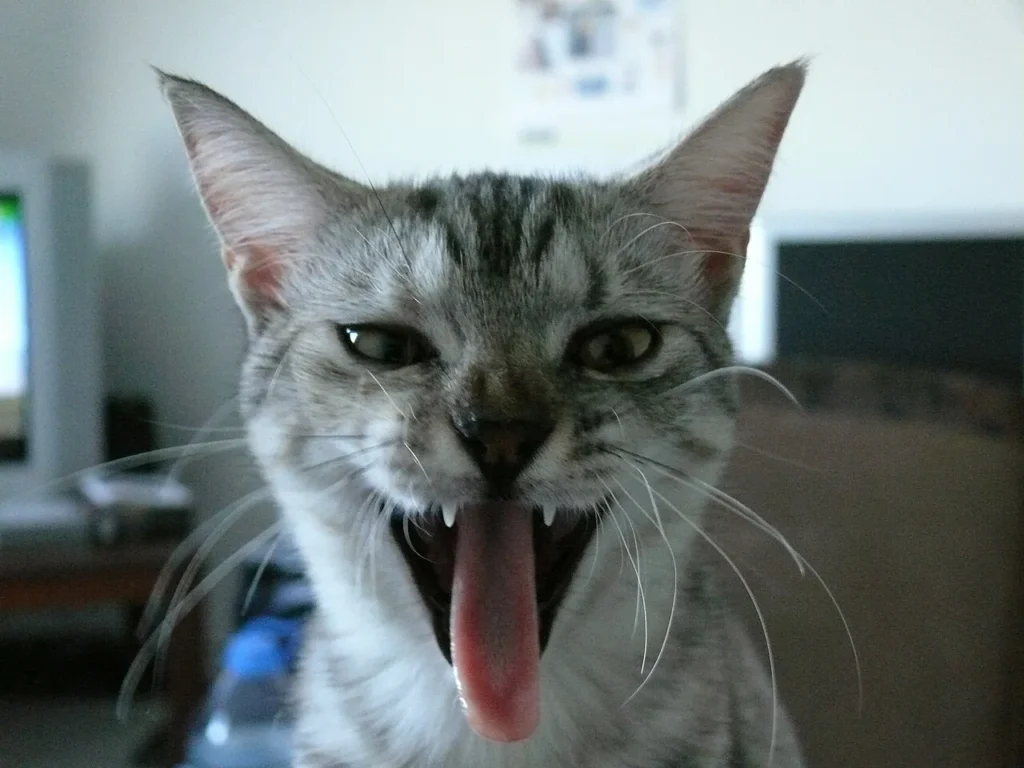
Quick answer: A few drops of drool while your cat purrs and kneads on your lap is normal happiness. Sudden, heavy or foamy drooling is not: it usually means mouth pain, nausea or poisoning. In Indian homes, two very common poisoning causes are chewing a money plant and a dog tick-and-flea spot-on (permethrin) put on a cat; the second can cause tremors and seizures and is an emergency. A little clear mucus on a normal stool is fine, but lots of mucus, blood or diarrhoea needs a vet. Scooting (dragging the bottom on the floor) usually means itching, tapeworms, stuck stool or anal gland trouble.
In this article
- Drooling + pawing at the mouth + bad breath = mouth problem until proven otherwise.
- Drooling + tremors or twitching after a spot-on = permethrin poisoning. Wash with dish soap and go to a vet now.
- Mucus with blood or straining = inflamed colon; see a vet within 24 hours, sooner if your cat is unwell.
- White rice-like grains near the tail = tapeworm segments from fleas.
- Never pull a string from your cat’s mouth or bottom.
Part 1: Why is my cat drooling?
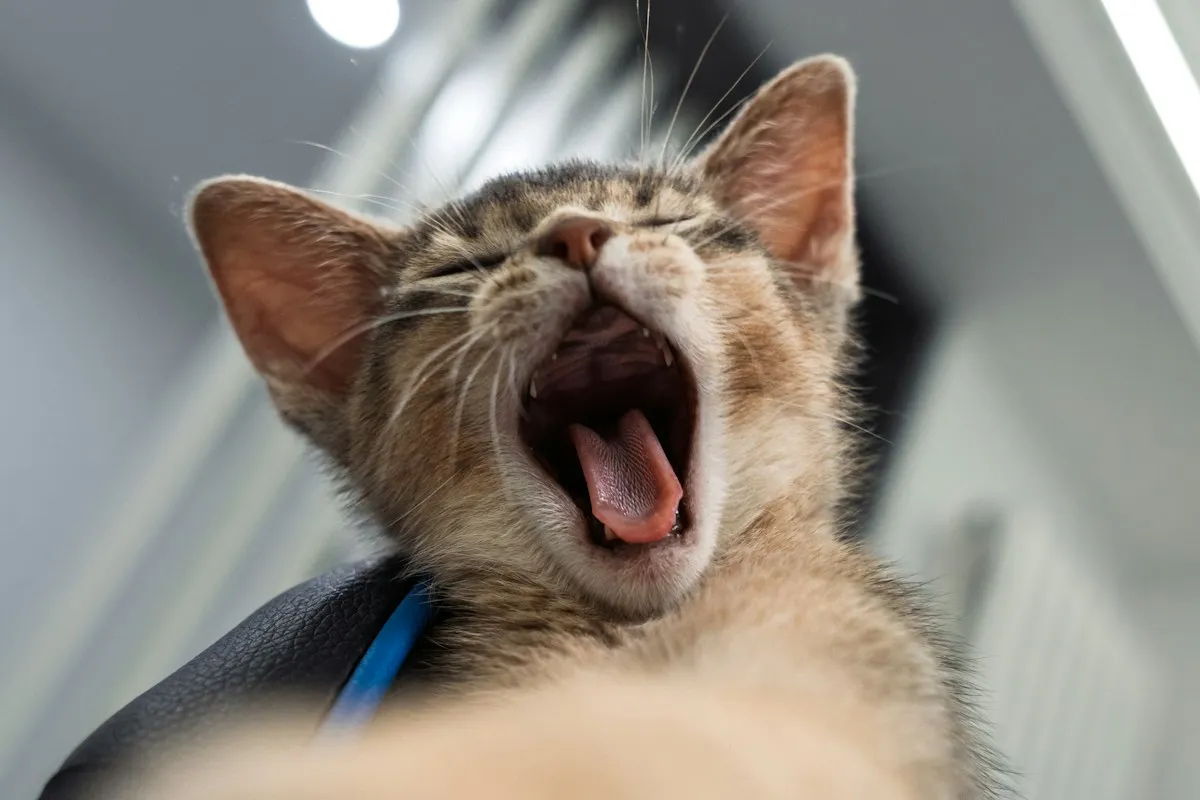
Excessive drooling is called ptyalism or hypersalivation. Cats produce saliva constantly and swallow it without us noticing. Drooling appears when they make far more saliva than usual (from nausea, toxins or the nervous system) or when they cannot or will not swallow normally (from mouth pain or a blockage).
Normal drooling
- Relaxation: some cats drool while purring, kneading or being stroked. This often starts in kittenhood and is linked to nursing behaviour. If it has always been this way and your cat is otherwise healthy, it is not a concern.
- Bitter medicine: many cat medicines, especially crushed metronidazole and some antibiotics, are intensely bitter. Cats foam and drool for a few minutes after a dose. Ask your vet about flavoured liquids, compounded forms or pill pockets instead of crushing tablets.
Medical causes of drooling
| Cause | Clues |
|---|---|
| Dental disease and tooth resorption | Bad breath, red gums, tartar, chewing on one side, dropping food, jaw chattering. Tooth resorption (painful holes where the tooth dissolves) is very common in adult cats. |
| Gingivostomatitis | Severe, painful red inflammation at the back of the mouth; cat is hungry but cries or runs away when eating; drool may be blood-tinged. |
| Calicivirus ulcers | Ulcers on the tongue and palate, often with sneezing and fever (see our cat flu guide). |
| Kidney disease | Senior cat, drinking and urinating more, weight loss, ammonia-smelling breath, mouth ulcers from uraemic toxins. |
| Nausea | Lip-licking, swallowing, hiding, vomiting, hairballs, car rides (motion sickness), liver disease, hyperthyroidism. |
| Foreign body | Sudden drooling, gagging, pawing at the mouth. Look gently under the tongue for a looped thread; check for a fish or chicken bone wedged across the roof of the mouth. |
| Irritant plants | Money plant (pothos), dieffenbachia, peace lily, philodendron and similar plants contain needle-like calcium oxalate crystals that cause instant burning pain, drooling, foaming and pawing at the mouth. |
| Chemicals | Licking floor cleaners, phenyl, bleach, toilet cleaners, essential oils, or something spilled on the fur causes burns and drooling. |
| Permethrin poisoning | Drooling plus twitching, tremors, wobbling, dilated pupils and seizures within hours of a dog spot-on, dog tick powder or shampoo, or close contact with a recently treated dog. |
| Organophosphate pesticides | Drooling, tears, vomiting, diarrhoea, small pupils, tremors. |
| Fear and stress | Drooling with dilated pupils, flattened ears, hiding or vocalising, especially in the car or at the clinic. |
| Heatstroke | Drooling, panting with the mouth open, red gums, collapse in hot weather or after being shut in a closed room, car or carrier. |
| Electric cord bite | Burns on the lips or tongue, drooling, coughing or breathing difficulty from fluid in the lungs. |
| Oral tumours | Older cat, swelling in the jaw or under the tongue, bleeding, weight loss. Squamous cell carcinoma is the most common mouth cancer in cats. |
| Rabies | Behaviour change, aggression, difficulty swallowing, paralysis. Rabies is endemic in India, so every cat with access to outdoors, other animals or open windows should be vaccinated. |
Money plant and other houseplants
The money plant is one of the most common indoor plants in Indian homes, and cats love to chew its leaves. The plant’s insoluble calcium oxalate crystals pierce the lining of the mouth. Signs appear immediately: heavy drooling, foaming, pawing at the face, head shaking, vomiting and sometimes swelling of the lips and tongue. It is rarely life-threatening, but swelling of the throat can make breathing difficult. Rinse the mouth gently by letting your cat lick a little milk, curd or water, and call your vet. Move these plants out of reach or hang them where cats cannot climb.
Lilies (true lilies and day lilies, often in flower bouquets) are a far more serious danger: even licking pollen off the fur can cause kidney failure in cats. Keep them out of any home with a cat.
Permethrin: why dog tick medicine can kill cats
Many spot-ons, shampoos, powders and sprays made for dogs contain permethrin or other pyrethroids. Dogs break these down easily. Cats lack an important liver enzyme pathway (glucuronidation) and cannot. Within a few hours of exposure, cats develop drooling, ear and face twitching, generalised tremors, high temperature and seizures.
What to do: wash your cat immediately with lukewarm water and a mild liquid dish soap to remove the product, dry thoroughly and keep warm, and go to a vet straight away. Vets treat with muscle relaxants such as methocarbamol, anti-seizure drugs, temperature control and sometimes intravenous lipid emulsion. Most cats recover with prompt care. Prevention: only use products labelled specifically for cats, never split a dog spot-on for your cat, and keep cats away from recently treated dogs until the product has dried.
When drooling is urgent
- Drooling with tremors, twitching, seizures or wobbling
- Drooling with breathing difficulty or open-mouth breathing
- Possible exposure to permethrin, pesticides, chemicals, lilies or medicines
- Swelling of the face, lips or tongue
- A thread, needle or bone in the mouth
- Drooling with refusal to eat for more than 24 hours, vomiting or hiding
- Suspected heatstroke
Part 2: Why is my cat pooping mucus?
What is normal?
Healthy cat stool is dark brown, formed like a log, and has the consistency of modelling clay. The large intestine naturally produces a thin layer of mucus to lubricate stool. A small, clear coating that you barely notice is normal.
When mucus is a sign of trouble
- Large amounts of slimy, jelly-like mucus
- Mucus with fresh red blood
- Mucus with diarrhoea, or with very hard, dry stool
- Straining, frequent trips to the litter box, or passing stool outside the box
- Green, yellow or very foul-smelling stool
Excess mucus almost always means inflammation of the large intestine (colitis). Cats with colitis typically pass small amounts of soft stool with mucus and sometimes fresh blood, more often than usual, with urgency.
Causes of mucus in cat stool
- Parasites: whipworms (uncommon in cats), Giardia and Coccidia, and Tritrichomonas foetus, a protozoan that causes stubborn, smelly, mucoid diarrhoea in young cats from catteries and shelters. Routine dewormers do not kill Tritrichomonas.
- Diet: sudden food changes, milk and dairy, spoiled food, table scraps, raw fish or meat.
- Food intolerance or allergy
- Stress colitis: moving house, new pets, boarding, firecracker noise.
- Constipation: hard stool coated in mucus, sometimes streaked with blood (see our cat constipation guide).
- Bacterial infections such as Salmonella or Campylobacter.
- Inflammatory bowel disease (IBD) and intestinal lymphoma in middle-aged and older cats.
- Hyperthyroidism, liver and kidney disease.
- Foreign bodies, including bones, and rectal polyps.
Triage: what to do
| Situation | Action |
|---|---|
| Slight mucus, normal stool, cat eating and active | Monitor for 2 to 3 days |
| Mucus with mild diarrhoea, cat otherwise well | Vet appointment within 1 to 2 days; take a fresh stool sample |
| Mucus with blood, straining, hard stool, or lasting more than a few days | Vet within 24 hours |
| Blood or bloody mucus with vomiting, lethargy or poor appetite; a kitten; straining with nothing coming out | Same day or emergency |
Important: a male cat straining in the litter box may have a urinary blockage, which is fatal without urgent treatment. If you cannot tell whether your cat is trying to pass stool or urine, go to a vet now.
Diagnosis and treatment
Bring a fresh stool sample (about a teaspoon, less than 12 hours old, in a clean container). Your vet will examine your cat and may run a faecal flotation, Giardia test, faecal PCR panel (including Tritrichomonas), blood tests, thyroid testing in older cats, X-rays, ultrasound, or intestinal biopsies for chronic cases. Treatment depends on the cause: dewormers and antiprotozoals, a highly digestible or hydrolysed diet, added fibre (plain pumpkin or psyllium in some colitis cases), probiotics, stool softeners for constipation, and specific medicines for IBD or lymphoma. Avoid giving milk, which often worsens diarrhoea in cats; see our guide on cat diarrhoea.
Part 3: Why is my cat dragging its butt (scooting)?
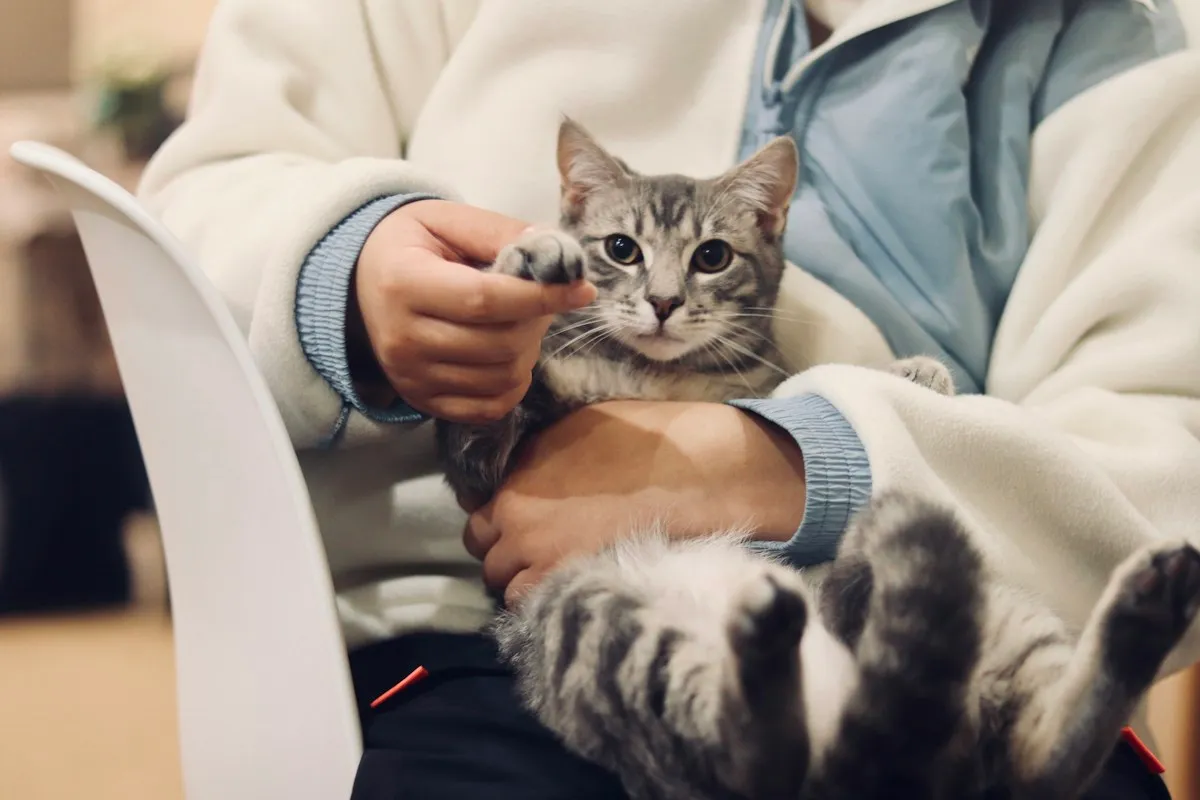
Scooting is when a cat sits, stretches its back legs forward and pulls itself along the floor with its front legs. Cats scoot less often than dogs (see dog scooting), but when they do, it usually means the bottom is itchy, painful, or feels like something is stuck.
Common causes
- Stool stuck to the fur: very common in long-haired cats such as Persians, in overweight cats that cannot reach to groom, and in cats with soft stool. A strand of swallowed hair can leave a piece of stool dangling.
- Tapeworms (Dipylidium caninum): cats catch them by swallowing infected fleas while grooming. Segments look like white grains of rice or sesame seeds around the anus, on the stool or on bedding, and they may move when fresh. They are itchy. Ordinary roundworm dewormers do not kill tapeworms; a praziquantel-containing dewormer is needed, along with flea control.
- Itchy skin and allergies: flea allergy, food allergy and environmental allergy commonly affect the area around the tail.
- Anal sac problems: cats have two small scent glands at about the 4 and 8 o’clock positions next to the anus. They can become impacted, infected or abscessed, causing licking, scooting, a fishy smell, swelling, or a burst abscess with pus and blood. Treatment includes expression, flushing, antibiotics such as clindamycin and pain relief.
- Diarrhoea and soiled, inflamed skin around the anus.
- Rectal prolapse: a pink or red tube of tissue protruding from the anus, usually in kittens with heavy worm burdens or diarrhoea. This is an emergency; keep the tissue moist with clean water or a sugar solution and go to a vet.
- Masses, polyps or tumours near the anus, more likely in older cats.
- A string or thread hanging from the anus: do not pull it. Go to a vet.
Safe home care for scooting
- Gently clean the area with lukewarm water and a soft cloth or unscented pet wipes, then dry.
- Trim the fur around the bottom of long-haired cats (a “sanitary trim”) with blunt-ended scissors or by a groomer.
- Use a cat-safe flea preventive on all pets in the household (see our tick and flea guide).
- Deworm with a product that includes praziquantel if tapeworm segments are seen, and follow a regular deworming schedule.
- Help overweight cats lose weight gradually under veterinary guidance.
- Do not try to express your cat’s anal glands at home; it is painful and can rupture an infected gland.
When to see a vet
- Scooting several times a day or for more than a few days
- Redness, swelling, a lump, bleeding or pus near the anus
- A strong fishy smell
- Rice-like segments in the fur or bedding
- Something protruding from the anus
- Crying or straining in the litter box
Frequently asked questions
Why does my cat drool when I pet him?
Many cats drool when deeply relaxed and purring. If your cat has always done this and has no bad breath or other signs, it is normal. New or increased drooling should be checked.
My cat is drooling but acting normal. Should I worry?
Cats hide pain very well. New drooling, even in a cat that seems fine, often signals dental pain or mild nausea, so book a check-up.
Is foamy saliva in cats an emergency?
Brief foaming after bitter medicine is common. Foaming with tremors, breathing difficulty, collapse, or after exposure to plants, chemicals or a dog spot-on is an emergency.
Can humans get tapeworms from cats?
People, mainly young children, can be infected with Dipylidium only by accidentally swallowing an infected flea. Flea control and hand-washing prevent this.
Is mucus in cat poop normal?
A small amount of clear mucus on otherwise normal stool is normal. A lot of mucus, blood, or a change in stool consistency is not.
This article is for education and does not replace a veterinary examination. If your cat is drooling with tremors or after possible poisoning, go to a vet immediately.
Related Articles
- Giardia and Coccidia in Dogs and Cats: Symptoms, Stool Tests, Treatment and Stopping Re-infection
- Why Is My Cat Vomiting? Hairballs, Yellow Bile, Worms and When To Worry
- Why Is My Cat Sneezing Repeatedly? Cat Cold, Tooth Root Abscess, Incense and Dust Allergy, Reverse Sneezing and Home Nebulisation Guide
- Cat Hairballs and Gagging Guide for Indian Cat Parents (Especially Persians): Hairball Gels, Brushing and When Gagging Is Actually Asthma
- Dog Scooting and Anal Glands: Impaction, Infection, Abscess, Treatment and Fibre Prevention
References
- Lovejoy J. Why Is My Cat Drooling? PetMD, updated 2026.
- Mitchell SC. Why Is My Cat Pooping Mucus? PetMD, 2023.
- Koehler R. Cat Dragging Butt? 6 Common Causes and How To Stop Your Cat’s Scooting. PetMD, updated 2025.
- Boland LA, Angles JM. Feline permethrin toxicity: retrospective study of 42 cases. J Feline Med Surg, 2010.
- Little SE. The Cat: Clinical Medicine and Management. Elsevier.
More on Cat Health and Symptoms

Prednisolone (Wysolone) for Dogs and Cats: Uses, Side Effects, Tapering, and the Truth About Steroid Injections
Uses and side effects of prednisolone, why it must be tapered, the danger of mixing with painkillers, and the truth about steroid…
FIP (Feline Infectious Peritonitis) in Kittens and Cats: Wet vs Dry Signs, A:G Ratio Test and Modern Antiviral Treatment
FIP in cats: how coronavirus mutates, wet vs dry signs, key blood and fluid tests, modern antiviral treatment, and prevention in multi-cat…