 Written and reviewed by Dr. Vaishnavi Karmawat, B.V.Sc. & A.H., Registered Veterinary Practitioner
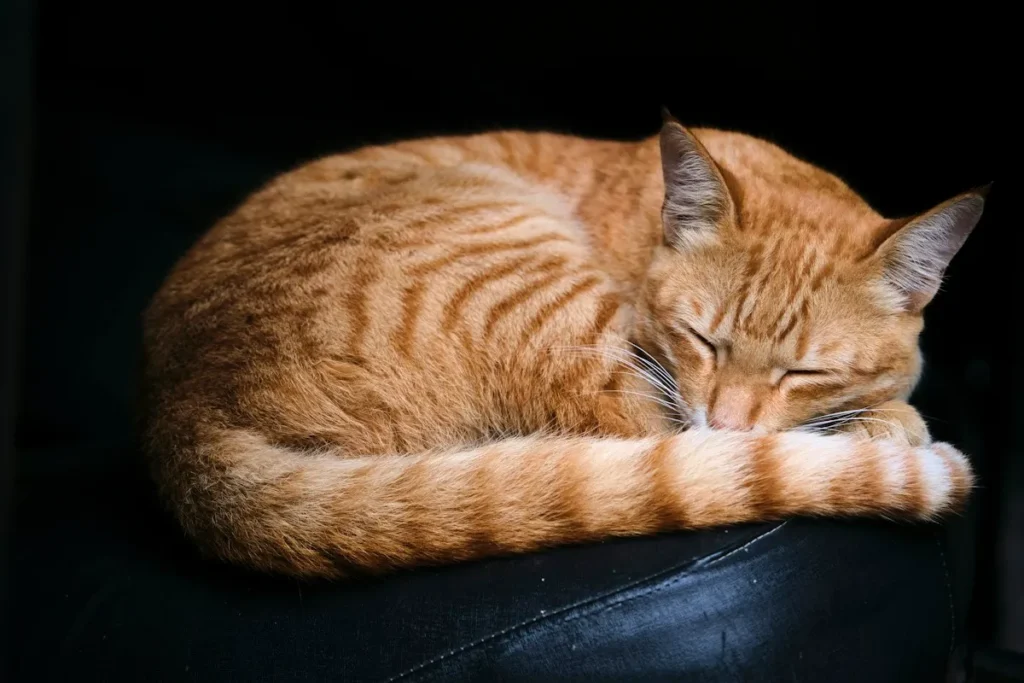
Heart disease in cats is often silent. A cat can look completely healthy until the day it suddenly breathes with its mouth open, or drags its back legs and cries in pain. Unlike dogs, cats with heart disease rarely cough, and many do not even have a murmur a vet can hear.
In this article
- What Is Heart Disease in Cats?
- Which Cats Are at Risk?
- Symptoms of Heart Disease in Cats
- Saddle Thrombus (Feline Aortic Thromboembolism)
- How Vets Diagnose Heart Disease in Cats
- Treatment of Heart Disease and Heart Failure in Cats
- Caring for a Cat With Heart Disease at Home
- Outlook for Cats With Heart Disease
- Can Heart Disease in Cats Be Prevented?
- Frequently Asked Questions
- Related Articles
- References
Here is what owners in India should know about feline heart disease, especially hypertrophic cardiomyopathy (HCM), the warning signs that mean an emergency, the “saddle thrombus” blood clot that causes sudden back-leg paralysis, and how heart disease is treated and monitored.
Key Takeaways
- Hypertrophic cardiomyopathy (HCM), a thickening of the heart muscle, is by far the most common heart disease in cats. Persians, Maine Coons, Ragdolls, British Shorthairs and male cats are at higher risk.
- Many cats with significant heart disease show no signs and have no murmur. Sometimes the first sign is heart failure, a blood clot or sudden death.
- Cats in heart failure breathe fast or with an open mouth; they rarely cough. Open-mouth breathing in a cat is always an emergency.
- A clot from the heart can lodge where the aorta splits (a “saddle thrombus”), causing sudden, painful paralysis of the back legs with cold, pale or blue paw pads.
- Treatment includes diuretics, clot-preventing medicines such as clopidogrel, and a low-stress home. Counting sleeping breaths at home helps catch relapses early.
What Is Heart Disease in Cats?
Most heart disease in cats affects the heart muscle (cardiomyopathy) rather than the valves, which is the opposite of dogs.
| Type | What happens | Notes |
|---|---|---|
| Hypertrophic cardiomyopathy (HCM) | The wall of the left ventricle thickens and stiffens, so the heart cannot relax and fill properly | Most common; often inherited; some cats also have SAM, where a mitral valve leaflet partly blocks the outflow during contraction |
| Restrictive cardiomyopathy (RCM) | Scarred, stiff heart muscle with very large atria | Common in older cats |
| Dilated cardiomyopathy (DCM) | Thin, weak, enlarged heart | Usually caused by taurine deficiency; now rare in cats fed complete cat food, but a risk with home-cooked, vegetarian or dog-food diets |
| Arrhythmogenic right ventricular cardiomyopathy (ARVC) | The right side dilates | Can cause right-sided heart failure |
| Secondary heart disease | Heart muscle thickens because of another illness | Hyperthyroidism and high blood pressure, both common in older cats, can cause or worsen it |
As the heart muscle stiffens, pressure rises in the left atrium, which enlarges. Blood flows sluggishly in this enlarged chamber, which is why clots form.
Which Cats Are at Risk?

- Breeds: Maine Coon and Ragdoll (with known genetic mutations), Persian, British Shorthair, Sphynx, and many domestic shorthair cats
- Male cats, which are affected more often and sometimes more severely
- Middle-aged cats, though HCM can appear from about 1 year onwards
- Older cats with hyperthyroidism or high blood pressure
- Cats fed diets lacking taurine (see what human foods cats can eat)
Symptoms of Heart Disease in Cats
Cats hide illness, so signs are often subtle until the disease is advanced:
- Fast breathing at rest or during sleep (more than 30 breaths per minute)
- Open-mouth breathing or panting, which is never normal in a cat at rest
- Breathing with the belly, sitting hunched with elbows out and neck stretched
- Hiding, lethargy, less playfulness, poor appetite and weight loss
- Fainting or collapse
- A swollen belly (less common)
- Sudden back-leg paralysis with crying (saddle thrombus)
- Sudden death, sadly sometimes the first and only sign
Coughing is uncommon in cats with heart failure. A coughing cat more often has asthma, lungworm or another airway problem.
Why cats breathe with difficulty
In heart failure, cats develop fluid inside the lungs (pulmonary oedema), fluid around the lungs in the chest cavity (pleural effusion), or both. Pleural effusion is much more common in cats than in dogs and compresses the lungs, causing rapid, shallow breathing.
Saddle Thrombus (Feline Aortic Thromboembolism)
A clot that forms in the enlarged left atrium can break off and travel down the aorta, the main artery. It often lodges where the aorta splits to supply the back legs, cutting off their blood supply. This is called feline aortic thromboembolism (FATE) or a “saddle thrombus.”
Signs appear suddenly:
- Sudden inability to use one or both back legs, which drag behind
- Severe pain, loud crying, panting
- Cold back legs and pale, grey or blue paw pads and nails compared with the front paws
- No pulse felt on the inner thighs
- Hard, painful calf muscles
- Fast breathing, often due to pain and heart failure at the same time
Owners often think the cat has fallen or been injured. A saddle thrombus is a life-threatening emergency. Go to a vet immediately. Treatment includes strong pain relief, anticoagulant and antiplatelet drugs, oxygen and heart failure treatment. Some cats regain leg function over days to weeks, especially if only one leg is affected and some movement remains, but the outlook is guarded and clots can recur. Your vet will discuss the prognosis and quality of life honestly.
How Vets Diagnose Heart Disease in Cats
- Listening to the heart for a murmur, a gallop sound or an irregular rhythm. A normal-sounding heart does not rule out disease, and some healthy cats have harmless murmurs.
- Echocardiogram (heart ultrasound), the key test. It measures wall thickness, atrial size and function, checks for clots and identifies the type of cardiomyopathy.
- NT-proBNP, a blood test that detects heart muscle strain; useful for screening and for telling heart from lung causes of breathlessness
- Chest X-rays to look for fluid in or around the lungs
- Blood pressure and thyroid (T4) tests in older cats
- ECG for abnormal rhythms
- Genetic tests for HCM mutations in Maine Coons and Ragdolls
A cat struggling to breathe may first need oxygen and gentle stabilisation before any tests. If there is fluid around the lungs, the vet may drain it with a needle (thoracocentesis), which can bring immediate relief.
Treatment of Heart Disease and Heart Failure in Cats
Treatment depends on the type of disease and whether the cat has heart failure or clots. Common medicines include:
| Medicine | Purpose |
|---|---|
| Furosemide (diuretic) | Removes fluid from the lungs; the main treatment for heart failure |
| Clopidogrel | Reduces the risk of blood clots; recommended for cats with an enlarged left atrium or a previous clot. In a large study, it prevented repeat clots better than aspirin. |
| Rivaroxaban or other anticoagulants | Sometimes added to prevent clots |
| Pimobendan | Used in some cats with heart failure, but not in cats with outflow obstruction |
| ACE inhibitors (benazepril, enalapril) | Reduce hormone effects and the heart’s workload |
| Atenolol | Sometimes used to slow a fast heart rate or reduce outflow obstruction |
| Treatment of hyperthyroidism or high blood pressure | Can improve secondary heart thickening |
Never stop heart medicines without your vet’s advice, and avoid medicines that can trigger heart failure in at-risk cats, such as long-acting steroid injections, unless your vet has considered the heart.
Caring for a Cat With Heart Disease at Home
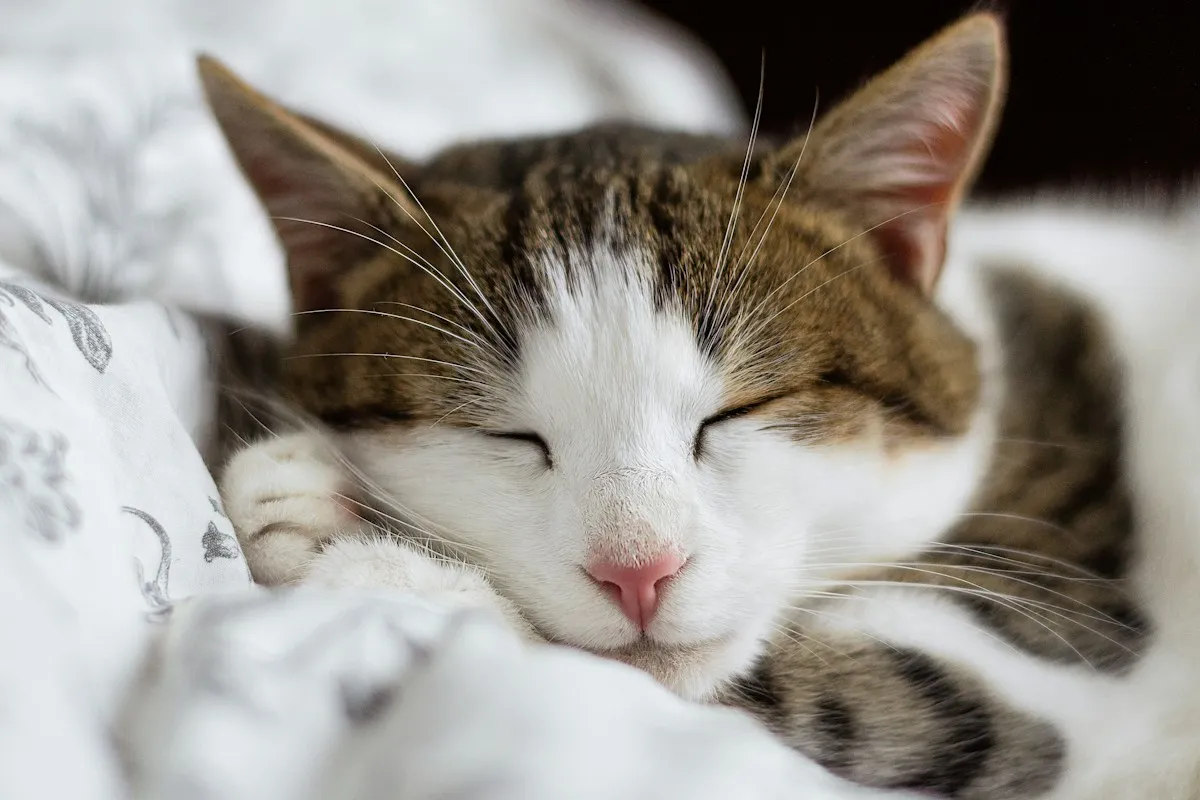
- Count sleeping breaths daily. Count one rise and fall of the chest as one breath, for 30 seconds while your cat is sound asleep, and double it. Under 30 per minute is normal. A rate consistently above 30, or a rising trend, means call your vet. Open-mouth breathing means go to a vet immediately.
- Keep stress low. Avoid sudden changes, loud gatherings, and rough handling. Give your cat quiet hiding places.
- Feed a complete, balanced cat food with adequate taurine. Avoid salty human foods.
- Learn how to give medicines calmly, using pill pockets or compounded flavoured liquids where available.
- Check your cat’s back legs if they suddenly seem weak, painful or cold.
- Attend rechecks, including blood tests and repeat echocardiograms as advised.
Outlook for Cats With Heart Disease
Many cats with mild HCM live normal lives and never develop heart failure. Cats with an enlarged left atrium are at higher risk of heart failure and clots. Once heart failure develops, survival commonly ranges from a few months to a year or two with treatment. Cats that have had a saddle thrombus have a more guarded outlook, and clots can recur despite medicines.
Can Heart Disease in Cats Be Prevented?
- Feed a complete cat food, never a vegetarian or dog-food diet, to prevent taurine-deficient heart disease.
- Ask your vet to listen to your cat’s heart at every visit, and consider an echocardiogram or NT-proBNP screening for high-risk breeds.
- Breeders of Persians, Maine Coons and Ragdolls should screen breeding cats with echocardiograms and genetic tests.
- Have older cats’ blood pressure and thyroid levels checked regularly.
Frequently Asked Questions
Do cats with heart disease cough?
Rarely. Fast or open-mouth breathing is the usual sign. A coughing cat more often has asthma or another airway problem.
My cat’s back legs suddenly stopped working. What should I do?
Feel the back paws. If they are cold, pale or bluish and your cat is crying in pain, suspect a saddle thrombus and go to an emergency vet immediately.
Can a cat have heart disease without a murmur?
Yes. A large proportion of cats with HCM have no murmur, which is why an echocardiogram is needed for diagnosis.
How long can a cat live with HCM?
It varies. Cats without symptoms can live for many years. Cats with heart failure or clots usually have a shorter outlook, from months to a couple of years with treatment.
Is my cat in pain with heart failure?
Heart failure itself is not usually painful, but breathlessness is distressing. A saddle thrombus is extremely painful and needs immediate pain relief.
For heart disease in dogs, see our guide to congestive heart failure in dogs.
This article is for education and does not replace veterinary advice. Open-mouth breathing or sudden back-leg paralysis in a cat is an emergency.
Related Articles
- Tick Paralysis and Lyme Disease in Dogs: Sudden Back-Leg Weakness, Shifting Lameness and Safe Tick Removal
- Why Is My Cat Vomiting? Hairballs, Yellow Bile, Worms and When To Worry
- IVDD (Slipped Disc) in Dogs: Sudden Back-Leg Paralysis in Dachshunds, Shih Tzus and Beagles, Crate Rest vs Surgery
- Why Is My Cat Drooling Foamy Saliva or Scooting? Mouth Ulcers, Money Plant and Dog Tick Medicine Poisoning, Mucus in Stool, Worms and Anal Glands
References
- Kearley M. Heart Disease in Cats. PetMD, 2023.
- PetMD. Congestive Heart Failure in Cats.
- Luis Fuentes V, Abbott J, Chetboul V, et al. ACVIM consensus statement guidelines for the classification, diagnosis, and management of cardiomyopathies in cats. Journal of Veterinary Internal Medicine, 2020;34(3):1062–1077.
- Hogan DF, et al. Secondary prevention of cardiogenic arterial thromboembolism in the cat: the double-blind, randomized, positive-controlled feline arterial thromboembolism; clopidogrel vs. aspirin trial (FAT CAT). Journal of Veterinary Cardiology, 2015;17 Suppl 1:S306–S317.
- Payne JR, Brodbelt DC, Luis Fuentes V. Cardiomyopathy prevalence in 780 apparently healthy cats in rehoming centres (the CatScan study). Journal of Veterinary Cardiology, 2015;17 Suppl 1:S244–S257.
More on Cat Health and Symptoms
FIP (Feline Infectious Peritonitis) in Kittens and Cats: Wet vs Dry Signs, A:G Ratio Test and Modern Antiviral Treatment
FIP in cats: how coronavirus mutates, wet vs dry signs, key blood and fluid tests, modern antiviral treatment, and prevention in multi-cat…
Ear Mites in Cats, Kittens and Dogs: Coffee-Ground Ear Wax, Treatment for All Pets and Home Remedies To Avoid
Ear mites in cats and dogs: dark coffee-ground debris, itching, how they differ from ear infections, and treating every pet in the…