 Written and reviewed by Dr. Vaishnavi Karmawat, B.V.Sc. & A.H., Registered Veterinary Practitioner

- Diarrhoea is never normal in a cat. A single soft stool can be watched, but anything lasting more than 24 to 48 hours needs a vet.
- Kittens, senior cats, pregnant cats and cats with kidney disease, diabetes or hyperthyroidism dehydrate fast and should be seen within 24 hours.
- Cow’s milk is one of the most common causes in Indian homes, because most adult cats cannot digest lactose.
- Vomiting with diarrhoea, blood, black stool, or a cat that stops eating are reasons to go the same day.
- Never give human loose-motion medicines, Pepto-Bismol type products or paracetamol to a cat.
Diarrhoea in cats means stools that are softer, more watery or more frequent than normal. Unlike dogs, cats rarely get diarrhoea from a single bad meal, so when it happens there is usually a reason worth finding. In India, the most common triggers we see are cow’s milk, sudden diet changes, intestinal worms and protozoa in rescued kittens, and feline panleukopenia in unvaccinated cats. This guide explains how vets think about cat diarrhoea, which signs are urgent, what tests and treatment involve and how to care for a mildly affected cat at home.
In this article
- Acute and chronic diarrhoea
- Small-bowel or large-bowel diarrhoea?
- What the stool colour and look can mean
- Common causes of diarrhoea in cats
- Which cats are at highest risk
- When to see a vet
- How vets find the cause
- Veterinary treatment
- Home care for a mild case
- Preventing diarrhoea in cats
- Frequently asked questions
- Related Articles
- References
Go to a vet today if your cat has diarrhoea with vomiting, blood or black, tarry stool, refuses food, is dull or hiding, or is a kitten. Kittens with diarrhoea can become dangerously dehydrated and low in blood sugar within hours.
Acute and chronic diarrhoea
- Acute diarrhoea lasts less than about two weeks. It is often caused by diet, parasites, infection, stress or a toxin, and many cases improve with supportive care.
- Chronic diarrhoea lasts more than two to three weeks or keeps coming back. It needs proper tests, because the causes include food allergy, inflammatory bowel disease, intestinal lymphoma, hyperthyroidism and persistent infections such as Tritrichomonas.
Small-bowel or large-bowel diarrhoea?
| Sign | Small intestine | Large intestine (colitis) |
|---|---|---|
| Amount each time | Large | Small |
| How often | Slightly more than normal | Many times a day, often urgent |
| Mucus | Rare | Common |
| Blood | Dark, digested (black stool) | Fresh red streaks |
| Straining | Rare | Common; often mistaken for constipation |
| Weight loss | Common if it lasts | Uncommon |
Tell your vet what you see in the litter box. Photos of the stool help.
What the stool colour and look can mean
| What you see | Possible meaning |
|---|---|
| Watery, large volume | Small-bowel disease, infection, diet |
| Soft with mucus and fresh blood | Colitis, stress, parasites, Tritrichomonas |
| Black, tarry | Digested blood from the stomach or small intestine; urgent |
| Pale, greasy, very smelly, bulky | Poor digestion or absorption, such as pancreatic insufficiency |
| Yellow or orange | Fast transit; sometimes liver disease or red cell destruction; vet check |
| Green | Often food or grass; occasionally gall bladder problems |
| Worms visible | Roundworms or tapeworm segments (look like rice grains) |
Common causes of diarrhoea in cats
Diet
- Cow’s or buffalo milk. Kittens make the enzyme lactase, but most cats lose much of it after weaning. Undigested milk sugar pulls water into the gut (osmotic diarrhoea). This is very common in Indian homes where cats are given milk as a treat.
- Sudden change of food, a new treat, rich gravy, fish curry, fried food or leftovers.
- Spoiled or contaminated food, including raw meat and fish.
- Food allergy or intolerance, often to a protein such as chicken, fish or beef.
Parasites and infections
- Roundworms and hookworms, very common in kittens and rescued street cats. See rescued desi kitten care.
- Giardia and coccidia (Cystoisospora): microscopic protozoa that cause smelly, mucousy diarrhoea, especially in kittens from crowded places.
- Tritrichomonas foetus: a protozoan that causes chronic, foul-smelling large-bowel diarrhoea, often with an inflamed, sore anus, mostly in young cats from catteries and shelters.
- Feline panleukopenia (feline parvovirus): severe vomiting, diarrhoea, fever and very low white cells in unvaccinated cats. Often fatal without intensive care.
- Bacteria such as Salmonella, Campylobacter and Clostridium species.
- Feline coronavirus and, in cats with weak immunity, FeLV or FIV-related problems.
Diseases of the gut and other organs
- Inflammatory bowel disease (IBD) and intestinal lymphoma, the most common causes of chronic diarrhoea and vomiting in middle-aged and older cats.
- Hyperthyroidism in older cats: diarrhoea, weight loss and a big appetite.
- Exocrine pancreatic insufficiency and pancreatitis.
- Liver disease and kidney disease.
- Toxins and medicines, including some antibiotics, lilies and some houseplants.
- Stress: a move, new pet, travel, boarding or a visit to a groomer.
Which cats are at highest risk
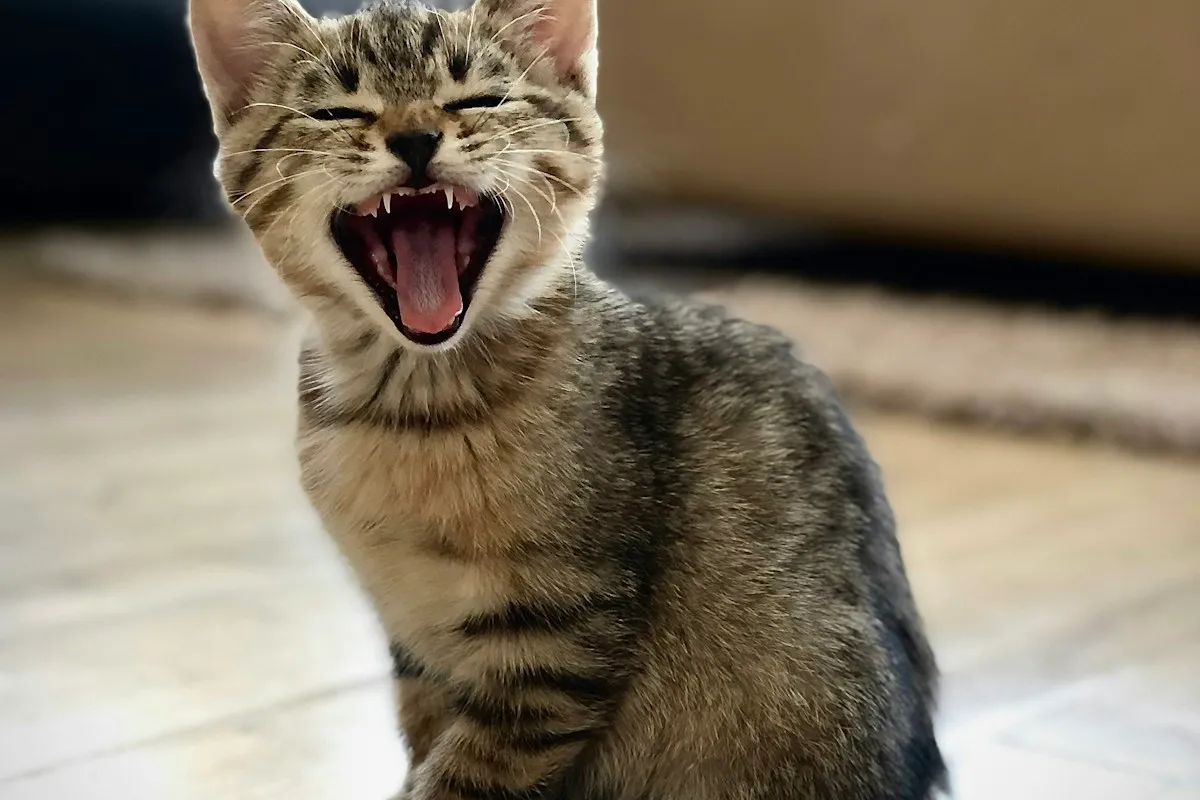
Kittens (especially under 12 weeks), senior cats, pregnant or nursing queens and cats with ongoing illnesses are much more likely to become seriously ill. Any diarrhoea in these cats that does not settle within 24 hours needs a vet.
When to see a vet
- Diarrhoea with vomiting (always treat as urgent)
- Blood in the stool, black stool, or a lot of mucus
- Not eating, hiding, lethargy or weakness
- Signs of dehydration: dry, tacky gums, sunken eyes, skin that stays tented when lifted
- A kitten, senior, pregnant cat or a cat with a known disease
- Diarrhoea for more than 48 hours, or that returns again and again
- Weight loss, or a change in thirst or appetite
How vets find the cause
- Fresh stool sample (ideally within a few hours) for flotation for worm eggs and coccidia, a Giardia antigen test, a direct smear and, if needed, PCR for Tritrichomonas and other organisms, and culture in some cases.
- Blood tests: complete blood count (very low white cells suggest panleukopenia), biochemistry, electrolytes, and total T4 in cats over about 7 years.
- FeLV and FIV test, and a panleukopenia antigen test in kittens.
- Vitamin B12 (cobalamin) and folate levels in chronic cases. Low B12 is common in cats with gut disease and slows recovery until it is replaced.
- Feline pancreatic lipase and fTLI tests for pancreas problems.
- Abdominal ultrasound to look for thickened intestines and enlarged lymph nodes.
- Diet trial with a hydrolysed or novel protein food for 6 to 8 weeks.
- Biopsy by endoscopy or surgery to tell IBD from lymphoma.
Veterinary treatment
- Fluids under the skin or by drip for dehydration; kittens may also need glucose.
- Deworming and antiprotozoal treatment chosen by your vet according to the parasite found (for example fenbendazole for Giardia and many worms, and specific drugs for coccidia or Tritrichomonas).
- Diet therapy: a highly digestible gastrointestinal food in the short term; a hydrolysed or novel protein food for food-responsive disease; added fibre for colitis.
- Feline probiotics.
- Vitamin B12 injections or tablets if levels are low.
- Anti-nausea medicines when vomiting is present.
- Antibiotics only when needed, for example with fever, very low white cells, panleukopenia or a confirmed bacterial infection. They are not routinely needed for simple acute diarrhoea.
- IBD and lymphoma: diet, prednisolone and sometimes chemotherapy tablets for low-grade lymphoma, under specialist guidance.
- Hyperthyroidism: thyroid medicines, special diet or radioactive iodine.
Home care for a mild case
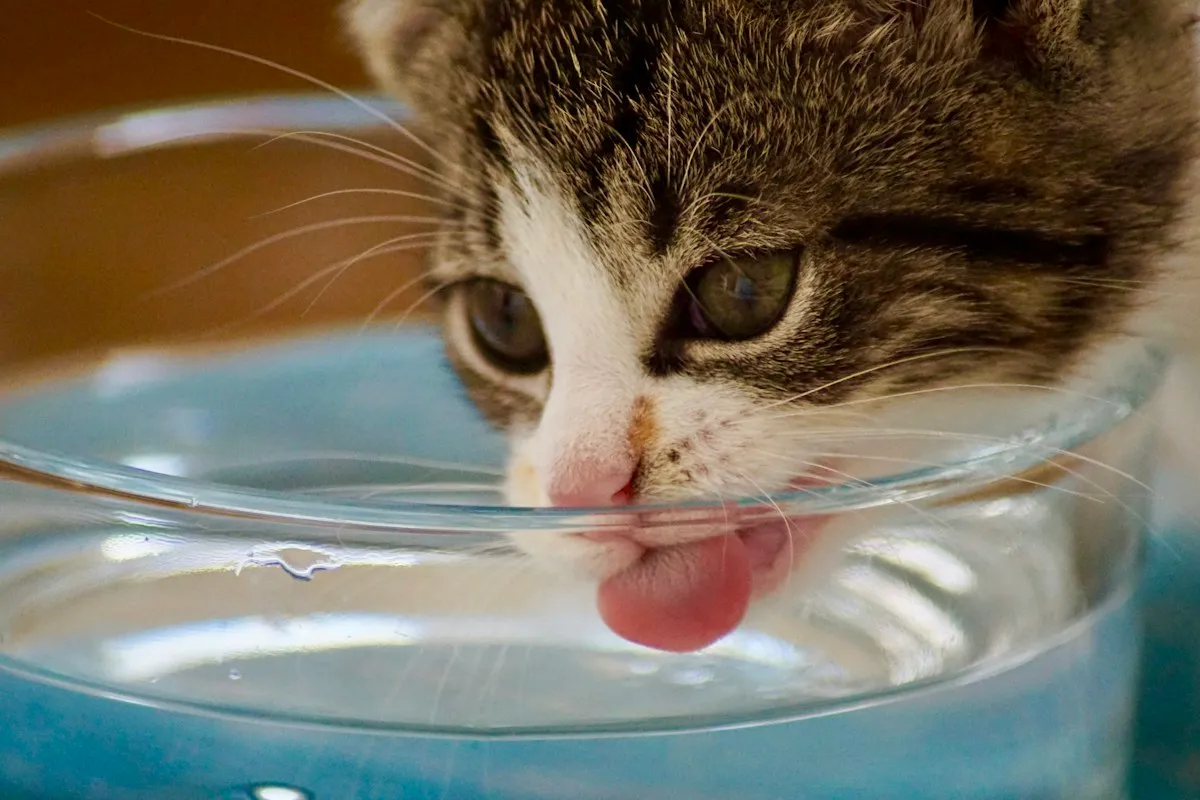
Only for an adult cat that is bright, eating and drinking, with no vomiting or blood:
- Do not starve your cat. Long fasts can trigger fatty liver disease in cats. At most, skip one meal.
- Stop all milk, treats and table food.
- Offer a bland diet in small meals 4 to 6 times a day: plain boiled chicken breast (no skin, bones, salt or spices) or a veterinary gastrointestinal wet food. Plain rice is not needed for cats and many will not eat it.
- Encourage drinking: fresh water in several bowls, a little extra water mixed into wet food. Ask your vet before giving any oral rehydration solution.
- Fibre for large-bowel signs: a small amount (about half to one teaspoon) of plain boiled, mashed pumpkin mixed into food can help some cats. Ask your vet before using psyllium husk.
- Feline probiotic for 5 to 7 days.
- Keep the cat indoors and use a clean litter box so you can monitor stools. If you have other cats, give the sick cat its own box and bowls.
- Return to normal food over about a week once stools are normal.
- See a vet if there is no clear improvement in 24 to 48 hours, or any warning sign appears.
Never give human loose-motion medicines (loperamide), bismuth subsalicylate products (Pepto-Bismol type, which contain an aspirin-like salicylate), kaolin mixtures, paracetamol, aspirin or leftover antibiotics. Several of these are toxic to cats even at small doses.
Preventing diarrhoea in cats
- Do not give cow’s or buffalo milk to adult cats. If you want to offer a treat, use a cat-specific product.
- Change food gradually over 7 to 10 days.
- Deworm kittens every 2 weeks until 3 months of age, then as your vet advises. See our deworming schedule.
- Vaccinate against panleukopenia. See our puppy and kitten vaccination schedule.
- Quarantine new or rescued cats for 2 weeks and test their stool before mixing them with your cats.
- Scoop litter daily and wash boxes with hot water to break parasite cycles.
- Keep lilies and toxic plants out of the house.
- Take senior cats for yearly blood and urine tests.
For more on feeding, see what can cats eat in India and low-cost homemade cat food recipes.
Frequently asked questions
Why does milk give my cat loose motion?
Most adult cats do not produce enough lactase, the enzyme that digests milk sugar. The undigested lactose draws water into the gut and is fermented by bacteria, causing gas and diarrhoea. Kittens drinking their mother’s milk are different, but cow’s milk is not a good substitute even for kittens.
How long can cat diarrhoea last before I worry?
A single loose stool in a bright adult cat can be watched. If it lasts more than 24 to 48 hours, or the cat is a kitten, senior or unwell in any way, see a vet.
Can I give my cat curd for diarrhoea?
Some cats tolerate a small amount of plain curd, but many do not because of lactose. A feline probiotic is more reliable. Ask your vet first.
My rescued kitten has smelly diarrhoea even after deworming. Why?
Routine dewormers do not treat all parasites. Giardia, coccidia and Tritrichomonas are common in rescued kittens and need specific tests and medicines. Take a fresh stool sample to your vet.
Is pumpkin good for cats with diarrhoea?
A small amount of plain, boiled and mashed pumpkin adds fibre that can help large-bowel diarrhoea. Use about half to one teaspoon per meal, without salt, sugar or spices, and only as a short-term aid.
Can stress cause diarrhoea in cats?
Yes. Moving house, a new pet, travel or boarding can trigger colitis with mucus and small amounts of blood. It often settles in a few days with a bland diet, but persistent signs need a vet.
Related Articles
- Dog Vomiting and Diarrhoea (Loose Motion): Causes, Vet Treatment and Home Care
- Cat Constipation (Kabz) and Straining in the Litter Box: Causes, Safe Home Hydration and Fibre, and Why Human Enemas Are Deadly
- Is My Dog or Cat Dehydrated? 1-Minute Gum and Skin Tent Check, ORS and When To See a Vet
- Cat Flu (Sneezing, Runny Eyes) in Cats: Herpesvirus vs Calicivirus, Carrier Cats, Treatment and Home Care
References
- Merck Veterinary Manual. Diseases of the Stomach and Intestines in Small Animals.
- Marks SL, Willard MD. Diarrhea in kittens. In: August JR, ed. Consultations in Feline Internal Medicine. Vol 5. Elsevier Saunders; 2006.
- Gookin JL, Hanrahan K, Levy MG. The Conundrum of Feline Trichomonosis. Journal of Feline Medicine and Surgery. 2017;19(3):261-274.
- Simpson KW. Pancreatitis and triaditis in cats: causes and treatment. Journal of Small Animal Practice. 2015;56(1):40-49.
- Companion Animal Parasite Council (CAPC). Giardia and Coccidia guidelines.
- Cornell Feline Health Center. Diarrhea.
More on Cat Health and Symptoms
FIP (Feline Infectious Peritonitis) in Kittens and Cats: Wet vs Dry Signs, A:G Ratio Test and Modern Antiviral Treatment
FIP in cats: how coronavirus mutates, wet vs dry signs, key blood and fluid tests, modern antiviral treatment, and prevention in multi-cat…
Heart Disease (HCM) in Cats: Silent Signs, Open-Mouth Breathing and Sudden Back-Leg Paralysis (Saddle Thrombus)
HCM heart disease in cats: at-risk breeds, open-mouth breathing, saddle thrombus paralysis, diagnosis, treatment and home breath counting.