 Written and reviewed by Dr. Vaishnavi Karmawat, B.V.Sc. & A.H., Registered Veterinary Practitioner
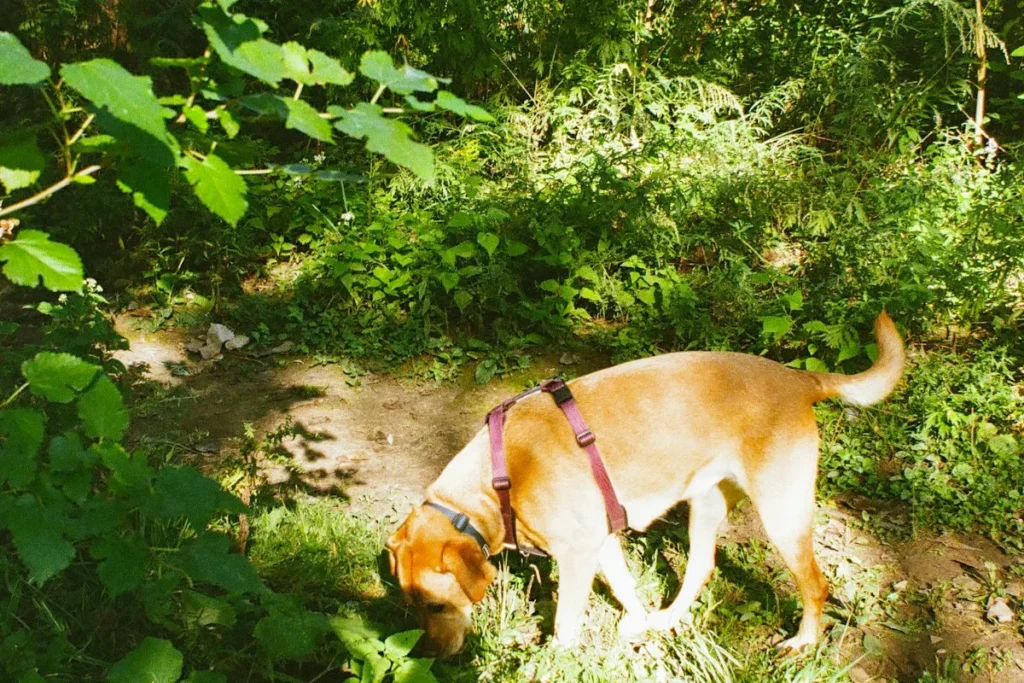
Few dog habits upset owners as much as finding their puppy happily eating its own poop, or their adult dog snacking from the cat’s litter box or a pile of cow dung on the morning walk. Eating faeces, which vets call coprophagia, is common, and in many cases it is a normal dog behaviour. But it can also signal worms, a digestive enzyme problem, hunger or anxiety.
In this article
Here are the seven main reasons dogs eat poop, when it points to a medical problem, and a step-by-step plan to stop it without punishment.
Key Takeaways
- Poop eating (coprophagia) is common, especially in puppies, and often grows out with age and good house training.
- Eating the poop of other species, such as cat, cow or horse dung, is normal dog behaviour; regularly eating their own or other dogs’ poop is less normal.
- An adult dog that suddenly starts eating poop, especially with weight loss or diarrhoea, should see a vet for worms, enzyme deficiency or other illness.
- Punishing a dog for toilet accidents can teach it to eat the evidence.
- The most reliable fix is to clean up immediately, supervise on a leash, and reward your dog for coming away.
- Poop eating spreads worms, Giardia and other infections, so regular deworming matters.
Why Do Dogs Eat Poop?
A 2018 study of more than 1,500 dogs by veterinary behaviourist Dr. Benjamin Hart and colleagues found that about one in six dogs was a serious poop eater. Most of these dogs ate stools that were less than two days old. The researchers suggested this reflects an instinct inherited from wolves: eating fresh faeces near the den, before parasite eggs in them become infective, helped keep the den clean. Poop eaters were also more likely to be described as greedy eaters, and the habit was more common in multi-dog homes.
Normal reasons
- Mothers cleaning their puppies. Nursing mothers lick puppies to stimulate them to pass urine and stool and eat it to keep the nest clean. This is completely normal.
- Instinct. As described above, eating fresh stool may be an inherited den-cleaning behaviour.
- Taste. Cat poop is high in protein and fat because cats eat meat-rich diets, and cow, buffalo and horse dung contain partly digested plant material that many dogs find appealing.
Abnormal reasons
- Attention. A puppy picks up its poop, the whole family shouts and chases, and the puppy learns it is a great game.
- Medical problems. Conditions that cause hunger or poor digestion make undigested food in stool attractive (see below).
- Anxiety and boredom. Dogs confined for long hours, left alone, or kept in small kennels may eat their stool as a displacement behaviour. See our guide to separation anxiety.
- Fear of punishment. Dogs that have been scolded or had their nose rubbed in accidents may learn to hide the evidence by eating it.
Medical Causes of Poop Eating
See your vet if your dog eats its own or other dogs’ stool regularly, if an adult dog starts suddenly, or if you notice any of these: weight loss, a big appetite but thin body, diarrhoea or bulky stools, vomiting, a dull coat or low energy.
| Cause | Clues | How vets check |
|---|---|---|
| Intestinal worms and Giardia | Pot belly in puppies, diarrhoea, worms in stool, poor growth | Stool test; routine deworming |
| Exocrine pancreatic insufficiency (EPI) | Ravenous appetite, weight loss, large pale greasy stools; common in German Shepherds | Blood test (serum TLI) |
| Underfeeding or unbalanced diet | Thin dog, home diet low in protein or fat, rapid growth in puppies | Diet history and body condition score |
| Malabsorption and inflammatory bowel disease | Chronic diarrhoea, weight loss | Blood tests, vitamin B12 and folate, ultrasound, biopsies |
| Increased appetite from illness or medicine | Diabetes, Cushing’s disease, thyroid disease, or steroids such as prednisolone | Blood and urine tests; medication review |
| Brain disease or old-age confusion | Senior dog with disorientation, pacing, other behaviour changes | Neurological examination |
Eating poop also carries risks of its own. Stool can contain roundworm and hookworm eggs, Giardia and coccidia, bacteria such as Salmonella and Campylobacter, and viruses such as parvovirus. Dung from cattle that have been dewormed can contain enough ivermectin to poison sensitive breeds. A dog that eats unusual things such as mud, plaster or stones may also have pica; read why dogs eat grass, mud and wall plaster.
How To Stop a Dog From Eating Poop
Step 1: Rule out medical causes
Take a fresh stool sample to your vet, make sure your dog’s deworming is up to date, and discuss diet and body weight. Treating worms, EPI or underfeeding often stops the behaviour completely.
Step 2: Remove the opportunity
- Pick up stool immediately after your dog goes, every time. In a yard or terrace, check it at least twice a day.
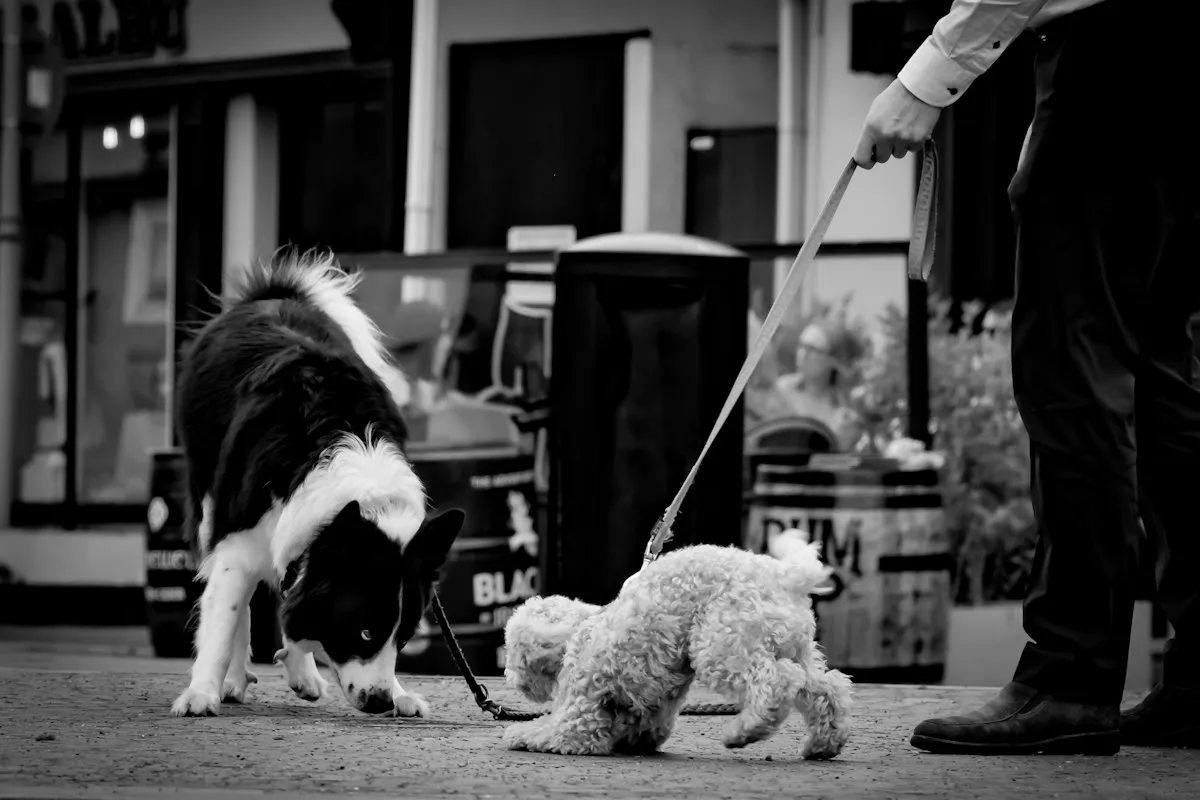
- Keep your dog on a leash during toilet walks so you can lead it away calmly.
- Put the cat’s litter box where the dog cannot reach it: behind a baby gate, in a room with a cat-sized gap, or on a raised surface.
- On walks, steer clear of dung piles, and keep street dogs’ and cattle droppings out of reach.
Step 3: Teach and reward a better choice
- Go out with your dog at toilet times.
- The moment your dog finishes, call it to you in a happy voice and give a high-value treat, such as a small piece of boiled chicken, that it gets only on these occasions.
- While your dog eats the treat, or chases a toy you throw, pick up the stool.
- Practise a “Leave it” cue at home with low-value items first, rewarding your dog for turning away, then use it on walks.
- Repeat consistently for several weeks. Every time your dog succeeds in eating poop, the habit is reinforced, so supervision is essential.
Step 4: Never punish
Shouting, hitting or rubbing a dog’s nose in its mess does not stop poop eating. It makes the dog anxious, damages trust, and can teach it to eat stool quickly or hide when it needs to go. If your dog has an accident indoors, clean it up quietly and go back to a regular toilet schedule. Use an enzyme cleaner so the smell does not attract your dog back to the same spot.
Step 5: Reduce anxiety and boredom
- Give daily walks, play and training sessions suited to your dog’s age and breed.
- Use food puzzles and chew toys, especially when your dog is alone.
- If your dog is crated or kennelled, make sure the space is the right size, clean and not used for many hours at a time.
- For dogs with separation anxiety, ask your vet or a qualified behaviour professional for a training plan.
Do deterrent chews and home remedies work?
Commercial “stool-eating deterrent” chews and powders aim to make stool taste bad, and probiotics or digestive enzymes may help dogs with digestive problems. Results vary, and none works without supervision and clean-up. Popular home remedies, such as adding pineapple, pumpkin or meat tenderiser to the food, have little scientific support. Never add chilli, garlic or other irritants to stool or food.
Puppies and Poop Eating
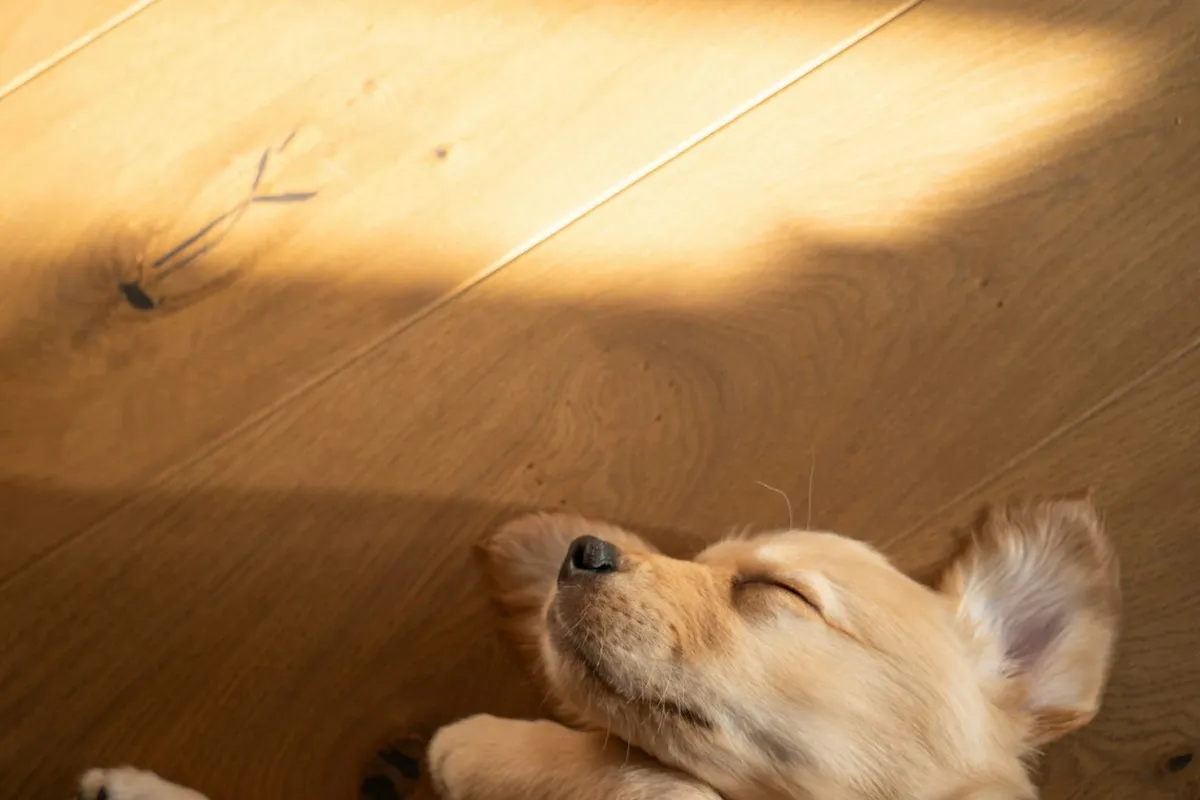
Puppies explore the world with their mouths, and many try their own stool at some point. With prompt clean-up, positive house training and good nutrition, most puppies grow out of it by around nine months to a year. Crate training can speed up house training: choose a crate just big enough for the puppy to stand, turn and lie down, so it naturally keeps it clean. Make sure puppies are dewormed on schedule, because they are the most likely to carry and catch worms.
Why Do Dogs Eat Cat Poop?
Cat food is rich in protein and fat, so cat stool smells and tastes appealing to dogs. It is a normal canine preference, but it can spread parasites and may contain clumping litter, which can cause stomach upset. Block access to the litter box; a covered box facing a wall, a baby gate, or a box placed on a shelf the dog cannot reach all work well.
Frequently Asked Questions
Is it harmful if my dog eats poop?
Occasional poop eating in a healthy, dewormed dog rarely causes serious illness, but it can spread worms, Giardia, bacteria and viruses, and cause vomiting or diarrhoea. It is also unpleasant for the family, so it is worth stopping.
Why does my dog eat its own poop but not other dogs’?
This is often a learned habit from puppyhood, a response to confinement or punishment, or a sign of hunger or poor digestion. Start with a vet check.
Why does my dog eat cow dung on walks?
Cattle dung contains partly digested plant material that many dogs like. It can carry parasites and dewormer residues, so keep your dog on a leash near cattle areas and reward it for leaving dung alone.
Which breeds eat poop most?
Labradors, Beagles and other food-motivated breeds are often reported, and one study found Shetland Sheepdogs most likely to eat poop. Any breed can develop the habit.
Will neutering stop poop eating?
No. Neutering does not change this behaviour.
This article is for education and does not replace veterinary advice. If your dog suddenly starts eating poop or shows other signs of illness, see your vet.
Related Articles
- Puppy Potty Training Problems: Causes and How To Fix Them
- Why Do Dogs Howl at Night? And How To Stop a Dog Growling Over Food or Bones (Resource Guarding)
- Why Does My Dog Keep Licking? Paws, Floor, Hands and Canine Compulsive Disorder
- Car Sickness in Dogs and Puppies: Signs, Training Tips and Safe Medicines (Dramamine, Meclizine and Cerenia)
References
- Sung W, Gold K. Why Do Dogs Eat Poop? PetMD, 2026.
- Hart BL, Hart LA, Thigpen AP, et al. The paradox of canine conspecific coprophagy. Veterinary Medicine and Science, 2018;4(2):106–114.
- Boze BGV. Correlates of coprophagy in the domestic dog (Canis familiaris) as assessed by owner reports. Journal of Applied Companion Animal Behavior, 2010;4(1):28–37.
- Westermarck E, Wiberg M. Exocrine pancreatic insufficiency in the dog: historical background, diagnosis, and treatment. Topics in Companion Animal Medicine, 2012;27(3):96–103.
- Companion Animal Parasite Council (CAPC). General Guidelines for Dogs and Cats.
More on Dog Behaviour and Training
Why Does My Dog Keep Licking? Paws, Floor, Hands and Canine Compulsive Disorder
Why dogs lick their paws, floors and people: allergies, yeast, ticks, nausea and compulsive licking, how to check paws, and when to…
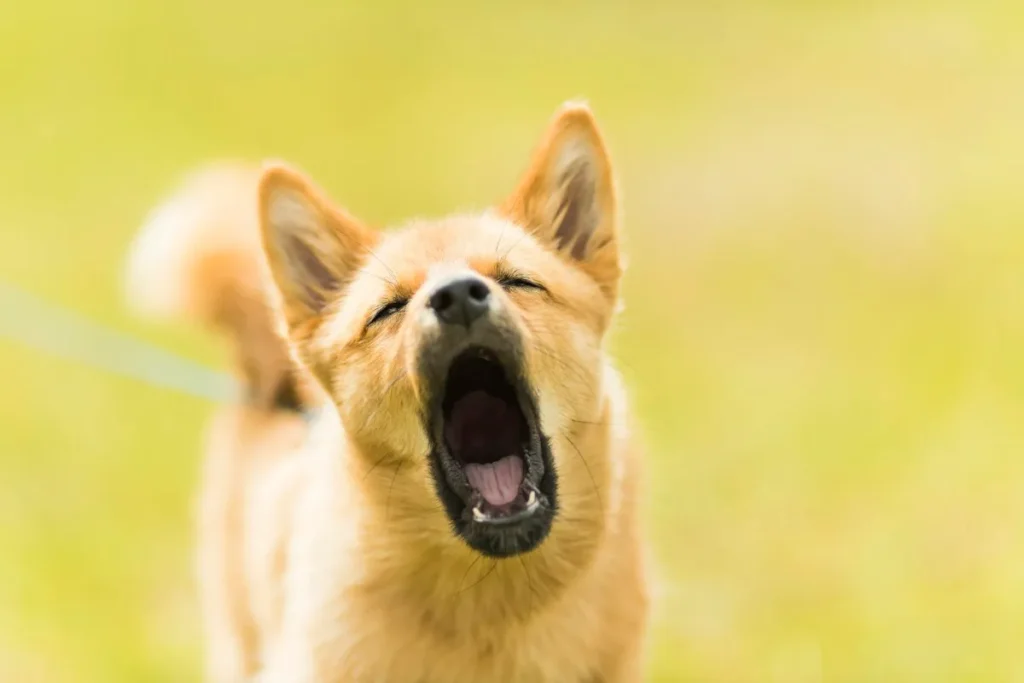
Why Do Dogs Howl at Night? And How To Stop a Dog Growling Over Food or Bones (Resource Guarding)
Why dogs howl at night or at sirens, when howling signals pain or anxiety, and how to fix food and toy guarding…