 Written and reviewed by Dr. Vaishnavi Karmawat, B.V.Sc. & A.H., Registered Veterinary Practitioner
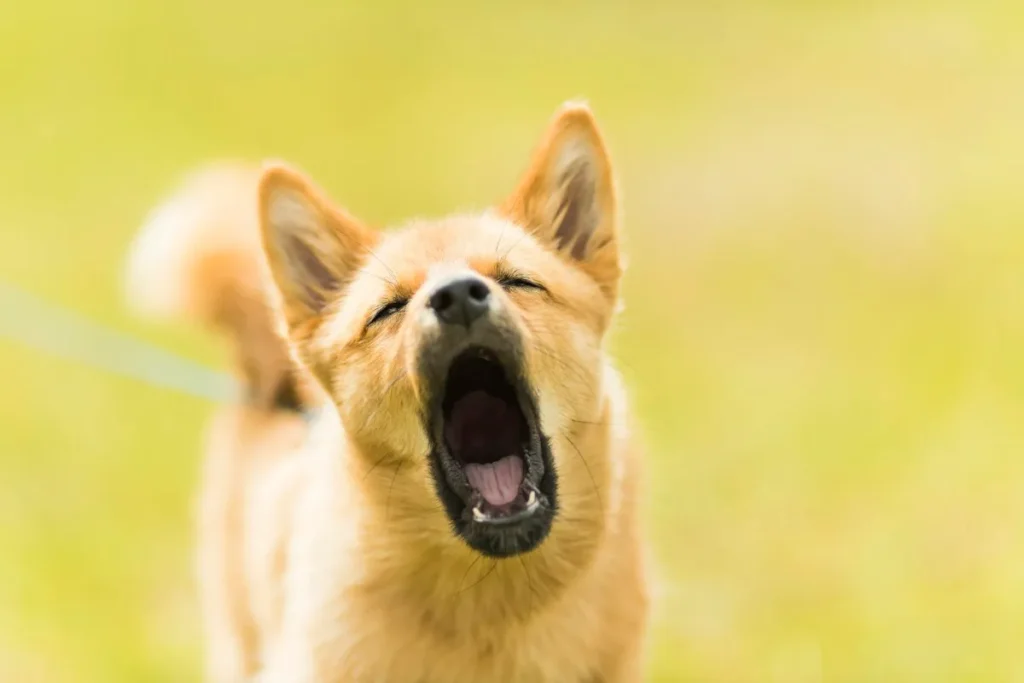
Two dog behaviours worry Indian families more than most: howling at night, which many people link to bad omens, and growling or snapping when someone goes near the dog’s food bowl or bone. Both are natural canine behaviours with clear causes, and both can be managed once you understand what your dog is trying to say.
In this article
Key Takeaways
- Dogs howl to communicate over long distances, to respond to sounds such as sirens, to announce territory, and to express distress or loneliness.
- A dog howling at night does not predict death or bad luck. It is communication, often with other dogs in the neighbourhood.
- New or increased howling can signal separation anxiety, pain or, in senior dogs, cognitive decline.
- Resource guarding means a dog stiffens, eats faster, growls, snaps or bites to protect food, bones, toys, resting spots or people.
- Taking the bowl away, hitting or “showing who is boss” makes guarding worse and leads to bites.
- Guarding improves with management and training that teaches the dog that people approaching means more good things, not less.
Why Do Dogs Howl?
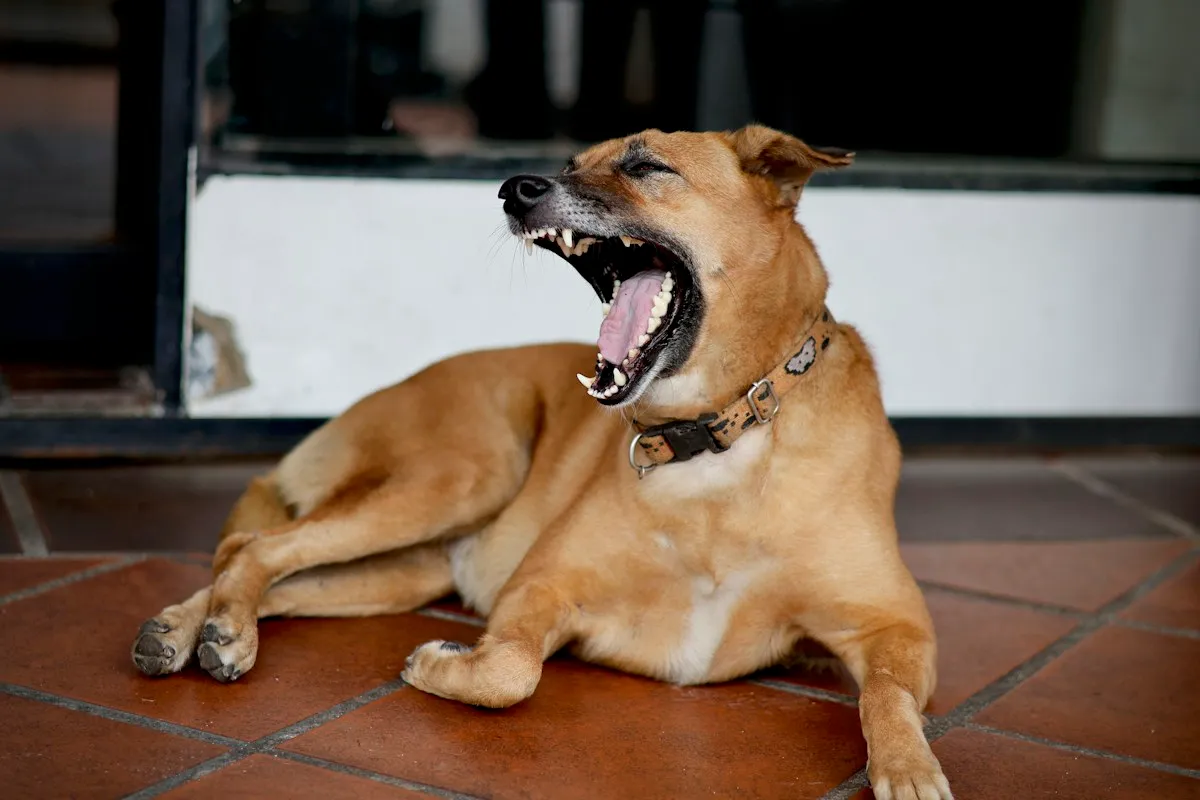
Howling is inherited from wolves, which howl to locate pack members, gather the group and warn other packs away. A howl carries much farther than a bark, especially in the quiet of night. Domestic dogs howl for five main reasons:
- Communication. Dogs answer other dogs howling nearby. In Indian neighbourhoods with many street dogs, one dog’s howl often sets off a chain across several streets.
- Response to sounds. Ambulance and police sirens, train horns, pressure-cooker whistles, conch shells, music and even certain ringtones can trigger howling. These high, sustained sounds may resemble a distant howl.
- Territory. Howling announces “this area is occupied” to other dogs.
- Emotion. Dogs howl when lonely, anxious, frustrated or excited, for example when the family leaves or comes home.
- Breed. Siberian Huskies, Alaskan Malamutes, Beagles, Basset Hounds, Dachshunds and other hounds howl or “bay” far more than most breeds. Indian Pariah (Indie) dogs also use howling within their community.
Is a dog howling at night a bad omen?
No. There is no evidence that a howling dog senses or predicts death, illness or misfortune. Dogs howl more at night simply because the streets are quieter, sounds carry farther, other dogs are active, and dogs left outside or alone are more likely to feel lonely or alert. Chasing, beating or poisoning dogs because of this superstition is cruel and illegal, and it does not reduce howling in the area.
When howling needs attention
| Pattern | Possible cause | What to do |
|---|---|---|
| Howling only when left alone, with chewing, toileting or scratching at doors | Separation anxiety | Behaviour plan; see our separation anxiety guide |
| Sudden howling or crying with restlessness, limping, panting or reluctance to be touched | Pain or illness | Vet check soon |
| Senior dog howling at night, pacing, confused or forgetting house training | Canine cognitive dysfunction (doggy dementia), pain, poor vision or hearing | Vet check; medication, diet and routine can help |
| Howling during fireworks or storms, with trembling and hiding | Noise fear | Safe den, background music, ask your vet about anti-anxiety medicine before Diwali |
| Howling at sirens, briefly, then settling | Normal response | No treatment needed |
How to reduce excessive howling
- Make sure your dog gets enough exercise, play and mental work during the day.
- Do not reward howling with attention; reward quiet behaviour instead.
- Bring outdoor dogs indoors or to a sheltered area near the family at night.
- For howling when alone, practise short departures, give a long-lasting chew or food puzzle, and build up gradually.
- Never use punishment or shock collars. They increase fear and often make vocalising worse.
What Is Resource Guarding?
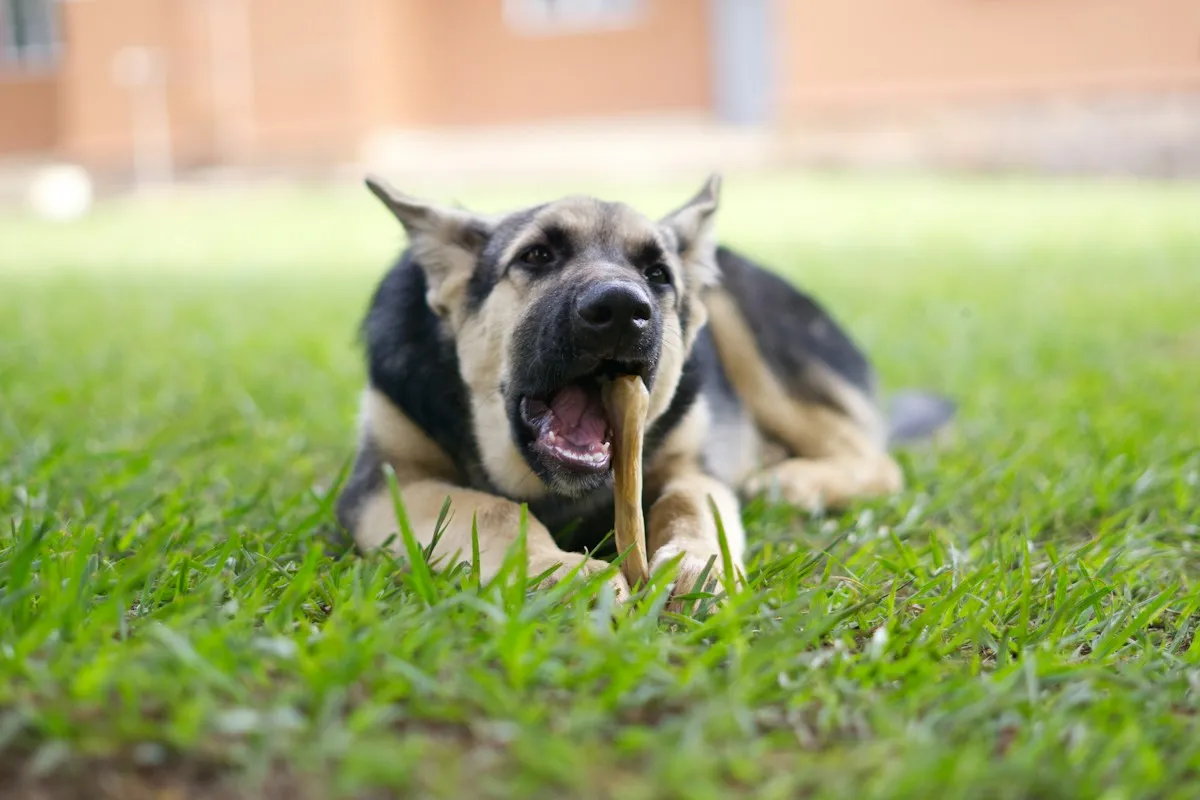
Resource guarding is when a dog uses body language or aggression to keep people or other animals away from something it values. It is a normal survival behaviour in scavenging animals: a dog that protected its food was more likely to survive. Street dogs in India often guard food from each other for this reason. Pet dogs can guard:
- Food bowls, chews, bones and stolen items such as tissues, socks or chappals
- Toys
- Resting places such as the sofa, bed or crate
- A favourite person
Signs of resource guarding
Guarding usually escalates through stages. Learn the early signals so you can step back before a bite:
- Eating faster or gulping when someone approaches
- Freezing, stiffening, or hovering over the item
- A hard stare, whale eye (showing the whites of the eyes) or turning the head away while staying over the item
- Lip lifting or a low growl
- Snapping or lunging
- Biting
A growl is a valuable warning. If a dog is punished for growling, it may learn to stop warning and bite without notice.
Why dogs guard
- Fear of losing a valued item, often learned when food or toys were repeatedly taken away
- Past scarcity, common in rescued street dogs and puppies from large litters that competed for food
- Anxiety or lack of predictable routine
- Confrontational handling, such as pulling the bowl away to “test” the dog or putting hands in the food
- Medical causes, including hunger from underfeeding, pain, or conditions that increase appetite
How To Stop Resource Guarding Safely
Step 1: Keep everyone safe
- Tell every family member, including children and house help, which items your dog guards. Never let children approach a dog that is eating or chewing.
- Do not “test” the dog by reaching into the bowl or taking things away.
- Feed your dog in a separate room or behind a gate where it can eat in peace, and pick up the empty bowl only after the dog has left.
- Give high-value chews only when the dog can finish them undisturbed, or not at all while you are working on the problem.
- If your dog guards the sofa or bed, block access for now.
- In multi-dog homes, feed dogs separately and remove toys and chews they compete over.
Step 2: Change how your dog feels about people near its food
This uses desensitisation (starting with mild versions of the trigger) and counter-conditioning (pairing the trigger with something great). Work at your dog’s pace, and only move to the next step if your dog stays relaxed: loose body, tail wagging, continuing to eat calmly.
- Stand at a distance where your dog notices you but keeps eating calmly. Toss a better treat, such as a piece of boiled chicken, towards the bowl, then walk away.
- Over many sessions, gradually start a little closer before tossing the treat.
- When your dog looks up happily as you approach, drop the treat directly into the bowl and walk away.
- Later, practise with an empty bowl: approach and add a few pieces of food, building the idea that people near the bowl bring more food.
- Apply the same idea to toys and chews, always using a higher-value item.
If your dog stops eating, stiffens, stares or growls at any point, you have gone too fast. Go back to a greater distance.
Step 3: Teach “trade” and “drop it”
- Offer a better treat in front of your dog’s nose while it holds a low-value toy. As it releases the toy, say “drop it”, give the treat, then hand the toy back. Your dog learns that giving things up is rewarded and often temporary.
- Practise “leave it” with items on the floor and reward with something better from your hand.
- If your dog grabs something dangerous, such as medicine or a chicken bone, toss tasty treats away from the dog, or ring the doorbell or pick up the lead, and remove the item once the dog moves away. Do not chase or pin the dog.
When to get professional help
See your vet and a qualified veterinary behaviourist or positive-reinforcement trainer if your dog has bitten, guards people, leaves its food to go after someone, if there are young children in the home, or if guarding is getting worse. Your vet will check for pain, hunger or other medical causes and may recommend medication alongside training. Some dogs need lifelong management, and that is fine.
Frequently Asked Questions
Should I put my hand in my puppy’s bowl so it gets used to it?
No. This old advice can create guarding. Instead, occasionally walk past and drop in a tasty extra, so your puppy learns people near the bowl are good news.
My dog growls when I try to move it off the sofa. What should I do?
Do not pull it off. Toss a treat onto the floor or call it to you for a reward, then block sofa access while you work on training.
Why does my dog howl when I play music or the pressure cooker whistles?
High-pitched, sustained sounds can trigger an instinctive howling response. It is normal and harmless if your dog settles quickly.
Why does my old dog howl at night?
Night-time howling in a senior dog may mean pain, poor vision or hearing, or cognitive decline. Book a vet check.
Will neutering stop resource guarding?
Neutering has little effect on resource guarding, which is driven mainly by fear of loss and learning.
This article is for education. If your dog has bitten someone, keep people safe and seek help from your vet and a qualified behaviour professional.
Related Articles
- Why Do Dogs Eat Poop? 7 Causes of Coprophagia and How To Stop It
- Why Is My Dog Shaking, Trembling or Panting at Night? Cold, Fear, Fever, Pain and Poisoning
- Why Does My Dog Keep Licking? Paws, Floor, Hands and Canine Compulsive Disorder
- Car Sickness in Dogs and Puppies: Signs, Training Tips and Safe Medicines (Dramamine, Meclizine and Cerenia)
References
- Berger J. Resource Guarding in Dogs. PetMD, 2023.
- PetMD. Why Do Dogs Howl? 5 Reasons To Understand Why Your Dog Is Howling.
- Jacobs JA, Coe JB, Pearl DL, et al. Factors associated with canine resource guarding behaviour in the presence of people. Applied Animal Behaviour Science, 2018;205:107–114.
- Mohan-Gibbons H, Weiss E, Slater M. Preliminary investigation of food guarding behavior in shelter dogs in the United States. Animals, 2012;2(3):331–346.
- Landsberg G, Hunthausen W, Ackerman L. Behavior Problems of the Dog and Cat, 3rd ed. Saunders Elsevier, 2013.
More on Dog Behaviour and Training
Why Do Dogs Eat Poop? 7 Causes of Coprophagia and How To Stop It
Why dogs eat poop or cow dung: instinct, worms, enzyme problems, hunger and anxiety, plus a step-by-step plan to stop it without…
Why Does My Dog Keep Licking? Paws, Floor, Hands and Canine Compulsive Disorder
Why dogs lick their paws, floors and people: allergies, yeast, ticks, nausea and compulsive licking, how to check paws, and when to…