 Written and reviewed by Dr. Vaishnavi Karmawat, B.V.Sc. & A.H., Registered Veterinary Practitioner
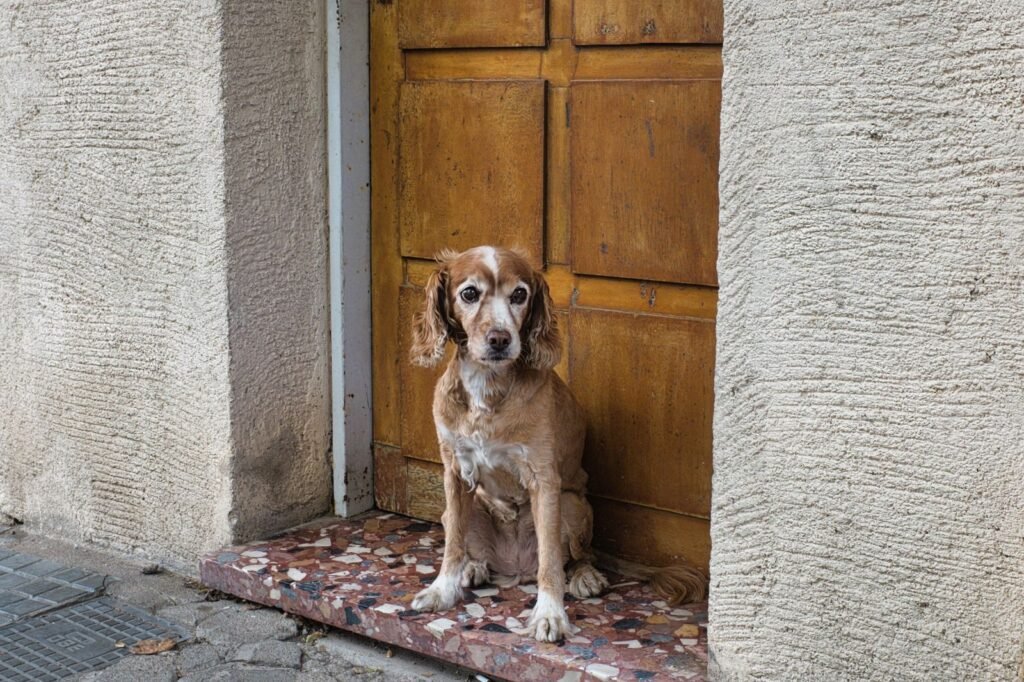
Short answer: dogs with separation anxiety panic when left alone. They howl or bark, chew doors and windows, try to escape, drool, pace, or urinate and defecate indoors, usually within the first 30 minutes of the owner leaving. It is a fear response, not spite or disobedience, so punishment makes it worse. It improves with gradual training to be alone (desensitisation), changes to daily routines, enrichment, and in many dogs anti-anxiety medication prescribed by a vet.
In this article
Key takeaways
- Separation-related problems are common after life changes: a move, new family schedules, people returning to office after working from home, rehoming, or adopting a shelter dog.
- Filming your dog when alone is the best way to confirm it. Anxious dogs show distress within minutes; bored dogs usually settle and then get into mischief later.
- Treatment means never leaving the dog alone longer than it can cope with during training, while gradually increasing alone-time from seconds to hours.
- Medicines like fluoxetine or clomipramine (daily), and trazodone or gabapentin (situational), make learning possible for many dogs. They work best alongside training.
Reading your dog’s body language
| Relaxed | Mildly stressed | Very anxious or fearful |
|---|---|---|
| Soft eyes, loose body, mouth relaxed, tail at natural height, wagging loosely | Lip-licking, yawning, turning the head away, one paw lifted, ears slightly back | “Whale eye” (white of the eye showing), ears pinned flat, tail tucked, crouching, panting, trembling, drooling, pacing, trying to escape |
Learning these early signals helps you notice anxiety before panic sets in, both during training and in daily life.
Signs of separation anxiety
- Distress as you prepare to leave: following you, panting, trembling, hiding when you pick up keys or shoes
- Howling, barking or whining soon after you leave (neighbours often notice)
- Destruction focused on exit points: doors, door frames, windows, crates. Broken teeth and torn nails from escape attempts.
- Urinating or defecating indoors only when alone, in a house-trained dog
- Drooling, pacing in fixed patterns, refusing food or chews while alone
- An over-the-top greeting when you return
What else could it be?
- Boredom or under-stimulation: chewing random items, often later in the absence, with a relaxed dog on video.
- Incomplete house training, or a medical cause of indoor accidents (urinary infection, diabetes, kidney disease).
- Noise fear: firecrackers, construction, thunder while you are out.
- Cognitive dysfunction (“dog dementia”) in seniors.
- Pain, which lowers tolerance and increases anxiety.
A vet check rules out medical causes before behaviour treatment starts.
Treatment plan step by step
1. Stop the panic episodes
Each time your dog panics alone, the fear grows. While training, arrange for your dog not to be left beyond its limit: a family member at home, a trusted neighbour, a dog sitter or daycare, taking the dog to work, or shorter absences.
2. Gradual desensitisation
- Film your dog to find how long it stays calm alone (it may be only 10–30 seconds).
- Practise leaving for less than that limit, step out and come back before signs of stress appear.
- Increase the duration very slowly (for example by a few seconds, then minutes), mixing short and longer absences. Sessions of 20–30 minutes, several days a week.
- If your dog shows stress, go back to an easier step.
- Progress is not linear. Building to several hours often takes weeks to months.
3. Change departure cues
Dogs learn that keys, shoes, bags and helmets mean “alone”. Pick up keys and sit down; put on shoes and watch TV, many times a day, until these cues stop triggering anxiety.
4. Calm departures and returns
- Keep goodbyes and greetings low-key. Wait until your dog is calm before greeting it.
- Never punish mess or damage found on return. The dog cannot link it to the earlier panic, and punishment increases anxiety.
5. Enrichment and exercise
- A good walk with sniffing time before you leave
- Long-lasting food puzzles (stuffed rubber toys with frozen curd, mashed pumpkin or soaked kibble), snuffle mats, chews
- A safe, comfortable “den” area: some dogs prefer a crate, but crate-panic dogs can injure themselves. Use a gated room instead.
- Background sounds (radio, white noise), curtains drawn against street triggers
- Training games and mental work daily
6. Medication
| Medicine | Use | Typical dose (vet prescription) |
|---|---|---|
| Fluoxetine | Daily SSRI anti-anxiety medicine; takes 4–6 weeks for full effect | About 1–2 mg/kg once daily |
| Clomipramine | Daily tricyclic anti-anxiety medicine | About 1–2 mg/kg twice daily |
| Trazodone | Situational, before absences or events | About 3–7 mg/kg, 1–2 hours before. See gabapentin and trazodone |
| Gabapentin | Situational calming | Dose set by vet |
Never combine these yourself, and never use human anxiety or sleeping pills. Some combinations cause serotonin syndrome. Pheromone diffusers and calming supplements (L-theanine, alpha-casozepine) may help mild cases.
Preventing separation anxiety in puppies and new dogs
- Teach short, positive alone-time from the first days: a chew in a safe area while you are in another room.
- Build independence gradually; avoid a dog being with someone 24 hours a day for weeks and then suddenly alone for 8 hours.
- Keep routines predictable when life changes (a new job or school schedule).
- Socialise puppies gently and avoid frightening experiences.
Frequently asked questions
Will getting a second dog cure separation anxiety?
Usually not. Most dogs with separation anxiety are attached to people, not just company. Some are helped by another dog, but you may end up with two anxious dogs. Try borrowing a friend’s calm dog first.
Is crate training good for separation anxiety?
Only if your dog already sees the crate as a safe, relaxing place. Dogs that panic in crates can break teeth and nails trying to escape. A gated room is often better.
How long does treatment take?
Many dogs show progress within weeks, but reaching full workdays alone can take several months. Medication can speed learning.
My dog only howls for a few minutes after I leave. Is that separation anxiety?
Brief vocalising that settles within a few minutes, with a relaxed dog afterwards, is usually mild. Continued howling, drooling or destruction suggests true anxiety. A video will tell you.
When to call a vet
Talk to your vet if your dog injures itself, destroys exits, has accidents only when alone, or if neighbours complain of hours of barking. Ask about referral to a veterinary behaviourist or certified trainer using reward-based methods. For festival noise fear, see Diwali firecracker safety.
Related Articles
- Puppy Potty Training Problems: Causes and How To Fix Them
- Why Do Dogs Eat Grass, Mud, Stones or Wall Plaster? Pica, Worms, Anaemia and Safe Fixes
References
- Lund JD, Jørgensen MC. Behaviour patterns and time course of activity in dogs with separation problems. Appl Anim Behav Sci 1999.
- Simpson BS, et al. Effects of reconcile (fluoxetine) chewable tablets plus behavior management for canine separation anxiety. Vet Ther 2007.
- King JN, et al. Treatment of separation anxiety in dogs with clomipramine. Appl Anim Behav Sci 2000.
- de Assis LS, et al. Developing diagnostic frameworks in veterinary behavioral medicine: disambiguating separation related problems in dogs. Front Vet Sci 2020.
- Overall KL. Manual of Clinical Behavioral Medicine for Dogs and Cats. Elsevier, 2013.
More on Dog Behaviour and Training
Car Sickness in Dogs and Puppies: Signs, Training Tips and Safe Medicines (Dramamine, Meclizine and Cerenia)
Why dogs get car sick, motion sickness vs travel anxiety, feeding and training tips, and which travel sickness medicines are safe for…
Why Do Dogs Eat Grass, Mud, Stones or Wall Plaster? Pica, Worms, Anaemia and Safe Fixes
Why do dogs eat grass, mud or wall plaster? Pica and its links to anaemia, worms and diet, the risks, tests and…