 Written and reviewed by Dr. Vaishnavi Karmawat, B.V.Sc. & A.H., Registered Veterinary Practitioner
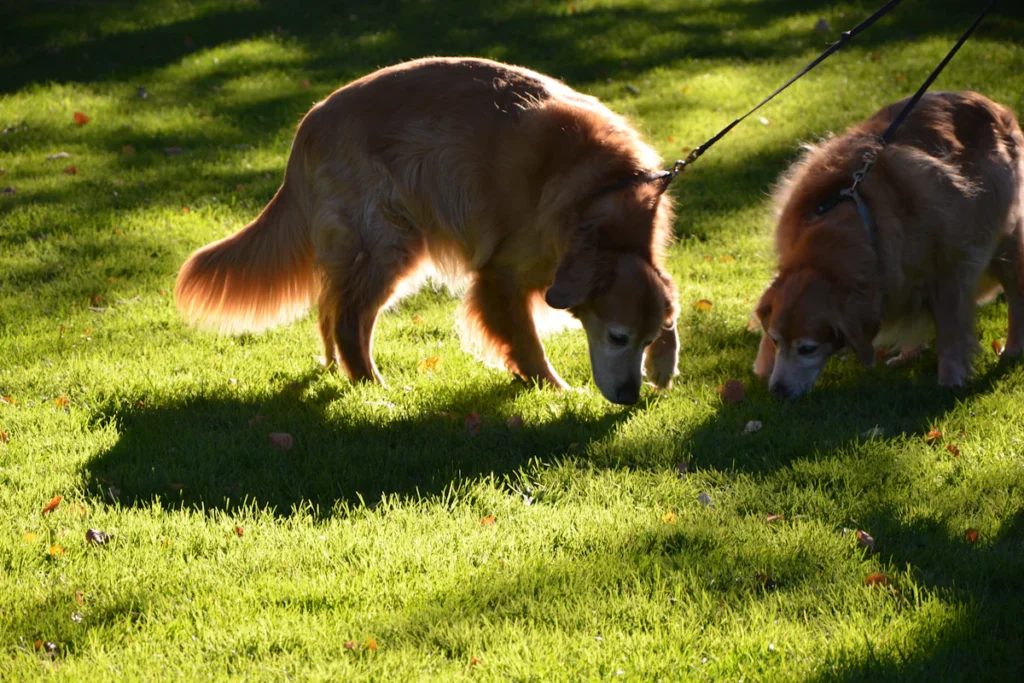
Short answer: eating a little grass is common and usually normal in healthy dogs. In a large owner survey, about 8 in 10 dogs ate plants, fewer than 1 in 10 seemed ill beforehand, and only about 1 in 4 vomited afterwards, so the old idea that dogs eat grass “to make themselves sick” is mostly a myth. Eating mud, soil, wall plaster, chalk, stones or cloth (pica) is different. It is often linked to anaemia (for example after tick fever or hookworms), worms, an unbalanced diet, boredom or anxiety, and can cause blockages, so it deserves a vet check.
In this article
Key takeaways
- Grass-eating is probably an inherited scavenging behaviour (wild dogs and wolves eat plant matter). Most grass-eaters are healthy.
- Watch for warning signs: sudden frantic grass-eating, repeated vomiting, weight loss, diarrhoea, or eating grass only when unwell.
- Pica (soil, plaster, stones, fabric) can signal anaemia, parasites, nutritional imbalance, liver shunts in young dogs, or behaviour problems.
- Risks include pesticides and fertilisers on lawns, worm eggs and parvovirus in soil, sharp grass awns, and intestinal blockage from stones or cloth.
Why dogs eat grass
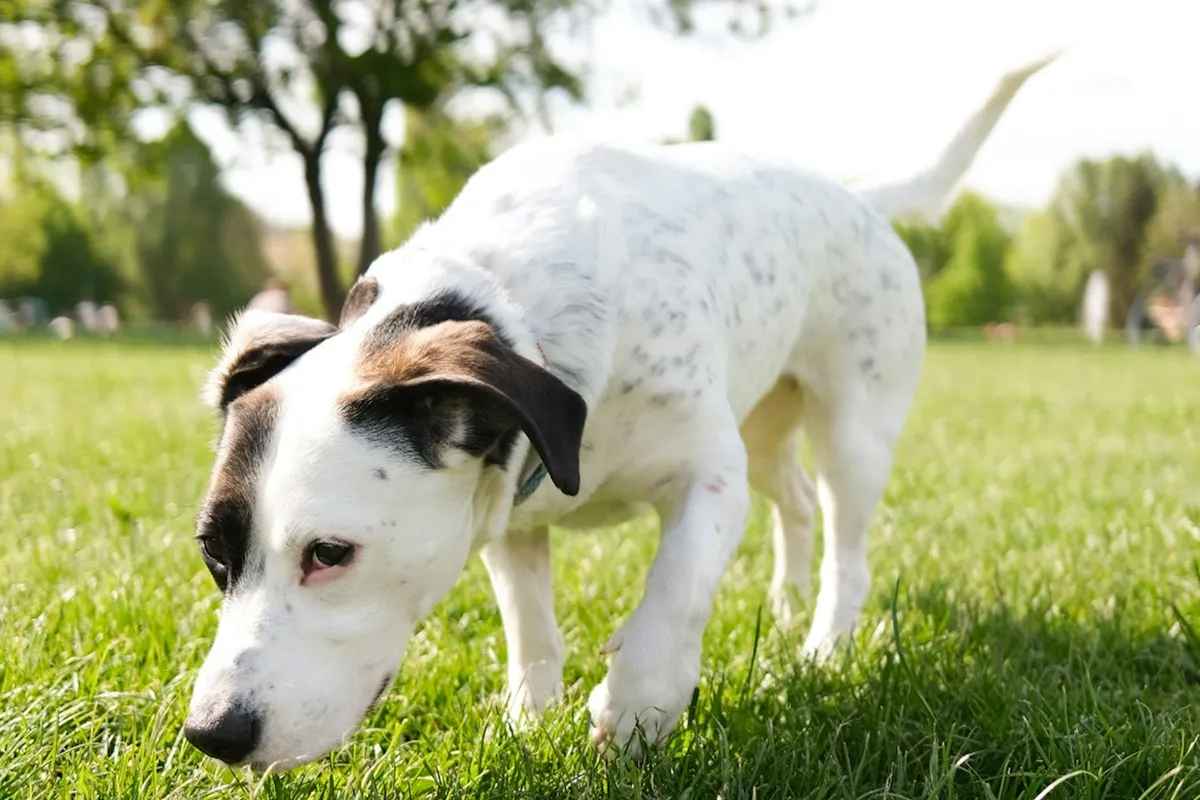
- Evolutionary behaviour: wild canids eat plant material and the stomach contents of prey; studies of wolf scat show plant matter in a small proportion of samples.
- Taste and texture: many dogs prefer fresh, tender spring or monsoon grass.
- Hunger or a low-fibre diet: some dogs eat more grass before meals; in one report, switching to a high-fibre diet stopped a dog’s grass-eating and vomiting.
- Boredom or attention-seeking: especially in young dogs with little exercise.
- Nausea or stomach upset: in a minority of dogs, alongside gulping, lip-licking or swallowing.
What is pica?
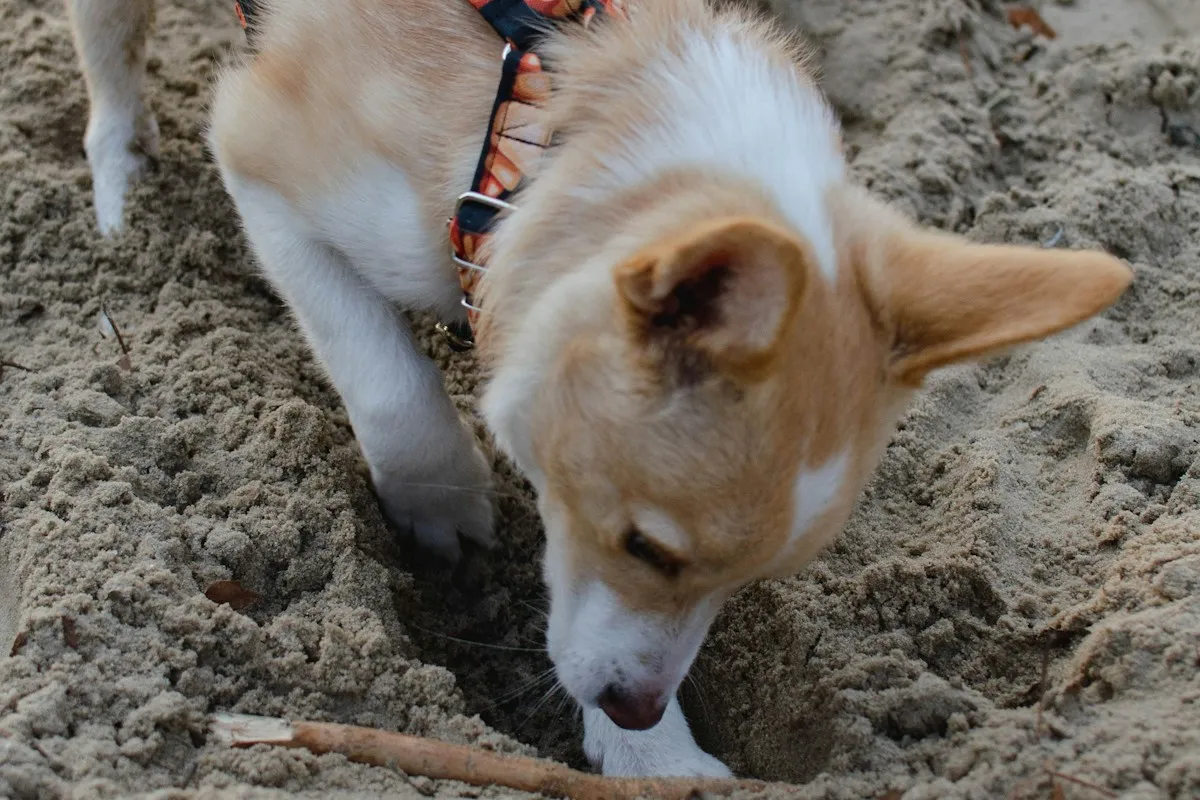
Pica means repeatedly eating non-food items. In Indian homes the usual targets are soil from plant pots, mud, wall plaster or lime (chuna), chalk, bricks, stones, charcoal, paper, socks and cloth.
| Possible cause | Clues | Tests |
|---|---|---|
| Anaemia (tick fever, hookworms, blood loss, immune disease) | Pale gums, weakness, fast breathing, licking walls and floors | CBC, blood smear, tick-borne disease tests, stool test |
| Intestinal worms | Pot belly, diarrhoea, poor growth (puppies) | Stool flotation |
| Unbalanced diet | Home diets of only roti, rice and milk; low protein, minerals or fibre | Diet review |
| Gastrointestinal disease (IBD, pancreatic insufficiency) | Chronic diarrhoea or vomiting, weight loss despite eating | Bloodwork, TLI, ultrasound |
| Liver shunt (portosystemic shunt) in young dogs | Small size, odd behaviour after meals, head pressing | Bile acids, ammonia, ultrasound |
| Hormonal or drug causes | Diabetes, Cushing’s, steroid treatment (increased hunger) | Bloodwork; see diabetes and Cushing’s |
| Behaviour | Puppy teething, boredom, anxiety, compulsive disorder; attention when chewing | History, video, behaviour assessment |
Risks
- Lawn chemicals: pesticides, herbicides and fertilisers in parks, gardens and roadsides.
- Infections: soil can contain roundworm and hookworm eggs, coccidia, Giardia and parvovirus. See worms in dogs and parvovirus.
- Grass awns (seed heads) can lodge in the nose, throat, ears and between toes in summer.
- Blockage: stones, plaster lumps, cloth and large amounts of grass can obstruct the intestine. See dog swallowed an object.
- Toxic plants: oleander (kaner), sago palm, lilies (cats), dieffenbachia and others in Indian gardens.
- Lead from old paint flakes, and zinc from some metal objects.
What to do
- Check your dog’s gums: pale, white or yellow gums need a vet the same day.
- Note what is eaten, how often, and any vomiting, diarrhoea, weight loss or behaviour change.
- Book a vet visit for persistent pica: CBC, tick-fever screen, stool test, and blood chemistry are a good starting set.
- Deworm on schedule and use monthly tick control.
- Feed a complete, balanced diet with enough protein and fibre. See what to feed your dog in India.
- Increase exercise, sniff walks, food puzzles and safe chews.
- Block access to plant pots and damaged walls; walk on a leash in chemically treated areas.
- Offer a safe dog grass patch (untreated wheatgrass or oat grass) for dogs that love grazing.
Avoid giving calcium or mineral supplements on guesswork; excess calcium is harmful, especially to large-breed puppies.
Eating poop (coprophagia)
Eating faeces is common, especially in puppies, and is often normal behaviour learned from the mother, who cleans her litter this way. It still needs attention because it spreads worms, Giardia and parvovirus.
- Medical causes to rule out: worms, malabsorption or exocrine pancreatic insufficiency (the dog is always hungry and passes large, pale stools), diabetes, Cushing’s disease and medicines such as steroids that raise appetite.
- Behavioural causes: boredom, too little exercise, stress, and dogs that were punished for toilet accidents and learned to “hide the evidence”.
- Eating cat litter-box stool is very common because cat food is rich in protein and fat. Place the litter tray where the dog cannot reach it.
- What helps: pick up stool immediately, take the dog out on a lead and reward it for coming to you after it toilets, give a complete diet and enough exercise, and keep up a regular deworming schedule. Taste-deterrent additives work for some dogs only.
Frequently asked questions
Should I stop my dog from eating grass?
Occasional grazing on untreated grass is fine. Stop access to sprayed lawns and roadsides, and see a vet if grass-eating becomes frantic, frequent, or comes with vomiting or weight loss.
Why does my dog eat grass and then vomit?
Sometimes a dog with an upset stomach eats grass, and grass can irritate the stomach. If it happens more than once or twice a week, see a vet. See dog vomit colour guide.
My puppy eats mud and stones. Is that normal?
Mouthing is normal in puppies, but regular swallowing of mud or stones is not. Deworm, check for anaemia, provide chew toys, and supervise closely; stones can cause blockages.
Can cats eat grass?
Many cats eat grass and may vomit hairballs afterwards. Offer cat grass and keep toxic plants, especially lilies, away from cats.
When to call a vet
Go the same day for pale gums, weakness, repeated vomiting, a painful belly, or if your dog swallowed stones, cloth or a toxic plant. Book a check for any persistent pica.
Related Articles
- Why Is My Dog Coughing (Khansi)? Kennel Cough vs Heart Cough vs Tracheal Collapse vs Throat Blockage, and Safe Steam Care
- Dog Seizures (Mirgi / Fits) First Aid Guide in India: What To Do During a Fit, Distemper vs Epilepsy and Safe Anti-Seizure Care
- Dog Pooping Blood in India: Red Blood (Hematochezia) vs Black Tarry Stool (Melena), Causes and When To See a Vet
- Bloody Diarrhoea in Dogs (Raspberry Jam Stool): Colitis vs Hookworms vs Parvo vs AHDS in Indian Dogs
References
- Sueda KLC, Hart BL, Cliff KD. Characterisation of plant eating in dogs. Appl Anim Behav Sci 2008;111:120–132.
- Bjone SJ, et al. Influence of dietary fibre on grass eating in dogs. Recent Adv Anim Nutr Aust 2007.
- Merck Veterinary Manual: Pica in dogs and cats; Anemia in small animals.
- Overall KL. Manual of Clinical Behavioral Medicine for Dogs and Cats. Elsevier, 2013.
More on Dog Behaviour and Training

Car Sickness in Dogs and Puppies: Signs, Training Tips and Safe Medicines (Dramamine, Meclizine and Cerenia)
Why dogs get car sick, motion sickness vs travel anxiety, feeding and training tips, and which travel sickness medicines are safe for…

Diwali Firecracker Anxiety in Dogs: How To Keep Your Dog Calm
Is your dog scared of Diwali crackers? Learn vet-approved ways to calm dogs and cats, set up a safe room, spot panic…