 Written and reviewed by Dr. Vaishnavi Karmawat, B.V.Sc. & A.H., Registered Veterinary Practitioner
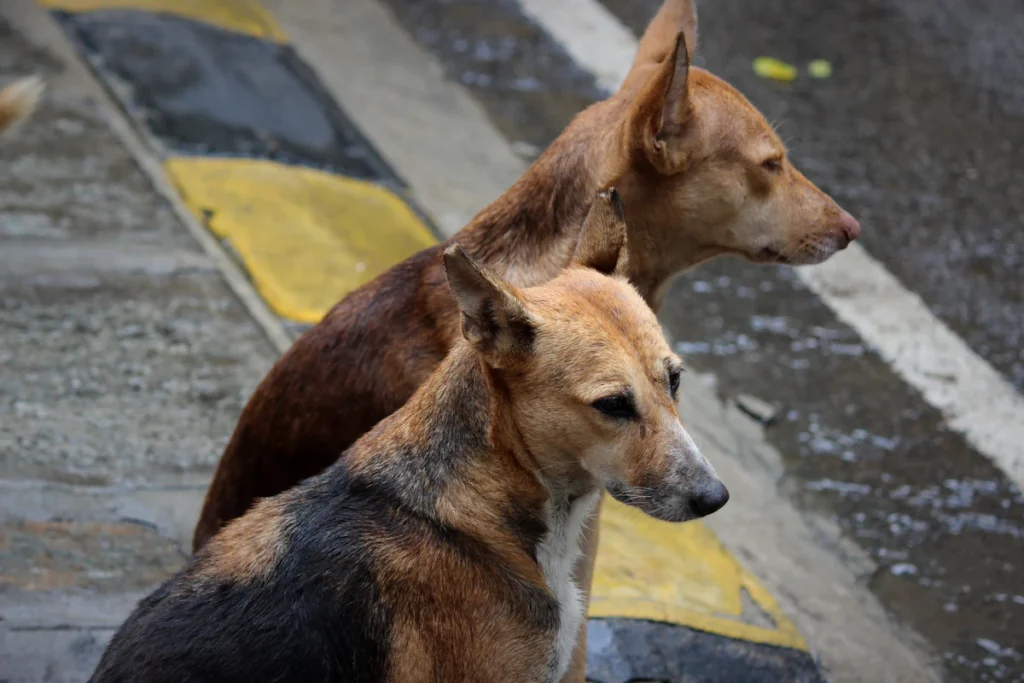
Short answer: India’s most popular pet dogs are the Labrador Retriever, Indie (Indian pariah) dog, Golden Retriever, German Shepherd, Shih Tzu, Beagle, Pug, Pomeranian, Lhasa Apso and Rottweiler. Every breed has typical health risks and climate needs. For most Indian homes, especially in hot plains, the Indie dog is the hardiest and lowest-maintenance choice. Popular foreign breeds can thrive too, if you plan for their specific problems: heat stress in flat-faced and thick-coated breeds, hip dysplasia in large breeds, back problems in long-bodied dogs, and obesity in Labradors and Beagles.
In this article
Key takeaways
- Choose a breed for your climate, space, time and budget, not just looks.
- Know the common inherited problems of your breed, and buy only from breeders who health-screen parents, or adopt.
- Flat-faced (brachycephalic) breeds like Pugs and Shih Tzus are at high risk of heat stroke and breathing problems in Indian summers.
- Large breeds need a large-breed puppy diet and controlled growth to reduce hip and elbow dysplasia.
Popular breeds in India: health and climate guide
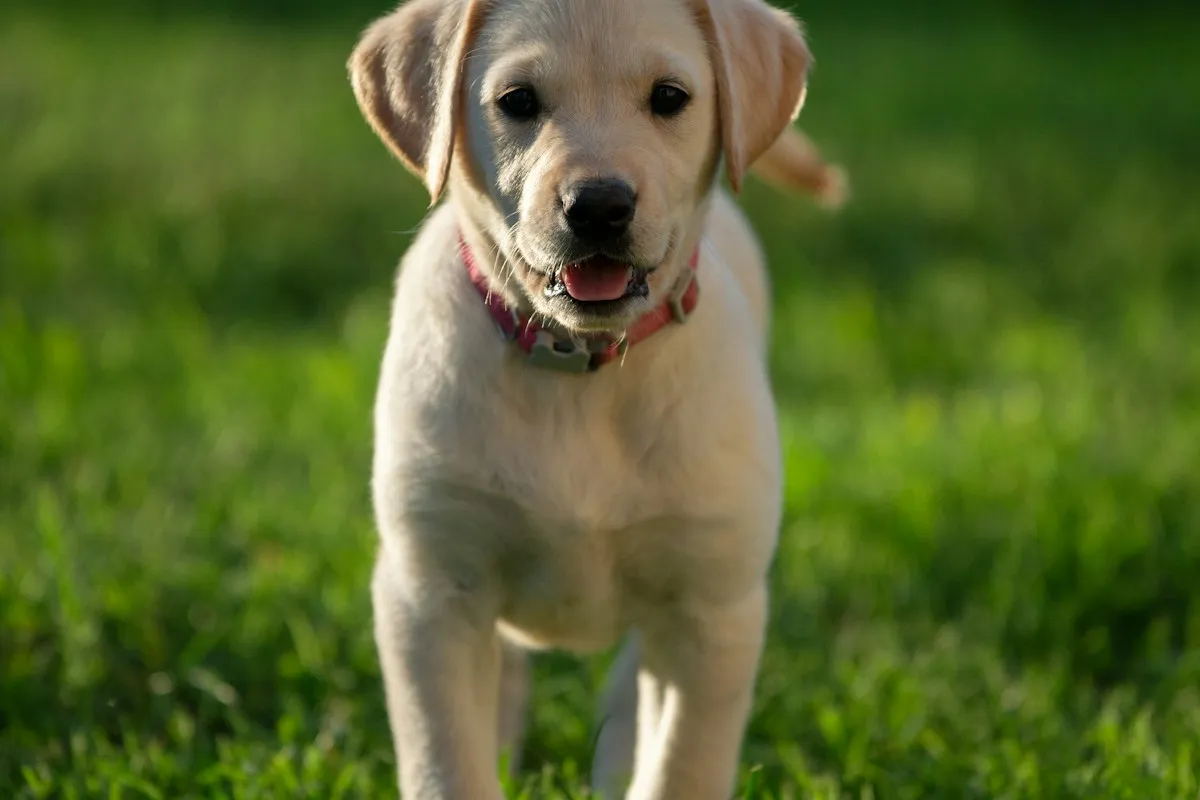
| Breed | Heat tolerance | Common health problems | Care tips |
|---|---|---|---|
| Indian Indie (pariah) | Excellent | Few inherited problems; tick fever, mange and worms if unprotected | Vaccines, deworming, tick control; lots of exercise and mental work |
| Labrador Retriever | Moderate | Obesity, hip and elbow dysplasia, ear infections, skin allergies, cruciate ligament injury | Strict portion control; swimming and walks in cool hours |
| Golden Retriever | Moderate to poor (thick coat) | Hip and elbow dysplasia, skin allergies, ear infections, cancer (lymphoma, haemangiosarcoma), hypothyroidism | Regular brushing; keep cool; do not shave to the skin |
| German Shepherd | Moderate | Hip and elbow dysplasia, degenerative myelopathy, perianal fistulas, bloat, skin allergies | Joint-friendly growth; training and work |
| Shih Tzu, Lhasa Apso | Poor to moderate | Breathing problems (Shih Tzu), eye injuries and dry eye, dental disease, ear and skin infections | Short summer clip; eye and dental care; AC in peak heat |
| Pug | Very poor | Brachycephalic airway syndrome, heat stroke, eye ulcers, skin-fold infections, obesity, spinal problems | Never exercise in heat; harness not collar; keep lean; AC or cooler in summer |
| Beagle | Good | Obesity, ear infections, epilepsy, hypothyroidism, disc disease | Food-motivated: control treats; secure fences (scent hounds wander) |
| Pomeranian | Moderate | Collapsing trachea, luxating patella, dental disease, alopecia (“black skin disease”) | Harness; dental care |
| Rottweiler | Moderate | Hip and elbow dysplasia, cruciate ligament rupture, bone cancer (osteosarcoma), heart disease | Early socialisation and training; joint-friendly growth |
| Dachshund | Moderate | Intervertebral disc disease (IVDD), obesity, dental disease | Ramps; no jumping off furniture; keep lean |
| Siberian Husky, Saint Bernard | Very poor in plains | Heat stroke; huskies prone to eye and zinc-responsive skin disease | Not recommended without full-time cooling |
Indian native breeds
- Indie / Indian pariah dog: ancient landrace adapted to Indian conditions; intelligent, alert, loyal; easy to groom.
- Rajapalayam, Chippiparai, Kombai (Tamil Nadu) and Mudhol Hound (Karnataka): sighthounds and guardians; need space and exercise.
- Rampur Hound, Kanni, Gaddi, Himalayan Sheepdog: working breeds with specific needs; some suited to cooler regions.
- Native breeds generally tolerate heat well, but still need vaccines, tick control and good nutrition.
Common breed-related problems explained
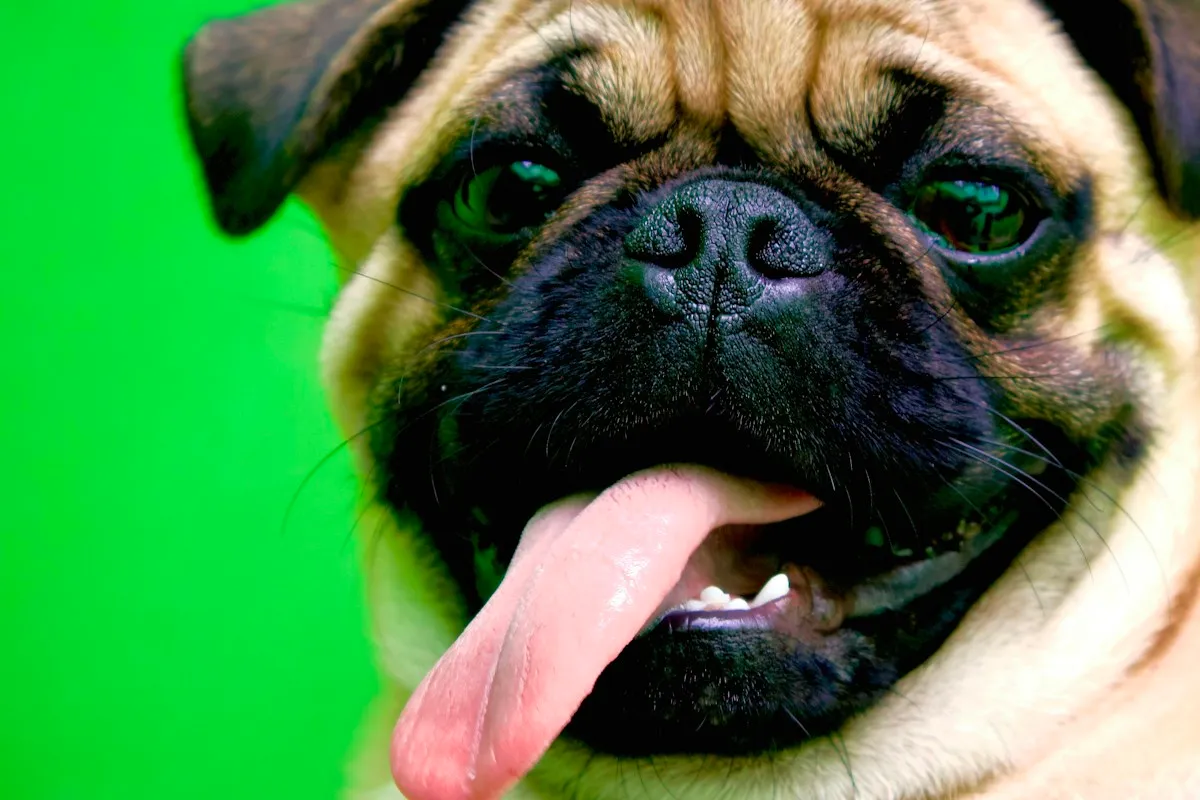
Hip and elbow dysplasia
Abnormal development of the hip or elbow joints causes looseness, pain and early arthritis, mainly in large breeds. Risk is partly genetic and partly environmental: rapid growth, overfeeding, too much calcium and obesity worsen it. Breeding dogs should have hip and elbow X-ray scores. Puppies need a large-breed puppy food, lean body condition, and controlled exercise.
Brachycephalic obstructive airway syndrome (BOAS)
Pugs, Bulldogs, French Bulldogs, Shih Tzus and Boxers have narrow nostrils, a long soft palate and a narrow windpipe. They snore, struggle with exercise, overheat easily, and may collapse. Keeping them lean and cool is essential; surgery to widen the nostrils and shorten the palate helps moderately to severely affected dogs.
Intervertebral disc disease (IVDD)
Dachshunds, Beagles, Shih Tzus, Lhasa Apsos and French Bulldogs are prone to disc herniation, which causes back pain or sudden paralysis. Any back pain or wobbly hind legs is an emergency.
Allergies and ear problems
Labradors, Goldens, German Shepherds, Shih Tzus and Pugs are prone to atopic dermatitis and ear infections, worsened by the Indian monsoon. See itchy skin and ear infections.
Choosing responsibly
- Adopt an Indie or a rescued pedigree dog from a shelter or rescue group.
- If buying, see the mother and the place where puppies are raised; ask for vaccination and deworming records, and health screening of parents (hip and elbow scores, eye tests).
- Avoid puppies sold very young (under 8 weeks), from pet shops, or with “teacup” claims.
- Check whether your housing society has rules on breeds and size.
- Budget for food, vaccines, deworming, tick control, grooming, and emergencies, for 10–15 years.
Frequently asked questions
Which dog breed is best for a hot Indian city?
The Indie dog. Among foreign breeds, short-coated, medium-sized dogs like Beagles or lean Labradors cope better than flat-faced or thick-coated breeds.
Which breeds are best for apartments?
Indies, Beagles, Shih Tzus, Lhasa Apsos and Pugs adapt to flats if they get enough daily walks and mental activity. Large working breeds need more space and exercise.
Do Indie dogs need vaccines and tick control?
Yes. Indies are hardy but still get parvo, distemper, rabies, tick fever and mange. Follow the vaccination schedule.
What food suits large-breed puppies?
A complete large-breed puppy diet with controlled calcium and energy, fed to keep a lean body. Avoid calcium supplements on top. See how to choose dog food in India.
When to call a vet
Book a health check within a week of bringing a new dog home, and ask your vet about breed-specific screening (hips, eyes, heart, thyroid) and preventive care.
Related Articles
- Vanaraja vs Gramapriya vs Kadaknath: Which Breed Is Most Profitable?
- Best Tick and Flea Control for Dogs and Cats in India: Tablets vs Spot-On vs Collars, and a Home Protocol
- Heat Signs in Cows and Buffaloes: Best Time for AI
- Dog Heat Cycle and Pregnancy Guide: 63-Day Timeline, Diet, Whelping Box and When to Call the Vet
References
- O’Neill DG, et al. Prevalence of disorders recorded in dogs attending primary-care veterinary practices in England. PLoS One 2014.
- Packer RMA, et al. Impact of facial conformation on canine health: brachycephalic obstructive airway syndrome. PLoS One 2015.
- Smith GK, et al. Lifelong diet restriction and radiographic evidence of osteoarthritis of the hip joint in dogs. J Am Vet Med Assoc 2006.
- Bellumori TP, et al. Prevalence of inherited disorders among mixed-breed and purebred dogs. J Am Vet Med Assoc 2013.
More on Dogs
Vomiting and Acidity Medicines for Dogs and Cats: Maropitant (Cerenia), Ondansetron, Pantoprazole and Famotidine
How vets use maropitant, ondansetron, famotidine and pantoprazole for vomiting and acidity in dogs and cats, and why diagnosis must come first.
Bravecto vs Simparica vs NexGard for Dogs: Tick and Flea Tablets, Weight Charts, Fake Tablet Checks and Seizure Precautions
Bravecto vs Simparica vs NexGard: how each kills ticks and fleas, how long it lasts, weight bands, seizure precautions and spotting fake…