 Written and reviewed by Dr. Vaishnavi Karmawat, B.V.Sc. & A.H., Registered Veterinary Practitioner
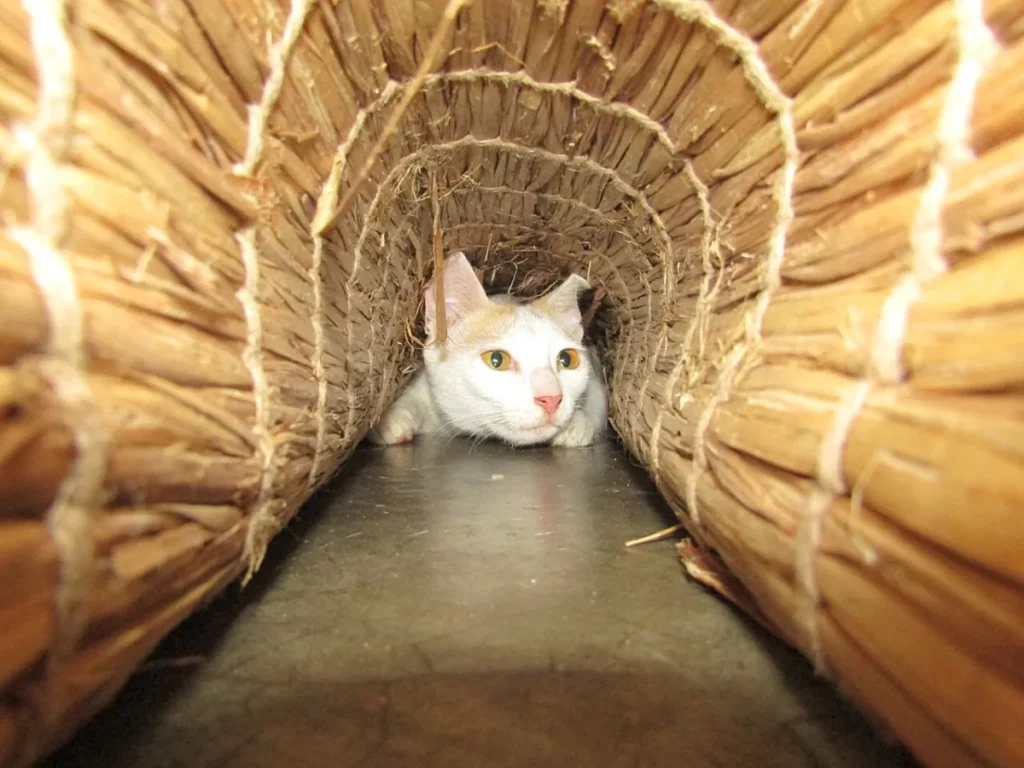
- Cats hide pain by instinct, so the signs are usually small changes in behaviour, posture and face, not crying or limping.
- Watch for hiding, sleeping more, not jumping, a hunched posture, squinted eyes, flattened ears, poor grooming and accidents outside the litter box.
- Purring does not always mean a cat is happy; cats also purr when hurt, frightened or very ill.
- Never give a cat paracetamol (Crocin, Dolo), ibuprofen, aspirin or diclofenac. Paracetamol can kill a cat even in a small dose.
- Panting, crying in the litter box, or a male cat straining to pee are emergencies.
Cats are both predators and prey animals. In the wild, a cat that looks weak is a target, so cats have evolved to hide pain extremely well. Many owners only realise their cat was hurting after the problem is treated and the cat suddenly starts jumping and playing again. Long-lasting pain is very common in cats: studies using X-rays have found signs of arthritis in the majority of cats over 12 years old, yet only a small number are ever diagnosed. This guide helps Indian cat parents spot the subtle signs of pain, understand what may be causing it, and learn why many human pain medicines are dangerous for cats.
In this article
Go to a vet now if your cat is panting or breathing with an open mouth at rest, crying or straining in the litter box (especially a male cat), cannot use the back legs, has had a fall or road accident, or is hiding and refusing food and water.
Why cats hide pain
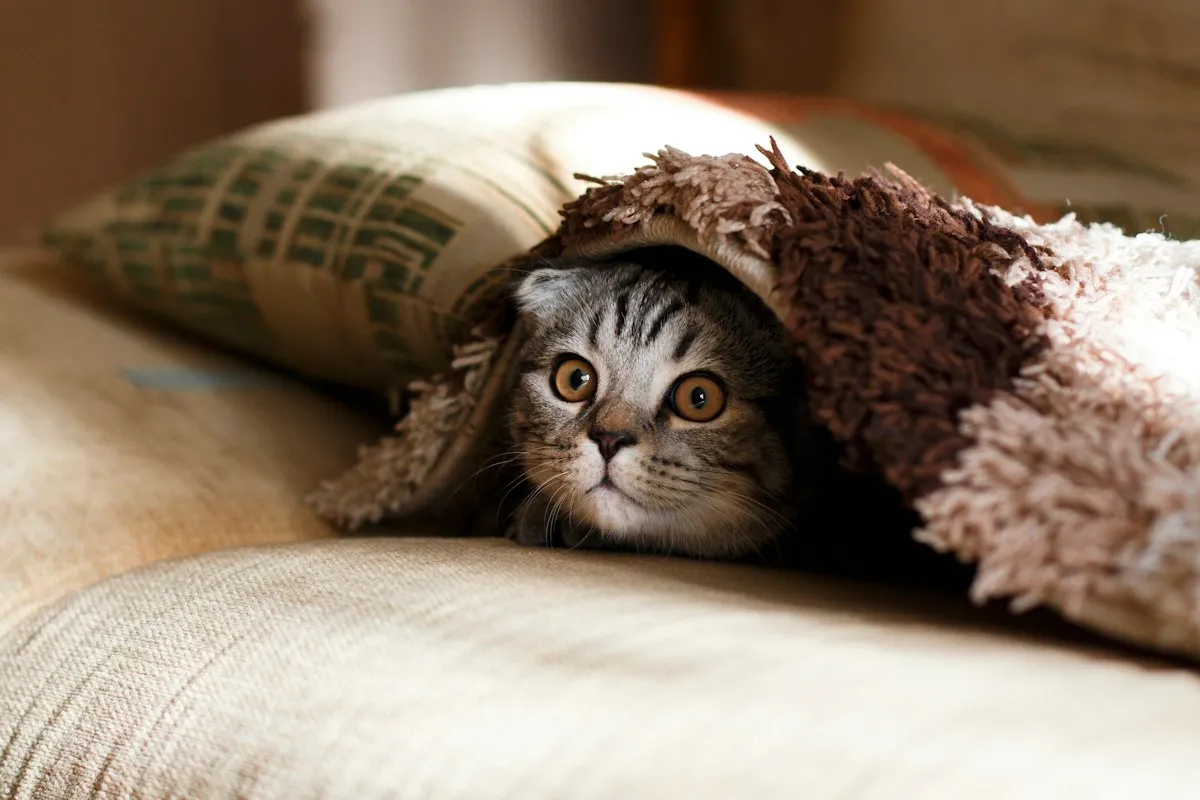
- Survival instinct: showing weakness attracted predators and rivals.
- Solitary nature: cats do not rely on a group to look after them, so they tend to withdraw and wait rather than ask for help.
- Slow, gradual pain such as arthritis or dental disease creeps up so slowly that cats adapt by doing less, and owners put the changes down to “old age”.
8 subtle signs your cat may be in pain
1. Changes in activity
- Sleeping more, or sleeping in unusual places
- Reluctance to jump onto beds, sofas, windowsills or counters; using a chair as a step instead
- Taking stairs slowly, or avoiding them
- Restlessness: getting up, turning around and lying down repeatedly
- Less play and less interest in hunting toys
2. Hiding and withdrawal
- Hiding under beds, in cupboards or behind furniture
- Not coming to greet you, or avoiding other pets and family members
- Wanting to be left alone
3. Changes in grooming
- A scruffy, greasy or matted coat, especially along the back and hips, because twisting to groom hurts
- Dandruff along the spine
- Or the opposite: over-licking one area (a sore joint, the belly, the bladder area), sometimes causing bald patches
4. Litter box changes
- Peeing or pooping just outside the box, because climbing over a high side hurts
- Straining, crying or going back to the box often (urinary problems or constipation). In a male cat, straining with little or no urine is an emergency. See cat peeing outside the litter box.
5. Eating and drinking
- Eating less or more slowly, chewing on one side, dropping food, or wanting only soft food (often dental pain)
- Weight loss
- Drinking less
6. Sounds
- Hissing, growling or crying when touched in a certain place or when picked up
- More meowing, especially at night
- Purring while unwell. Cats purr to soothe themselves when hurt, frightened or even dying, as well as when content.
7. Temper changes
- A friendly cat that becomes irritable, swats or bites when stroked or lifted
- Avoiding being held
8. Posture and face
- A hunched, crouched position with feet tucked under and the head held low
- Sitting tense, rather than lying stretched out on the side
- Lying with the belly tucked, or “loafing” with the head down
- Squinting or half-closed eyes
- Ears flattened or rotated outwards
- Tense muzzle and whiskers pulled straight back or forward
- Panting (always abnormal in a cat at rest)
The Feline Grimace Scale
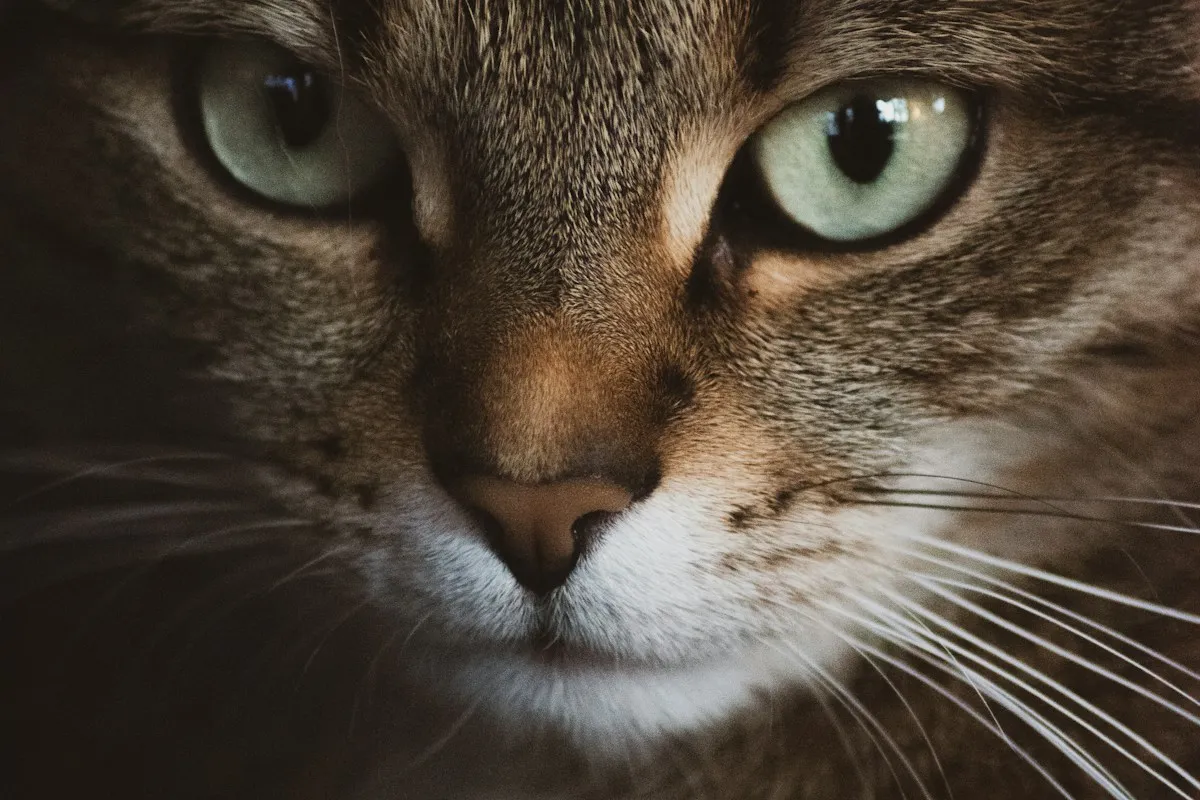
Veterinary researchers at the University of Montreal developed the Feline Grimace Scale, a validated tool that scores five areas of the face: ear position, how open the eyes are, tension around the muzzle, whisker position and head position. A relaxed cat has rounded eyes, ears facing forward, a soft muzzle and loose whiskers. A cat in pain tends to have narrowed eyes, ears pulled apart and flattened, a tense, elliptical muzzle, whiskers straight and stiff, and the head held below the shoulders. Vets use it to judge pain and response to pain relief, and owners can learn the basics from photos of their own cat when relaxed.
Tip: take a short phone video of your cat walking, jumping and resting at home. Cats often freeze or hide at the clinic, so a video gives your vet a far better picture.
Common causes of pain in cats
- Arthritis and degenerative joint disease, especially in elbows, hips, knees and spine of cats over 8 years
- Dental disease: tooth resorption (painful holes in teeth), gum inflammation and broken teeth
- Urinary problems: cystitis, bladder stones and blockage. See cat peeing outside the litter box.
- Injuries: falls from balconies and terraces (“high-rise syndrome”, common in Indian apartment buildings), bite wounds and road accidents
- Abscesses from fights, especially in unneutered males
- Abdominal pain: pancreatitis, constipation, swallowed string, kidney infection
- Ear infections and eye problems such as corneal ulcers
- Cancer in older cats
- After surgery, including spay and neuter. Good pain relief speeds recovery.
What your vet will do
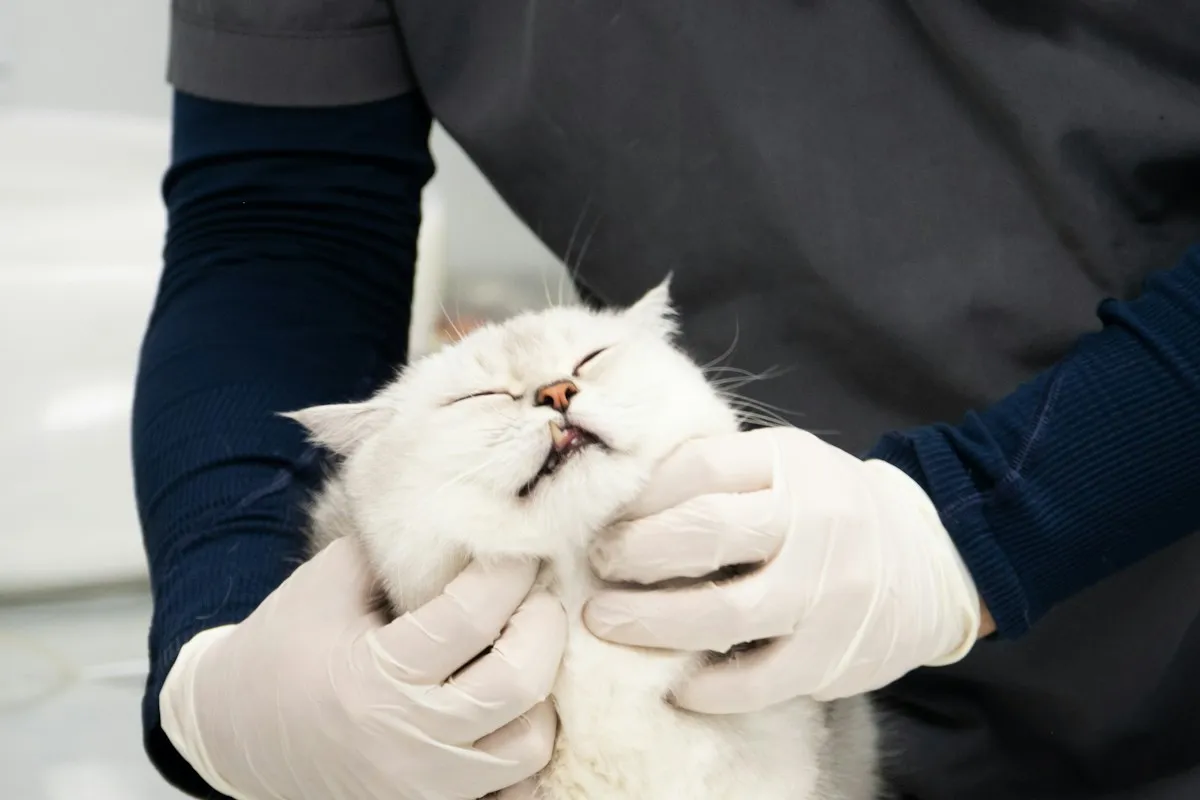
- A careful history, including your observations and videos
- Gentle full examination, including the mouth, joints and spine, belly, bladder and ears
- Pain scoring, often using the Feline Grimace Scale or a validated pain scale
- Tests as needed: blood and urine tests (to check kidney and liver function before long-term pain medicine), X-rays of joints or spine, dental X-rays under anaesthesia, and abdominal ultrasound
- A treatment plan for the cause and for pain itself
How vets treat pain in cats
Cats lack some of the liver enzymes (especially glucuronidation pathways) that people and dogs use to break down many drugs. That is why medicines that are safe for humans can be deadly for cats, and why cat pain relief must be prescribed by a vet.
- Cat-specific anti-inflammatory drugs (NSAIDs) such as meloxicam or robenacoxib, at carefully calculated doses and with kidney checks for long-term use
- Opioid pain relievers such as buprenorphine after injury or surgery
- Gabapentin for chronic and nerve pain, and to reduce stress before vet visits
- Anti-NGF monoclonal antibody injections for arthritis pain (frunevetmab, where available)
- Joint supplements such as omega-3 fatty acids, and joint-support diets
- Weight loss for overweight cats, which significantly reduces joint load
- Physical therapy, laser therapy and acupuncture in some clinics
- Treatment of the cause: dental extractions, urinary treatment, wound care and so on
Medicines you must never give a cat
| Medicine | Why it is dangerous |
|---|---|
| Paracetamol / acetaminophen (Crocin, Dolo, Calpol) | Cats cannot detoxify it; it destroys red blood cells’ ability to carry oxygen and damages the liver. Even part of one tablet can kill. |
| Ibuprofen, diclofenac, naproxen, nimesulide | Stomach ulcers and sudden kidney failure |
| Aspirin | Cats clear it very slowly; toxic at human doses |
| Dog painkillers, dog tick or flea spot-ons with permethrin | Dog NSAID doses are wrong for cats; permethrin causes tremors and seizures |
| Pain-relief balms and essential oils | Absorbed through the skin or licked off; some are toxic |
If your cat has swallowed any of these, call a vet immediately. See paracetamol in pets.
Making home life more comfortable
- Low-sided litter boxes (for example a cut-down storage box) on every floor of the house
- Steps, ramps or a sturdy chair to help reach favourite high places and windows
- Soft, warm beds in quiet spots; heated pads in winter, used safely
- Food and water bowls at floor level, close to where the cat rests
- Gentle grooming with a soft brush for areas the cat cannot reach
- Keep nails trimmed, as arthritic cats scratch less and nails can overgrow into pads
- Gentle play with wand toys to keep joints moving
- Keep balconies and windows netted to prevent falls
Frequently asked questions
How can I tell if my cat is in pain?
Look for changes from normal: hiding, sleeping more, not jumping, a hunched posture, squinting, poor grooming, eating less, irritability when touched and litter box accidents.
Do cats purr when they are in pain?
Yes. Cats purr when content, but also when stressed, injured, unwell or even dying. Purring may help them soothe themselves.
Can I give my cat paracetamol for pain or fever?
No. Paracetamol is one of the most dangerous human medicines for cats. Even a small piece of a tablet can cause fatal poisoning. Only give pain relief prescribed by your vet.
My old cat has stopped jumping on the bed. Is it just age?
Often it is arthritis, which is treatable. Most older cats have some arthritis, and many become more active again with pain relief, weight control and home changes.
Why does my cat cry in the litter box?
It may be painful urination from cystitis or stones, or constipation. A male cat straining with little or no urine may be blocked, which is life-threatening. See a vet immediately.
What can I do at home for my cat’s pain?
Make the home easier (low litter boxes, steps, soft beds), keep your cat at a healthy weight, and see your vet for safe, cat-specific pain relief. Do not use human medicines.
Related Articles
- Cat Constipation (Kabz) and Straining in the Litter Box: Causes, Safe Home Hydration and Fibre, and Why Human Enemas Are Deadly
- Heartworm in Dogs and Cats in India: Life Cycle, Stages, Tests, Treatment and Prevention
- Giardia and Coccidia in Dogs and Cats: Symptoms, Stool Tests, Treatment and Stopping Re-infection
- Is My Dog or Cat Dehydrated? 1-Minute Gum and Skin Tent Check, ORS and When To See a Vet
References
- Evangelista MC, Watanabe R, Leung VSY, et al. Facial expressions of pain in cats: the development and validation of a Feline Grimace Scale. Scientific Reports. 2019;9:19128.
- Monteiro BP, Lascelles BDX, Murrell J, et al. 2022 WSAVA guidelines for the recognition, assessment and treatment of pain. Journal of Small Animal Practice. 2023;64(4):177-254.
- Hardie EM, Roe SC, Martin FR. Radiographic evidence of degenerative joint disease in geriatric cats: 100 cases (1994-1997). Journal of the American Veterinary Medical Association. 2002;220(5):628-632.
- Steagall PV, Monteiro BP. Acute pain in cats: recent advances in clinical assessment. Journal of Feline Medicine and Surgery. 2019;21(1):25-34.
- Allen AL. The diagnosis of acetaminophen toxicosis in a cat. Canadian Veterinary Journal. 2003;44(6):509-510.
- International Cat Care. Recognising pain in cats.
More on Cat Health and Symptoms
FIP (Feline Infectious Peritonitis) in Kittens and Cats: Wet vs Dry Signs, A:G Ratio Test and Modern Antiviral Treatment
FIP in cats: how coronavirus mutates, wet vs dry signs, key blood and fluid tests, modern antiviral treatment, and prevention in multi-cat…
Heart Disease (HCM) in Cats: Silent Signs, Open-Mouth Breathing and Sudden Back-Leg Paralysis (Saddle Thrombus)
HCM heart disease in cats: at-risk breeds, open-mouth breathing, saddle thrombus paralysis, diagnosis, treatment and home breath counting.