 Written and reviewed by Dr. Vaishnavi Karmawat, B.V.Sc. & A.H., Registered Veterinary Practitioner
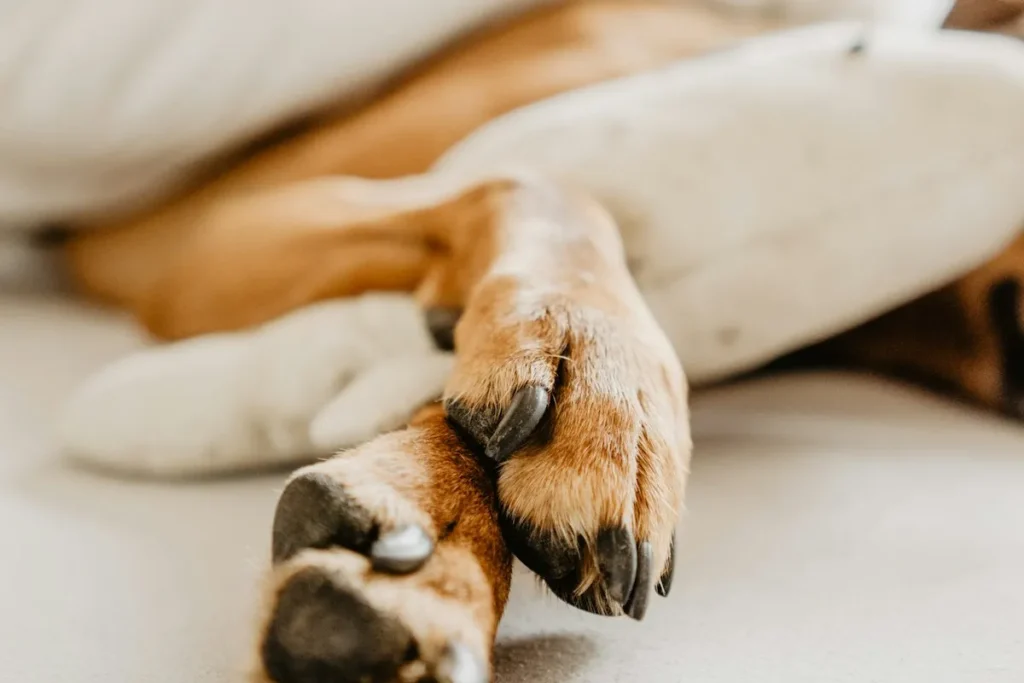
Dogs lick their owners’ hands and faces, their own paws, the floor, the sofa, and sometimes the air. Much of this licking is normal canine communication. But constant paw licking, licking the floor or furniture, or licking that is hard to interrupt can point to allergies, hidden ticks, fungal infection, nausea, pain or a compulsive disorder.
In this article
Here is why dogs lick, what different types of licking mean, how to check your dog’s paws, and when licking needs a vet.
Key Takeaways
- Dogs lick people to communicate, show affection and appeasement, explore smells and tastes, and get attention. Licking also releases calming chemicals in the dog’s brain.
- Constant licking or chewing of the paws usually has a medical cause: allergies, yeast or bacterial infection, ticks or grass seeds between the toes, injury or joint pain.
- Licking floors, walls, carpets or the air is often linked to nausea or digestive disease.
- True compulsive licking disorders exist, especially in some breeds, but vets rule out medical causes first.
- In India, a lick on broken skin or the mouth or eyes from an unvaccinated or stray dog is a possible rabies exposure. Wash the area and see a doctor the same day.
Why Do Dogs Lick You?
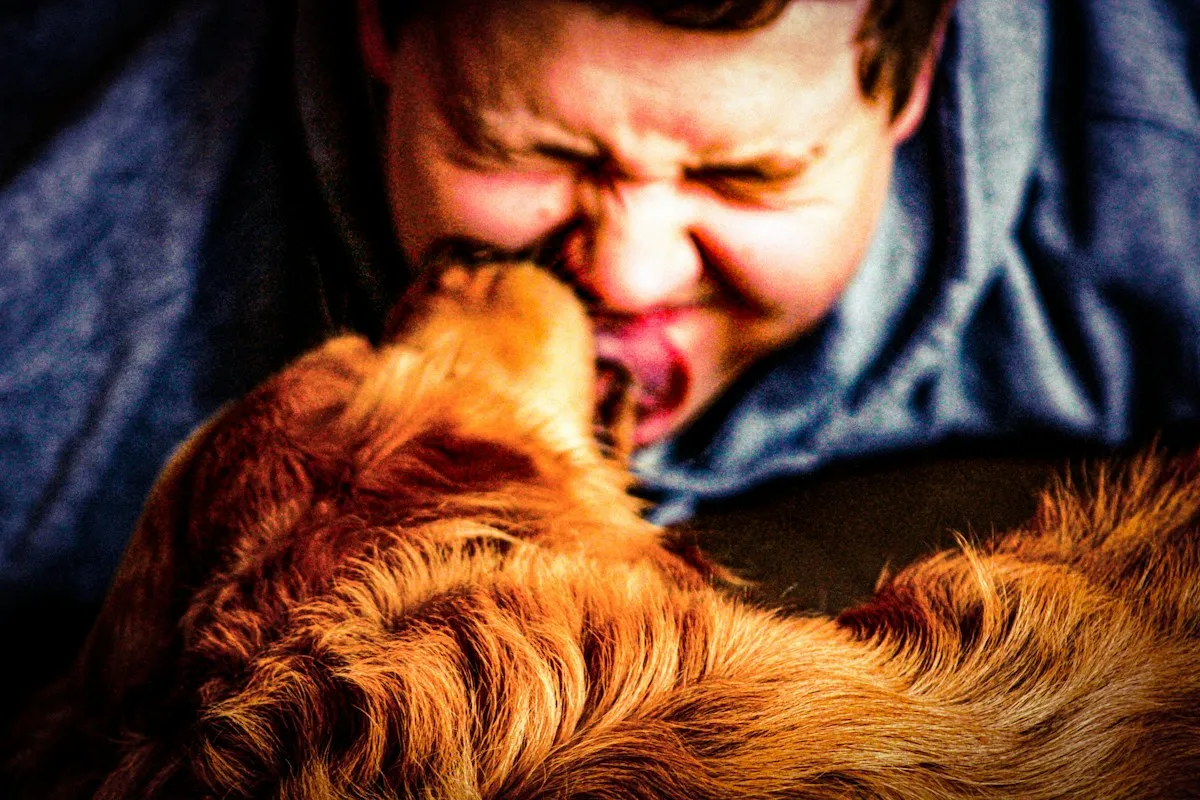
Licking is one of the first behaviours a dog experiences. Mothers lick newborn puppies to clean them, stimulate breathing and help them pass urine and stool. Puppies in turn lick their mother’s mouth, which in wild canids helps trigger regurgitation of food. As dogs grow, licking becomes a social language. Dogs lick people for several reasons:
- Affection and bonding. Licking releases endorphins and dopamine in the dog’s brain, so it feels good and calming.
- Appeasement. A dog may lick your face or hands to say “I’m friendly” or to calm a tense situation.
- Taste and smell. Your skin carries salt from sweat, food traces, lotion and the scents of everywhere you have been. Hands, face, ears and feet are especially interesting.
- Attention. If you laugh, talk or pull your feet away, your dog learns that licking gets a reaction.
- Grooming. Dogs groom family members, especially ears, just as they groom each other.
Is it safe to let a dog lick your face?
For most healthy people, an occasional lick from your own vaccinated, dewormed dog is low risk. Dog saliva, however, carries bacteria such as Pasteurella and Capnocytophaga, which rarely cause serious infections, mainly in people who are very young, elderly, pregnant, diabetic or have weak immunity. Avoid letting dogs lick open wounds, the mouth or the eyes, and wash hands after play.
Rabies matters in India. Rabies virus is present in saliva. A lick on intact skin is not considered an exposure, but a lick on a cut, scratch, broken skin, or on the lips, mouth or eyes from a dog that is unvaccinated, a stray or of unknown status is treated as a possible exposure. Wash the area with soap and running water for 15 minutes and see a doctor promptly about rabies vaccination.
Why Does My Dog Keep Licking Its Paws?
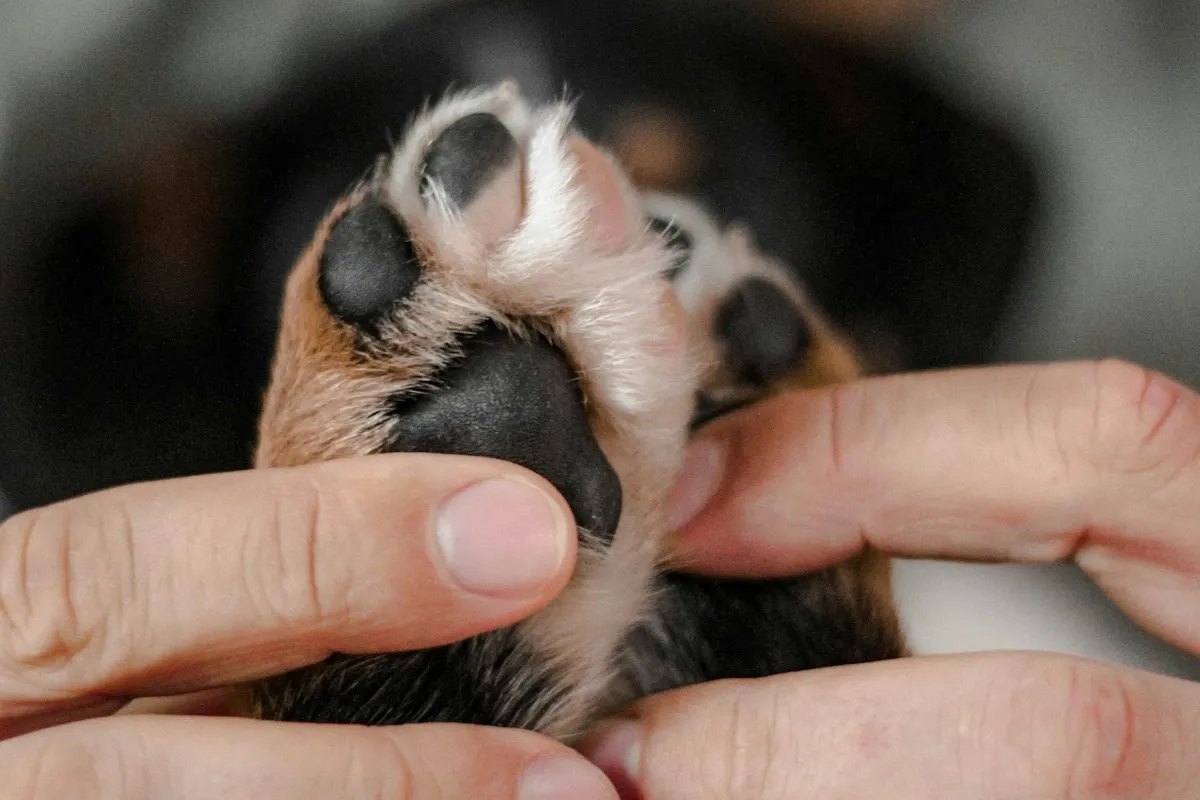
Dogs lick their paws briefly to clean them after a walk or a meal. Licking that goes on for minutes at a time, happens every day, wakes your dog at night or leaves the fur stained reddish-brown is a sign of discomfort. The rusty colour comes from porphyrins in saliva, which stain light-coloured fur with repeated licking.
| Cause | What you may notice | Common in India because… |
|---|---|---|
| Environmental or food allergy (atopic dermatitis) | Licking of several paws, plus face rubbing, ear infections, belly and armpit itch | Dust mites, pollens and humid weather; very common in Labradors, Golden Retrievers, GSDs, Shih Tzus |
| Yeast (Malassezia) infection | Greasy, brown-stained, musty-smelling skin between toes | Hot, humid monsoon conditions and paws that stay wet |
| Bacterial infection or interdigital cysts (furuncles) | Red lumps or pus-filled bumps between toes, limping | Short-coated breeds and dogs with allergies |
| Ticks between the toes | Sudden licking at one foot; a tick embedded between pads | Brown dog ticks are everywhere; check after every walk |
| Grass seeds, thorns, glass or burns | Sudden licking of one paw, limping, swelling | Grass awns on walks; hot roads and tiles in summer |
| Pain | Licking over a wrist (carpus) or toe joint in an older dog | Arthritis, nail injuries |
| Boredom or anxiety | Licking when alone or confined, with no skin changes | Long hours alone, little exercise |
How to check your dog’s paws
- In good light, spread the toes gently and look between the pads and around each nail.
- Look for ticks, thorns, grass seeds, redness, swelling, bumps or a brown greasy film.
- Smell the paw: a strong yeasty or “corn chip” smell suggests yeast overgrowth.
- Feel for heat or pain, and watch for limping.
- Dry the paws after walks and baths, especially during the monsoon.
If you find a tick, remove it with fine-tipped tweezers close to the skin and pull steadily, or ask your vet. Read about tick prevention and tick tablets.
Lick granuloma (acral lick dermatitis)
Some dogs lick one spot, usually on the front of a lower front leg, so persistently that a raised, hairless, often shiny sore forms. These lick granulomas are most common in large, active breeds such as Labradors, Golden Retrievers, German Shepherds and Dobermans. They usually involve both an underlying trigger (allergy, pain, infection or boredom) and a self-perpetuating itch-lick cycle, with deep bacterial infection that often needs weeks of antibiotics. Early veterinary treatment is much easier than treating an established granuloma.
Why Does My Dog Lick the Floor, Sofa or Air?
Excessive licking of surfaces, such as floors, walls, carpets, bedding and furniture, is often a sign of nausea or digestive discomfort. In a study of dogs referred for excessive surface licking, most turned out to have a gastrointestinal disorder, including inflammatory bowel disease, delayed stomach emptying, pancreatitis and giardiasis, and the licking reduced in many once the digestive problem was treated.
Watch for other signs such as lip licking, gulping, eating grass, vomiting, loose stools or reduced appetite, and tell your vet. Other medical causes of unusual licking include dental pain, a foreign object in the mouth, and, rarely, focal seizures, which can appear as repeated licking or “fly-snapping” episodes in which the dog seems unaware of its surroundings. Read about nausea and vomiting medicines and why dogs eat grass and mud.
Canine Compulsive Disorder
When licking or another repetitive behaviour happens out of context, is hard to interrupt, and takes up so much time that it interferes with normal life, vets consider canine compulsive disorder (CCD), similar to obsessive-compulsive disorder in people. It often starts during stress or frustration and then continues on its own.
| Behaviour | Breeds more often affected |
|---|---|
| Flank sucking (holding a fold of skin in the mouth) | Doberman Pinscher |
| Tail chasing and spinning | Bull Terrier, German Shepherd |
| Excessive leg or paw licking (lick granuloma) | Labrador, Golden Retriever, Great Dane, Doberman |
| Shadow or light chasing, fly-snapping | Herding breeds, Cavalier King Charles Spaniel (may be neurological) |
| Blanket or toy sucking | Doberman and others |
How CCD is treated
- Medical work-up first: skin tests, allergy management, pain relief and gastrointestinal treatment, because many “compulsive” lickers have an underlying medical problem.
- Remove triggers and stress: identify situations that set off the behaviour, such as being left alone, frustration at the gate, or conflict with another pet.
- Enrichment and exercise: daily walks, sniffing games, training sessions, food puzzles and chew toys.
- Redirect, don’t punish: calmly interrupt and ask for an incompatible behaviour, such as sit or come, then reward. Punishment increases anxiety and often worsens compulsive behaviour.
- Medication: veterinary behaviour medicines such as fluoxetine or clomipramine, which take four to six weeks to show their full effect, are often needed for true CCD alongside behaviour therapy.
How To Reduce Normal Licking of People
- Calmly stand up or turn away when licking starts, and give attention when your dog is calm.
- Teach an alternative greeting, such as sitting for a treat.
- Offer a lick mat with a smear of plain curd or mashed pumpkin, or a stuffed chew toy, as a healthy outlet.
- Make sure your dog gets enough exercise and mental work each day.
When To See a Vet
- Your dog licks or chews its paws daily, at night, or until the fur is stained or the skin is red
- Licking is focused on one spot, a lump, a wound, the genitals or the bottom (see scooting and anal gland problems)
- Your dog limps, or the paw is swollen, hot or smells bad
- Your dog licks floors or furniture, or also vomits, gulps or eats grass
- The licking is hard to interrupt or is taking over your dog’s day
Frequently Asked Questions
Does my dog lick me because it loves me?
Often licking is affectionate, but dogs also lick to explore, appease, seek attention or calm themselves.
Why does my dog lick its paws at night?
Itchy allergic skin and yeast infections often feel worse when a dog is resting with nothing else to do. Night-time licking is a common reason to see the vet.
Can I put neem oil or turmeric on my dog’s licked paws?
Home remedies can irritate inflamed skin, and dogs will lick them off. Let your vet find the cause first; medicated shampoos, wipes or a cone may be recommended.
Why does my dog lick my wounds?
Licking wounds is instinctive, but dog saliva carries bacteria and does not help human wounds heal. Keep wounds covered and away from your dog.
Is a dog lick a rabies risk?
A lick on unbroken skin is not considered a risk. A lick on broken skin, the mouth or the eyes from an unvaccinated or stray dog needs prompt medical advice about rabies vaccination.
This article is for education and does not replace veterinary or medical advice.
Related Articles
- Dog Hair Fall: Normal Shedding or a Skin Problem?
- Diwali Firecracker Anxiety in Dogs: How To Keep Your Dog Calm
- Why Do Dogs Eat Poop? 7 Causes of Coprophagia and How To Stop It
- Why Do Dogs Howl at Night? And How To Stop a Dog Growling Over Food or Bones (Resource Guarding)
References
- Stopp K, Lessa E. Why Do Dogs Lick You? PetMD, 2023.
- PetMD. Canine Compulsive Disorder.
- Bécuwe-Bonnet V, Bélanger MC, Frank D, Parent J, Hélie P. Gastrointestinal disorders in dogs with excessive licking of surfaces. Journal of Veterinary Behavior, 2012;7(4):194–204.
- Luescher AU. Diagnosis and management of compulsive disorders in dogs and cats. Veterinary Clinics of North America: Small Animal Practice, 2003;33(2):253–267.
- Dodman NH, et al. A canine chromosome 7 locus confers compulsive disorder susceptibility. Molecular Psychiatry, 2010;15:8–10.
- World Health Organization. Rabies: WHO categories of exposure and post-exposure prophylaxis. WHO Position Paper, 2018.
More on Dog Behaviour and Training
Why Do Dogs Eat Poop? 7 Causes of Coprophagia and How To Stop It
Why dogs eat poop or cow dung: instinct, worms, enzyme problems, hunger and anxiety, plus a step-by-step plan to stop it without…
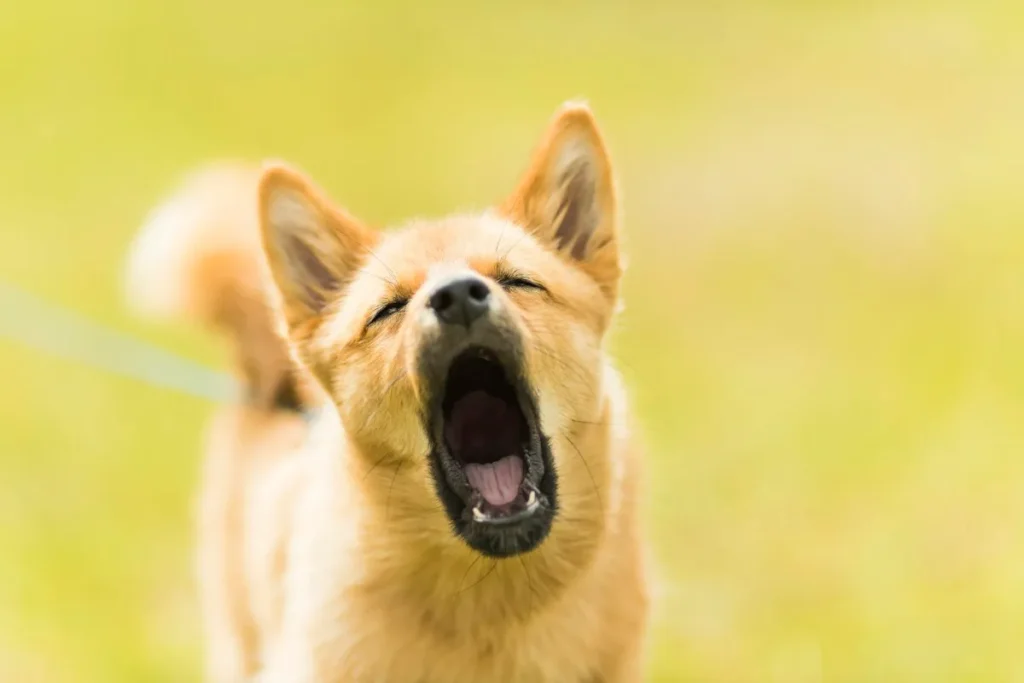
Why Do Dogs Howl at Night? And How To Stop a Dog Growling Over Food or Bones (Resource Guarding)
Why dogs howl at night or at sirens, when howling signals pain or anxiety, and how to fix food and toy guarding…