 Written and reviewed by Dr. Vaishnavi Karmawat, B.V.Sc. & A.H., Registered Veterinary Practitioner

If your cat waits beside the dining table every evening, you have probably wondered whether it is safe to share a bite of your dinner. Some human foods make healthy, tasty treats for cats. Others, including some of the most common ingredients in Indian kitchens, can make cats seriously ill.
In this article
- Can Cats Eat Human Food?
- Meats Cats Can Eat
- Fish Cats Can Eat
- Can Cats Eat Eggs?
- Vegetables Cats Can Eat
- Fruits Cats Can Eat
- What Human Foods Can Cats NOT Eat?
- Festival and Party Foods To Keep Away From Cats
- What To Do if Your Cat Eats Something Toxic
- Tips for Feeding Human Food to Cats Safely
- Frequently Asked Questions
- Related Articles
- References
Planning your cat’s everyday diet? This guide focuses on which individual human foods are safe as treats. For what a cat needs in its daily meals, including taurine, complete cat food, feeding amounts and water intake, read our main guide: What Can Cats Eat? Safe and Toxic Foods in Indian Homes.
Cats are very different eaters from dogs and people, so the rules are stricter. Here is which human foods cats can eat, how much to give, how to prepare them, and which foods to keep well out of reach.
Key Takeaways
- Cats are obligate carnivores. They need nutrients found naturally in animal tissue, such as taurine, arachidonic acid and preformed vitamin A, so the best human foods for cats are plain, cooked meat, fish and egg.
- All human food is a treat. Treats should make up no more than 10 percent of a cat’s daily calories, which for an average 4 kg adult cat is only about 20 kcal a day.
- Always cook meat, fish and eggs, remove bones and skin, and add no salt, oil, ghee, masala, onion or garlic.
- Small amounts of some vegetables and fruits are safe, but cats get little nutrition from them.
- Onion, garlic, chocolate, caffeine, alcohol, grapes and raisins, raw yeast dough, xylitol, and lilies are dangerous for cats. Milk causes diarrhoea in most adult cats.
- Milk and roti, rice or dal cannot replace a complete cat food.
Can Cats Eat Human Food?
Yes, cats can eat some human foods, as long as they are the right foods, prepared plainly and given in small amounts. But human food should only ever be an occasional extra on top of a complete and balanced cat food, not a replacement for it.
Why cats have different needs
Dogs and humans are omnivores. Cats are obligate carnivores, which means their bodies are built to run on animal protein and fat, and they cannot make several essential nutrients from plant foods. A cat must get these from its diet:
| Nutrient | Why cats need it in food | What happens if it is missing |
|---|---|---|
| Taurine | Cats make very little taurine and lose it constantly in bile | Weakening of the heart muscle (dilated cardiomyopathy), blindness from retinal degeneration, and reproductive problems |
| Arachidonic acid | Cats cannot make enough from plant oils; it is found in animal fat | Poor skin and coat, slow wound healing, reproductive failure |
| Preformed vitamin A | Cats cannot convert beta-carotene from vegetables into vitamin A | Night blindness, poor skin, weakened immunity |
| Niacin (vitamin B3) | Cats break down tryptophan too fast to make their own niacin | Weight loss, mouth ulcers, diarrhoea |
| High protein | Cats use protein for energy all the time and cannot switch it off when protein is scarce | Muscle loss, even on a full stomach of carbohydrate |
This is why a vegetarian diet, dog food, or a diet of milk and roti will slowly make a cat ill, even if the cat seems to eat well. The best human foods for cats are the ones that resemble what a cat would eat naturally: meat.
How much human food is too much?
An average indoor adult cat weighing about 4 kg needs roughly 200 kcal a day. Keeping treats under 10 percent leaves only about 20 kcal a day for all extras combined. That is about one 2.5 cm (1-inch) cube of cooked chicken. For a kitten, an overweight cat, or a cat with a medical condition, the safe amount may be even smaller, so ask your vet.
Meats Cats Can Eat
Cooked meat is the safest and most nutritious human food you can share with your cat. Follow these rules every time:
- Cook it thoroughly. Boil, steam or bake. Avoid fried, tandoori or curried meat.
- Keep it completely plain. No salt, oil, ghee, butter, masala, ginger-garlic paste or onion.
- Remove all bones. Cooked bones, especially chicken bones, splinter and can injure the mouth, throat and intestines.
- Remove skin and trim visible fat. Fatty scraps can trigger stomach upset and pancreatitis.
- Cut into small pieces.
Chicken and turkey
Plain boiled chicken is many cats’ favourite treat. It is high in protein and relatively low in calories. A 2.5 cm cube of skinless, boneless, cooked chicken breast can be given daily to most healthy adult cats. Plain boiled chicken is also what vets often suggest as a short-term food for cats recovering from mild stomach upsets.
Mutton, lamb and lean beef
Lean, well-cooked red meat with the fat trimmed off is safe in the same small portions. Do not share mutton curry, keema or kebabs, which contain onion, garlic and spices.
Liver
Cats love cooked liver, but it is extremely rich in vitamin A. Fed often, it can cause vitamin A toxicity, which leads to painful bony growths on the neck and spine. Limit liver to a small piece once a week at most.
Fish Cats Can Eat
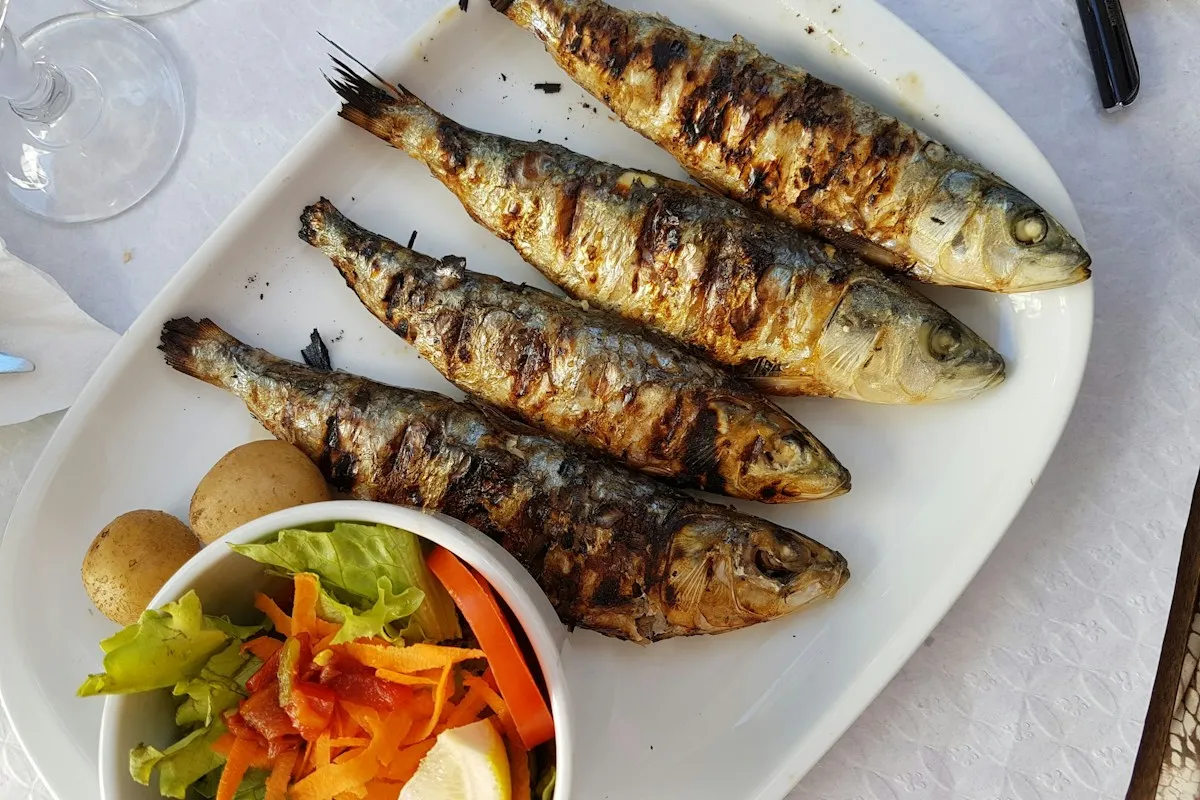
Most fish are safe for cats if they are fully cooked, boneless and plain. Oily fish such as salmon, mackerel (bangda) and sardines (mathi/chaala) provide omega-3 fatty acids, which can support skin, joints and kidneys. White fish such as pomfret and surmai are lean and well tolerated. A 2.5 cm cube of cooked fish is a reasonable treat for a healthy cat.
Why fish must be cooked
Many fish, especially carp such as rohu and katla, which are widely eaten in India, contain an enzyme called thiaminase that destroys vitamin B1 (thiamine). Cooking deactivates it. Cats fed mostly raw fish can develop thiamine deficiency, which causes loss of appetite, a wobbly gait, the head bending down towards the chest, dilated pupils and seizures. It is fatal if untreated. Raw fish can also carry bacteria and parasites.
Can cats eat tuna?
In small amounts, yes. But human tuna should be an occasional treat, not a regular meal, for three reasons:
- Mercury. Tuna is a large, long-lived fish that accumulates mercury.
- Vitamin E deficiency. Tuna is rich in unsaturated fats but low in vitamin E. Cats fed mostly tuna can develop steatitis (“yellow fat disease”), a painful inflammation of body fat.
- Addiction to the taste. Some cats fed a lot of tuna begin refusing their balanced food.
Limit human tuna to about 1 tablespoon a week, canned in water rather than oil or brine, and do not give it to kittens. Commercial cat foods that contain tuna are balanced with added vitamin E and are fine.
Dried and salted fish
Dried, salted fish (sukhi machli or karuvadu) is very high in salt and can cause vomiting, excessive thirst and, in large amounts, salt poisoning. Do not feed it to cats.
Can Cats Eat Eggs?
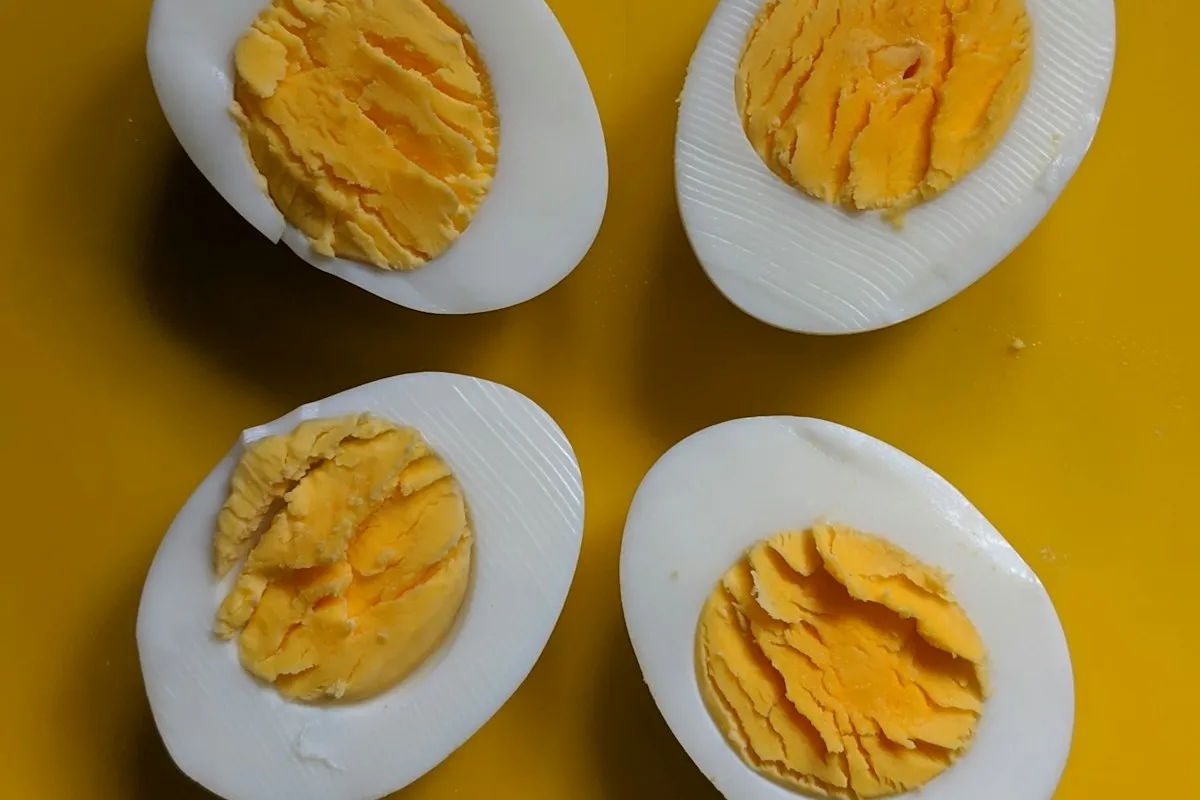
Yes, cooked eggs are a good treat for cats. Eggs are an excellent source of protein and amino acids. Serve them hard-boiled or scrambled without oil, butter, milk or salt. A teaspoon or two of cooked egg once or twice a week is plenty.
Never give raw eggs. Raw egg can carry Salmonella, and raw egg white contains avidin, a protein that binds biotin (vitamin B7) and can cause skin and coat problems when raw eggs are fed often.
Vegetables Cats Can Eat
Cats do not need vegetables, and many will ignore them. Their short digestive tract does not break down plant fibre well. But if your cat is curious, these vegetables are safe in tiny amounts when cooked, plain and chopped:
| Vegetable | How to prepare | Portion for a healthy adult cat |
|---|---|---|
| Pumpkin (kaddu) | Cooked and mashed, no spices or sugar | About 1 teaspoon to 1 tablespoon, a few times a week |
| Broccoli | Steamed and finely chopped | A piece the size of your fingernail, once or twice a week |
| Peas (matar) | Boiled, shelled and mashed | 3 or 4 peas, once or twice a week |
| Green beans | Steamed and cut small | 1 or 2 small pieces |
| Carrot (gajar) | Boiled soft and mashed (raw carrot is a choking risk) | A small piece |
| Sweet potato (shakarkandi) | Boiled, peeled and mashed | Less than 1 tablespoon |
| Cucumber (kheera) | Peeled, seedless, small cubes | 1 or 2 small cubes |
Plain cooked pumpkin is the most useful of these, because its soluble fibre can help with both mild constipation and loose stools. Ask your vet about the right amount for your cat. Read more about constipation in cats and diarrhoea in cats.
Grains and starchy foods such as rice, roti and bread are not toxic, but they are empty calories for cats. See our guide on whether cats can eat rice.
Fruits Cats Can Eat
Cats cannot taste sweetness. The gene for the sweet taste receptor is inactive in cats, so most are not interested in fruit at all. Fruit is also high in sugar, so it should be avoided in cats with diabetes. If your cat does enjoy fruit, these are safe in tiny amounts once or twice a week:
- Watermelon: a small seedless cube with no rind
- Muskmelon (kharbuja): a small cube with no rind or seeds
- Blueberries: 2 to 4 berries a week
- Strawberry: half a small berry, green top removed
- Banana: one thin slice a week
- Apple: a small peeled piece, with no seeds or core
Avoid citrus fruits such as orange, mosambi and lemon, whose oils and acids irritate the stomach, and never give grapes or raisins.
What Human Foods Can Cats NOT Eat?
These foods are toxic or seriously harmful to cats. Some are dangerous even in small amounts.
| Food | Why it is dangerous | Signs to watch for |
|---|---|---|
| Onion, garlic, chives, leeks and spring onion (raw, cooked, powdered or fried) | Sulphur compounds damage red blood cells and cause Heinz body haemolytic anaemia. Cats are more sensitive than dogs because feline haemoglobin is especially easily damaged. | Weakness, pale or yellow gums, dark red-brown urine, fast breathing, vomiting. Signs may appear 1 to 5 days later. |
| Chocolate, coffee, tea, cola and energy drinks | Theobromine and caffeine overstimulate the heart and nervous system | Vomiting, restlessness, racing heart, tremors, seizures |
| Alcohol and raw yeast dough | Alcohol depresses the brain and breathing. Raw dough keeps rising in the warm stomach and also produces alcohol. | Wobbling, vomiting, bloated belly, slow breathing, collapse, coma |
| Grapes and raisins (kishmish) | Linked to sudden kidney failure in dogs; cats may also be affected, and no safe amount is known | Vomiting, lethargy, reduced urination |
| Milk, cream and most dairy | Most adult cats lack enough lactase to digest milk sugar | Gas, bloating, diarrhoea |
| Raw meat, raw fish and raw eggs | Bacteria (Salmonella, E. coli, Campylobacter), parasites, and thiaminase in raw fish | Vomiting, diarrhoea, fever; neurological signs with thiamine deficiency |
| Fat trimmings, gravy and fried food | Can trigger pancreatitis | Vomiting, hiding, poor appetite, belly pain |
| Cooked bones | Splinter and can puncture or block the gut | Gagging, drooling, vomiting, straining, blood in stool |
| Xylitol (sugar-free gum, some sweets and peanut butters) | Highly toxic to dogs; avoid in cats too | Vomiting, weakness, collapse |
| Nuts, especially macadamia and walnuts | High fat; mouldy walnuts carry toxins; choking risk | Vomiting, diarrhoea, weakness |
| Salty snacks (namkeen, chips, papad, pickle) | Excess salt and spices | Vomiting, diarrhoea, excessive thirst, tremors in severe cases |
Lilies: not a food, but the most dangerous plant for cats
Lilies (Lilium species, such as Easter, Asiatic and tiger lilies) and daylilies (Hemerocallis) are not food, but they belong on every cat owner’s danger list. Eating even a small part of a petal or leaf, grooming pollen off the fur, or drinking water from the vase can cause sudden, often fatal kidney failure in cats. Keep these flowers out of homes with cats, including in festival and wedding bouquets. If you suspect lily exposure, go to a vet immediately; early treatment with intravenous fluids can save the kidneys.
Why milk is not good for cats
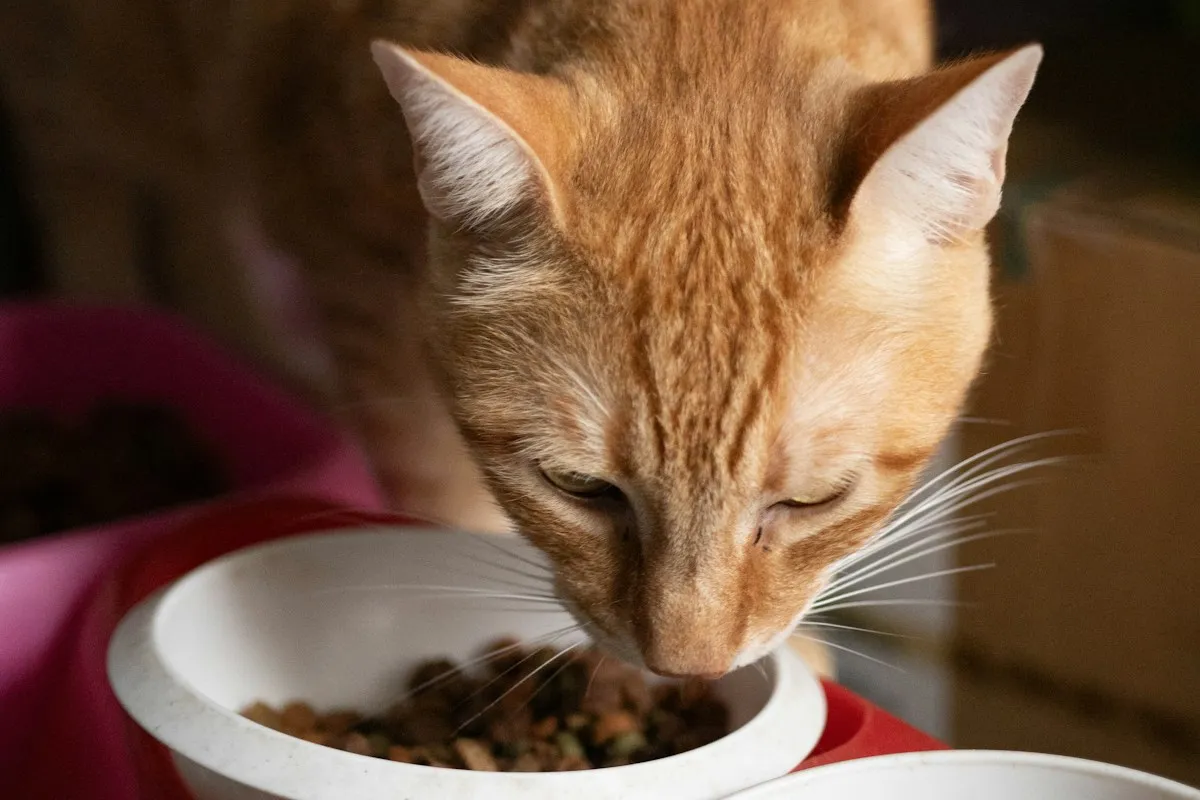
A saucer of milk is a traditional image, and in India many stray and pet cats are fed doodh-roti. But kittens lose most of their ability to digest lactose after weaning, so milk often causes diarrhoea in adult cats. Milk and roti also lack the taurine, protein and vitamin A cats need. If you want to give a stray cat a meal, plain boiled chicken, cooked fish without bones or a commercial cat food are far better. Kittens that need milk should get a kitten milk replacer, not cow or buffalo milk.
Festival and Party Foods To Keep Away From Cats
Diwali, Eid, Christmas, weddings and family dinners bring rich food into the home, and cats are skilled counter-surfers. Keep these out of reach:
- Biryani, curries, kebabs and gravies, which almost always contain onion and garlic, plus bones and fat
- Mithai and desserts, especially chocolate, kaju katli and anything with raisins, ghee or cream
- Plum cake and rum-soaked desserts, which contain raisins and alcohol
- Raw dough for bread, pizza or bhatura left to rise
- Namkeen and dry snacks high in salt and spices
- Leftover fish or chicken bones in the dustbin
Offer your cat a special cat-safe treat instead: a small piece of plain boiled chicken, a spoon of cooked egg, a lickable cat treat, or a new toy.
What To Do if Your Cat Eats Something Toxic
- Remove any remaining food so your cat cannot eat more.
- Work out what and how much was eaten, and keep the packet or a sample.
- Call your vet or the nearest 24-hour veterinary hospital straight away, even if your cat seems fine. With onion, garlic, lilies, grapes or alcohol, signs can be delayed while damage is already happening.
- Do not try to make your cat vomit at home. Salt water, hydrogen peroxide, mustard and fingers down the throat are dangerous for cats. Vets use safe, cat-specific medicines to induce vomiting when it is appropriate.
- Do not give milk, oil or home remedies unless your vet tells you to.
If your cat ate a small amount of a non-toxic food, such as plain rice or a piece of bread, simply watch for vomiting, diarrhoea, poor appetite or lethargy over the next day, and call your vet if they appear. Signs of dehydration or pain always need a vet visit.
Tips for Feeding Human Food to Cats Safely
- Check with your vet first if your cat has kidney disease, diabetes, food allergies, pancreatitis or eats a prescription diet.
- Introduce one new food at a time, in a tiny amount, and watch for 24 hours.
- Count treats as part of the day’s food. If you give extras, slightly reduce the regular meal so your cat does not gain weight.
- Freeze small portions of plain cooked chicken or fish in an ice tray and thaw one cube as a food topper.
- Use treats for enrichment. Hide small pieces in a food puzzle or use them as rewards for training and nail trims.
- Keep the kitchen cat-proof. Cover dustbins and do not leave food or raw dough on counters.
Frequently Asked Questions
Can cats eat dog food?
A few bites will not hurt, but dog food is not balanced for cats. It usually has less protein, taurine, arachidonic acid and vitamin A than cats need, and cats fed dog food long-term can develop serious deficiencies, including heart disease.
Can cats eat curd (dahi)?
Curd contains less lactose than milk, and some cats tolerate a lick without problems. But it adds little to a cat’s diet and can still cause diarrhoea, so it is best kept to a tiny taste, if at all.
Can cats eat paneer or cheese?
A very small piece is unlikely to harm most cats, but cheese and paneer are high in fat and contain some lactose. Avoid them for cats with sensitive stomachs or weight problems.
Can cats eat roti or bread?
Plain roti or bread is not toxic, but it is empty calories for cats. Garlic bread, butter-laden parathas and anything sweetened are not safe.
Is it okay to feed stray cats milk and roti?
It is kind to feed strays, but milk and roti can cause diarrhoea and do not provide the nutrients cats need. Plain boiled chicken scraps without bones, cooked fish without bones, cooked egg, or an affordable commercial cat food are much better choices, along with fresh water.
Can cats eat chicken bones?
No. Cooked bones splinter and can cut the mouth, get stuck in the throat, or block or puncture the intestines. Remove all bones before sharing meat or fish.
Can kittens eat human food?
Kittens need a complete kitten food for growth. Tiny amounts of plain cooked chicken or egg are fine as treats, but avoid tuna, liver and anything else that could unbalance their diet.
This article is for education and does not replace veterinary advice. If you think your cat has eaten something toxic, contact your vet immediately.
Related Articles
- What Can Cats Eat? Safe and Toxic Foods in Indian Homes
- Homemade Cat Food in India: 7 Vet-Approved Recipes
- How to Read Pet Food Labels in India: Complete and Balanced, Dry Matter, Life Stage and Marketing Claims
- Why Do Cats Purr and Knead (“Make Biscuits”)? 5 Meanings, Including Stress and Pain
References
- Mitchell SC. What Human Food Can Cats Eat? PetMD, 2023.
- Mitchell SC. Can Cats Eat Peas? PetMD, 2023.
- Mitchell SC. Can Cats Eat Popcorn? PetMD, 2023.
- Coates J, Price M. What Thanksgiving Foods Can Cats Eat? PetMD, 2024.
- Mitchell SC. Can Cats Eat Tuna? PetMD.
- National Research Council. Nutrient Requirements of Dogs and Cats. National Academies Press, 2006.
- Zoran DL. The carnivore connection to nutrition in cats. Journal of the American Veterinary Medical Association, 2002;221(11):1559–1567.
- Li X, et al. Pseudogenization of a sweet-receptor gene accounts for cats’ indifference toward sugar. PLoS Genetics, 2005;1(1):e3.
- Cope RB. Allium species poisoning in dogs and cats. Veterinary Medicine, 2005;100(8):562–566.
- Fitzgerald KT. Lily toxicity in the cat. Topics in Companion Animal Medicine, 2010;25(4):213–217.
- Marks SL, et al. Thiamine deficiency in cats. Journal of Feline Medicine and Surgery (clinical reviews).
- ASPCA Animal Poison Control Center. People Foods to Avoid Feeding Your Pets.
More on Cat Food and Diet
Homemade Cat Food in India: 7 Vet-Approved Recipes
Homemade cat food in India: 7 vet-formulated recipes with chicken, fish and liver, taurine needs, portions and mistakes that cause crystals.

How to Read Pet Food Labels in India: Complete and Balanced, Dry Matter, Life Stage and Marketing Claims
How to choose dog or cat food in India: label claims, guaranteed analysis, dry-matter maths, life stages, grain-free myths and WSAVA checks.