 Written and reviewed by Dr. Vaishnavi Karmawat, B.V.Sc. & A.H., Registered Veterinary Practitioner
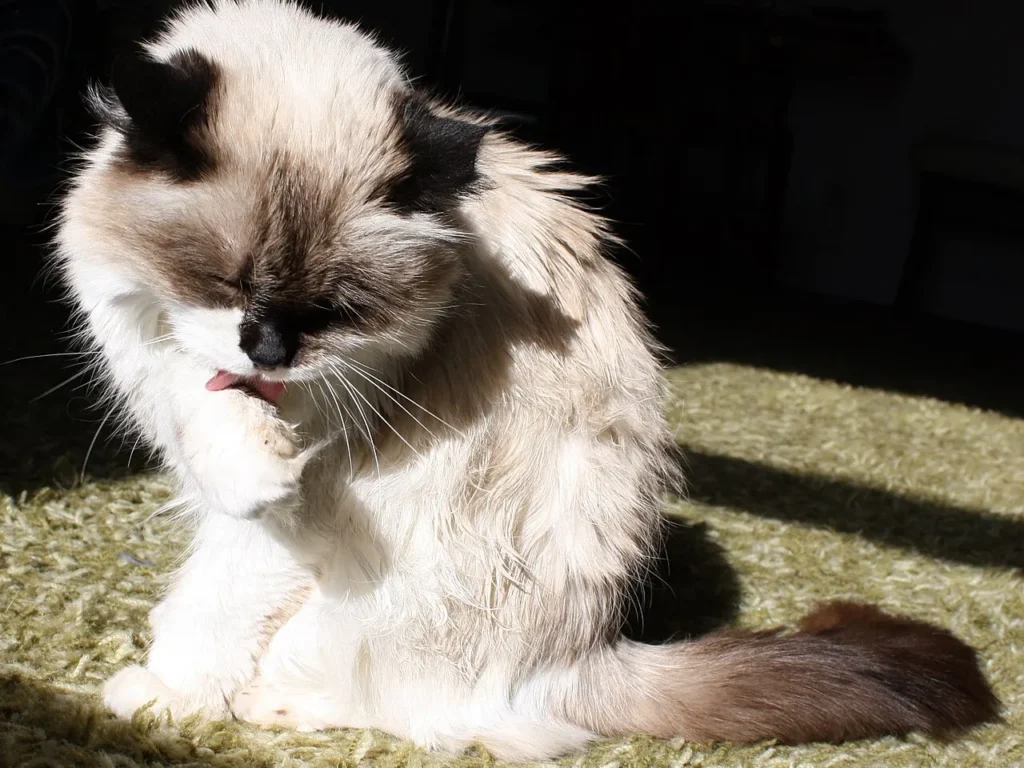
Quick answer: An occasional hairball, roughly once a month or less, in a cat that feels fine immediately afterwards is usually normal, especially in long-haired cats like Persians. Frequent hairballs are not normal and usually point to over-grooming (fleas, allergy, stress, pain) or a gut problem. Most importantly, a cat that crouches low, stretches its neck and hacks without bringing up any hair may have asthma, not a hairball. Repeated retching, refusing food, or a string hanging from the mouth needs a vet the same day.
In this article
- How hairballs form
- What a hairball looks like
- A normal hairball episode vs a warning sign
- Why some cats get frequent hairballs
- Why is my cat gagging?
- When to see a vet urgently
- How vets diagnose the cause
- Treatment and home care for hairballs
- Persian cats in India: special notes
- Frequently asked questions
- Related Articles
- References
- A true hairball is a tube- or cigar-shaped wad of wet hair, not a round ball.
- “Coughing up a hairball” is actually retching and vomiting from the stomach, not coughing from the lungs.
- Large hairballs can block the stomach or intestines and may need surgery.
- Never give liquid paraffin, mineral oil, ghee or cooking oil for hairballs.
How hairballs form
A cat’s tongue is covered in hundreds of tiny, backward-facing hooks called papillae, made of keratin, the same material as fingernails. They act like a comb, pulling loose hair out of the coat during grooming. Because the hooks face backwards, hair caught on the tongue moves toward the throat and is swallowed. Cats spend a large part of their waking day grooming, so they swallow a surprising amount of hair.
Hair is made of keratin, which stomach acid and digestive enzymes cannot break down. Normally, swallowed hair moves through the intestines and comes out in the stool. A hairball (the medical term is trichobezoar) forms when either too much hair is swallowed or the gut does not move it along efficiently. The hair mats together in the stomach with mucus and food, and the cat eventually vomits it. Because it is squeezed through the narrow oesophagus on the way out, a hairball usually looks long and tube-shaped.
What a hairball looks like
- A wet, tubular or cigar-shaped mass of hair, a few centimetres long, the colour of your cat’s coat
- Sometimes a looser tangle of hair mixed with food, clear fluid, foam or yellow bile
- Dried hairballs are often mistaken for stool found outside the litter box
If you often find vomit with only a little hair in it, the hair may be incidental and the real problem is the vomiting. See our guide to cat vomiting, vomit colours and causes.
A normal hairball episode vs a warning sign
| Normal hairball | Needs a vet |
|---|---|
| Once a month or less | More than once or twice a month, or several times a week |
| A few retches, then the hairball comes up | Repeated retching over hours without producing anything |
| Cat goes back to eating, playing and grooming within minutes | Cat stays nauseous, hides, drools, or refuses food |
| No other symptoms | Weight loss, diarrhoea, constipation, lethargy, swollen belly |
| Hair is clearly the main content | Mostly food, fluid or bile with little hair |
Why some cats get frequent hairballs
Swallowing more hair than normal
- Long-haired breeds: Persians, Himalayans, Maine Coons and long-haired desi mixes.
- Heavy shedding seasons: in India, many cats shed heavily as the weather warms in spring and again around the monsoon.
- Itchy skin: fleas (the most common reason), food allergy, environmental allergy, mites and ringworm make cats groom much more.
- Stress-related over-grooming (psychogenic alopecia): a new pet or baby, moving house, conflict with other cats, boredom in indoor cats.
- Pain: cats lick over painful areas, for example the belly in bladder pain or joints in arthritis.
Gut not moving hair along properly
- Inflammatory bowel disease (IBD) and food intolerance
- Intestinal lymphoma, especially in older cats
- Intestinal worms
- Pancreatitis
- Constipation and dehydration (see our cat constipation guide)
- Any condition that slows stomach emptying
Why is my cat gagging?
Gagging is a reflex triggered when something irritates the back of the throat. It can be productive (something comes out) or unproductive (nothing comes out). Hairballs are the most common cause, but far from the only one.
Clinical trap 1: unproductive hacking is often asthma
Many cat parents describe their cat as “trying to cough up a hairball but nothing comes out.” When a cat repeatedly crouches low with its body close to the ground, extends its neck forward, and makes a dry hacking sound with the mouth slightly open, it is usually coughing, not retching. Cats rarely cough, so a cough is significant. The most common cause is feline asthma (allergic lower airway disease), where the small airways narrow and fill with mucus. Other causes include heartworm-associated respiratory disease, lungworm, pneumonia and heart disease.
Signs that point to asthma rather than hairballs:
- No hair or vomit is produced
- The belly does not heave as it does with vomiting
- Wheezing, faster breathing, or tiring easily
- Episodes triggered by dusty litter, smoke from agarbatti, dhoop or mosquito coils, perfume, room sprays, cigarette smoke or pollution
Open-mouth breathing in a cat is always an emergency. Asthma is diagnosed with chest X-rays and sometimes an airway wash, and is controlled with steroids (often by inhaler with a cat spacer and mask) and bronchodilators.
Clinical trap 2: hairballs that get stuck
A large, compact hairball can become too big to vomit and too big to pass. It may lodge at the stomach outlet (pylorus) or in the small intestine, causing a blockage. Signs include repeated vomiting, retching with nothing coming up, refusing food, lethargy, a painful belly and constipation. Blockages are diagnosed with X-rays or ultrasound and usually need surgery.
Other causes of gagging
- String, thread or tinsel (linear foreign body): a string can loop around the base of the tongue with the rest swallowed into the gut. Never pull a string from your cat’s mouth or rear end; it can saw through the intestines. Lift the tongue gently to look, then go to a vet.
- Nausea: drooling, lip-licking, swallowing repeatedly, restlessness. Causes include diet changes, kidney disease, liver disease, hyperthyroidism, constipation and medicines.
- Chronic kidney disease: waste products build up and cause nausea, gagging and vomiting, especially in senior cats.
- Eating too fast: common in multi-cat homes where cats compete for food. The cat may bring up undigested kibble soon after eating.
- Toxins and irritant plants: chewing money plant (pothos), dieffenbachia or peace lily causes immediate mouth pain, drooling, pawing at the mouth and gagging. Household cleaners, phenyl and essential oils also irritate the mouth and throat. Lilies are a separate, deadly risk because they cause kidney failure.
- Respiratory infections: post-nasal drip from cat flu can make cats gag. See why cats sneeze.
- Heart disease: fluid in or around the lungs can cause gagging, fast breathing and collapse.
- Dental and mouth problems: painful teeth, gum disease and mouth ulcers.
- Something stuck in the mouth or throat: fish bones, chicken bones, sewing needles.
When to see a vet urgently
- Breathing with the mouth open, blue or grey gums, or wheezing
- Repeated retching or vomiting without bringing anything up
- Gagging with drooling and pawing at the mouth
- A string or thread visible in the mouth or at the anus
- Refusing food for more than 24 hours
- Vomiting with lethargy, a swollen or painful belly, or constipation
- Possible contact with lilies, plants, chemicals or medicines
How vets diagnose the cause
- History, video of the episodes, and a full exam including mouth, throat, skin, coat and belly
- Skin tests for fleas, mites and ringworm if the cat is over-grooming
- Blood tests, urinalysis and thyroid (T4) testing in older cats
- Faecal examination for worms
- Chest X-rays for asthma, heartworm and heart disease
- Abdominal X-rays and ultrasound for hairball blockage, foreign bodies, IBD and lymphoma
- Elimination diet trial (8 weeks of a hydrolysed or novel protein diet) for food allergy
- Endoscopy or biopsies for chronic vomiting
Treatment and home care for hairballs
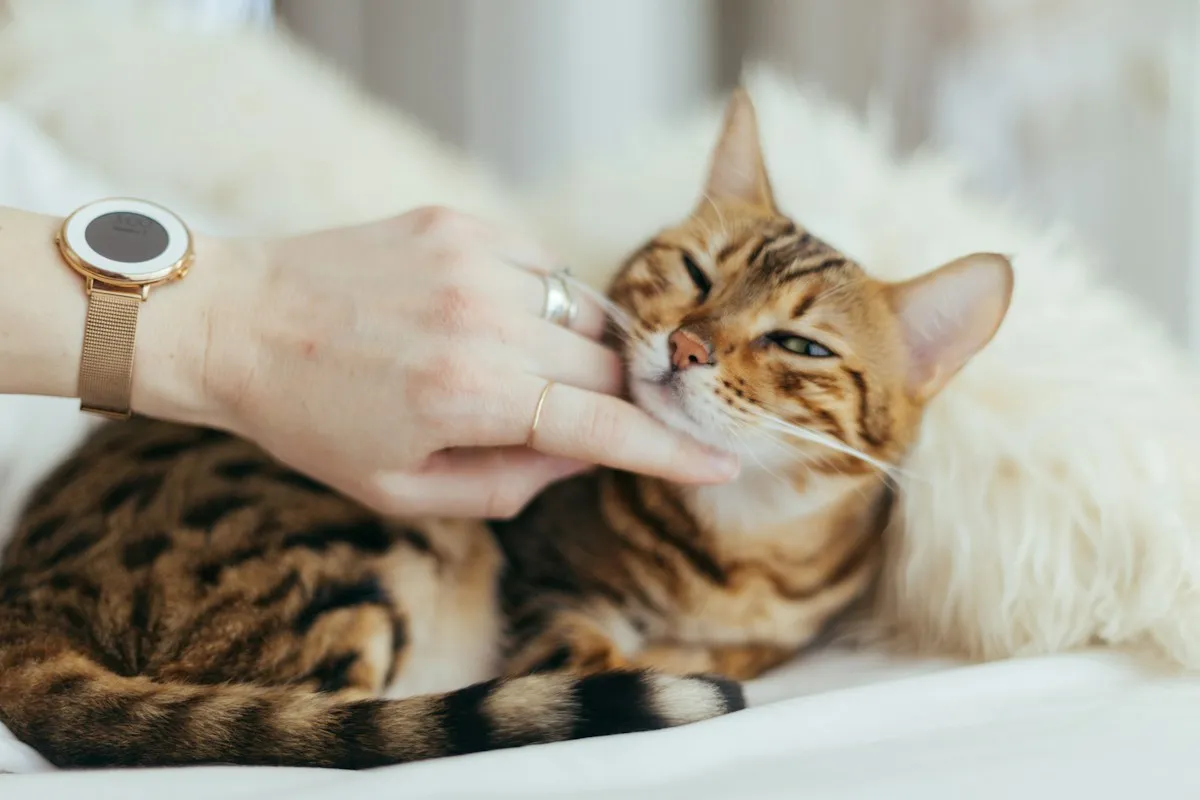
Home care is suitable only for cats with occasional hairballs and no other signs. Cats with frequent hairballs need the underlying cause found and treated.
1. Brush daily
Brushing removes loose hair before it is swallowed. It is the most effective prevention.
- Long-haired cats (Persians, Himalayans): brush every day with a wide-toothed metal comb, then a slicker brush. Work in small sections, especially behind the ears, under the armpits and on the belly, where mats form.
- Short-haired cats: brush 2 to 3 times a week with a rubber grooming mitt or deshedding brush.
- Heavily matted Persians: a professional groom or a “lion cut” during summer can make a big difference.
2. Hairball gels
Veterinary hairball gels (lubricant pastes, often malt-flavoured) coat swallowed hair so it passes into the stool. They are typically given a few times a week, or as your vet advises. Give them at least 1 to 2 hours apart from other medicines, as they can reduce absorption.
3. Fibre and hairball diets
Hairball-control diets contain extra fibre that helps carry hair through the intestines. Wet food also keeps cats well hydrated, which keeps the gut moving. A small amount of plain cooked pumpkin or psyllium husk (isabgol) mixed into wet food may help, on your vet’s advice.
4. Hydration
Offer water in several places, use a fountain if your cat likes running water, and include wet food in the diet.
5. Treat over-grooming
- Year-round flea prevention safe for cats (never use dog permethrin products on cats)
- Allergy management and diet trials
- Environmental enrichment: daily play, cat trees, window perches, hiding places, and separate resources in multi-cat homes
- Pain relief for arthritis or bladder disease
6. Slow down fast eaters
Use slow-feeder bowls or puzzle feeders, feed smaller meals more often, and feed cats in separate rooms.
What not to do
- No liquid paraffin or mineral oil by mouth: it is tasteless and easily inhaled during vomiting, causing a serious pneumonia.
- No ghee, butter, cooking oil or coconut oil “to lubricate”: fats are digested and do not help, and can cause diarrhoea or pancreatitis.
- No human laxatives or anti-vomiting medicines without a vet’s prescription.
- Do not ignore frequent hairballs as “normal for cats”.
Persian cats in India: special notes
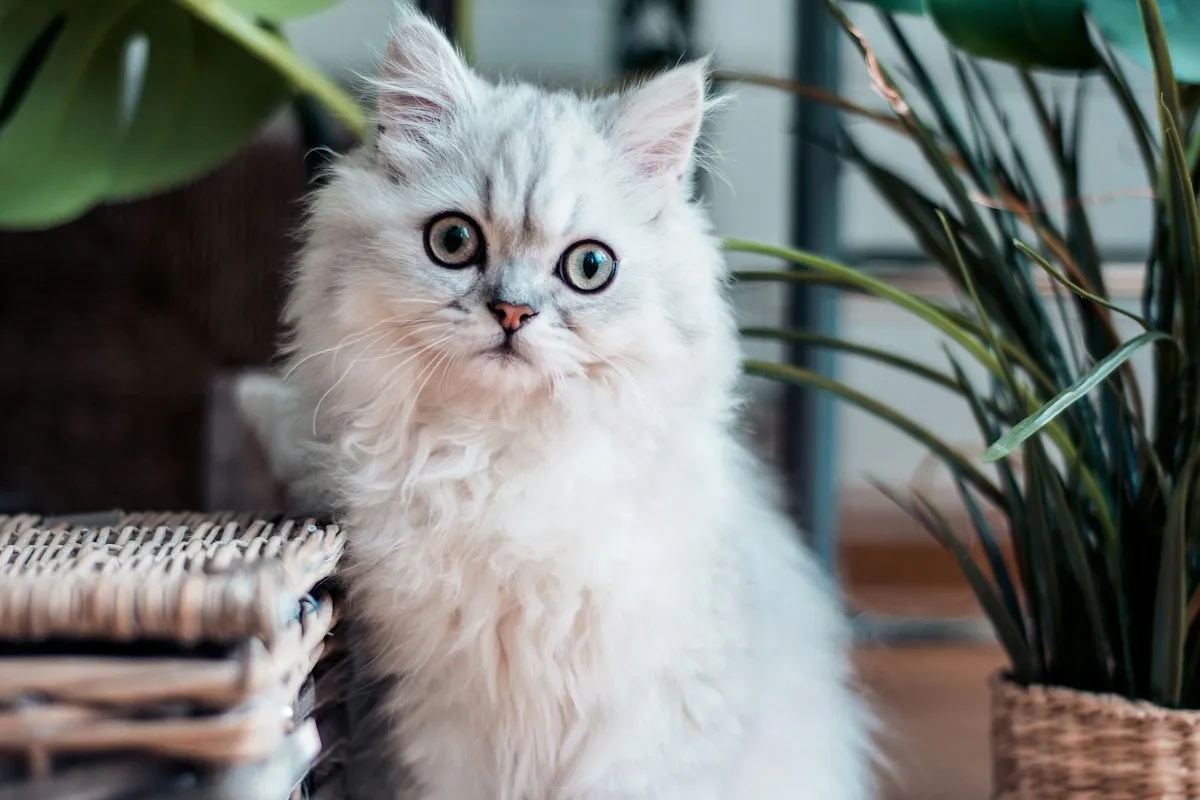
Persians are among the most popular cat breeds in Indian cities, and they are prone to both heavy hairballs and dense matting, especially in humid and hot weather. Their flat faces also make them prone to breathing and eye problems, and owners sometimes mistake breathing noises for gagging. Daily combing, regular professional grooming, a hairball diet, and keeping them cool during summer are essential. Never shave a Persian at home with clippers on thin skin; nicks and burns are common.
Frequently asked questions
How often is it normal for a cat to have a hairball?
Healthy short-haired cats may rarely bring up hairballs at all. Bringing one up roughly once a month or less, with no other symptoms, is generally acceptable. More often deserves a vet check.
My cat is trying to cough up a hairball but nothing comes out. What does it mean?
If the cat is crouched with its neck stretched out and hacking, it may be coughing from asthma or another airway disease. If the belly heaves and the cat retches, it may be a stuck hairball or nausea. Either way, if it happens more than once or twice, see a vet, and record a video.
Can hairballs kill a cat?
Rarely, but yes. A hairball that blocks the stomach or intestines is life-threatening without surgery.
Does cat grass help with hairballs?
Some cats chew grass and then vomit, which may bring up hair. It is safe to offer cat grass (wheatgrass) grown at home, but it is not a reliable treatment. Keep cats away from toxic houseplants.
Do kittens get hairballs?
Less often, because they groom less and have less hair. A kitten with frequent “hairballs” or gagging should be checked for worms, foreign bodies and respiratory infection.
This article is for education and does not replace a veterinary examination. If your cat is breathing with its mouth open or retching repeatedly, see a vet immediately.
Related Articles
- How To Tell If Your Cat Is in Pain: 8 Subtle Signs Indian Cat Parents Miss
- Why Is My Cat Vomiting? Hairballs, Yellow Bile, Worms and When To Worry
- Why Is My Cat Sneezing Repeatedly? Cat Cold, Tooth Root Abscess, Incense and Dust Allergy, Reverse Sneezing and Home Nebulisation Guide
- Why Is My Cat Drooling Foamy Saliva or Scooting? Mouth Ulcers, Money Plant and Dog Tick Medicine Poisoning, Mucus in Stool, Worms and Anal Glands
References
- Coates J. Cat Hairballs 101: How to Help. PetMD, 2023.
- Morrison BJ. Why Is My Cat Gagging? PetMD, 2023.
- Cannon M. Hair balls in cats: a normal nuisance or a sign that something is wrong? J Feline Med Surg, 2013.
- Trzil JE. Feline asthma: diagnostic and treatment update. Vet Clin North Am Small Anim Pract, 2020.
- Little SE. The Cat: Clinical Medicine and Management. Elsevier.
More on Cat Health and Symptoms
FIP (Feline Infectious Peritonitis) in Kittens and Cats: Wet vs Dry Signs, A:G Ratio Test and Modern Antiviral Treatment
FIP in cats: how coronavirus mutates, wet vs dry signs, key blood and fluid tests, modern antiviral treatment, and prevention in multi-cat…
Heart Disease (HCM) in Cats: Silent Signs, Open-Mouth Breathing and Sudden Back-Leg Paralysis (Saddle Thrombus)
HCM heart disease in cats: at-risk breeds, open-mouth breathing, saddle thrombus paralysis, diagnosis, treatment and home breath counting.