 Written and reviewed by Dr. Vaishnavi Karmawat, B.V.Sc. & A.H., Registered Veterinary Practitioner
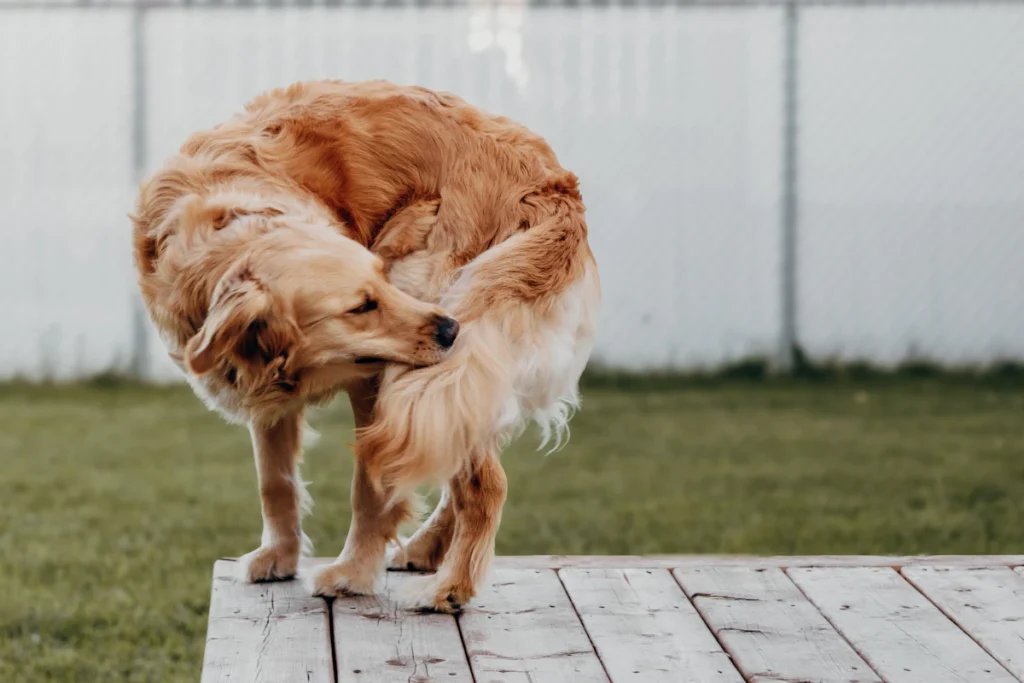
Short answer: flea allergy dermatitis (FAD) is the most common allergic skin disease in dogs and cats worldwide, and very common in India’s warm, humid climate. It is an allergic reaction to proteins in flea saliva. In a sensitised pet, one or two bites can cause intense itching for a week or more, usually over the lower back, tail base and thighs in dogs, and as tiny scabs (miliary dermatitis) in cats. You often won’t see fleas, because allergic pets groom them away. The cure is strict, year-round flea control for every pet in the house plus treating the home, with short-term itch relief and treatment of skin infection.
In this article
Key takeaways
- FAD is a hypersensitivity (both immediate and delayed) to more than 15 antigens in flea saliva. It is not a problem of “dirty” pets.
- Over 95% of the flea population (eggs, larvae, pupae) lives in the home, not on the pet. Pupae can wait for months before hatching.
- Fast-killing modern products (isoxazoline chews, some spot-ons) reduce bites, but no product prevents every bite. Consistent monthly use on all pets is key.
- Expect 6–12 weeks to break the flea life cycle in a home.
The flea life cycle and why it matters
| Stage | Where | How long | Treatment target |
|---|---|---|---|
| Adult flea | On the pet; feeds within minutes, lays 40–50 eggs a day | Weeks on the host | Adulticide on every pet |
| Egg | Falls off into bedding, carpets, sofas, car seats | 2–10 days | Vacuuming, washing; insect growth regulators |
| Larva | Hides deep in fabric and floor cracks, away from light | 1–3 weeks | Vacuuming, environmental sprays with IGR |
| Pupa (cocoon) | Protected; resistant to sprays | Days to several months; hatches with warmth, vibration, CO₂ | Vacuuming triggers hatching; keep treating pets until all hatch |
India’s warm temperatures allow fleas to breed year-round, peaking in the monsoon. Stray cats and dogs, rodents, and neighbours’ pets reintroduce fleas.
Signs in dogs and cats

| Dogs | Cats |
|---|---|
| Intense itch, chewing and licking at the lower back, tail base, back of thighs, belly | Miliary dermatitis: many tiny crusts like millet seeds, felt along the back and neck |
| Hair loss in a “triangle” over the rump; red papules; crusts | Over-grooming with symmetrical hair loss on the belly and inner thighs (barbering) |
| Hot spots (acute moist dermatitis): sudden red, oozing, painful patches | Eosinophilic granuloma complex lesions (lip ulcers, raised plaques) |
| Chronic: thickened, darkened, “elephant” skin; secondary bacterial and yeast infection | Head and neck scratching, wounds |
| Flea dirt in the coat; tapeworm segments (flea tapeworm) | Flea dirt; tapeworm segments |
Diagnosis
- Flea combing and the wet paper test: flea dirt (digested blood) dissolves into red-brown streaks on damp white paper.
- Typical distribution plus response to strict flea control is the main diagnostic tool.
- Skin cytology for secondary bacterial and yeast infection.
- Ruling out look-alikes: scabies, food allergy and atopic dermatitis often coexist; see why is my dog itching.
- Intradermal or serum flea-saliva allergy tests can support the diagnosis, but are rarely needed.
Treatment
1. Kill fleas fast on every pet
| Product class | Examples (active ingredient) | Notes |
|---|---|---|
| Isoxazoline chews (dogs) | Fluralaner (12 weeks), afoxolaner, sarolaner, lotilaner (monthly) | Kill fleas within hours, also ticks and mites; label caution in dogs with seizures |
| Isoxazoline spot-ons (cats and dogs) | Fluralaner spot-on, selamectin + sarolaner (cats) | Cat-specific products only for cats |
| Other spot-ons | Selamectin, imidacloprid ± moxidectin, fipronil ± (S)-methoprene | Fipronil resistance and bathing reduce effect in some areas |
| Collars | Imidacloprid + flumethrin (up to 8 months) | Fit correctly; check skin under the collar |
| Fast rescue | Nitenpyram tablets kill adult fleas within 30 minutes for about 24 hours | Useful for heavy infestations alongside a long-acting product |
Never use dog products containing permethrin on cats; they cause tremors, seizures and death. Do not use flea powders, kerosene, phenyl or essential oils.
2. Treat the home
- Vacuum floors, sofas, under furniture and car seats daily for 2–3 weeks, then regularly; empty the vacuum outside.
- Wash pet bedding and throws in hot water (above 60°C) weekly.
- Use a vet-recommended household spray containing an adulticide plus an insect growth regulator (IGR such as methoprene or pyriproxyfen) on carpets and pet areas; keep pets and children away until dry.
- Treat cars, kennels and any place the pet sleeps.
3. Calm the itch and heal the skin
- Short course of prednisolone (about 0.5–1 mg/kg daily for a few days, then taper) or oclacitinib (0.4–0.6 mg/kg twice daily for up to 14 days) in dogs, as prescribed.
- Antibacterial or antifungal shampoos (chlorhexidine, miconazole) 2–3 times weekly; oral antibiotics for widespread pyoderma.
- Hot spots: clipping, cleaning and topical or oral medication; an Elizabethan collar.
- Deworm for flea tapeworm with praziquantel; see worms in dogs.
Prevention
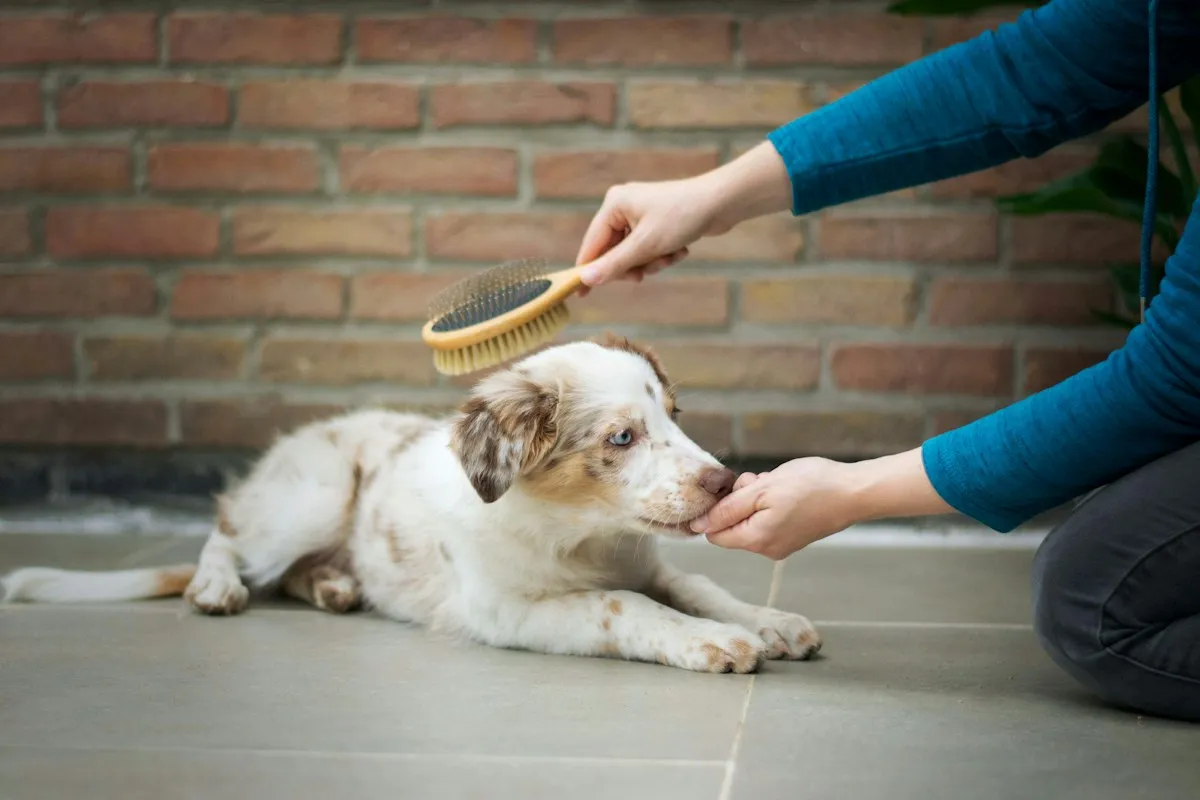
- Monthly (or 3-monthly with fluralaner) flea control for all dogs and cats, all year round, not just in summer.
- Do not let the gap between doses stretch; give doses on time, and after bathing check product instructions.
- Reduce contact with stray animals; block access under houses and stairs where strays rest.
- Combine with tick control; see flea and tick prevention in India.
Frequently asked questions
I never see fleas on my dog. Can it still be flea allergy?
Yes. Allergic pets often have very few fleas because they groom them off, and one bite is enough to trigger itching. Flea dirt or response to strict flea control confirms it.
Why is my pet still itching after a flea treatment?
New fleas keep hatching from the home for weeks, and products kill fleas after they jump on (not before they bite). Treat all pets and the home consistently for at least 2–3 months. Skin infection and other allergies may also need treatment.
Do fleas bite humans?
Yes, often around the ankles, especially when a home is heavily infested and pets are away. Treating pets and the home resolves it.
Is neem oil or a home spray enough?
No. They do not reliably kill fleas or break the life cycle, and some oils are toxic to cats. Use vet-approved products.
When to call a vet
See a vet if your pet is scratching, losing hair, has scabs or hot spots, or if fleas keep returning despite treatment. Go promptly if a cat shows tremors or drooling after any flea product.
Related Articles
- Heartworm in Dogs and Cats in India: Life Cycle, Stages, Tests, Treatment and Prevention
- How to Read Pet Food Labels in India: Complete and Balanced, Dry Matter, Life Stage and Marketing Claims
- Giardia and Coccidia in Dogs and Cats: Symptoms, Stool Tests, Treatment and Stopping Re-infection
- Is My Dog or Cat Dehydrated? 1-Minute Gum and Skin Tent Check, ORS and When To See a Vet
References
- Bruet V, et al. Flea allergy dermatitis: a review. Vet Dermatol 2012.
- Dryden MW, Rust MK. The cat flea: biology, ecology and control. Vet Parasitol 1994;52:1–19.
- Halos L, et al. Flea control failure? Myths and realities. Trends Parasitol 2014;30:228–233.
- ESCCAP Guideline 03: Control of Ectoparasites in Dogs and Cats, 2022.
- Miller WH, Griffin CE, Campbell KL. Muller and Kirk’s Small Animal Dermatology, 7th ed.
More on Cats

Vomiting and Acidity Medicines for Dogs and Cats: Maropitant (Cerenia), Ondansetron, Pantoprazole and Famotidine
How vets use maropitant, ondansetron, famotidine and pantoprazole for vomiting and acidity in dogs and cats, and why diagnosis must come first.
Meloxicam (Melonex, Metacam) for Dogs and Cats: Safe Dosing and Why You Must Never Mix Painkillers With Steroids
Meloxicam for dogs and cats: uses, weight-based dosing, extra cat precautions, side effects and dangerous drug combinations to avoid.