 Written and reviewed by Dr. Vaishnavi Karmawat, B.V.Sc. & A.H., Registered Veterinary Practitioner
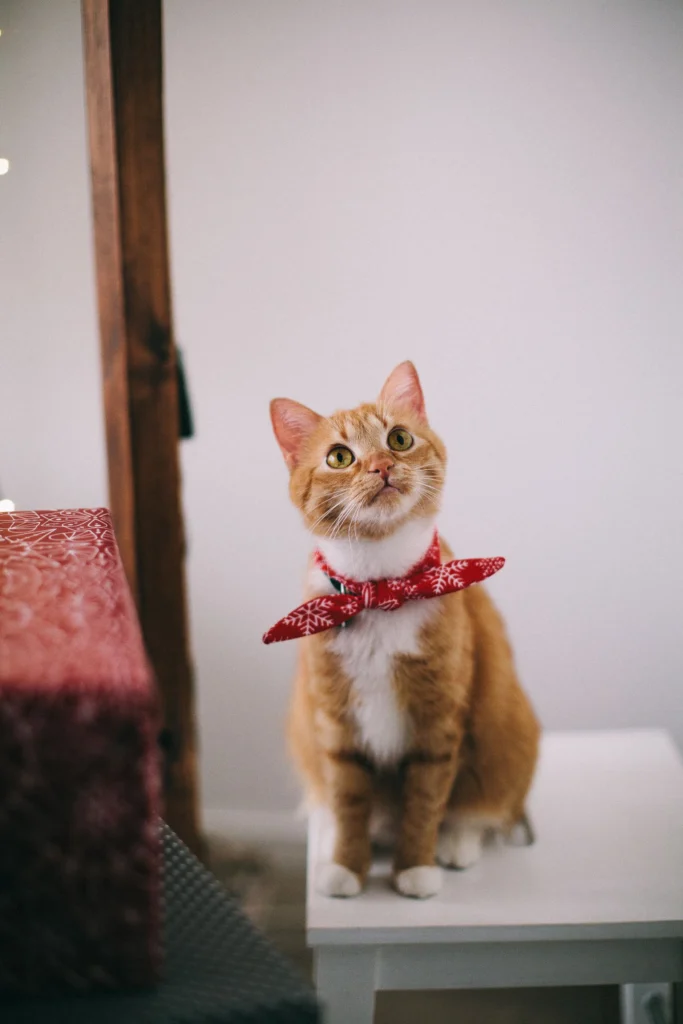
Cat flu is one of the most common illnesses in cats in India, especially in kittens, rescued cats and multi-cat homes. It is not the same as human flu and cannot pass to people. In most cases it is caused by two viruses, feline herpesvirus and feline calicivirus, often with bacteria joining in. Most adult cats recover with good care, but kittens and older cats can become seriously ill, mainly because a blocked nose stops them smelling and eating their food.
In this article
Key Takeaways
- Cat flu is mainly caused by feline herpesvirus and calicivirus, often with bacteria; it does not infect people.
- Sneezing, runny eyes and nose, mouth ulcers and loss of appetite are typical signs.
- A blocked nose stops cats smelling food, so kittens and older cats can quickly become weak.
- Steam, gentle cleaning of eyes and nose, and warm, smelly food help at home; see a vet if your cat stops eating.
- Recovered cats often carry the virus for life; vaccination reduces illness.
What causes cat flu?
- Feline herpesvirus (FHV-1): often causes more severe disease, with heavy sneezing, sore red eyes and eye ulcers
- Feline calicivirus (FCV): often causes painful mouth and tongue ulcers, and sometimes limping in kittens
- Bacteria such as Bordetella and Chlamydia in some cases, and secondary bacterial infection of the nose and eyes
The viruses spread through sneezes, shared bowls, litter trays and hands, and on clothes. Calicivirus can survive on surfaces for about a week or more.
Signs of cat flu

- Sneezing
- Runny or blocked nose
- Watery or sticky eyes, red eyes, squinting
- Fever, tiredness, hiding
- Drooling and not eating, especially with mouth ulcers
- Coughing or noisy breathing in some cats
A cat that cannot smell its food often will not eat. A cat that stops eating for more than a day needs a vet, because not eating is dangerous for cats.
Home nursing care
Your vet may prescribe medicines, but good nursing at home is what helps most cats recover:
- Clean the face several times a day with cotton wool dipped in warm, previously boiled water; use a separate piece for each eye
- Use steam: sit with your cat in the bathroom while a hot shower runs for 10 to 15 minutes to loosen nasal mucus
- Tempt appetite: offer strong-smelling, soft food, gently warmed to body temperature. Fish-based wet food or warmed chicken often helps
- Keep water close and fresh, and add water to food
- Keep warm and quiet, with a soft bed away from draughts
- Isolate the sick cat from other cats, with separate bowls and litter tray, and wash your hands after handling
Never give human cold or flu medicines, paracetamol (acetaminophen, sold as Tylenol in the US) or nasal sprays to a cat. Many are toxic to cats.
How vets treat cat flu
- Examination of the eyes, mouth and chest
- Eye drops or ointment if the eyes are infected or ulcerated
- Antibiotics if there is a bacterial infection
- Pain relief for mouth ulcers so the cat can eat
- Antiviral medicines in some severe herpesvirus cases
- Fluids, appetite support or hospital care for cats that are dehydrated or not eating
Herpesvirus vs calicivirus: telling them apart
Most cat flu is caused by one or both of these viruses. Vets can often guess which one from the signs, and a swab PCR test can confirm it.
| Feature | Feline herpesvirus (FHV-1) | Feline calicivirus (FCV) |
|---|---|---|
| Main signs | Heavy sneezing, thick nasal discharge, red swollen eyes, conjunctivitis | Ulcers on the tongue, gums and nose, drooling, milder sneezing |
| Eyes | Corneal ulcers (often branching “dendritic” ulcers), squinting; in kittens the eyelid lining can stick to the eye (symblepharon) | Mild conjunctivitis |
| Other problems | Chronic nasal congestion (“chronic snuffler”), skin sores on the face | Limping kitten syndrome (painful joints and fever), long-term gum inflammation (chronic gingivostomatitis) |
| After recovery | Almost all cats stay latent carriers for life; the virus hides in nerves and reactivates with stress | Many cats shed the virus for weeks to months; some become long-term carriers |
| Survival outside the cat | Short, about a day; killed by most disinfectants | Up to a week or more; resists some common disinfectants (use diluted bleach) |
| Rare severe form | Pneumonia in young kittens | Virulent systemic calicivirus: high fever, swelling of the face and legs, skin ulcers, jaundice; often fatal and spreads fast in shelters |
Why cat flu keeps coming back
- After recovery, about 80 percent of cats infected with herpesvirus carry it for life in the nerves near the eyes and nose.
- Stress (moving home, a new cat, boarding, surgery, a new baby, illness, or steroid medicines) can reactivate the virus. Signs return, and the cat sheds virus, usually about a week after the stressful event.
- Mothers that are carriers often reactivate the virus after giving birth, infecting kittens at a few weeks of age, just as maternal antibodies are fading.
- Keeping life predictable, providing hiding places, and introducing new cats slowly all help reduce flare-ups.
How cat flu is diagnosed
- Clinical examination: eyes (with a fluorescein stain to look for corneal ulcers), mouth, chest and temperature.
- PCR swab of the eyes, mouth or throat: detects FHV-1, FCV, Chlamydia felis, Bordetella and Mycoplasma. Useful in shelters, breeding catteries and cats with recurring signs. A positive result in a recovered cat may simply mean it is a carrier.
- Blood tests and chest X-rays for kittens that are very ill or breathing fast, to check for pneumonia.
- Testing for FIV and FeLV in cats with repeated or severe infections, because these viruses weaken immunity.
Treatment in more detail
Your vet will tailor treatment to the cause and severity. Options include:
- Antibiotics such as doxycycline when a bacterial infection (including Chlamydia felis or Bordetella) is suspected or there is thick yellow-green discharge. Antibiotics do not kill the viruses.
- Antiviral medicines (for example famciclovir by mouth, or antiviral eye drops) for cats with severe herpesvirus eye disease or chronic signs.
- Eye care: lubricating and antibiotic eye drops; never use eye drops containing steroids unless your vet prescribes them, because steroids can make herpes ulcers much worse.
- Saline nebulisation or steam for a blocked nose, since cats rely on smell to eat. A bathroom filled with steam for 10 to 15 minutes (with the cat safely outside the hot water) works at home.
- Pain relief for mouth ulcers and limping, so that the cat can eat.
- Appetite support: warm, strong-smelling wet food, appetite stimulants prescribed by the vet, and a feeding tube for cats that have not eaten for 3 or more days. Cats that stop eating are at risk of a serious liver condition (hepatic lipidosis).
- Fluids for dehydrated cats; see our dehydration check.
- L-lysine supplements were once widely recommended, but controlled studies have not shown a reliable benefit, so many vets no longer advise them.
Take a kitten to a vet the same day if it has stopped eating, is breathing with its mouth open, has a cloudy or bulging eye, or is weak. Kittens can go downhill quickly with cat flu.
How long does cat flu last?
| Situation | Usual course |
|---|---|
| Mild cat flu in an adult cat | 1 to 2 weeks |
| Kittens or unvaccinated cats | Can be more severe and last longer |
| Herpesvirus carriers | The virus stays in the body and signs can return with stress |
| Calicivirus | Many cats shed the virus for weeks or months before clearing it |
Most cats that recover become carriers that look healthy but can still infect other cats, especially after stress such as moving house, boarding or giving birth.
Prevention: vaccinate
The core cat vaccine (often called FVRCP or tricat) protects against herpesvirus and calicivirus, as well as panleukopenia. It does not always stop infection, but it greatly reduces how sick cats get. Kittens need a series of vaccines from about 6 to 8 weeks of age, then boosters. See our vaccination schedule.
Other ways to reduce the risk:
- Keep new or rescued cats separate for about two weeks before they meet your cats
- Give each cat its own bowl and litter tray in multi-cat homes
- Reduce stress with hiding places, routines and enough space
- Wash your hands after handling street cats
🩺 Dr. Vaishnavi’s Clinical Picks (Available on Amazon India)
Products I suggest to pet parents for this. For illness, always get your pet checked by a vet first.
Check temperature at home before calling the vet
Complete, taurine-fortified food for adult cats
Lickable treat to coax a sick cat to eat and drink
As an Amazon Associate, I earn from qualifying purchases. This costs you nothing extra.
Frequently asked questions
Can humans catch cat flu?
No. The viruses that cause cat flu do not infect people. Dogs do not catch it either.
Is cat flu dangerous?
Most adult cats recover, but kittens, old cats and cats with other illnesses can become very ill or develop pneumonia. A cat that stops eating needs a vet.
My vaccinated cat has cat flu. How?
Vaccines reduce severity but do not always prevent infection, and herpesvirus can reactivate in cats infected earlier in life. Vaccinated cats usually have milder signs.
Can I give my cat antibiotics left over from before?
No. Use only medicines your vet prescribes for this illness and your cat's weight.
How long should I keep my sick cat away from other cats?
Until signs have gone and your vet agrees, usually at least two weeks. Remember that recovered cats can still carry the virus.
When should you call a vet?
See a vet the same day if your cat stops eating or drinking, breathes with its mouth open, has eyes stuck shut or cloudy, drools heavily, or is a kitten with any signs. Book a visit within a day or two for milder sneezing and runny eyes that do not improve.
Recommended reading
- The Ultimate Cat Owner’s Handbook by Dr. Vaishnavi Karmawat (Kindle eBook on Amazon)
- See all titles on the Books page.
Related Articles
- Cat Constipation (Kabz) and Straining in the Litter Box: Causes, Safe Home Hydration and Fibre, and Why Human Enemas Are Deadly
- Cat Diarrhoea (Loose Motion): Causes, Why Milk Upsets Cats, Vet Treatment and Home Care
- Heartworm in Dogs and Cats in India: Life Cycle, Stages, Tests, Treatment and Prevention
- Giardia and Coccidia in Dogs and Cats: Symptoms, Stool Tests, Treatment and Stopping Re-infection
References
- Merck Veterinary Manual. Feline Respiratory Disease Complex.
- Merck Veterinary Manual (Pet Owner Version). Feline Respiratory Disease Complex (Feline Viral Rhinotracheitis, Feline Calicivirus).
- Thiry E, Addie D, Belák S, et al. Feline herpesvirus infection. ABCD guidelines on prevention and management. Journal of Feline Medicine and Surgery. 2009;11(7):547-555.
- Radford AD, Addie D, Belák S, et al. Feline calicivirus infection. ABCD guidelines on prevention and management. Journal of Feline Medicine and Surgery. 2009;11(7):556-564.
- Maggs DJ. Update on pathogenesis, diagnosis, and treatment of feline herpesvirus type 1. Clinical Techniques in Small Animal Practice. 2005;20(2):94-101.
- Bol S, Bunnik EM. Lysine supplementation is not effective for the prevention or treatment of feline herpesvirus 1 infection in cats: a systematic review. BMC Veterinary Research. 2015;11:284.
More on Cat Health and Symptoms
FIP (Feline Infectious Peritonitis) in Kittens and Cats: Wet vs Dry Signs, A:G Ratio Test and Modern Antiviral Treatment
FIP in cats: how coronavirus mutates, wet vs dry signs, key blood and fluid tests, modern antiviral treatment, and prevention in multi-cat…
Heart Disease (HCM) in Cats: Silent Signs, Open-Mouth Breathing and Sudden Back-Leg Paralysis (Saddle Thrombus)
HCM heart disease in cats: at-risk breeds, open-mouth breathing, saddle thrombus paralysis, diagnosis, treatment and home breath counting.