 Written and reviewed by Dr. Vaishnavi Karmawat, B.V.Sc. & A.H., Registered Veterinary Practitioner

An older Pomeranian that coughs at night, a Labrador that tires on short walks, or a dog that breathes fast while sleeping can all be showing early signs of heart disease. Heart disease is common in senior dogs, and when it progresses, fluid builds up in the lungs or belly: this is congestive heart failure (CHF).
In this article
- What Is Congestive Heart Failure in Dogs?
- What Causes Heart Failure in Dogs?
- Stages of Heart Disease in Dogs (ACVIM)
- Symptoms of Congestive Heart Failure in Dogs
- How Vets Diagnose Heart Disease
- Treatment of Congestive Heart Failure in Dogs
- The Sleeping Breathing Rate: Your Most Important Home Check
- Living With a Dog With Heart Disease
- What Is the Life Expectancy of a Dog With Heart Failure?
- Frequently Asked Questions
- Related Articles
- References
The good news is that with early diagnosis, modern medicines and careful home monitoring, many dogs with heart disease enjoy months to years of good-quality life. One simple habit, counting your dog’s breaths while they sleep, can catch problems before they become emergencies.
Key Takeaways
- Congestive heart failure happens when a diseased heart cannot pump efficiently, so fluid backs up into the lungs (left-sided CHF) or the belly and legs (right-sided CHF).
- In small breeds, the most common cause is leaky mitral valve disease; in large breeds, it is dilated cardiomyopathy (DCM). Heartworm disease is also important in parts of India.
- Warning signs include coughing (often at night), fast or laboured breathing, tiring easily, fainting and a swollen belly.
- Vets stage heart disease from A to D. Starting the right medicine before heart failure develops can delay it significantly.
- At home, a sleeping breathing rate consistently above 30 breaths per minute is a warning sign; laboured breathing is an emergency.
What Is Congestive Heart Failure in Dogs?
The heart has two sides. The right side receives used blood from the body and pumps it to the lungs; the left side receives oxygen-rich blood from the lungs and pumps it to the body. When disease weakens the heart or makes a valve leak, pressure builds up behind the failing side, and fluid seeps out of blood vessels into the tissues.
- Left-sided CHF (more common in dogs): fluid floods the lungs (pulmonary oedema), causing fast breathing, coughing and breathlessness.
- Right-sided CHF: fluid collects in the belly (ascites), around the lungs (pleural effusion) or in the legs, causing a swollen tummy and breathing difficulty.
What Causes Heart Failure in Dogs?
| Cause | Who gets it | What happens |
|---|---|---|
| Myxomatous mitral valve disease (MMVD) | Small and medium breeds, especially older Cavalier King Charles Spaniels, Pomeranians, Poodles, Dachshunds, Shih Tzus, Chihuahuas and Cocker Spaniels | The mitral valve thickens and leaks, so blood flows backwards into the left atrium, which enlarges. It is the most common heart disease in dogs. |
| Dilated cardiomyopathy (DCM) | Large and giant breeds: Dobermans, Boxers, Great Danes, Irish Wolfhounds; occasionally diet-related | The heart muscle becomes thin and weak and the heart dilates; dangerous arrhythmias and sudden death are possible. |
| Heartworm disease | Dogs not on prevention, especially in coastal and humid regions of India | Worms in the heart and lung arteries strain the right side of the heart. |
| Other causes | Any age | Birth defects (PDA, stenosis), fluid around the heart, high blood pressure, arrhythmias, heart infection (endocarditis) |
Read about heartworm in dogs and cats in India.
Stages of Heart Disease in Dogs (ACVIM)
| Stage | Meaning | Typical action |
|---|---|---|
| A | At risk (for example, a Cavalier) but no heart disease yet | Regular checks and listening for murmurs |
| B1 | Murmur or heart disease present, but the heart is not enlarged | Monitor with rechecks every 6–12 months |
| B2 | No symptoms, but the heart has enlarged on X-ray or echo | Pimobendan is often started; it delays the onset of heart failure in dogs with MMVD |
| C | Has had signs of heart failure, responding to treatment | Combination medicines and close monitoring |
| D | End-stage heart failure no longer controlled by standard medicines | Specialist adjustment; focus on comfort and quality of life |
Heart murmur grades
A murmur is the “whooshing” sound of turbulent blood flow. Vets grade murmurs from 1 (very soft, hard to hear) to 6 (very loud, heard with the stethoscope just off the chest, with a vibration, called a thrill, felt through the chest wall). Louder murmurs from mitral valve disease often mean more advanced disease, but every dog with a murmur should be assessed with X-rays or an echocardiogram.
Symptoms of Congestive Heart Failure in Dogs
- Coughing, often at night, after lying down or after excitement. Some dogs cough up frothy fluid.
- Fast breathing at rest or during sleep, panting when cool and calm
- Laboured breathing, flared nostrils, standing with elbows out, reluctance to lie down
- Tiring quickly on walks, lagging behind, lying down during walks
- Fainting or collapse, especially with excitement or exercise
- Restlessness at night
- Swollen belly from fluid
- Weight loss and muscle wasting, with a poor appetite
- Pale, grey or blue gums (an emergency)
Not every cough is from the heart. Small breeds commonly have collapsing windpipes and chronic bronchitis as well, and many have both. See our guide to why dogs cough.
How Vets Diagnose Heart Disease
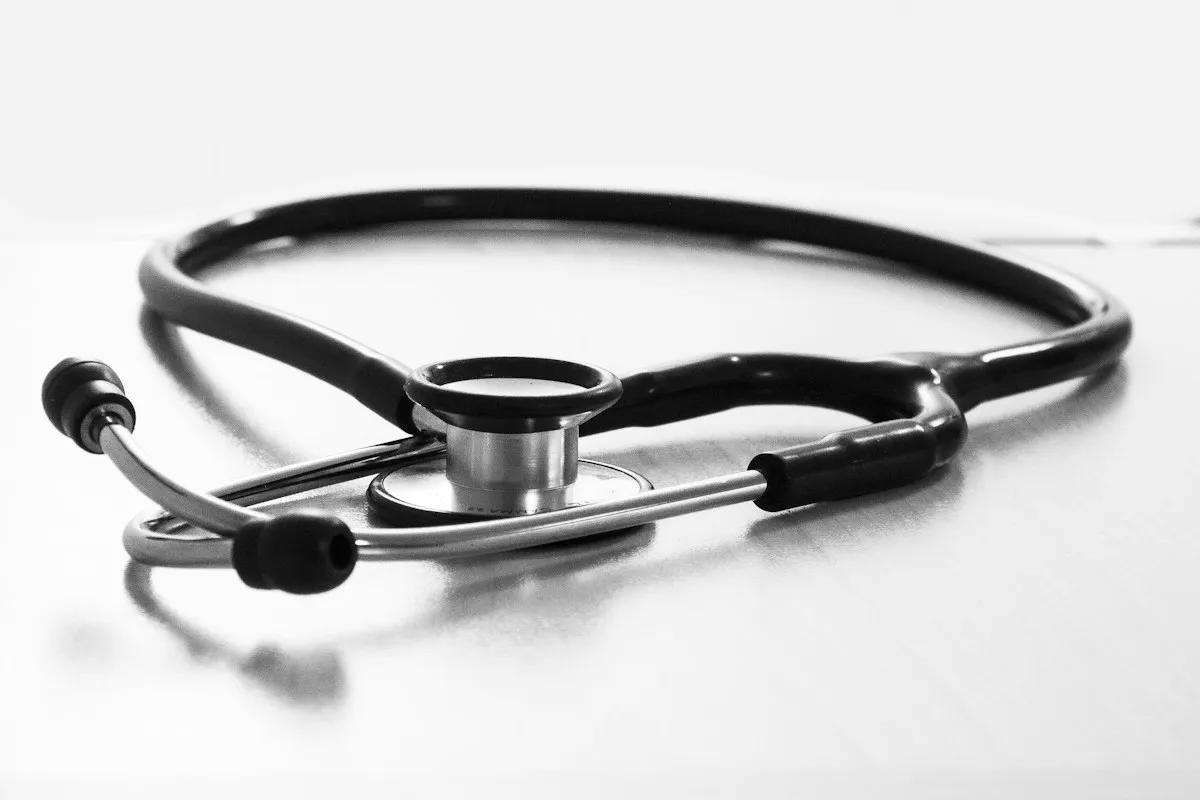
- Listening with a stethoscope for murmurs, abnormal rhythms and lung crackles
- Chest X-rays to measure heart size and look for fluid in the lungs
- Echocardiogram (heart ultrasound), the best test to identify the cause, chamber sizes and how well the heart contracts
- ECG to diagnose arrhythmias; a 24-hour Holter monitor for breeds such as Dobermans and Boxers
- NT-proBNP blood test to screen for heart muscle strain
- Blood pressure, kidney values and electrolytes before and during treatment
- Heartworm test
Treatment of Congestive Heart Failure in Dogs
Most heart disease cannot be cured, but it can be managed well. A dog in sudden heart failure needs emergency treatment with oxygen, injectable diuretics and rest in hospital. Long-term treatment usually combines several medicines:
| Medicine | What it does |
|---|---|
| Furosemide or torasemide (diuretics) | Remove excess fluid from the lungs and body; the dose is adjusted to the lowest that keeps breathing normal |
| Pimobendan | Strengthens heart contractions and widens blood vessels; also used in stage B2 to delay heart failure |
| ACE inhibitors (enalapril, benazepril) | Reduce the workload on the heart and counter hormone changes in heart failure |
| Spironolactone | A mild diuretic that also protects against harmful hormone effects on the heart |
| Antiarrhythmics (diltiazem, sotalol, digoxin and others) | Control abnormal heart rhythms, especially in DCM |
| Cough suppressants or bronchodilators | For airway-related coughing alongside heart disease, when appropriate |
Supplements such as omega-3 fatty acids may help preserve appetite and muscle, and taurine or L-carnitine are used in some dogs with DCM. Ask your vet before adding any supplement.
Never stop or change heart medicines on your own. Missing diuretic doses can cause fluid to rebuild within a day. Your vet will check kidney values and electrolytes regularly because diuretics and ACE inhibitors affect them.
The Sleeping Breathing Rate: Your Most Important Home Check

Counting your dog’s breathing rate while asleep is the best early warning that fluid is building up in the lungs, often days before coughing or distress appear.
- Wait until your dog is sound asleep and relaxed, ideally on a cool surface, not just after exercise or a hot day.
- Count one breath as one full rise and fall of the chest.
- Count for 30 seconds and multiply by 2, or count for a full minute.
- Record it daily in a notebook or a phone app.
| Sleeping breaths per minute | What it means |
|---|---|
| Under 30 (most healthy dogs 15–25) | Normal |
| Consistently over 30, or rising steadily over several days | Call your vet within 24 hours; medicines may need adjusting |
| Over 40, or laboured breathing, blue gums or collapse | Emergency: go to a vet immediately |
Living With a Dog With Heart Disease
- Exercise: gentle, regular walks at your dog’s own pace. Stop if they lag behind, pant heavily or cough. Avoid intense play.
- Heat: dogs with heart disease cope poorly with Indian summers. Walk only in the early morning or late evening, keep them in a cool room, and always provide water.
- Salt: avoid salty human foods such as namkeen, papad, chips, pickles, salted biscuits, cheese and leftover curries. Your vet may recommend a heart-friendly or moderately sodium-restricted diet in later stages.
- Weight and muscle: keep your dog lean but prevent muscle wasting. Weigh them regularly; sudden weight gain can mean fluid.
- Dental care: good oral hygiene reduces bacteria that could infect heart valves.
- Rechecks: blood tests every few months and X-rays or echos as advised.
- Heartworm prevention all year where heartworm occurs.
What Is the Life Expectancy of a Dog With Heart Failure?
It varies widely. Dogs with mitral valve disease in stage B can live for years without symptoms, especially when pimobendan is started at the right time. Once heart failure (stage C) develops, many dogs live a good-quality life for months to a couple of years with treatment. In stage D, survival is usually weeks to months. Dogs with DCM, particularly Dobermans, can have a shorter outlook and a risk of sudden death.
Heart failure itself is not usually painful, but breathlessness is distressing. When breathing can no longer be kept comfortable, your vet will help you discuss quality of life and, when the time comes, a peaceful euthanasia.
Frequently Asked Questions
Why does my dog cough more at night?
When a dog lies down, fluid in the lungs and an enlarged heart pressing on the airways can trigger coughing. Night-time coughing in an older small-breed dog should always be checked by a vet.
Can heart disease in dogs be prevented?
Most inherited heart disease cannot be prevented, but early detection lets treatment start sooner. Heartworm disease can be prevented with monthly preventives. Keep your dog at a healthy weight and have the heart checked at every annual visit, more often in at-risk breeds.
Is a heart murmur always serious?
No. Some puppies have harmless “innocent” murmurs that disappear by about 4 to 6 months of age. In adult dogs, a new murmur should be investigated to find the cause and stage.
Can a dog with heart failure take long walks?
Gentle exercise is good, but let your dog set the pace and avoid exhaustion, heat and stairs. Ask your vet for a plan based on your dog’s stage.
What are the end-stage signs?
Breathing difficulty even at rest, refusing food, fainting, a swollen belly that keeps returning and severe weakness despite medicines.
This article is for education and does not replace veterinary advice. Laboured breathing, blue gums or collapse is an emergency.
Related Articles
- Dog Bad Breath, Tartar and Bleeding Gums: 4 Stages of Dental Disease and Daily Brushing Guide
- Kennel Cough in Dogs: Symptoms, Goose-Honk vs Heart Cough, Treatment and Prevention
- Kidney Disease in Dogs and Cats: IRIS Stages, Symptoms, Renal Diet and Treatment
- Senior Dog Drinking Too Much Water and Peeing a Lot? Diabetes, Cushing’s and Steroid Side Effects
References
- Higgs V, Kleszynski B. Congestive Heart Failure in Dogs: Diagnosis, Treatment, and Everything a Pet Parent Should Know About CHF in Dogs. PetMD, 2026.
- Keene BW, Atkins CE, Bonagura JD, et al. ACVIM consensus guidelines for the diagnosis and treatment of myxomatous mitral valve disease in dogs. Journal of Veterinary Internal Medicine, 2019;33(3):1127–1140.
- Boswood A, et al. Effect of pimobendan in dogs with preclinical myxomatous mitral valve disease and cardiomegaly: the EPIC study. Journal of Veterinary Internal Medicine, 2016;30(6):1765–1779.
- Porciello F, et al. Sleeping and resting respiratory rates in dogs and cats with medically-controlled left-sided congestive heart failure. Veterinary Journal, 2016;207:164–168.
- Merck Veterinary Manual. Heart Failure in Dogs and Cats.
More on Dog Diseases and Infections

Metronidazole (Metrogyl, Flagyl) for Dogs and Cats: When Vets Use It for Loose Motion and Giardia, and Why Overdose Causes Wobbling
Metronidazole for dogs and cats: uses for Giardia and gut infections, when it is not needed, giving the bitter pill, and neurotoxicity…

IVDD (Slipped Disc) in Dogs: Sudden Back-Leg Paralysis in Dachshunds, Shih Tzus and Beagles, Crate Rest vs Surgery
Slipped disc (IVDD) in dogs: back pain to paralysis, grades, strict crate rest, when surgery is needed, recovery care and prevention.