 Written and reviewed by Dr. Vaishnavi Karmawat, B.V.Sc. & A.H., Registered Veterinary Practitioner

A round, scaly patch of hair loss on your dog’s face or your kitten’s ear, and then a red, itchy ring appears on your child’s arm. Ringworm, known in India as daad, is a fungal skin infection that passes easily between pets and people. It is especially common in kittens, long-haired cats such as Persians, puppies and pets in humid weather.
In this article
Here is how ringworm spreads, what it looks like in dogs and cats, how vets confirm it, the three parts of treatment that actually clear it, and how to protect your family. At the end, we cover other common reasons cats are itchy.
Key Takeaways
- Ringworm (dermatophytosis) is a contagious fungal infection of the skin, hair and claws, not a worm.
- Typical signs are round patches of hair loss with scaly, crusty or red edges on the face, ears, paws and tail. Some cats, especially Persians, carry it without showing signs.
- It spreads to people and other pets by direct contact and through spores on bedding, brushes, furniture and soil. Spores can survive in the home for 18 months or more.
- Effective treatment has three parts: whole-body topical treatment, oral antifungal medicine, and thorough cleaning of the home.
- Treatment usually lasts weeks to months and should continue until follow-up tests are negative. Human “daad” creams are not suitable for pets.
What Is Ringworm?
Ringworm is caused by fungi called dermatophytes, which feed on keratin, the protein in hair, the outer skin layer and claws. The three main species in pets are:
| Fungus | Main source | Notes |
|---|---|---|
| Microsporum canis | Cats (especially kittens and long-haired cats), dogs | Causes the vast majority of cases in cats and most cases in dogs; spreads easily to people |
| Microsporum gypseum (Nannizzia gypsea) | Soil | Dogs that dig, especially in warm, humid weather |
| Trichophyton mentagrophytes | Rodents | Hunting and terrier breeds; can cause more severe, inflamed lesions |
The infectious units are tiny spores (arthroconidia) shed on infected hairs. They stick to damaged skin, germinate and invade hair shafts. Lesions usually appear 1 to 3 weeks after exposure.
Pets at higher risk
- Kittens and puppies under a year old
- Persian and Himalayan cats, which often carry the fungus in their long coat without obvious lesions
- Yorkshire Terriers and Jack Russell Terriers
- Rescued, shelter, pet-shop and street animals
- Pets with weak immunity, poor nutrition, other skin disease or on steroid medicines
- All pets during India’s hot, humid monsoon months
Symptoms of Ringworm in Dogs and Cats
- Round or irregular patches of hair loss, often on the face, ear tips, head, front legs, paws and tail
- Broken, stubbly hairs and a scaly, dandruffy surface
- Red, crusty or raised edges, sometimes with a healing centre (the “ring”)
- Darkened skin in older patches
- Mild to moderate itching. Many pets are not very itchy.
- Brittle, misshapen or crumbly claws and inflamed nail beds
- In dogs, sometimes a raised, oozing, button-like lump called a kerion, often on the muzzle or legs
- In cats, generalised scaling or “miliary” scabs, or no signs at all in carriers
Ringworm can look very similar to bacterial skin infection, mange, allergies and other conditions, so it should be confirmed with tests rather than guessed. See our guides to mange in dogs and why dogs itch.
How Vets Diagnose Ringworm
- Wood’s lamp examination: under this ultraviolet light, hairs infected with M. canis often glow apple-green. Not every case glows, and some creams and scales give false glows, so this is a screening test.
- Trichogram: plucked hairs are examined under the microscope for fungal spores and hyphae.
- Fungal culture (DTM): hairs and scales, often collected by brushing the whole coat with a new toothbrush, are grown on a special medium. Results take 1 to 3 weeks and identify the species. Culture is also used to confirm cure.
- PCR: detects fungal DNA within days. It is excellent for initial diagnosis but cannot tell living from dead fungus, so it is less useful for confirming cure.
Treatment of Ringworm: The Three Pillars
Healthy short-haired pets may eventually clear ringworm on their own in a few months, but they shed spores the whole time, infecting people, other pets and the home. Treatment shortens the illness and stops the spread. It has three essential parts.
1. Whole-body topical treatment
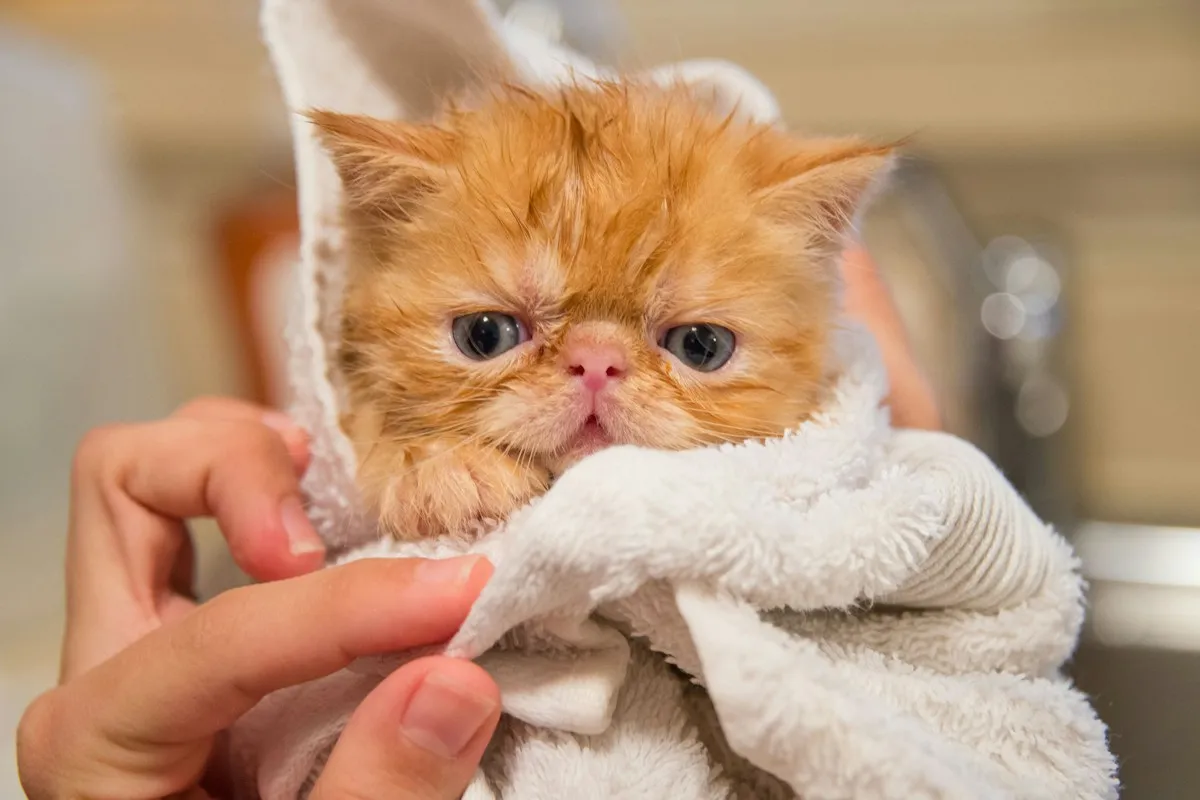
Topical treatment kills spores on the coat so the pet stops contaminating the environment. Spot-treating a single patch with a cream is not enough, because spores are spread over the whole coat.
- Lime sulphur dips, usually twice a week, are among the most effective topical treatments. They smell strongly of sulphur and can stain.
- Miconazole plus chlorhexidine shampoo, twice a week, leaving the lather on for about 10 minutes before rinsing
- Enilconazole rinses where available
Very long-haired cats may benefit from a gentle trim of matted hair, done carefully with scissors or clippers to avoid nicking the skin. Full shaving is usually avoided because small skin injuries can help the fungus spread.
2. Oral antifungal medicine
Oral medicines treat the infection inside the hair follicles and claws:
- Itraconazole, the preferred drug for cats, often given in “pulse” cycles (one week on, one week off)
- Terbinafine, effective in dogs and cats
- Griseofulvin is now rarely used. It can cause birth defects and must never be given to pregnant animals, and it can suppress the bone marrow, especially in cats with FIV.
- Ketoconazole is avoided in cats because of the risk of liver damage.
Your vet may check liver values during long courses. Give the medicine with food and exactly as prescribed.
3. Environmental decontamination

Spores are shed constantly and can survive for at least 18 months, which is the main reason ringworm keeps coming back. Clean the home as follows:
- Confine the pet during treatment to one easily cleaned room, ideally with tiled floors and no carpets or upholstered furniture.
- Clean first, then disinfect. Remove hair and dust by vacuuming or wiping with a damp microfibre cloth and detergent, because disinfectants do not work on dirty surfaces.
- Disinfect hard surfaces with a diluted household bleach solution (about 1 part bleach to 10 parts water) or an accelerated hydrogen peroxide product, left on for the recommended contact time.
- Wash bedding, blankets and washable covers twice on a hot cycle.
- Throw away or disinfect brushes, combs and collars. Empty and clean the vacuum cleaner after each use.
- Clean the confinement room twice a week, and the rest of the house at least weekly, until the pet is cured.
How long does treatment take?
Usually 6 to 12 weeks, sometimes longer for cats. Lesions often look better well before the infection is truly cleared. In cats, vets usually continue until one or two fungal cultures taken a couple of weeks apart are negative. Stopping early is the most common reason ringworm returns.
Do not use human “daad” creams
Many over-the-counter skin creams sold in India combine a steroid (such as clobetasol or betamethasone) with antifungals and antibiotics. Steroids can make ringworm spread and become harder to treat, and pets lick creams off, which can be harmful. Creams alone also cannot reach spores across the whole coat. Ask your vet before applying anything.
Ringworm and Your Family
Ringworm is zoonotic. Children, elderly people, those with diabetes or weak immunity, and anyone who cuddles the pet a lot are most at risk. In people, it usually appears as a red, itchy, ring-shaped rash on the arms, neck, face or scalp.
- Wear gloves when bathing, medicating or handling an infected pet, and wash your hands and arms afterwards.
- Keep the pet off beds and sofas during treatment.
- Wash clothes that have touched the pet.
- Anyone with a new itchy, ring-shaped rash should see a doctor and mention the pet’s ringworm. Treat human and pet infections at the same time to avoid passing the fungus back and forth.
- Test other pets in the house, since some may be silent carriers.
Also see our guide to fungal skin infections in the Indian monsoon.
Why Is My Cat Itchy? Other Common Causes
Itching in cats has many causes besides ringworm, and some cats hide it by over-grooming in private. Look for bald patches, scabs, red skin or fur in the litter box and vomit. Common causes include:
- Fleas and flea allergy, the most common cause. Cats eat fleas while grooming, so you may see only black flea dirt.
- Mites: ear mites, notoedric mange (scabby ears and face) and Cheyletiella (“walking dandruff”)
- Food allergy, often causing itching of the head and neck
- Environmental allergies (atopic skin disease) to dust mites, pollen and moulds
- Bacterial and yeast skin infections, usually secondary to another problem
- Ear infections
- Stress and anxiety, which can trigger over-grooming
- Contact with irritants such as cleaning chemicals, and, less commonly, hyperthyroidism or skin tumours
When to worry
An itchy cat is rarely an emergency, but see a vet promptly if your cat has open wounds or bleeding from scratching, is losing large areas of fur, or is unwell. Go immediately if itching comes with a swollen face, hives, repeated sneezing or difficulty breathing, which may be an allergic reaction.
Vets find the cause with a flea comb check, skin scrapings, tape samples, fungal culture, ear swabs, blood tests and, for suspected food allergy, a strict 6- to 8-week elimination diet. Never give your cat human antihistamines, steroid tablets or creams without veterinary advice.
How To Prevent Ringworm
- Keep new kittens and rescued animals separate for 2 weeks and have them checked, including a Wood’s lamp or culture if they have any patchy hair loss.
- Groom long-haired cats regularly and keep pets’ bedding clean and dry, especially during the monsoon.
- Do not share brushes and combs between pets.
- Keep pets on good parasite control, since flea bites and scratching damage the skin barrier.
- Feed a complete, balanced diet to support skin and immunity.
Frequently Asked Questions
Can I catch ringworm from my cat or dog?
Yes. Ringworm spreads easily from pets to people, especially children. Good hygiene and treating the pet and the home quickly reduce the risk.
Is ringworm dangerous for my pet?
It is uncomfortable and contagious but rarely serious in otherwise healthy pets. It can be more widespread in kittens, Persians and pets with weak immunity.
Does ringworm go away on its own?
It may in some healthy short-haired pets, but this can take months, during which spores contaminate the home and infect others. Treatment is strongly recommended.
Can I use coconut oil, neem or turmeric for ringworm?
These are not proven to cure ringworm and do not remove spores from the coat or home. Use vet-prescribed whole-body treatment and oral medicine.
How do I know my pet is cured?
Your vet will recommend repeat fungal cultures. Do not stop treatment because the patches look better.
This article is for education and does not replace veterinary advice. Anyone in your home with a skin rash should consult a doctor.
Related Articles
- Ear Mites in Cats, Kittens and Dogs: Coffee-Ground Ear Wax, Treatment for All Pets and Home Remedies To Avoid
- Best Tick and Flea Control for Dogs and Cats in India: Tablets vs Spot-On vs Collars, and a Home Protocol
- Heartworm in Dogs and Cats in India: Life Cycle, Stages, Tests, Treatment and Prevention
- Giardia and Coccidia in Dogs and Cats: Symptoms, Stool Tests, Treatment and Stopping Re-infection
References
- Howe S. Ringworm in Dogs: Symptoms, Treatment, and Prevention. PetMD.
- Kleszynski B. Itchy Cat? Possible Causes and When To Worry. PetMD, 2026.
- Moriello KA, Coyner K, Paterson S, Mignon B. Diagnosis and treatment of dermatophytosis in dogs and cats: clinical consensus guidelines of the World Association for Veterinary Dermatology. Veterinary Dermatology, 2017;28(3):266–e68.
- Miller WH, Griffin CE, Campbell KL. Muller and Kirk’s Small Animal Dermatology. 7th ed. Elsevier, 2013.
- Merck Veterinary Manual. Dermatophytosis in Animals.
More on Cat Health and Symptoms

FIP (Feline Infectious Peritonitis) in Kittens and Cats: Wet vs Dry Signs, A:G Ratio Test and Modern Antiviral Treatment
FIP in cats: how coronavirus mutates, wet vs dry signs, key blood and fluid tests, modern antiviral treatment, and prevention in multi-cat…
Heart Disease (HCM) in Cats: Silent Signs, Open-Mouth Breathing and Sudden Back-Leg Paralysis (Saddle Thrombus)
HCM heart disease in cats: at-risk breeds, open-mouth breathing, saddle thrombus paralysis, diagnosis, treatment and home breath counting.