 Written and reviewed by Dr. Vaishnavi Karmawat, B.V.Sc. & A.H., Registered Veterinary Practitioner

- Blueberries, strawberries, ripe jamun (flesh only), ripe mulberries (shahtoot), phalsa and raspberries are safe for most dogs in small amounts.
- Always remove jamun seeds, ber stones and cherry pits. Stones can block the gut, and cherry pits, stems and leaves contain cyanide-releasing compounds.
- Berries are low in calories and rich in antioxidants and fibre, but too many cause loose stools.
- Never feed grapes, raisins (kishmish) or unknown wild berries, and avoid jams, muffins, sweetened yogurts, syrups and anything with xylitol.
- Wash well, halve or mash for small dogs, and keep all treats under 10 percent of daily calories.
Berries are some of the most nutritious fruits we eat, and several are safe for dogs. In India, imported and Nilgiri blueberries are now easy to find in city supermarkets, strawberries arrive from Mahabaleshwar and the hills in winter, and jamun, shahtoot and phalsa appear in early summer and the monsoon. Many dogs love them. This guide covers which berries are safe, which to avoid, how much to give, and how to prepare them.
In this article
Safe berries at a glance
| Berry | Safe? | How to serve | Notes |
|---|---|---|---|
| Blueberry | Yes | Fresh or frozen; whole for medium and large dogs, halved or mashed for toys | Very low calorie, rich in anthocyanins; small and round, so a choking risk for gulpers |
| Strawberry | Yes | Washed, stem removed, cut into small pieces | Vitamin C, fibre, antioxidants; moderate sugar |
| Jamun (Indian blackberry) | Yes, flesh only | Ripe fruit, seed removed, 1 to 3 pieces | Astringent; can cause constipation or stomach upset in large amounts; stains fur and floors |
| Mulberry (shahtoot) | Yes, ripe only | Washed, small handful at most | Unripe berries and leaves can upset the stomach |
| Phalsa | Yes, small amounts | Ripe, washed, a few berries | Tiny hard seeds; usually served with salt and chaat masala for people, which dogs should not have |
| Raspberry, blackberry | Yes, small amounts | Washed | Raspberries contain tiny amounts of natural xylitol; keep portions small |
| Cranberry | Small amounts | Fresh or plain dried, a few | Very tart; dried cranberries are often sweetened and sometimes mixed with raisins |
| Amla (Indian gooseberry) | Small amounts | A small piece of fresh fruit | Very sour; many dogs refuse it; avoid salted, candied amla and murabba |
| Ber (Indian jujube) | Flesh only | Stone removed, a piece or two | The hard stone is a blockage risk |
| Cherry | Flesh only, rarely | Pit, stem and leaves removed | Pits, stems and leaves contain cyanogenic compounds; pits can block the gut |
| Grapes and raisins | No | Never | Can cause sudden kidney failure; see can dogs eat grapes |
| Unknown wild or garden berries | No | Never | Some ornamental and wild berries (such as lantana and nightshade berries) are toxic |
Blueberries for dogs: a closer look
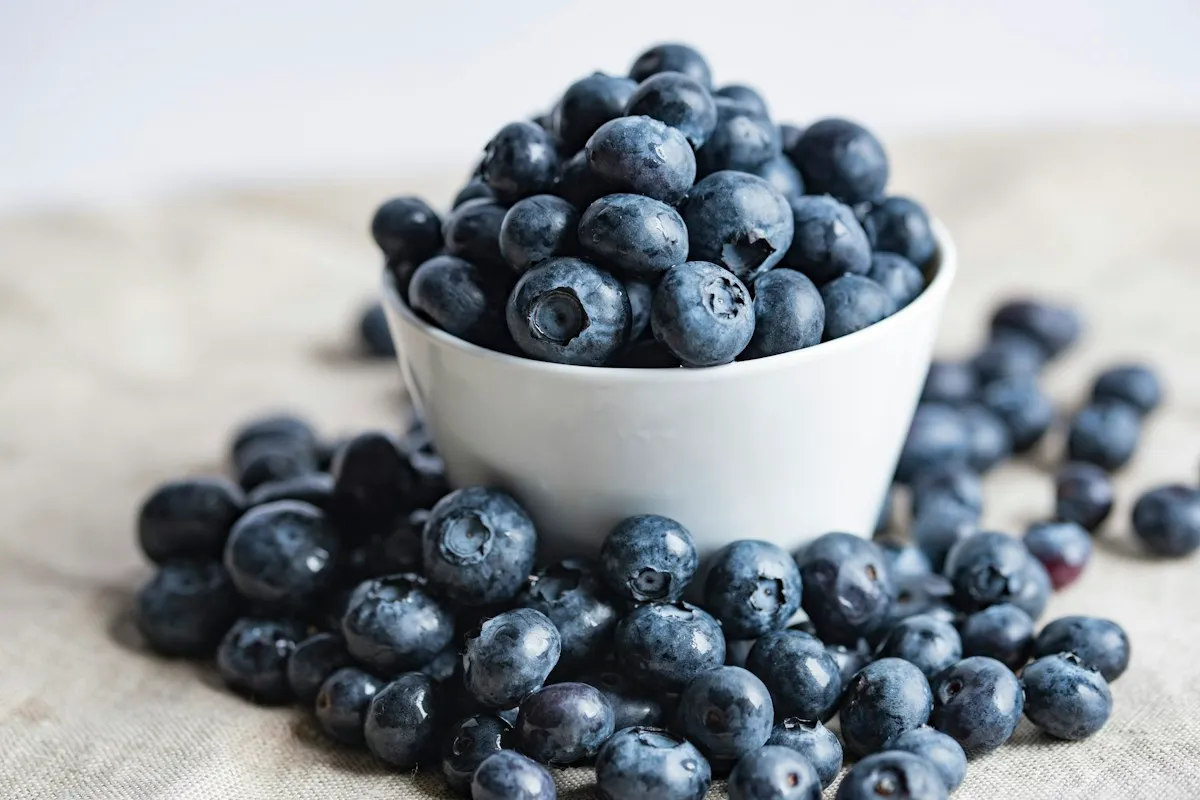
Why blueberries are a vet favourite
- Antioxidant-rich: blueberries are among the richest common fruits in anthocyanins and other polyphenols, plant compounds that help neutralise free radicals produced during normal metabolism, exercise, illness and ageing.
- Low calorie: about 57 kcal per 100 g; a single blueberry has well under 1 kcal, so they make excellent training rewards for dogs on a diet.
- Fibre: supports stool quality and healthy gut bacteria.
- Vitamins and minerals: vitamins C and K, small amounts of vitamin A, manganese and potassium.
- Small and portable: easy portion control, no peeling or seeds.
What does the research say?
Studies in sled dogs found that adding blueberries to the diet increased blood antioxidant capacity after exercise. Research in ageing dogs and other species suggests diets rich in antioxidants, including fruits and vegetables, may help support brain function and slow some signs of cognitive ageing. Blueberries also contain compounds studied for eye and urinary tract health. These findings are encouraging, but blueberries are a healthy treat, not a medicine, and cannot replace veterinary treatment for any condition.
Blueberries for senior dogs
Older dogs often benefit most from low-calorie, nutrient-dense treats. A few blueberries can replace high-calorie biscuits and add antioxidants alongside a senior diet, regular exercise and mental enrichment. Ask your vet about a complete senior plan if your dog shows signs of confusion, night-time restlessness or forgetting house training.
Fresh, frozen, dried and processed blueberries
- Fresh: best option. Wash thoroughly; imported berries may carry pesticide residues.
- Frozen: safe and refreshing in summer. Let them soften slightly for small dogs, and avoid giving a frozen handful to a dog that gulps.
- Dried: plain, unsweetened dried blueberries are concentrated in sugar, so use a third of the fresh amount. Many commercial dried berry mixes contain raisins, so read labels carefully.
- Avoid: blueberry muffins, cakes, jams, pie filling, syrup-packed or canned blueberries, and flavoured or “sugar-free” blueberry yogurt, which may contain xylitol.
Jamun: the Indian blackberry
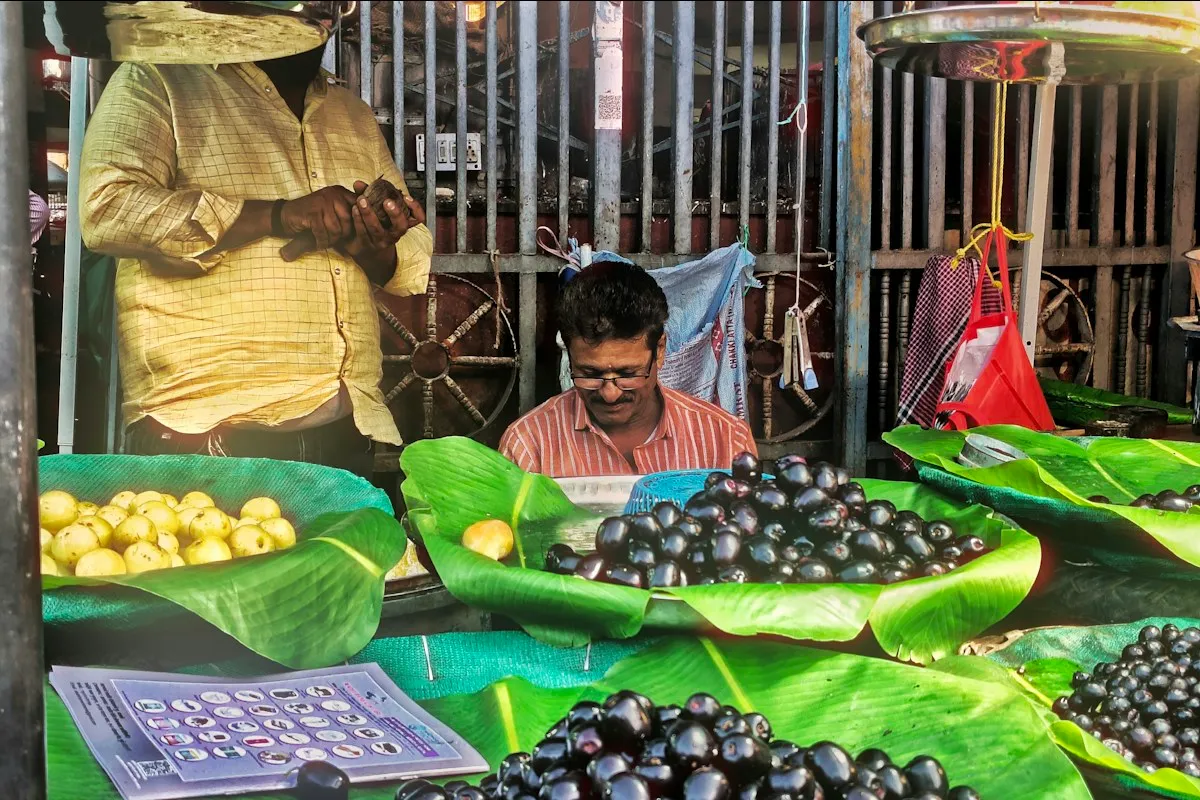
Jamun (Syzygium cumini) is a much-loved monsoon fruit, and many dogs eat fallen jamun from trees in parks and colonies. The ripe purple flesh is safe in small amounts, but:
- The seed must be removed. It is hard and can cause choking or intestinal blockage, especially in small dogs that swallow fallen fruit whole.
- Jamun is astringent, due to its tannins. Large amounts can cause stomach upset, vomiting or constipation.
- Jamun seed powder is sold as a home remedy for blood sugar in people. Do not give it to diabetic dogs; uncontrolled changes in blood sugar can be dangerous, and dosing has not been studied in dogs.
- Fallen fruit may be fermented, mouldy or covered in ants. Keep dogs away from piles of rotting jamun under trees.
- Jamun stains fur, paws and floors purple; this is harmless.
Nutrition and benefits
- Antioxidants: strawberries, blueberries, jamun and mulberries are rich in polyphenols such as anthocyanins, which give them their red, blue and purple colours.
- Vitamin C: dogs make their own vitamin C, but fruit adds a little extra.
- Fibre: helps stool quality in small amounts.
- Low calories: 100 g of strawberries has only about 32 kcal; 100 g of blueberries about 57 kcal.
- Water: strawberries are about 90 percent water, helpful in hot weather.
How many berries can my dog have?
| Dog’s weight | Strawberries (medium, cut up) | Blueberries | Jamun (seeded) |
|---|---|---|---|
| Up to 5 kg | Half to 1 | 3 to 5 | 1 |
| 5 to 10 kg | 1 to 2 | 5 to 8 | 1 to 2 |
| 10 to 25 kg | 2 to 3 | 8 to 12 | 2 |
| 25 to 40 kg | 3 to 4 | 12 to 15 | 2 to 3 |
| Over 40 kg | 4 to 5 | 15 to 20 | 3 |
These are upper limits for an occasional treat day, not a daily requirement. For daily treats, or for dogs on weight-loss plans, start at about a quarter to half of these amounts. Start with one or two berries to check tolerance, and offer berries a few times a week rather than every day.
Risks
- Choking: blueberries and whole cherries are the right size to lodge in a small dog’s throat. Halve or mash berries for toy breeds, puppies and dogs that gulp.
- Stomach upset: too many berries cause gas, loose stools or vomiting.
- Sugar: natural sugars add up. Diabetic and overweight dogs, and dogs on prescription diets, should only have berries with your vet’s approval.
- Stones and seeds: jamun seeds, ber stones and cherry pits can block the gut.
- Pesticides: wash all berries thoroughly under running water.
- Allergy: rare, but stop if you notice itching, hives, face swelling or vomiting.
- Confusion with grapes: never let dogs share mixed fruit bowls or dried-fruit mixes that contain grapes or raisins.
Serving ideas
- Plain: as training treats, one berry at a time.
- Food topper: mash a few berries into your dog’s regular food.
- Frozen bites: blueberries or chopped strawberries frozen in an ice-cube tray with water or a little plain curd.
- Lick mat or stuffed toy: mash berries with plain curd or a little ripe banana, spread on a lick mat or stuff into a toy, and freeze.
- Birthday “cake”: a small homemade cake of whole wheat atta, egg, mashed banana and a few blueberries, with no sugar, chocolate or icing.
Products to avoid
- Jams, jellies, berry syrups and squashes
- Berry muffins, cakes, ice cream and cheesecake
- Flavoured or sugar-free yogurts and smoothies (possible xylitol)
- Dried fruit and trail mixes that contain raisins
- Salted, spiced or chaat-masala berries, such as street-style phalsa or jamun with salt
- Alcohol-soaked fruit or fruit punch
Can cats eat berries?
Cats are obligate carnivores and cannot taste sweetness, so most are not interested in fruit. A blueberry or a small piece of strawberry occasionally is not harmful, and some cats enjoy playing with a frozen blueberry. Never give cats grapes or raisins. See what cats can eat.
Frequently asked questions
Can my dog eat blueberries every day?
Yes, a few blueberries daily are fine for most healthy dogs, as long as total treats stay under 10 percent of daily calories and stools stay normal.
Can puppies eat blueberries?
Yes, once they are eating solid food. Mash or halve them and give just one or two to start.
My dog ate jamun seeds. What should I do?
A single seed may pass in a large dog, but small dogs and dogs that ate several seeds can develop a blockage. Watch for vomiting, refusal to eat, a painful belly or no stool, and call your vet promptly.
Can dogs eat dried blueberries?
Plain, unsweetened dried blueberries in very small amounts are safe. Check that the pack contains no raisins, sugar or xylitol.
Are blueberries good for dogs with diabetes?
Blueberries are lower in sugar than many fruits, but any treat for a diabetic dog should be agreed with your vet so insulin and diet stay balanced.
This article is for education and does not replace veterinary advice. Always check with your vet before adding new foods, especially for dogs with health conditions or on prescription diets.
Related Articles
- Can Dogs Eat Peanut Butter, Rice and Aloo (Potato)? Safe Indian Staples vs Hidden Toxins
- Can Dogs Eat Watermelon (Tarbooz) in Indian Summer? Safe Quantity and Rind Danger
- Can Dogs Eat Paneer, Cheese or Curd? Lactose Intolerance and Safe Indian Dairy Guide for Dogs
- What Can Dogs Eat? Safe and Toxic Indian Foods for Dogs
References
- Arnold VL, Mitchell SC. Can Dogs Eat Blueberries? PetMD, updated 2025.
- Dunlap KL, Reynolds AJ, Duffy LK. Total antioxidant power in sled dogs supplemented with blueberries and the comparison of blood parameters associated with exercise. Comp Biochem Physiol A, 2006.
- National Research Council. Nutrient Requirements of Dogs and Cats. National Academies Press, 2006.
- USDA FoodData Central. Blueberries, raw; Strawberries, raw.
More on Dog Food and Diet

Best Supplements for Dogs in India: Calcium for Puppies vs Glucosamine and Omega-3 for Joints vs Probiotics
Which dog supplements work: calcium risks in puppies, glucosamine and omega-3 for joints and skin, probiotics, and human supplements that poison dogs.

Homemade Diet Chart for Indie Puppies in India: Month by Month
Need a homemade diet chart for Indie puppies in India? Dr. Vaishnavi shares a month-by-month desi puppy nutrition plan, toxic foods &…