 Written and reviewed by Dr. Vaishnavi Karmawat, B.V.Sc. & A.H., Registered Veterinary Practitioner

- Yes, dogs can eat apple (seb) in small pieces, with the core, seeds and stem removed.
- Apple seeds contain amygdalin, which releases cyanide when crushed; a few swallowed seeds are unlikely to harm a dog, but always remove them.
- The core and whole apples can cause choking or a blockage, especially in small dogs.
- Apple is low in fat and a good crunchy treat, but treats should stay under 10 percent of daily calories.
- Avoid apple pie, sweetened apple sauce, apple juice and dried apple with added sugar.
Apples are one of the safest fruits to share with a dog. They are crunchy, low in fat and most dogs enjoy them. In India, Himachal and Kashmir apples are available for much of the year and are a better choice than many packaged dog biscuits. The main risks come from the parts we normally throw away (seeds, core and stem) and from overfeeding. This guide explains the benefits, safe amounts by weight and how to prepare apple for your dog.
In this article
Benefits of apple for dogs
A medium apple (about 180 g) contains roughly 95 kcal, 25 g carbohydrate (about 19 g natural sugars), 4 g fibre and small amounts of vitamin C, potassium and plant antioxidants (polyphenols such as quercetin). For dogs, apples offer:
- Fibre (including pectin), which supports regular stools
- Low fat, making it suitable for dogs that need to avoid fatty treats, such as those with a history of pancreatitis
- Crunch, which many dogs enjoy and which helps slow down eating
- Water, about 85 percent
Apples do not clean teeth in any meaningful way, and they do not replace a complete, balanced diet.
Risks
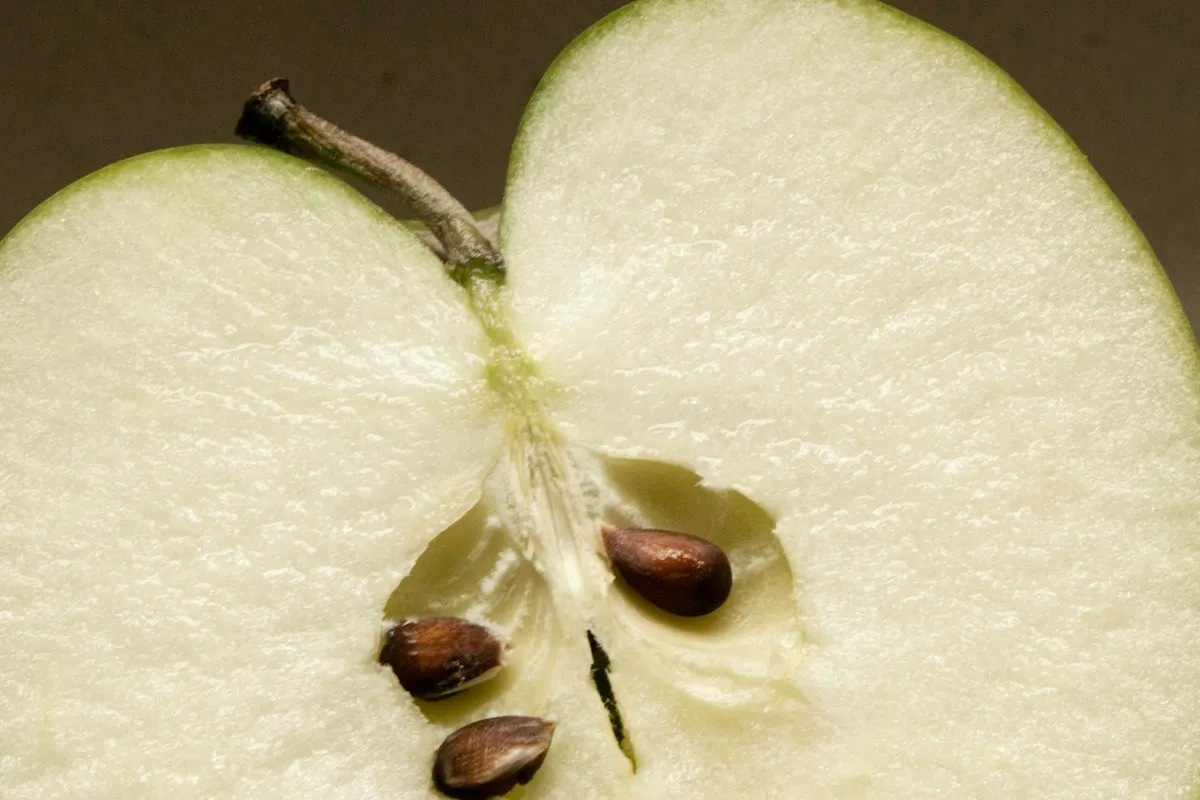
- Seeds: contain amygdalin, which can release cyanide when chewed. A dog would need to chew a large number of seeds to be poisoned, but there is no benefit, so remove them.
- Core and stem: hard and fibrous; can cause choking or block the intestine in small dogs.
- Whole apples: a dog that gulps a whole small apple can choke. Always cut it up.
- Sugar and calories: too much can cause weight gain and is not ideal for diabetic dogs.
- Stomach upset: large amounts can cause gas or loose stools.
- Pesticide residue: wash well, or peel for very small or sensitive dogs.
- Rotten or fermented apples fallen in gardens can produce alcohol and mould toxins.
How much apple can my dog eat?
Use thin pieces about 2 cm square and 0.5 cm thick.
| Dog’s weight | Pieces per day (occasional treat) |
|---|---|
| Up to 5 kg | 1 to 2 pieces |
| 5 to 10 kg | 2 to 3 pieces |
| 10 to 25 kg | 3 to 4 pieces |
| 25 to 40 kg | 4 to 5 pieces |
| Over 40 kg | 5 to 6 pieces |
Introduce slowly, and check with your vet if your dog has diabetes, obesity, kidney disease or is on a prescription diet.
How to prepare apple for your dog
- Wash the apple well.
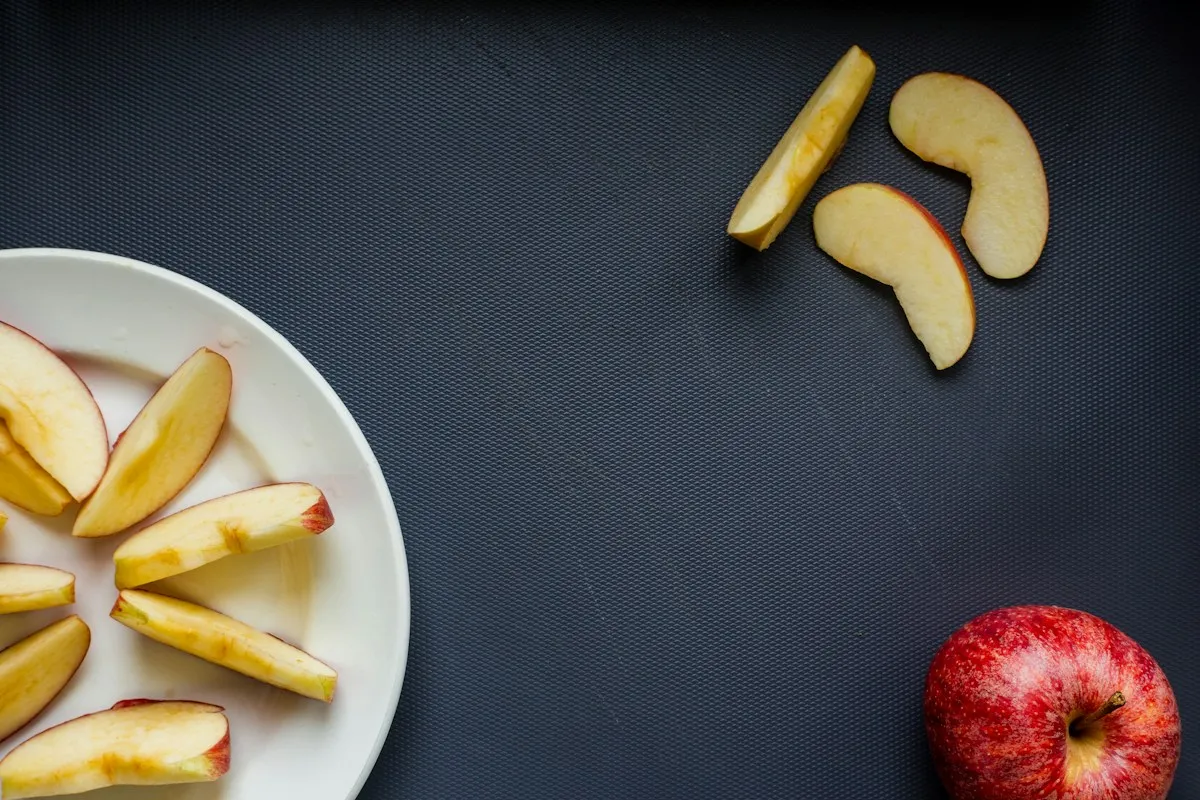
- Cut into quarters and remove the core, all seeds and the stem.
- Peel for small dogs or those with sensitive stomachs; otherwise the skin is fine and adds fibre.
- Cut into small pieces suited to your dog’s size.
Serving ideas: plain slices as a treat; grated apple mixed into food; frozen apple pieces on hot days; a little grated apple mixed with plain curd and frozen in ice trays.
Apple products to avoid
- Apple juice: concentrated sugar without fibre
- Sweetened apple sauce or jam, and any product containing xylitol
- Apple pie, cakes and muffins: sugar, butter, spices such as nutmeg
- Dried apple rings with added sugar or preservatives (plain, home-dried apple can be given in smaller amounts, as drying concentrates sugar)
- Apple cider vinegar in large amounts: not a proven remedy and can irritate the stomach
Can puppies and cats eat apple?
Puppies can have a tiny piece of peeled, seedless apple once they are on solid food, but their main diet should be a complete puppy food. Cats do not need fruit; a small piece of apple is not toxic but most cats ignore it.
Frequently asked questions
Are apple seeds poisonous to dogs?
They contain a compound that can release cyanide when crushed. A few accidentally swallowed seeds are very unlikely to cause harm in a medium or large dog, but always remove seeds before feeding.
Can dogs eat apple skin?
Yes, after washing. The skin adds fibre. Peel it for small or sensitive dogs.
Can dogs eat green apples?
Yes. Green apples are safe; some dogs dislike their sour taste.
Is apple good for dogs with diarrhoea?
Apple contains pectin, but it is not a treatment for diarrhoea. Stick to a bland diet and see our vomiting and diarrhoea guide.
Can I give my dog apple every day?
A few small pieces a day are usually fine for a healthy dog of normal weight, within the 10 percent treat rule.
What other fruits are safe for dogs?
Banana, watermelon, papaya, mango flesh and berries in moderation. Never grapes or raisins; see can dogs eat grapes.
Related Articles
- Can Dogs Eat Banana (Kela)? Serving Chart by Weight, Benefits, Risks and the Loose Motion Myth
- Can Dogs Eat Orange (Santra) or Mosambi? Benefits, Risks and Safe Amounts
- Can Dogs Eat Blueberries, Strawberries and Jamun? Safe Berries Guide for Indian Dogs (and Why Jamun Seeds Must Be Removed)
- Can Dogs Eat Mango (Aam)? Benefits, Risks, Serving Sizes and the Stone (Guthli) Danger
References
- U.S. Department of Agriculture, Agricultural Research Service. FoodData Central: Apples, raw, with skin.
- National Research Council. Nutrient Requirements of Dogs and Cats. Washington, DC: National Academies Press; 2006.
- Merck Veterinary Manual. Cyanide Poisoning in Animals.
- WSAVA Global Nutrition Committee. Global Nutrition Guidelines. Journal of Small Animal Practice. 2011;52(7):385-396.
- ASPCA. People Foods to Avoid Feeding Your Pets.
More on Dog Food and Diet

Best Supplements for Dogs in India: Calcium for Puppies vs Glucosamine and Omega-3 for Joints vs Probiotics
Which dog supplements work: calcium risks in puppies, glucosamine and omega-3 for joints and skin, probiotics, and human supplements that poison dogs.

Homemade Diet Chart for Indie Puppies in India: Month by Month
Need a homemade diet chart for Indie puppies in India? Dr. Vaishnavi shares a month-by-month desi puppy nutrition plan, toxic foods &…