 Written and reviewed by Dr. Vaishnavi Karmawat, B.V.Sc. & A.H., Registered Veterinary Practitioner

- Lethargy means a dog is unusually dull, sleepy or uninterested in food, walks and people, and it does not pass with rest.
- It is a sign of an underlying problem, not a disease. In India, tick fever, parvovirus, heat illness, pain and poisoning are among the most common causes.
- Lethargy with pale or yellow gums, breathing difficulty, a swollen belly, collapse, seizures or bloody vomit or stool is an emergency.
- A dog that is dull and not eating for more than 24 hours (12 hours for a puppy) should see a vet.
- Do not give human painkillers or fever medicines; paracetamol, ibuprofen and diclofenac can be deadly to dogs.
Every dog has lazy days, especially after a long walk, a hot afternoon or an exciting day at a wedding or festival. Lethargy is different. A lethargic dog is dull, sleeps much more than usual, is slow to respond, ignores favourite food or toys, and stays that way even after a rest. Indian pet parents often describe it as “sust” or “dull and not eating”. Because lethargy is a sign of so many illnesses, it is one of the most important reasons to look at your dog more carefully. This guide explains how to tell lethargy from normal tiredness, the emergency combinations, the common causes in India, what your vet will check and how to care for your dog at home while you watch.
In this article
Go to a vet now if your dog is dull and has any of these: pale, white, yellow or blue gums; laboured or fast breathing at rest; a swollen belly or retching without vomiting; collapse or inability to stand; seizures; vomiting or diarrhoea with blood; very high temperature after heat exposure; or possible poisoning.
Lethargy or just tired?
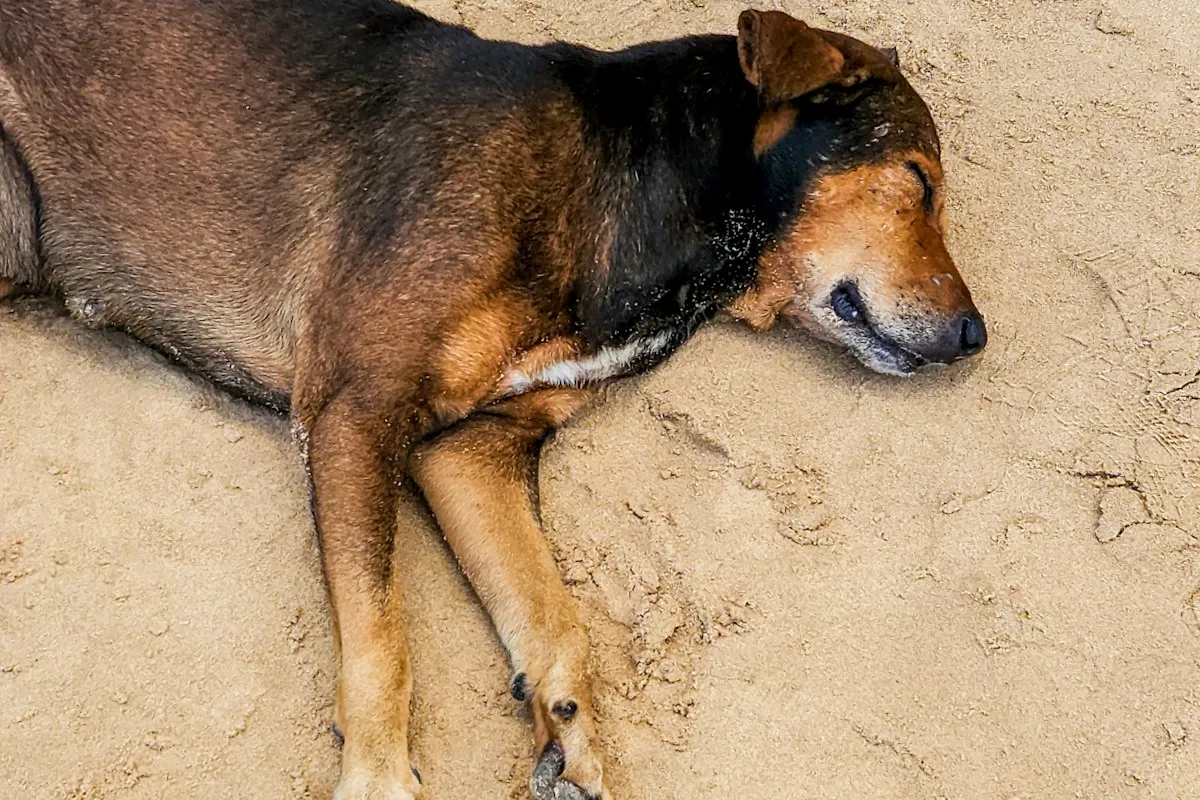
| Normal tiredness | Lethargy |
|---|---|
| Follows obvious exercise, heat or excitement | No clear reason, or lasts longer than expected |
| Wakes easily and responds to name, food, leash | Slow to respond; not interested in food, walks or people |
| Back to normal after a night’s rest | Still dull the next day |
| Eating and drinking normally | Often eating less, hiding, or sleeping in unusual places |
| Normal gums and breathing | May have abnormal gums, breathing, temperature or other signs |
Changes can be subtle in older dogs. Look for a dog that no longer meets you at the door, lags on walks, sleeps in a cooler or hidden spot, or avoids stairs.
Simple checks you can do at home
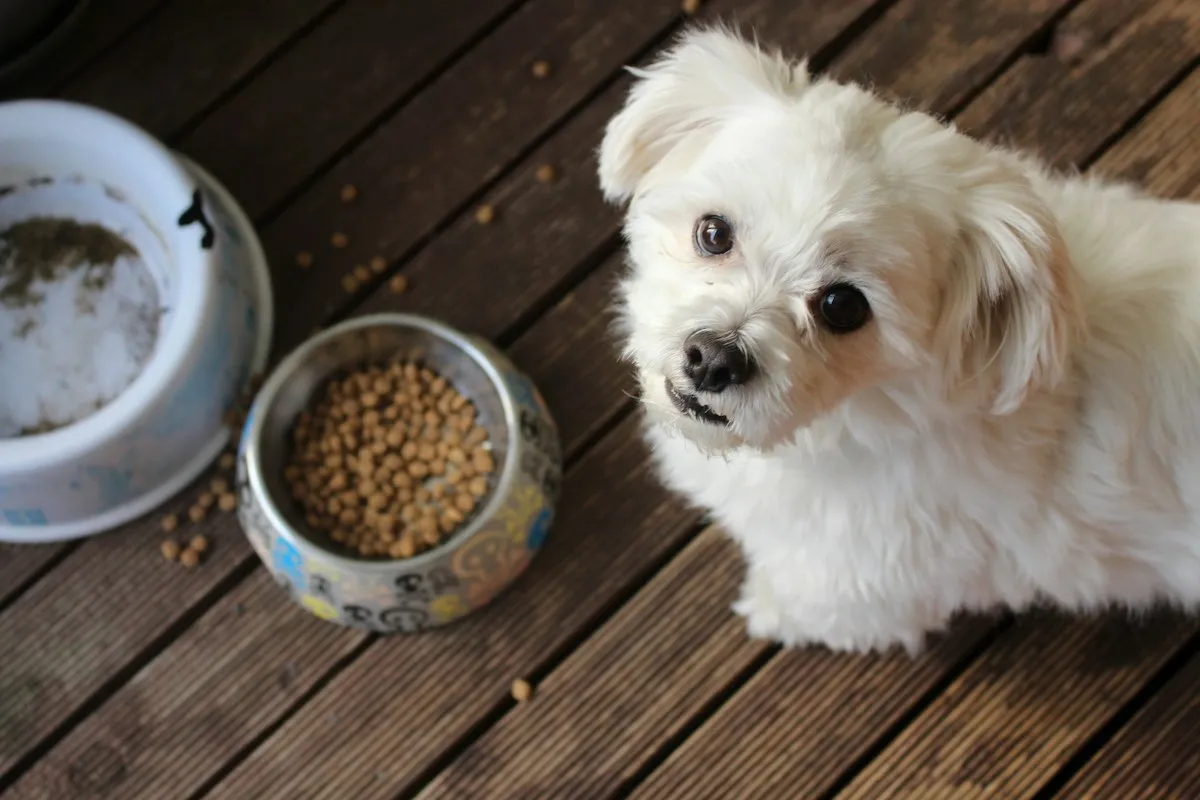
- Gums: should be pink and wet. Pale or white gums suggest anaemia or shock; yellow means jaundice; blue or grey means low oxygen; bright red can mean heatstroke or toxins.
- Capillary refill: press the gum; pink should return in under 2 seconds.
- Breathing: count breaths at rest. Over about 30 to 40 breaths per minute while sleeping, or effortful breathing, is abnormal.
- Temperature: normal rectal temperature is about 38.3 to 39.2 °C. Above 39.5 °C is a fever; below 37.5 °C is also a concern.
- Hydration: see our 1-minute dehydration check.
- Belly: look for swelling, and note any pain when gently touched.
- Urine and stool: colour (dark red or brown urine, black stool), amount and frequency.
- Ticks: check ears, between toes, under the collar and armpits.
Write down what you find. It helps your vet a lot.
10 common causes of lethargy in Indian dogs
- Tick fever (ehrlichiosis, babesiosis, anaplasmosis, hepatozoonosis): dullness, fever, poor appetite, pale gums, sometimes nosebleeds or red-brown urine. Very common across India, all year round. See tick fever in dogs.
- Viral infections: parvovirus (vomiting, bloody diarrhoea), distemper (eye and nose discharge, cough, later twitching), and kennel cough with fever. See parvovirus and kennel cough.
- Heat illness and dehydration in summer. See heatstroke in dogs.
- Pain: arthritis, back or neck disc problems, injuries, dental pain, pancreatitis. Many dogs show pain only as quietness. See arthritis and joint pain.
- Anaemia from ticks, fleas, hookworms, blood loss or immune disease. Pale gums and fast breathing on effort are clues.
- Gastrointestinal problems: gastroenteritis, swallowed objects, bloat. See dog vomiting and diarrhoea.
- Poisoning: rat poison, chocolate, grapes, onion, human medicines, insecticides. See dog ate chocolate, grapes or onion.
- Organ disease: kidney or liver disease, heart disease (tiring easily, cough, fast breathing), and lung disease. See kidney disease.
- Hormonal and metabolic disorders: hypothyroidism (weight gain, dull coat, low energy), diabetes, Cushing’s disease, Addison’s disease and low blood sugar in puppies and toy breeds.
- Infections of specific organs: pyometra (womb infection) in unspayed females a few weeks after heat, urinary infections, abscesses and pneumonia.
Other causes include side effects of new medicines or vaccines (usually mild and short-lived), cancer in older dogs, and stress or depression after changes at home. Mild tiredness for a day after vaccination is common; persistent dullness is not.
What your vet will check
- History: when it started, appetite, water intake, vomiting, diarrhoea, cough, urine, recent heat exposure, travel, ticks, new medicines, vaccination and deworming, and access to poisons.
- Full physical examination: temperature, gums, heart and lung sounds, lymph nodes, belly, joints and spine, eyes and ears.
- Blood tests: a complete blood count (anaemia, infection, low platelets in tick fever), a blood smear for tick parasites, and biochemistry for kidney, liver, glucose, protein and electrolytes.
- Rapid tests: tick-borne disease antigen or antibody kits, PCR tests where available, parvovirus test in puppies.
- Urine test: infection, kidney function, glucose.
- Imaging: chest X-rays for heart and lung disease, abdominal X-rays and ultrasound for organ changes, fluid, tumours or a swollen uterus.
- Specific tests: thyroid hormones, cortisol tests for Cushing’s or Addison’s disease, ECG for heart rhythm problems.
Treatment
Treatment depends on the cause found, for example:
- IV fluids for dehydration and shock
- Doxycycline and other specific drugs for tick-borne infections, given for the full course your vet prescribes
- Pain relief with dog-safe medicines for arthritis or injury
- Anti-nausea medicines and gut support for vomiting
- Blood transfusion for severe anaemia
- Antidotes for some poisons, such as vitamin K1 for anticoagulant rat poison
- Surgery for pyometra, swallowed objects or bloat
- Long-term medicines for heart, kidney or hormone diseases
Caring for a lethargic dog at home while you watch
If your dog is only mildly quiet, with normal gums, breathing and temperature, and is still drinking:
- Keep them in a calm, cool, quiet place where you can watch them.
- Offer fresh water and small portions of a favourite or bland food.
- Note appetite, water intake, urine, stools and any new signs.
- Restrict exercise until they are back to normal.
- See a vet if there is no improvement within 24 hours, if your dog stops eating or drinking, or if any red-flag sign appears. For puppies, seniors and dogs with existing illnesses, do not wait that long.
Never give human medicines such as paracetamol (Crocin, Dolo), ibuprofen, diclofenac or aspirin to a dull or feverish dog. They can cause liver failure, stomach ulcers and kidney damage. See paracetamol for dogs.
Prevention
- Use reliable tick and flea control all year. Check for ticks after every walk.
- Keep vaccinations and deworming up to date. See our vaccination schedule and deworming schedule.
- Avoid exercise in the heat and keep water available.
- Keep poisons, human medicines and festival foods out of reach.
- Spay female dogs not intended for breeding to prevent pyometra.
- Take dogs over 7 years for a yearly check-up with blood and urine tests.
Frequently asked questions
Why is my dog suddenly dull and not eating?
Common causes in India include tick fever, a stomach upset, a fever from infection, pain, heat exhaustion and poisoning. If it lasts more than a day, or your dog has any red-flag sign, see a vet.
Is it normal for a dog to be tired after vaccination?
Mild tiredness, a slight fever and a sore injection spot for a day or so can happen. Swelling of the face, vomiting, breathing difficulty or collapse after a vaccine is an emergency.
My dog is lethargic but eating. Should I worry?
Possibly. Pain, arthritis, hypothyroidism, heart disease and early tick fever can cause dullness while appetite stays normal. If it lasts more than a few days, book a check-up.
Can ticks make my dog lethargic?
Yes. Tick-borne infections are one of the most common causes of dullness and fever in Indian dogs, and heavy tick or flea infestations can cause anaemia. A blood test can confirm.
What can I give my lethargic dog at home?
Rest, water and small portions of food. Do not give human medicines or “tonics” without your vet’s advice. The most helpful thing is to find the cause.
How long is too long for a dog to be lethargic?
More than 24 hours for an adult dog, or more than about 12 hours for a puppy, senior or sick dog, warrants a vet visit. Any red-flag sign means go now.
Related Articles
- Dog Not Eating: Causes, What To Do, and When To See a Vet
- Dog Vomiting: Colour Guide, Causes, Vet Treatment and When To Worry
- Dog Pooping Blood in India: Red Blood (Hematochezia) vs Black Tarry Stool (Melena), Causes and When To See a Vet
- Bloody Diarrhoea in Dogs (Raspberry Jam Stool): Colitis vs Hookworms vs Parvo vs AHDS in Indian Dogs
- Why Is My Dog Shaking, Trembling or Panting at Night? Cold, Fear, Fever, Pain and Poisoning
References
- Merck Veterinary Manual. Ehrlichiosis, Anaplasmosis, and Related Infections in Animals.
- Ettinger SJ, Feldman EC, Côté E, eds. Textbook of Veterinary Internal Medicine. 8th ed. St. Louis: Elsevier; 2017 (chapters on weakness, fever and anaemia).
- Abd Rani PAM, Irwin PJ, Coleman GT, Gatne M, Traub RJ. A survey of canine tick-borne diseases in India. Parasites and Vectors. 2011;4:141.
- Tilley LP, Smith FWK. Blackwell’s Five-Minute Veterinary Consult: Canine and Feline. 7th ed. Wiley-Blackwell; 2021.
- VCA Animal Hospitals. Lethargy in Dogs.
More on Dog Symptoms and What They Mean
UTI in Dogs: Signs, Urine Tests, Right Antibiotics and Why Chemist Norflox or Cipro Can Backfire
Dog peeing often or with blood? Signs of urinary infection, urine culture, antibiotics, why UTIs recur, and when straining is an emergency.

Nursing Mother Dog Trembling (Milk Fever / Eclampsia), Distemper Twitching and Swollen Glands in Dogs: Indian Vet Triage Guide
Nursing mother dog trembling? Eclampsia (milk fever) vs seizures, distemper twitching, poisoning, swollen lymph nodes and when to rush.