 Written and reviewed by Dr. Vaishnavi Karmawat, B.V.Sc. & A.H., Registered Veterinary Practitioner
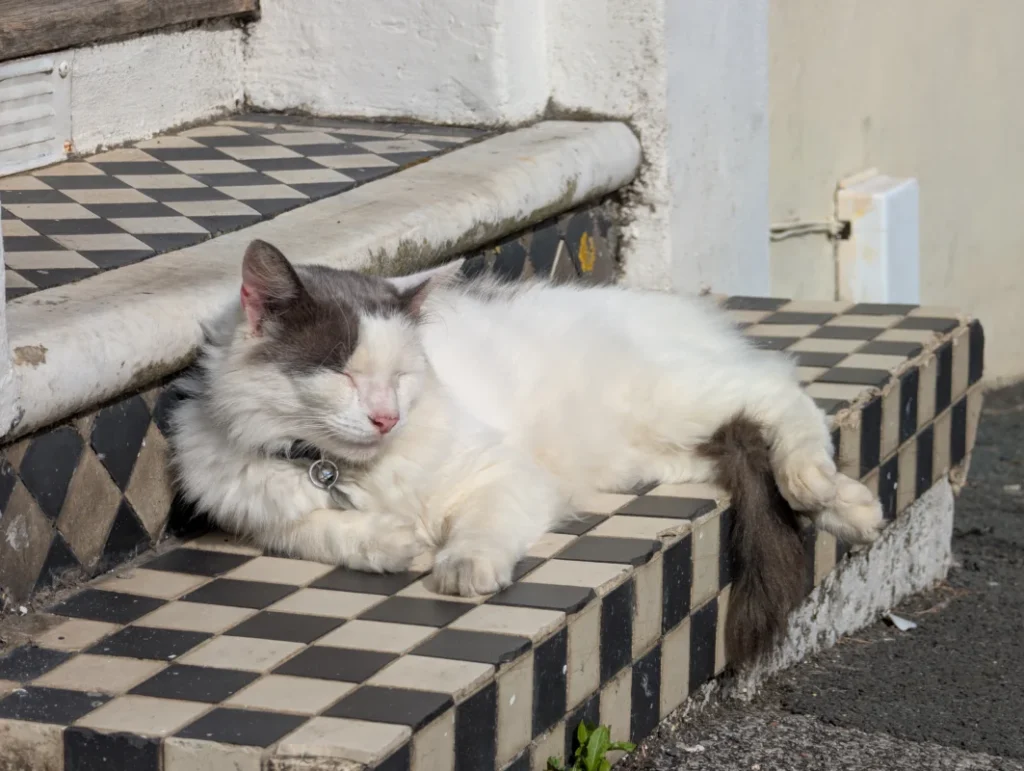
Dogs may skip a meal and be fine, but cats are different. When a cat stops eating, its body starts breaking down fat very quickly, and the liver can become overloaded with fat. This condition, called hepatic lipidosis (fatty liver disease), can develop after just a few days without food, especially in overweight cats, and it can be life-threatening. That is why a cat that has not eaten properly for more than 24 hours, or a kitten that has missed even a few meals, should be seen by a vet.
In this article
Emergency signs: go to the vet today
A male cat straining in the litter box with little or no urine is an emergency. He may have a urinary blockage, which can kill within a day or two. Go to the vet immediately.
Also see a vet the same day if your cat is not eating and has any of these:
- Repeated vomiting, or vomiting with a swollen, painful belly
- Breathing with the mouth open, or fast or noisy breathing
- Yellow gums, eyes or skin (jaundice)
- Very weak, hiding, cold or unable to stand
- Not drinking, or drinking a lot more than normal
- Drooling, pawing at the mouth or a bad smell from the mouth
- A kitten that has stopped eating
- Your cat may have eaten a toxin, string, thread or a lily
Common reasons cats stop eating
| Cause | Clues |
|---|---|
| Stress or change | New home, new pet or baby, visitors, firecrackers, moving furniture, boarding |
| Food change or stale food | Refuses new brand, old opened food, dirty or smelly bowl |
| Dental pain | Drooling, dropping food, chewing on one side, bad breath |
| Blocked nose (cat flu) | Sneezing, runny eyes; cats will not eat food they cannot smell |
| Nausea and stomach problems | Lip licking, vomiting, hairballs, diarrhoea |
| Kidney disease | Older cat, drinking and urinating more, weight loss |
| Urinary problems | Straining, frequent small urination, blood in urine, peeing outside the box |
| Pain elsewhere | Arthritis, injury, abscess from a cat fight |
| Fever and infection | Hot ears, dull, hiding |
| Other illnesses | Liver disease, pancreatitis, diabetes, thyroid disease, tumours |
Read our related guides on cat flu, kidney disease, cat vomiting and hairballs and cats peeing outside the litter box.
Safe ways to tempt your cat at home
Use these tips while you arrange a vet visit, or for a cat that is otherwise well and eating a little less after a stressful change:
- Warm the food slightly to body temperature to bring out the smell. Stir and check it is not hot
- Offer a strong-smelling wet food or a little plain cooked chicken or fish without bones, salt, onion or garlic
- Give small, fresh portions several times a day and remove uneaten wet food after about 30 minutes
- Use a wide, shallow, clean bowl; some cats dislike deep bowls that touch their whiskers
- Place food in a quiet, safe spot, away from the litter box, other pets and noise
- Gently wipe a blocked nose with a damp cloth so your cat can smell food
- Sit with your cat; some cats eat better with gentle company and praise
See our guide on what cats can eat for safe options.
What not to do
- Never starve a cat to make it accept a new food. Change foods slowly over 7 to 10 days. Read how to choose dog or cat food
- Do not force food into the mouth; it can cause choking or a lifelong food aversion
- Never give human medicines. Paracetamol (acetaminophen, sold as Tylenol in the US) is deadly to cats, and many other human drugs are toxic
- Do not give milk to "build strength"; many adult cats cannot digest it and get diarrhoea
- Do not wait several days hoping your cat will start eating on its own
What your vet will check
- Weight, temperature, mouth, teeth and gums, eyes and nose
- The belly and bladder, especially in male cats
- Blood and urine tests to check the kidneys, liver, blood sugar and infection
- X-rays or ultrasound if a blockage, swallowed object or other problem is suspected
- Treatment for the cause, plus fluids, anti-nausea medicine, appetite support or pain relief as needed
- Cats with fatty liver may need a feeding tube for a few weeks; many recover fully with this support
How much should my cat eat?
An adult cat usually eats several small meals a day. If your cat is eating less than half its normal amount for more than a day, or nothing for 24 hours, call your vet. Weigh your cat regularly; slow weight loss is an early sign of many illnesses in older cats.
New kittens need extra care; read our kitten care guide.
Common myths
| Myth | Fact |
|---|---|
| "Cats are fussy; she will eat when she is hungry." | Cats can develop fatty liver after a few days without food. Do not wait. |
| "A fat cat can safely skip meals." | Overweight cats are at the highest risk of fatty liver. |
| "Milk is good for a weak cat." | Many adult cats cannot digest milk and get diarrhoea. |
| "A little paracetamol helps a feverish cat." | Paracetamol is deadly to cats, even in small amounts. |
🩺 Dr. Vaishnavi’s Clinical Picks (Available on Amazon India)
Products I suggest to pet parents for this. For illness, always get your pet checked by a vet first.
Complete, taurine-fortified food for adult cats
Strong-smelling wet food that tempts cats who have stopped eating
Lickable treat to coax a sick cat to eat and drink
As an Amazon Associate, I earn from qualifying purchases. This costs you nothing extra.
Frequently asked questions
How long can a cat go without eating?
Do not let a cat go more than about 24 hours without eating before calling a vet, and less for kittens. Fatty liver can begin after a few days without food.
My cat is drinking water but not eating. Is that okay?
Drinking is good, but it does not replace food. A cat that is drinking but not eating for more than a day still needs a vet check.
Can stress really make my cat stop eating?
Yes. Moving home, new pets, visitors or loud noise such as firecrackers can put cats off food. Give a quiet space and tempting food, but see a vet if it lasts more than a day.
Why does my cat eat treats but not its food?
The food may be stale, the bowl may be dirty, or your cat may be feeling unwell. If refusing normal meals continues, see your vet rather than feeding only treats.
Is it normal for an old cat to eat less?
Not always. Reduced appetite in older cats is often caused by dental disease, kidney disease or other illnesses that can be treated. A vet check is worthwhile.
When to call the vet
Call your vet if your cat has not eaten for 24 hours, is eating much less than usual for more than a day, or is a kitten that has missed meals. Go immediately if a male cat is straining to urinate, or if your cat is vomiting repeatedly, breathing with its mouth open, has yellow gums, or is very weak.
Recommended reading
- The Ultimate Cat Owner’s Handbook by Dr. Vaishnavi Karmawat (Kindle eBook on Amazon)
- See all titles on the Books page.
Related Articles
More on Cat Health and Symptoms
FIP (Feline Infectious Peritonitis) in Kittens and Cats: Wet vs Dry Signs, A:G Ratio Test and Modern Antiviral Treatment
FIP in cats: how coronavirus mutates, wet vs dry signs, key blood and fluid tests, modern antiviral treatment, and prevention in multi-cat…
Heart Disease (HCM) in Cats: Silent Signs, Open-Mouth Breathing and Sudden Back-Leg Paralysis (Saddle Thrombus)
HCM heart disease in cats: at-risk breeds, open-mouth breathing, saddle thrombus paralysis, diagnosis, treatment and home breath counting.