 Written and reviewed by Dr. Vaishnavi Karmawat, B.V.Sc. & A.H., Registered Veterinary Practitioner
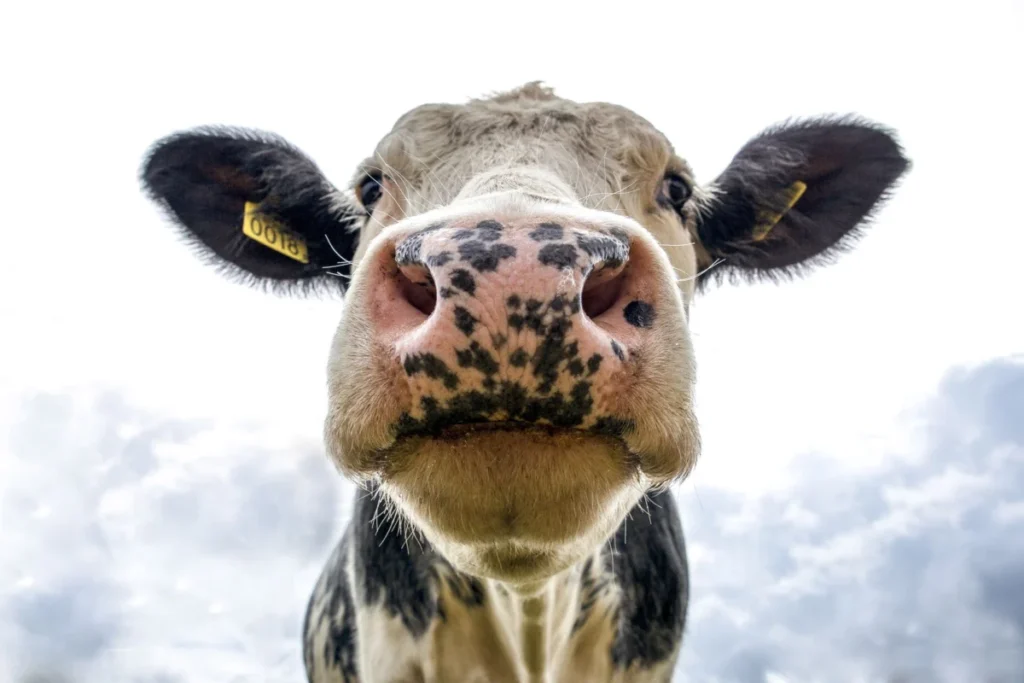
Winter is a good season for dairy animals in many ways: there is no heat stress, and green fodder like berseem is plentiful. But in much of north, central and eastern India, night temperatures can fall to 32 to 41°F (0 to 5°C), with cold waves, fog and icy winds. Cold stress makes animals burn feed just to stay warm, so milk yield falls. Newborn calves can die of chilling and pneumonia, and buffaloes feel the cold more than cows. A few simple steps in the shed, the feed trough and the water tank can protect your animals and your income all season.
In this article
- Which animals are most at risk?
- Signs of cold stress
- The shed: warm, dry and airy
- Fire and smoke: a common winter danger
- Feeding in winter
- Water: the most overlooked winter problem
- Milking and udder care
- Special care for calves
- Winter diseases to watch for
- Common myths
- Frequently asked questions
- When to call the vet
Key Takeaways
- Cold stress makes cattle burn feed to stay warm, so milk yield drops.
- Newborn calves, buffaloes, animals near calving and thin or sick animals are most at risk.
- Keep the shed dry and draught-free but ventilated; smoke from fires inside sheds harms lungs and can cause fires.
- Give extra energy feed and lukewarm water; animals drink less when water is icy, which cuts milk.
- Watch for pneumonia in calves, mastitis and cracked teats, and call a vet early.
Which animals are most at risk?
| Animal | Why they need extra care |
|---|---|
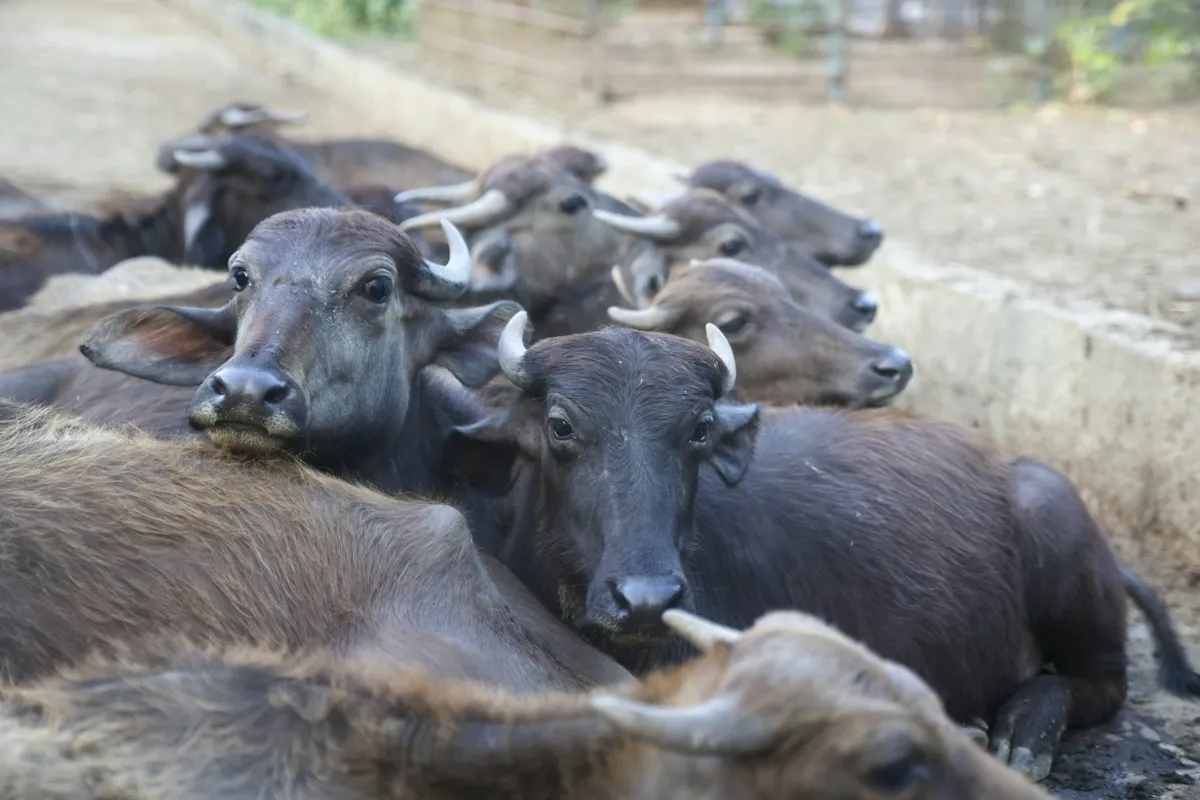
| Newborn and young calves | Small bodies lose heat quickly; chilling and pneumonia are major causes of death |
| Buffaloes and buffalo calves | Dark skin, sparse hair and less fat under the skin make them more sensitive to cold |
| Animals around calving | Stress, milk production and fluid loss make them weaker |
| Old, thin or sick animals | Less body reserve to fight cold |
| Animals with wet coats | Wet hair loses its warmth, especially in wind |
Signs of cold stress
- Shivering, hair standing up, huddling together
- Hunched back and standing with legs tucked in
- Cold ears and muzzle
- A drop in milk yield even though the animal is eating
- Loss of body condition over a few weeks
- In calves: weakness, not suckling, cold mouth, cough or fast breathing
A calf that is weak, cold to the touch and not suckling is an emergency. Dry it, wrap it in a dry gunny sack or blanket, move it to a warm, draught-free spot and call your vet or the 1962 helpline.
The shed: warm, dry and airy
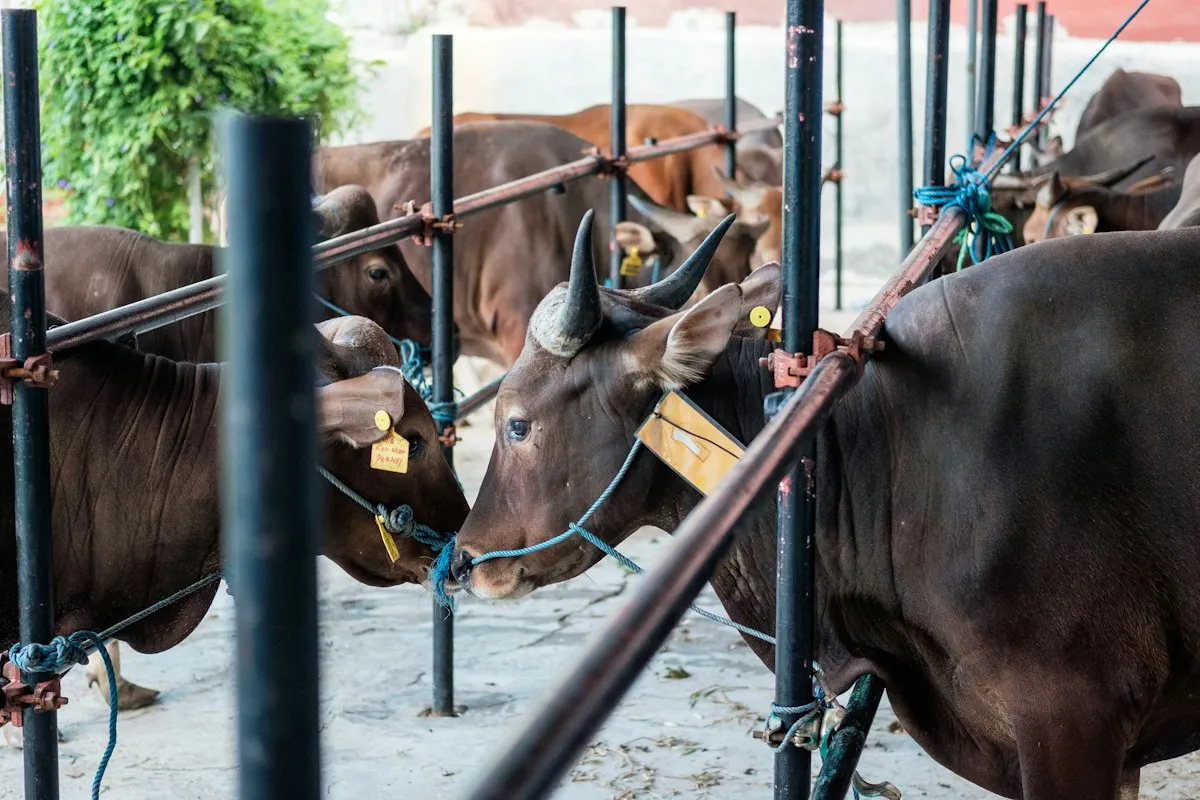
- Block cold winds, especially from the north and west. Hang jute or gunny curtains, or tarpaulin, on the open sides at night and roll them up during the day
- Do not seal the shed completely. Keep some opening high up for fresh air. Closed, damp sheds trap ammonia from urine and dung, which irritates the lungs and causes pneumonia
- Keep the floor dry. Clean dung and urine at least twice a day and fix leaking water troughs
- Give thick, dry bedding, such as paddy straw, wheat straw or dry sugarcane trash, and replace wet bedding daily
- Let animals sit in the sun for a few hours in the late morning and afternoon, then bring them inside before evening
- Tie animals so they are not lying directly on cold concrete without bedding
Fire and smoke: a common winter danger
Many farmers light a fire or smoke inside the shed to keep animals warm. This can do more harm than good.
- Never burn fires, angithis or dung cakes inside a closed shed. Smoke damages the lungs and carbon monoxide can kill animals
- Straw bedding catches fire easily, and shed fires kill many animals every winter
- If you must warm a space, use a safe heat source outside the animals' reach, with good airflow, and never leave it burning overnight
Feeding in winter
Animals need more energy in cold weather to stay warm and keep milking.
- Give a generous ration of dry roughage such as wheat straw or paddy straw, especially in the evening. Digesting roughage produces heat through the night
- Feed concentrate according to milk yield and body condition. Your vet or dairy cooperative's feed advisor can help balance the ration
- Introduce berseem and other lush green fodder gradually, and mix it with dry straw. Too much wet berseem at once can cause bloat. See our bloat guide
- Continue a good-quality mineral mixture (a mineral supplement for livestock) and salt every day
- Small amounts of jaggery or extra grain are a traditional winter energy boost; keep them small and part of a balanced ration
For more feeding tips, read how to increase milk production and how to improve fat and SNF.
Water: the most overlooked winter problem
Animals drink much less when water is ice-cold, and less water means less milk.
- Offer fresh, clean water at least three to four times a day
- Avoid giving the coldest water of early morning. Water from a tube well or bore is usually warmer; you can also let water stand in the sun or mix in some warm water so it is lukewarm, not hot
- Clean troughs regularly so animals are not put off by dirty water
Milking and udder care
- Milk with clean, dry hands, and dry the teats after washing
- Cold, dry winds can cause cracked teats. Ask your vet about a suitable teat cream or dip, as cracks invite mastitis
- Use a clean, dry place for animals to lie down after milking
- Watch for clots, flakes or swelling. Read our mastitis guide
Special care for calves
- Make sure the newborn calf gets colostrum within the first hour or two of birth
- Dry the calf well after birth, especially in cold, foggy weather
- Keep calves in a dry, draught-free pen with thick bedding, raised off cold floors
- Cover young calves with a calf jacket, clean gunny sack or old blanket at night, and keep it dry
- Feed milk at body temperature, never cold
- Watch for cough, nasal discharge, fast breathing or diarrhoea. See our newborn calf care guide
Winter diseases to watch for
| Problem | What to watch for |
|---|---|
| Pneumonia and colds | Cough, nasal discharge, fever, fast breathing, especially in calves |
| Foot and mouth disease (FMD) | Drooling, mouth and foot blisters, limping. Read our FMD guide |
| Mastitis | Hard, hot quarters, clots in milk, cracked teats |
| Bloat | Swollen left belly after eating lush berseem |
| Milk fever | Weakness or going down around calving. Read our milk fever guide |
| Lice | Itching, rubbing and hair loss, which often rise in winter |
Keep FMD and other vaccinations up to date. See our guide to free livestock vaccination and the 1962 helpline.
Common myths
| Myth | Fact |
|---|---|
| "Lighting a fire inside the shed keeps animals warm." | Smoke harms the lungs, carbon monoxide can kill, and straw sheds catch fire easily. |
| "Cover the shed fully with plastic sheets." | A sealed shed traps moisture and ammonia and causes pneumonia. Block wind but keep ventilation. |
| "Giving alcohol keeps cattle warm." | Alcohol makes the body lose heat faster and can harm animals. |
| "Buffaloes are tough and do not need shelter." | Buffaloes are more sensitive to cold than cows and need good shelter. |
🩺 Dr. Vaishnavi’s Clinical Picks (Available on Amazon India)
Products I suggest to dairy farmers for this. For a sick animal, call your vet first.
Calcium and phosphorus support for milking cows and buffaloes
Vitamins A, D3, E and B12, often mixed with liquid calcium
As an Amazon Associate, I earn from qualifying purchases. This costs you nothing extra.
Frequently asked questions
Why does milk yield drop in winter?
Animals use more energy to stay warm, and they drink less ice-cold water. Extra roughage, lukewarm water, a dry shed and protection from wind help keep milk steady.
Should I bathe buffaloes in winter?
Avoid regular bathing in cold weather. If needed, bathe in the warm part of a sunny day and let the animal dry fully in the sun.
How can I keep newborn calves warm?
Dry the calf, give colostrum quickly, keep it on thick dry bedding in a draught-free pen, and use a calf jacket or dry gunny sack at night.
Is berseem good in winter?
Yes, berseem (Egyptian clover) is an excellent winter fodder, but introduce it gradually and mix it with dry straw to prevent bloat.
Can I use a heater in the cattle shed?
Avoid fires and open flames. If you use any heating, keep it out of the animals' reach, ensure good airflow, and never leave it on unattended.
When to call the vet
Call your vet or the 1962 helpline the same day if a calf is weak, cold or not suckling, if any animal has a cough with fever or fast breathing, a sudden fall in milk, a swollen belly, or drooling and limping. Early treatment of winter pneumonia and other diseases saves animals and milk.
Recommended reading
- Dr. Vaishnavi’s animal-care books are available on her Amazon author page.
- See all titles on the Books page.
Related Articles
- How To Increase Milk Production in Cows and Buffaloes Naturally
- Repeat Breeding in Crossbred Cows: 7 Causes and Vet Treatment
- Milk Fever and Retained Placenta in Cows: Prevention Diet
- Heat Signs in Cows and Buffaloes: Best Time for AI
References
- Merck Veterinary Manual. Overview of Respiratory Diseases of Cattle.
- ICAR-Indian Veterinary Research Institute (IVRI), Izatnagar. Winter care advisories for livestock.
- Radostits OM, et al. Veterinary Medicine: A Textbook of the Diseases of Cattle, Horses, Sheep, Pigs and Goats, 10th ed. Saunders; 2007.
More on Cows and Buffaloes
Cows Eating Plastic: Symptoms, Treatment, and Prevention
Cows often swallow plastic and festival waste. Learn the signs of plastic in the stomach, how vets treat it and how to…
Repeat Breeding in Crossbred Cows: 7 Causes and Vet Treatment
Cow not conceiving after 3 AI cycles? Understand repeat breeding in crossbred cows causes and treatment in India, from subclinical endometritis to…