 Written and reviewed by Dr. Vaishnavi Karmawat, B.V.Sc. & A.H., Registered Veterinary Practitioner
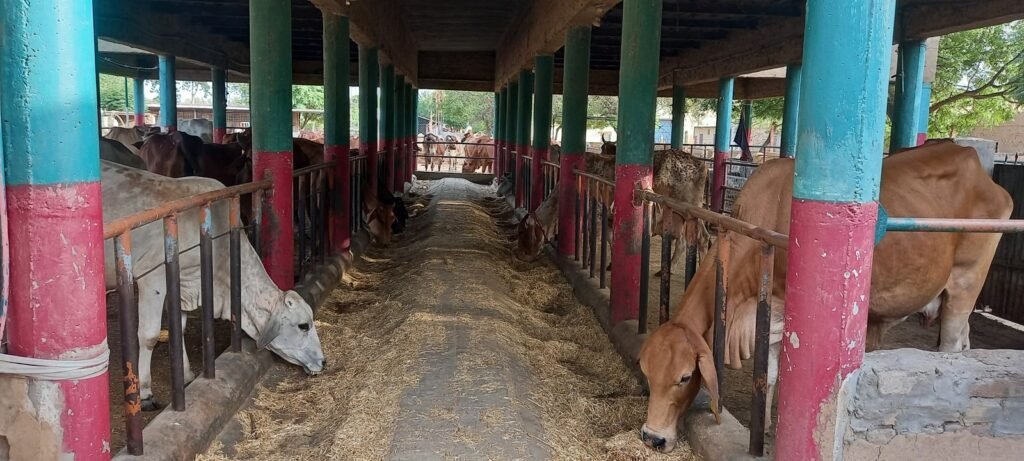
"How can I increase milk?" is the question dairy farmers ask most. There is no magic powder or injection that safely doubles milk. Real, lasting increases come from good genetics, balanced feeding, clean water, comfort and good health. This guide covers the practical steps that make the biggest difference on Indian farms.
In this article
- 1. Start with good genetics
- 2. Feed a balanced ration
- 3. Add mineral mixture every day
- 4. Silage for the lean season
- 5. Water, water, water
- 6. Keep animals cool and comfortable
- 7. Milk properly and regularly
- 8. Keep the udder healthy
- 9. Deworm and vaccinate
- 10. Manage the lactation cycle
- 11. Keep records
- When should you call a vet?
Avoid hormone injections such as oxytocin for routine milk let-down. Their misuse is regulated, and they can harm the animal's fertility and health.
1. Start with good genetics
An animal can only produce what her genes allow. Use semen from proven, high-merit bulls of a suitable breed, and raise heifers from your best mothers. Indigenous breeds such as Sahiwal, Gir, Tharparkar and Rathi, crossbred cows and Murrah buffaloes all perform well when fed and managed properly.
2. Feed a balanced ration
Milk is made from feed. A balanced ration has three parts:
Green fodder
- Cereal fodders such as maize, sorghum (jowar) and hybrid Napier
- Legume fodders such as berseem (Egyptian clover), lucerne (alfalfa) and cowpea, which are rich in protein
- A mix of cereal and legume fodder is better than either alone
Dry fodder
- Wheat straw (bhusa), paddy straw or dry grass, which keeps the rumen working and maintains milk fat
Concentrate
- A balanced cattle feed or a home mix of grains, oil cakes, bran and salt
- A common rule of thumb is about 1 to 1.5 kg (2.2 to 3.3 lb) of concentrate for body maintenance, plus about 1 kg (2.2 lb) for every 2.5 litres (2.6 US quarts) of milk in cows and every 2 litres (2.1 US quarts) in buffaloes. Your vet or feed advisor can adjust this for your animals.
Change feed gradually over a week to avoid digestive upsets.
Concentrate guide by milk yield
| Daily milk | Cow: concentrate per day | Buffalo: concentrate per day |
|---|---|---|
| 5 litres (1.3 US gallons) | About 3.5 kg (7.7 lb) | About 4 kg (8.8 lb) |
| 10 litres (2.6 US gallons) | About 5.5 kg (12 lb) | About 6.5 kg (14 lb) |
| 15 litres (4 US gallons) | About 7.5 kg (16.5 lb) | About 9 kg (20 lb) |
Rule of thumb using about 1.5 kg (3.3 lb) for body maintenance, plus 1 kg (2.2 lb) for every 2.5 litres (2.6 US quarts) of milk in cows and every 2 litres (2.1 US quarts) in buffaloes. Your vet or feed advisor can adjust this for your animals and fodder.
3. Add mineral mixture every day
Most Indian rations lack calcium, phosphorus and trace minerals such as zinc, copper and manganese. A good-quality mineral mixture (a mineral supplement for livestock) improves milk yield, fertility and immunity. Feed the amount printed on the pack every day, not just occasionally, and provide salt.
4. Silage for the lean season
Green fodder is scarce in summer and winter in many areas. Making silage from maize or sorghum when fodder is plentiful keeps milk steady all year.
5. Water, water, water
Milk is about 87 percent water. A milking cow can drink 60 to 100 litres (16 to 26 US gallons) or more a day, and more in summer. Provide clean, cool water at all times, not just two or three times a day. Low water intake directly lowers milk.
6. Keep animals cool and comfortable
- Provide shade, a well-ventilated shed and a clean, dry, soft place to lie down
- In summer, use fans, sprinklers or foggers; bathe buffaloes or let them wallow in the hot hours
- Feed more during the cooler parts of the day
Heat stress can cut milk by 10 to 20 percent or more.
7. Milk properly and regularly
- Milk at the same times every day
- Use a calm routine and the full-hand method
- Milk completely
- Consider three milkings a day for high-yielding animals
8. Keep the udder healthy
Subclinical mastitis silently cuts milk in many herds. Test with the California Mastitis Test regularly and follow the hygiene routine in our mastitis guide.
9. Deworm and vaccinate
Worms steal nutrients and diseases such as foot-and-mouth and lumpy skin disease crash milk yields. Deworm as your vet advises and keep vaccines up to date. FMD vaccination is free under the national programme.
10. Manage the lactation cycle
- Milk yield peaks about 6 to 8 weeks after calving; feed generously in early lactation
- Get animals pregnant again within about 60 to 90 days after calving. Read our heat detection guide.
- Give a dry period of about 60 days before the next calving, with good feeding, so the udder can recover and the next lactation is strong
11. Keep records
Record daily milk, feed, heats, inseminations, calvings and treatments. Records show which animals are profitable and where problems start.
When should you call a vet?
Call your vet if milk drops suddenly, an animal stops eating, has fever, an abnormal udder or milk, or does not come into heat after calving.
Recommended reading
- Dr. Vaishnavi’s animal-care books are available on her Amazon author page.
- See all titles on the Books page.
🩺 Dr. Vaishnavi’s Clinical Picks (Available on Amazon India)
Products I suggest to dairy farmers for this. For a sick animal, call your vet first.
Calcium and phosphorus support for milking cows and buffaloes
Vitamins A, D3, E and B12, often mixed with liquid calcium
As an Amazon Associate, I earn from qualifying purchases. This costs you nothing extra.
Frequently asked questions
Does mineral mixture increase milk yield?
Yes, when the ration is short of minerals. A good-quality mineral mixture given daily supports milk yield, fertility and health. Use an area-specific mixture where available.
How much water does a milking cow need?
Milking animals need a lot of water: a common thumb rule is about 3 to 4 litres for every litre of milk, on top of their normal needs. Give free access to clean water all day.
Should I use oxytocin injections to get more milk?
No. Routine oxytocin use does not replace good feeding and management, and its sale and misuse are restricted in India. Speak to your vet if a cow is not letting down milk.
Related Articles
- Winter Care for Cows and Buffaloes: Keep Milk Yield Up
- Milk Fever in Cows and Buffaloes: Symptoms, Treatment, and Prevention
- How To Increase Fat and SNF in Cow and Buffalo Milk Naturally
- Repeat Breeding in Crossbred Cows: 7 Causes and Vet Treatment
References
- National Research Council. Nutrient Requirements of Dairy Cattle, 7th rev. ed. Washington, DC: National Academies Press; 2001.
- National Dairy Development Board. Ration Balancing Programme.
- Department of Animal Husbandry and Dairying, Government of India. Rashtriya Gokul Mission: scheme guidelines.
More on Cows and Buffaloes
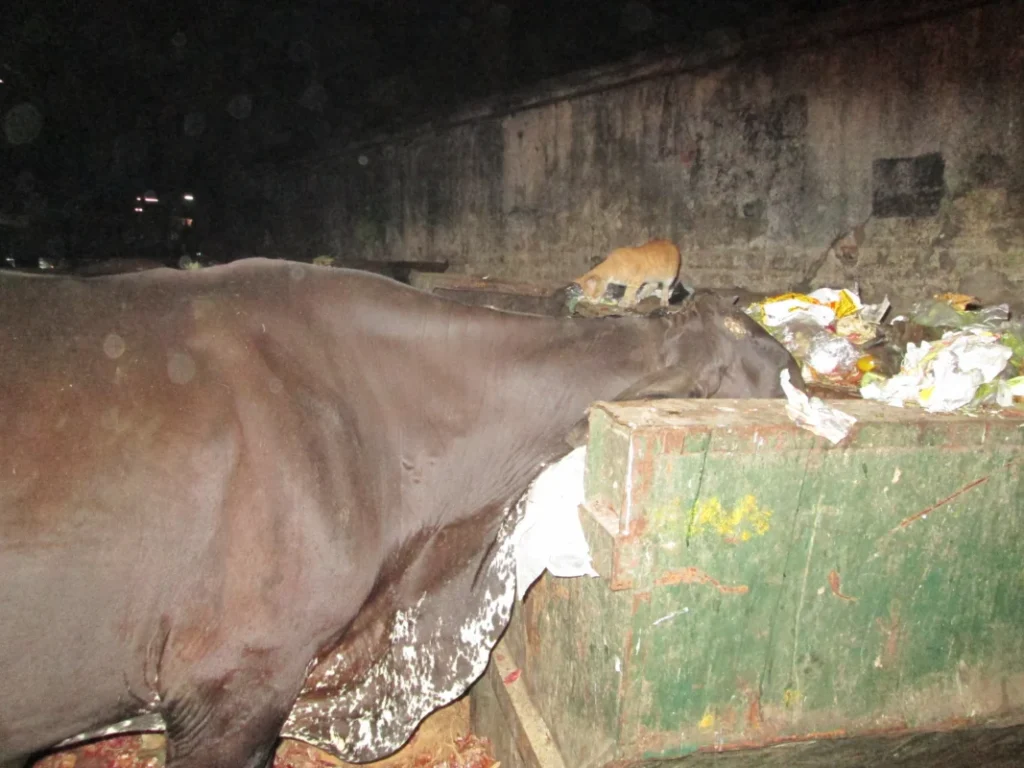
Cows Eating Plastic: Symptoms, Treatment, and Prevention
Cows often swallow plastic and festival waste. Learn the signs of plastic in the stomach, how vets treat it and how to…
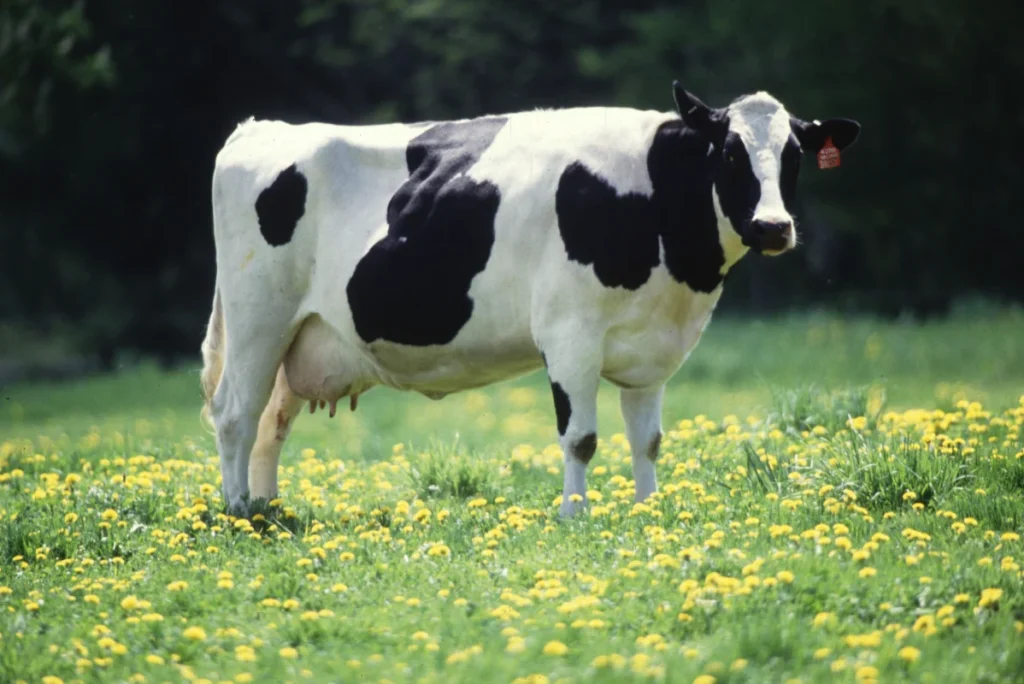
Repeat Breeding in Crossbred Cows: 7 Causes and Vet Treatment
Cow not conceiving after 3 AI cycles? Understand repeat breeding in crossbred cows causes and treatment in India, from subclinical endometritis to…