 Written and reviewed by Dr. Vaishnavi Karmawat, B.V.Sc. & A.H., Registered Veterinary Practitioner
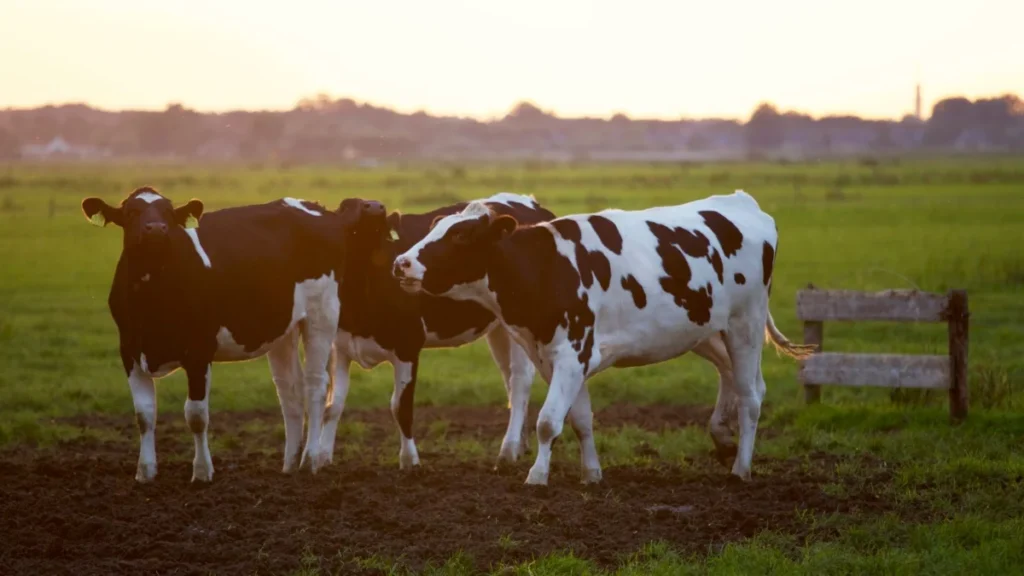
Foot and mouth disease (FMD), called *khurpaka-muhpaka* in many villages, is one of the most costly livestock diseases in India. It spreads faster than almost any other animal disease, and outbreaks become more common in the cooler months, when animals are moved for fairs, trade and grazing. Most adult animals survive, but milk yield can fall sharply, working bullocks go lame, and young calves can die suddenly. The good news is that FMD can be prevented with a free vaccine given every six months under the government's National Animal Disease Control Programme.
In this article
Key Takeaways
- FMD (khurpaka-muhpaka) is a fast-spreading viral disease of cows, buffaloes, goats, sheep and pigs.
- Fever, drooling, blisters in the mouth and feet, lameness and a sharp drop in milk are typical signs.
- Most adults survive, but milk loss is heavy and young calves can die suddenly.
- There is no cure; good nursing, mouth and foot care and vet treatment speed recovery.
- A free FMD vaccine is given every six months under the National Animal Disease Control Programme.
What causes FMD?
FMD is caused by a virus with several types (in India mainly types O, A and Asia 1). Immunity to one type does not fully protect against another, which is why animals need regular vaccination.
It affects all cloven-hoofed animals: cows, buffaloes, goats, sheep and pigs.
The virus spreads through:
- Saliva, blisters, milk, dung and breath of infected animals
- Direct contact at markets, fairs, shared ponds and grazing land
- People, clothes, footwear, vehicles and milk cans moving between farms
- Contaminated fodder, water and equipment
- The air over short distances, especially in cool, humid weather
Symptoms of FMD
| Stage | What you may see |
|---|---|
| First 1 to 3 days | High fever, often 104 to 106°F (40 to 41°C), dullness, poor appetite, sudden drop in milk |
| Blister stage | Blisters on the tongue, gums, lips, between the hooves and on the teats; heavy drooling with long strings of saliva; smacking of lips |
| After blisters burst | Painful raw wounds, refusing to eat or chew, limping, shaking the feet, lying down a lot |
| Young calves | May die suddenly from damage to the heart muscle, sometimes without any mouth blisters |
If several animals start drooling, limping or go off feed at the same time, suspect FMD. Isolate them immediately and call your vet or the 1962 mobile veterinary helpline.
FMD is a notifiable disease, so your vet will inform the animal husbandry department so the area can be vaccinated and controlled.
Why FMD causes such heavy losses
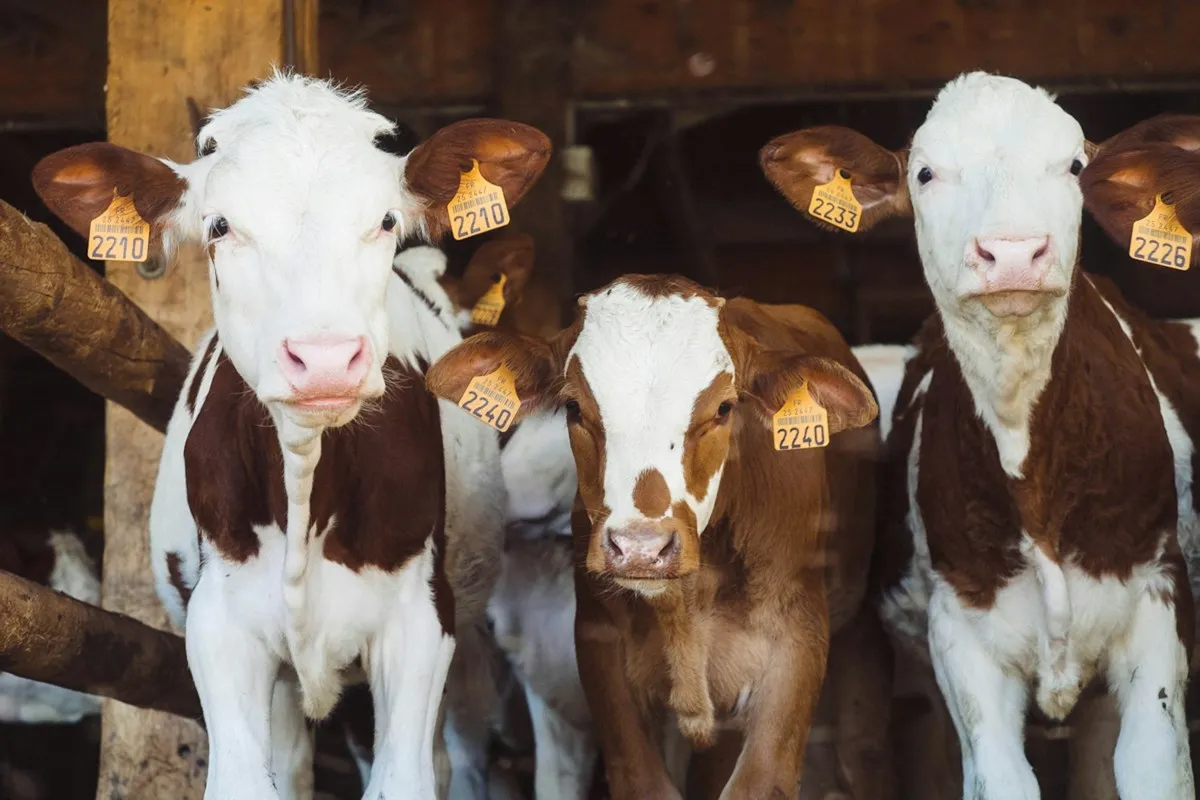
- Milk yield can drop by half or more and may not fully recover in that lactation
- Calves can die from heart damage
- Pregnant animals may abort
- Mastitis is common when teat blisters get infected. See our mastitis guide
- Lameness and hoof damage can last for weeks
- Some recovered cattle develop long-term heat intolerance, panting heavily and growing a rough, long coat
Caring for a sick animal
There is no medicine that kills the FMD virus. Treatment supports the animal while its body fights the infection, and prevents secondary infection of the wounds.
- Isolate sick animals away from the rest of the herd, with their own feeder, water trough and buckets.
- Give soft, easy-to-eat feed such as soaked bran, porridge-like gruel, fresh green fodder and tender grass.
- Keep clean drinking water within easy reach at all times.
- Clean mouth and foot wounds gently with clean water or a mild antiseptic solution recommended by your vet.
- Keep the floor clean and dry. Wet, muddy floors make foot wounds worse.
- Control flies so they do not lay eggs in the wounds and cause maggots.
- Milk affected animals completely and gently, and keep teats clean.
Do not burn, brand or put hot oil, lime or other harsh home remedies on wounds. These cause severe pain and deeper damage.
What your vet may do
- Confirm FMD and report it to the animal husbandry department
- Give pain relief and fever-reducing treatment
- Prescribe antibiotics if wounds become infected
- Dress foot wounds and treat maggots
- Advise on protecting calves and pregnant animals
- Arrange ring vaccination of healthy animals in the area
Stopping FMD spreading on your farm
- Do not buy, sell or move animals during an outbreak in your area
- Keep new animals separate for 21 days before mixing them with your herd
- Limit visitors; ask milk collectors, traders and vaccinators to clean footwear before entering
- Disinfect sheds, floors, footwear and vehicles. A washing soda (sodium carbonate) solution of 4 percent is commonly used on farms
- Do not take animals to shared ponds, fairs or common grazing land during an outbreak
- Boil milk before use, and do not feed raw milk from infected animals to calves
- Bury dead animals deep with lime, away from water sources; do not leave carcasses in the open
Prevention: free FMD vaccination every six months
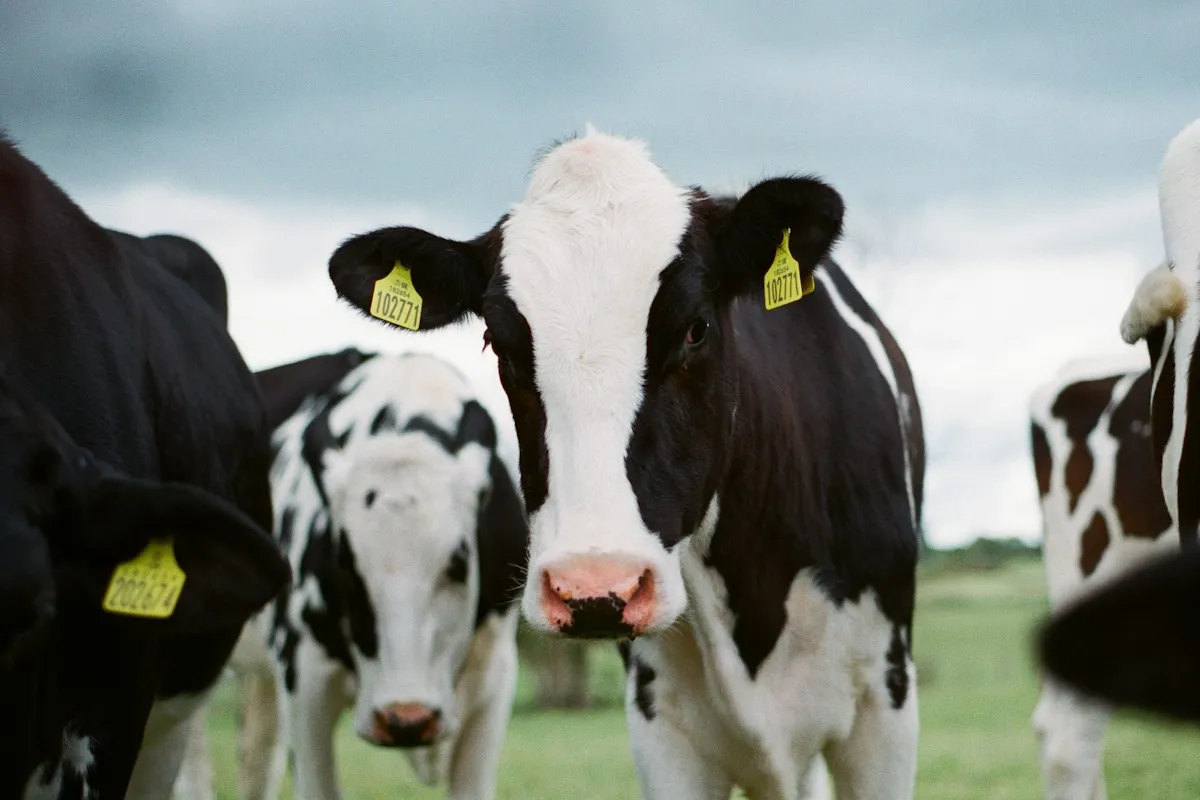
Under the National Animal Disease Control Programme (NADCP), the government provides FMD vaccination free of charge for cattle, buffaloes, sheep, goats and pigs.
| What | Details |
|---|---|
| How often | Every 6 months, in mass vaccination rounds for the whole village |
| First dose | Calves at about 4 to 5 months of age |
| Who gives it | Government vaccinators and veterinary staff, usually door to door |
| Identification | Vaccinated animals get a 12-digit ear tag and are recorded in the government animal health database |
| Cost to farmer | Free |
- Get every animal vaccinated in every round, including dry and pregnant animals unless your vet advises otherwise
- Keep the vaccination record and ear tag safe. It helps with insurance claims and compensation. See our guides on Pashu Aadhaar ear tags and livestock insurance claims
- If you missed a round, contact your local veterinary hospital or call 1962. See our guide to free livestock vaccination and the 1962 helpline
Common myths
| Myth | Fact |
|---|---|
| "Vaccination reduces milk." | Any dip is small and short. FMD itself can cut milk by half. |
| "Buffaloes do not get FMD." | Buffaloes get FMD and can spread it to cattle. |
| "One vaccine protects for life." | Protection fades, so vaccination is needed every six months. |
| "Hot branding or burning the wounds cures FMD." | These cause pain and infection. Gentle wound care and vet treatment help. |
🩺 Dr. Vaishnavi’s Clinical Picks (Available on Amazon India)
For keeping flies off mouth and hoof wounds while the animal heals.
First-aid spray for minor wounds and to keep flies away
As an Amazon Associate, I earn from qualifying purchases. This costs you nothing extra.
Frequently asked questions
Can humans get foot and mouth disease from cattle?
Human infection is extremely rare. FMD in animals is not the same as "hand, foot and mouth disease" seen in children, which is caused by different viruses. Still, wash your hands after handling sick animals and boil milk.
Is milk from an FMD-affected cow safe to drink?
Boil all milk before use. Many dairies will not collect milk from infected animals during an outbreak, so check with your collection centre.
Can an animal get FMD again after recovering?
Yes. Immunity after infection protects mainly against the same virus type and fades with time, so recovered animals still need regular vaccination.
Can pregnant cows and buffaloes be vaccinated?
FMD vaccination is generally given to pregnant animals during government rounds. If your animal is close to calving or unwell, ask your vet.
How long does an animal take to recover?
Mouth wounds often heal in about 1 to 2 weeks with good care. Foot wounds and milk yield can take longer, especially if wounds become infected.
When to call the vet
Call your vet or the 1962 helpline the same day if any animal has drooling, mouth or foot blisters, sudden lameness or a sudden fall in milk, especially if more than one animal is affected. Call urgently if a young calf is weak or breathing fast, or if wounds have maggots. Early reporting protects your herd and your whole village.
Recommended reading
- Dr. Vaishnavi’s animal-care books are available on her Amazon author page.
- See all titles on the Books page.
Related Articles
- Lumpy Skin Disease in Cattle: Symptoms, Treatment, and Recovery Feed
- Mastitis in Cows: Symptoms, Treatment, and NDDB Herbal Remedy
- Buffalo Calf Deaths in the First 3 Months: How To Prevent Them
- Repeat Breeding in Crossbred Cows: 7 Causes and Vet Treatment
References
- World Organisation for Animal Health (WOAH). Foot and mouth disease: technical disease card.
- Department of Animal Husbandry and Dairying, Government of India. National Animal Disease Control Programme (NADCP) for Foot and Mouth Disease and Brucellosis.
- Merck Veterinary Manual. Foot-and-Mouth Disease.
More on Cows and Buffaloes
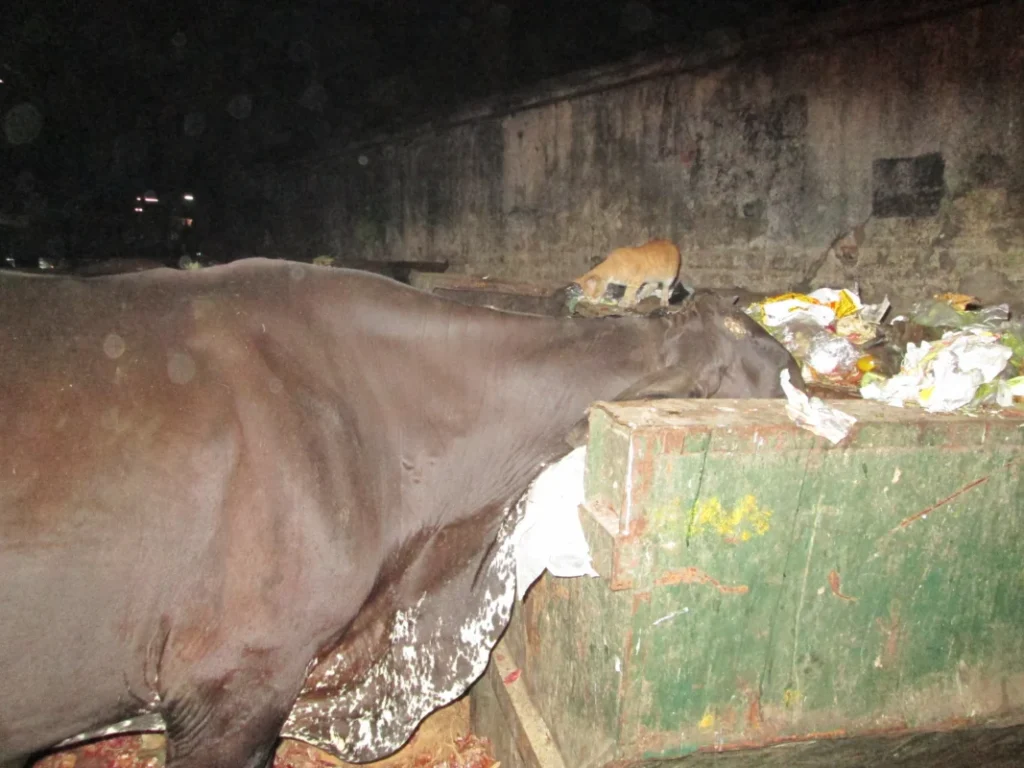
Cows Eating Plastic: Symptoms, Treatment, and Prevention
Cows often swallow plastic and festival waste. Learn the signs of plastic in the stomach, how vets treat it and how to…
Repeat Breeding in Crossbred Cows: 7 Causes and Vet Treatment
Cow not conceiving after 3 AI cycles? Understand repeat breeding in crossbred cows causes and treatment in India, from subclinical endometritis to…