 Written and reviewed by Dr. Vaishnavi Karmawat, B.V.Sc. & A.H., Registered Veterinary Practitioner

✔ Written and medically reviewed by Dr. Vaishnavi Karmawat, B.V.Sc. & A.H., Registered Veterinary Practitioner · Last reviewed 10 November 2026 · Editorial policy
In this article
Some dogs come in again and again with “gastro”: a few days of vomiting, loose stools and weakness, they perk up on a drip and injections, and a few weeks later it all happens again. When that pattern repeats, especially in a young to middle-aged dog, I think of Addison’s disease (hypoadrenocorticism). It is called “the great pretender” because it mimics so many other illnesses. Once diagnosed, it is very manageable and most dogs live a normal life.
Emergency (Addisonian crisis): sudden collapse, extreme weakness, very slow or irregular heartbeat, pale gums, cold legs, severe vomiting or bloody diarrhoea, especially after a stressful event (travel, boarding, Diwali crackers, surgery). Go to a vet immediately. Without fluids and hormones, dogs can die within hours.
What is Addison’s disease?
The two adrenal glands, near the kidneys, make two vital hormones:
- Cortisol (a glucocorticoid): helps the body cope with stress, keeps blood sugar and the gut healthy.
- Aldosterone (a mineralocorticoid): keeps sodium in and pushes potassium out, controlling blood pressure and heart rhythm.
In Addison’s, the immune system usually destroys the adrenal tissue, and the dog cannot make enough of one or both hormones. High potassium slows the heart; low sodium causes dehydration and collapse. It is the opposite of Cushing’s disease, where there is too much cortisol.
Typical vs atypical: most dogs lack both hormones. Some (atypical Addison’s) lack only cortisol, so their salts look normal and the diagnosis is easier to miss.
Who gets it?
- Usually young to middle-aged dogs (about 2 to 7 years), females slightly more often
- Breeds at higher risk include Standard Poodles, Great Danes, West Highland White Terriers, Bearded Collies, Portuguese Water Dogs and Nova Scotia Duck Tolling Retrievers, but any dog, including Indies and Labradors, can be affected
- Medicine-related causes: stopping long-term steroids suddenly (see prednisolone), or an overdose of drugs used to treat Cushing’s (trilostane, mitotane)
- Cats rarely get it
Signs
- Episodes of vomiting, diarrhoea, poor appetite that come and go
- Weakness, tiredness, shaking or trembling
- Weight loss, muscle loss
- Drinking and peeing more
- Belly pain, sometimes blood in stool
- Signs often worsen with stress and improve with fluids or steroids, which is a big clue
How vets diagnose it
- Blood tests: high potassium, low sodium (a sodium-to-potassium ratio under about 27 is suspicious), raised kidney values, low blood sugar. A key hint: a sick, stressed dog whose white blood count does not show the usual stress pattern.
- Baseline cortisol: a quick screening test. A normal result largely rules Addison’s out; a low result needs confirming.
- ACTH stimulation test: the confirmatory test. Blood is taken, a synthetic hormone injected, and blood taken again after an hour. An Addisonian dog’s cortisol stays flat and low.
- ECG for heart rhythm; ultrasound may show small adrenal glands.
Important: steroids given before testing (even one injection for “weakness”) can interfere with the test. If Addison’s is suspected, vets try to test first, or use dexamethasone, which does not interfere as much.
Because Addison’s looks like kidney failure, gastroenteritis and even tick fever on the first visit, it is often missed initially. If your dog keeps relapsing, it is fair to ask your vet whether Addison’s has been ruled out.
Treatment
During a crisis
Hospitalisation with intravenous saline fluids, injectable steroids, glucose if blood sugar is low, treatment to protect the heart from high potassium, and anti-vomiting and stomach-protecting medicines. Most dogs improve dramatically within 24 to 48 hours.
Lifelong treatment
| Medicine | Replaces | How it is given | Notes for India |
|---|---|---|---|
| Fludrocortisone tablets | Aldosterone (and some cortisol) | Daily by mouth | Available as a human medicine; the most practical option for many Indian owners. Dose is adjusted by blood salts. Some dogs get thirst and weight gain. |
| DOCP injection (desoxycorticosterone pivalate) | Aldosterone | Injection roughly every 3 to 4 weeks | The preferred option abroad, but may be difficult to obtain in India; ask your vet. Must be combined with daily low-dose prednisolone. |
| Prednisolone (low dose) | Cortisol | Daily by mouth | Needed by most dogs, especially on DOCP. Dose is much lower than for allergies. |
Blood tests for sodium and potassium are needed about 1 to 2 weeks after starting, then monthly until stable, then every 3 to 6 months. Never stop or reduce the medicines without your vet.
“Stress days”: your most important job
A normal dog makes extra cortisol when stressed. An Addisonian dog cannot. Ask your vet for a written plan to increase the prednisolone dose (often double) on stressful days:
- Travel, boarding, a house move, guests
- Diwali, weddings and festival noise; see firecracker safety
- Vomiting, diarrhoea or any illness
- Surgery or dental cleaning (tell the vet team in advance)
- Extreme heat
Keep a note on your phone and on the dog’s collar or file saying “Addison’s dog, on steroids”, so any emergency vet knows.
Approximate costs in India (2026)
| Item | Approximate cost |
|---|---|
| Blood tests with electrolytes | ₹1,500 to ₹4,000 |
| Baseline cortisol | ₹1,200 to ₹3,000 |
| ACTH stimulation test | ₹3,000 to ₹8,000 (depends on availability of the synthetic hormone) |
| Crisis hospitalisation (2 to 4 days) | ₹8,000 to ₹30,000 |
| Daily tablets (fludrocortisone plus prednisolone) | Often ₹300 to ₹1,500 per month, depending on dog size |
| Monitoring blood tests | ₹1,000 to ₹3,000 each |
Addison’s disease: frequently asked questions
Can Addison’s be cured?
No, the adrenal tissue does not grow back, but replacing the hormones controls it so well that most dogs live a normal lifespan. “Recovery” means recovery from the crisis, not a cure.
Can my dog have a normal diet and exercise?
Yes. No special diet is needed. Do not put an Addisonian dog on a very low-salt diet unless your vet advises.
My dog is drinking a lot on the tablets. Is that normal?
It can be a sign the steroid dose is a little high. Tell your vet rather than reducing it yourself. See dog drinking a lot of water.
Drug choice, doses and stress-day plans must be set by your veterinarian. Costs are approximate and vary by city.
More on Dog Diseases and Infections
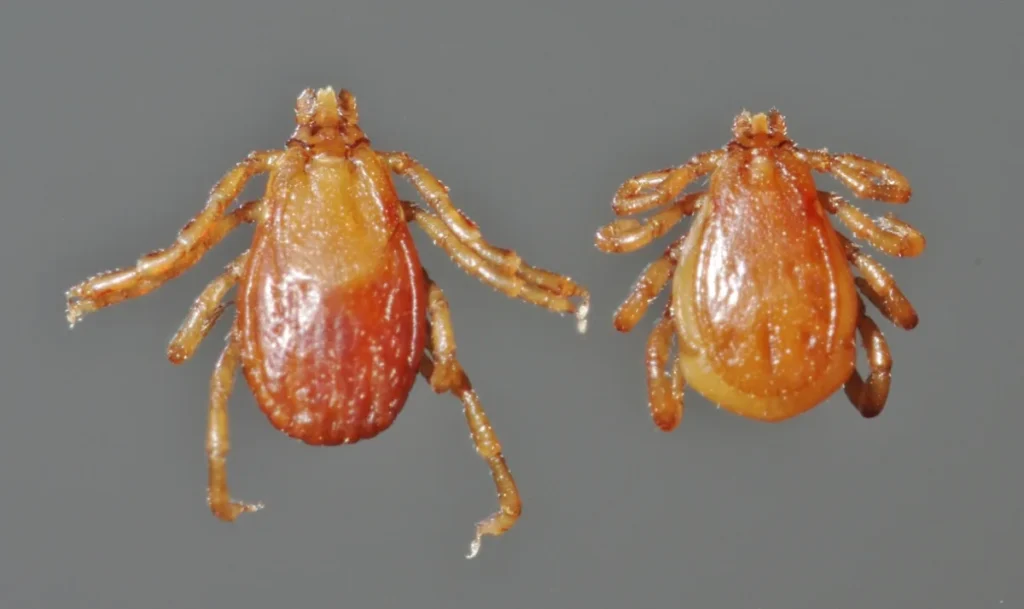
Doxycycline for Dogs and Cats: The Tick Fever Antibiotic, 28-Day Course, Curd and Milk Warning, and Side Effects
How doxycycline treats tick fever in dogs, course length, side effects, how to give it safely with food, and mistakes that cause…
Anaemia in Dogs and Cats: Pale Gums, Tick Fever, Hookworms and IMHA, Reading the Hb and PCV Report, and Why Iron Tonics Are Not Enough
Pale gums or weakness in your dog? Causes of anaemia in India like tick fever, worms and rat poison, tests, treatment and…